
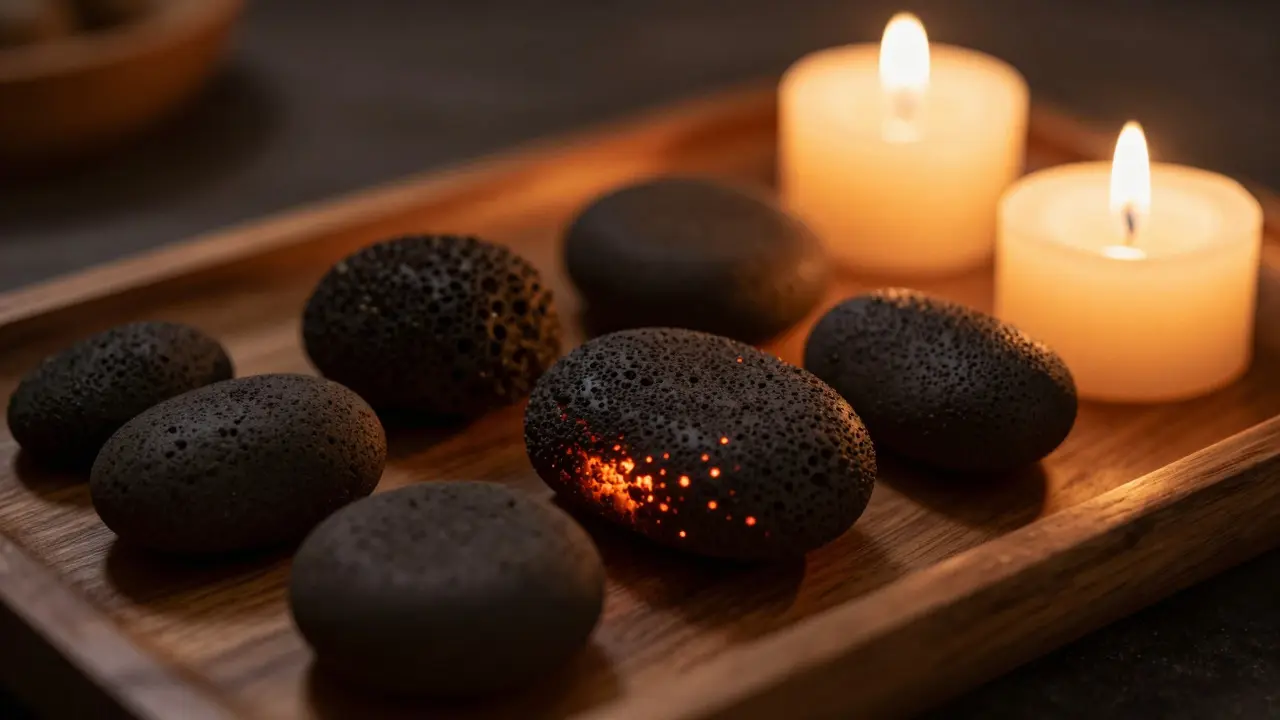
Fire Massage: How Heat Therapy Boosts Circulation and Relieves Pain
Discover how fire massage uses heat therapy to relieve chronic pain and improve circulation. Learn about benefits, safety tips, and what to expect during a session.
Read MoreMyofascial release targets the fascia — the thin, tight layer that wraps muscles and organs. When fascia sticks or tightens, you feel pain, limited movement, or nagging stiffness. This technique uses slow, steady pressure to soften stuck spots and restore smoother movement. It’s not magic, but it’s a practical tool for chronic tightness, post-workout soreness, and posture-related pain.
A therapist will look for areas that feel tight or resistant, then apply sustained pressure or slow strokes to those spots. You might feel an ache that eases after 30–90 seconds — that’s a good sign. Sessions mix hands-on work with gentle movement and breathing. Therapists trained in structural work (like Rolfing or Hellerwork) or neuromuscular therapy often include myofascial release in their toolbox.
Sessions are usually calm and slow rather than fast and forceful. You won’t get deep, painful kneading like a sports massage; instead, expect steady holds and gentle stretches. A typical session lasts 30–90 minutes depending on the issue and the therapist’s approach.
Start with simple tools: a foam roller, lacrosse ball, or even a tennis ball. Find a tender spot, breathe deeply, and apply steady pressure until you feel the tension soften — usually 30–90 seconds. Move slowly to the next spot. For smaller areas (neck, shoulder blade), use a ball against a wall to control pressure. For calves, hamstrings, and glutes, a foam roller works well.
Quick home routine: 1) Warm up with light movement, 2) Spend 1–2 minutes on each tight spot, 3) Follow with gentle stretching or mobility moves. Do this 3–5 times a week for persistent tightness; daily short sessions work too if you follow pain-free limits.
Keep it safe: stop if sharp pain, numbness, or tingling appears. Avoid aggressive rolling over joints, recent injuries, varicose veins, or areas of inflammation. If you have a medical condition (recent surgery, cancer, blood clot risk, osteoporosis, or pregnancy), check with your doctor before trying self-release.
How to pick a pro: look for therapists who mention myofascial release, structural integration, neuromuscular therapy, or fascia stretching in their services. Ask about training, session style, and how they measure progress. A good therapist explains why they’re working a spot and gives clear aftercare tips.
Myofascial release isn’t a quick fix, but it’s a reliable method to reduce tightness and improve movement when used properly. Start slow, use steady pressure, and pair release with movement and posture work to get the best results.
Discover how fire massage uses heat therapy to relieve chronic pain and improve circulation. Learn about benefits, safety tips, and what to expect during a session.
Read More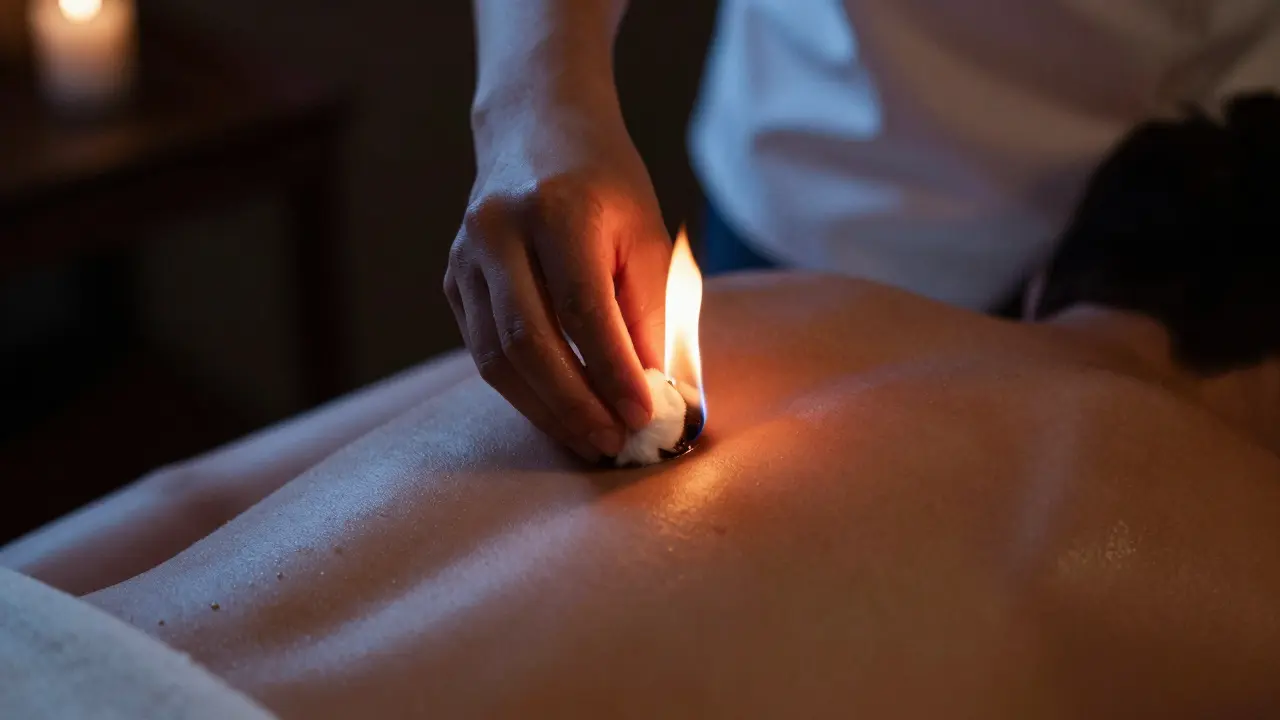
Discover how fire massage works, its benefits for muscle tension and circulation, safety precautions, and what to expect during a session.
Read More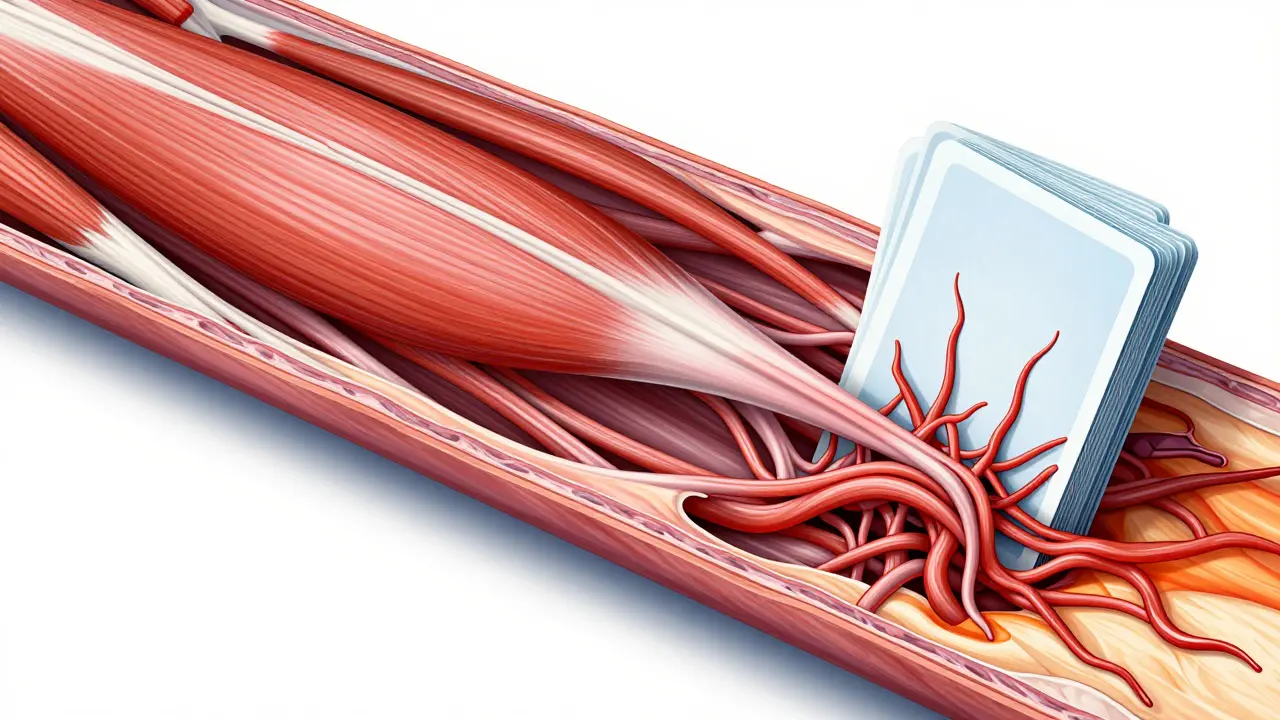
Discover how Cross Fibre Release breaks down muscle adhesions and restores mobility. Learn the science, benefits, and DIY tips for this powerful soft tissue therapy.
Read More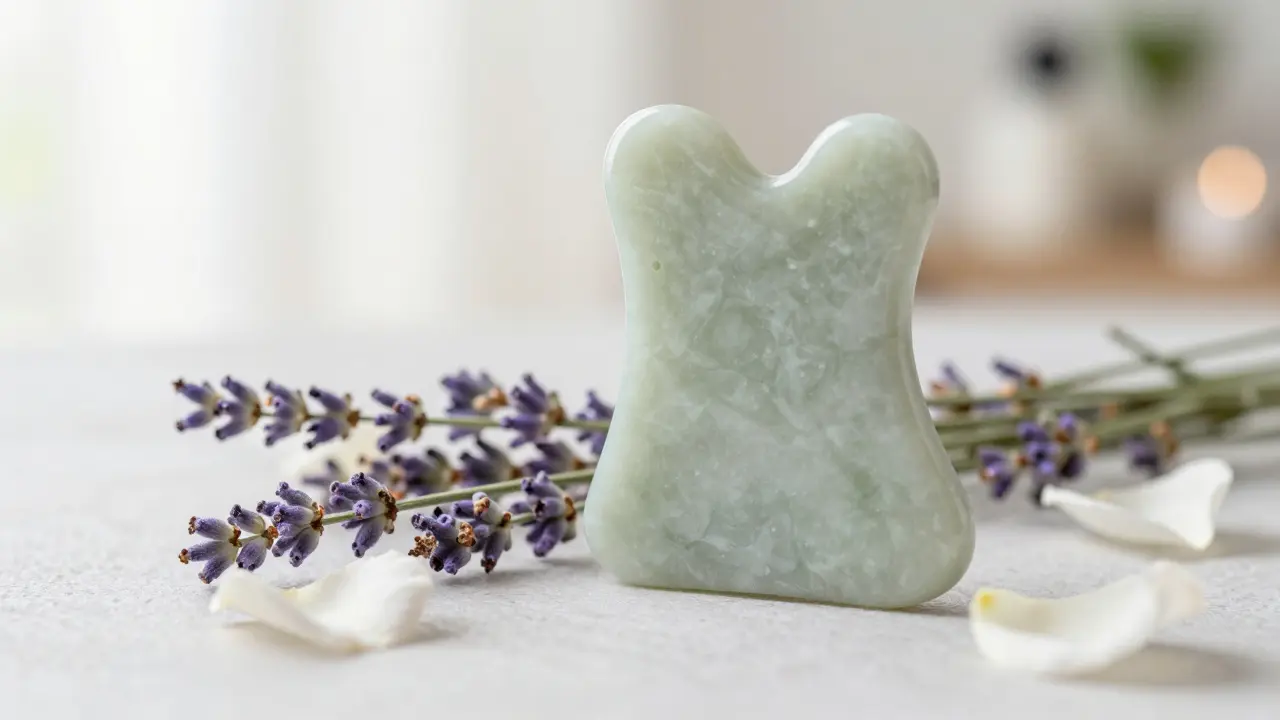
Discover how knife massage, also known as Gua Sha, reduces stress by releasing muscle tension. Learn the benefits, proper techniques, and safety tips for this ancient healing practice.
Read More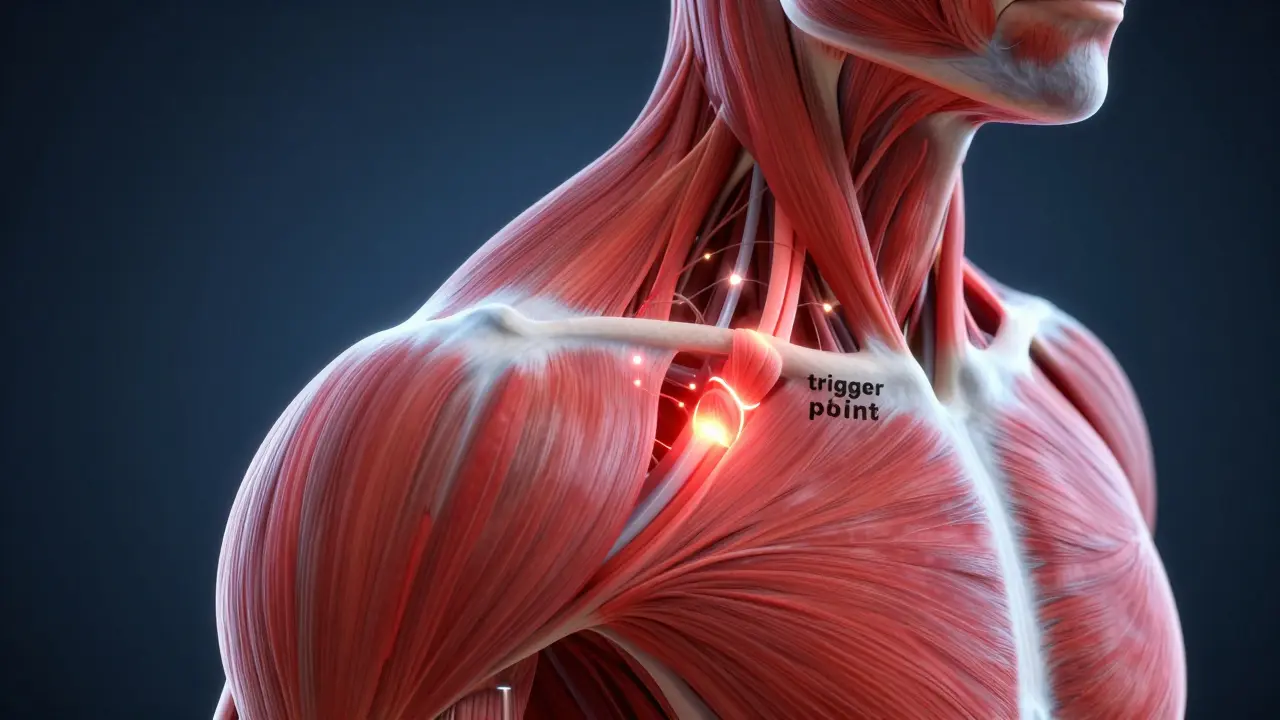
Discover how neuromuscular massage targets trigger points to eliminate chronic pain, reset the nervous system, and restore full body mobility.
Read More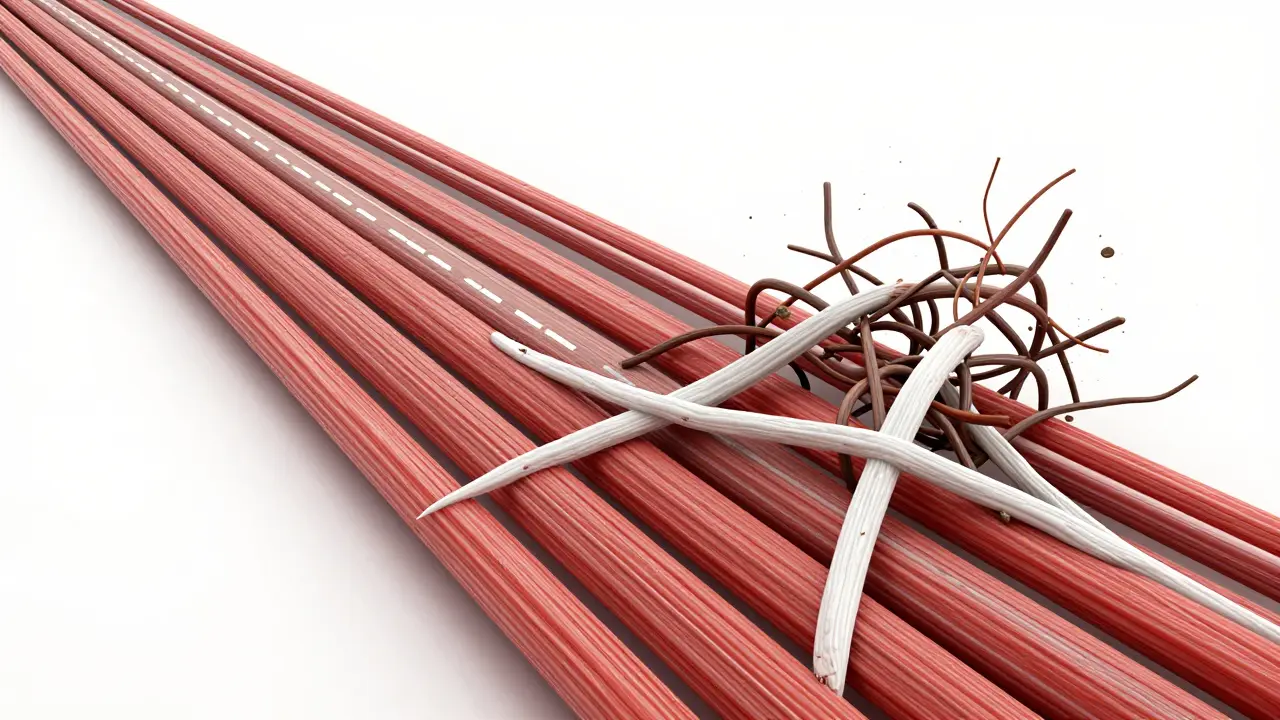
Learn how cross fibre release breaks down scar tissue and muscle adhesions to restore mobility. Expert tips on technique, timing, and recovery strategies.
Read More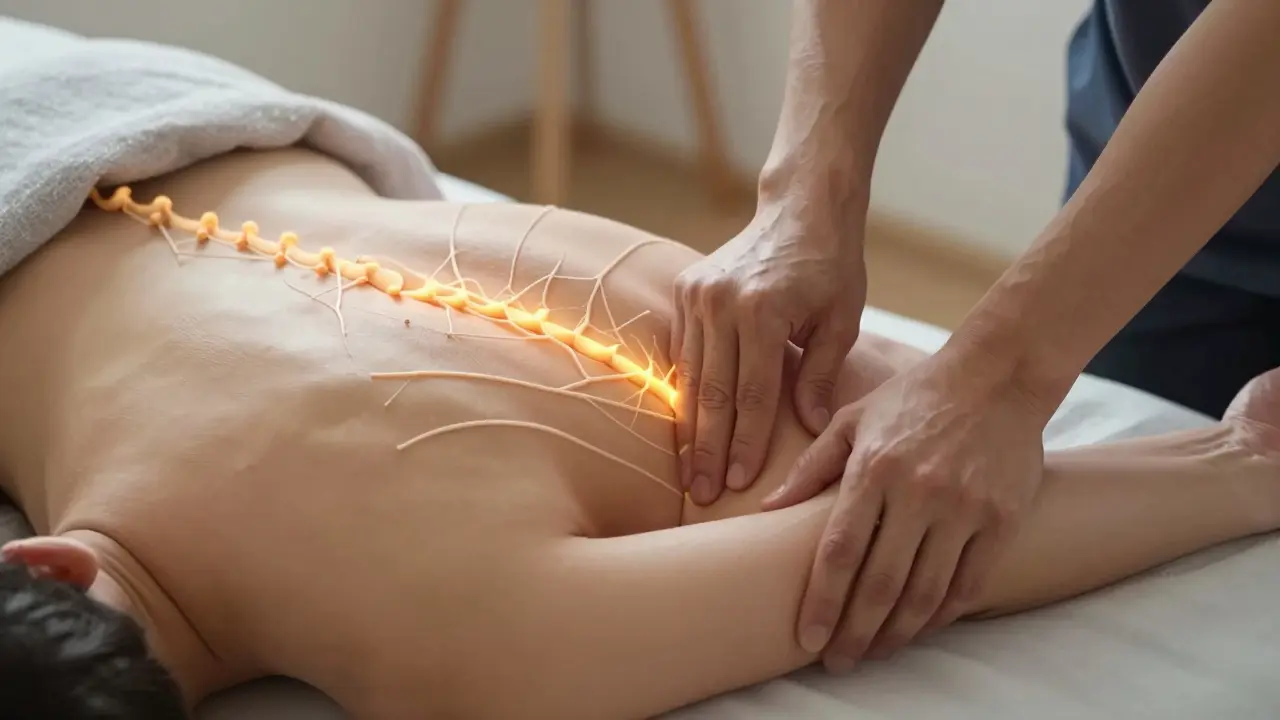
Hellerwork is a bodywork method that realigns posture by releasing fascial tension, teaching movement awareness, and integrating emotional patterns. Science shows it reduces pain, improves alignment, and creates lasting change by working with gravity, not against it.
Read More
Fascia stretching isn't just another stretch-it's the key to unlocking true mobility, reducing pain, and improving recovery. Learn why this often-overlooked practice belongs in every workout routine.
Read More
Fascia stretching isn't just another trend-it's the missing link in fitness that fixes stiffness, boosts mobility, and reduces pain. Learn how slow, mindful movement unlocks your body's natural flexibility.
Read More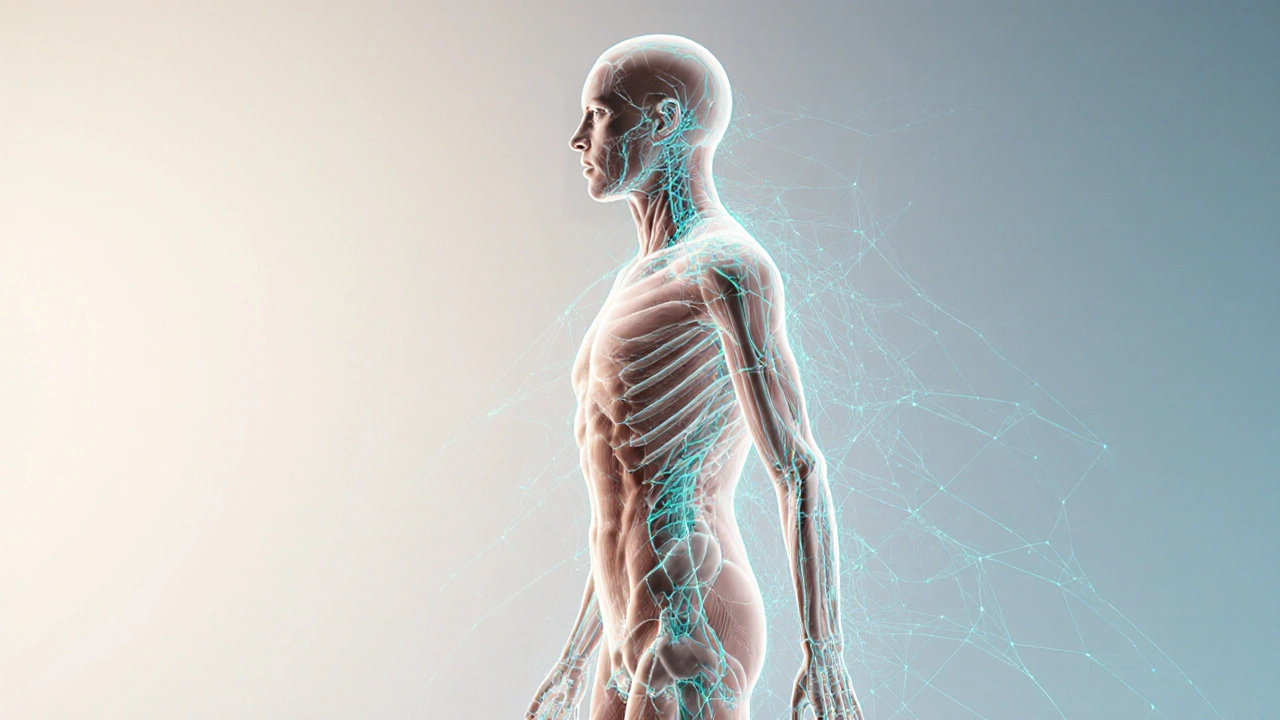
Explore how fascia stretching boosts holistic health, learn key techniques, avoid common mistakes, and integrate simple daily routines for lasting mobility.
Read More