Pain Management: Massage Therapies That Actually Help
Sore all the time? Massage is more than pampering — it’s a tool you can use to cut pain, fix posture issues, and feel clearer in your body. This page collects proven and lesser-known bodywork approaches so you can pick what fits your pain and lifestyle.
Which massage is right for your pain?
If you have tight, burned-out muscles from work or sports, try neuromuscular therapy or sports massage. Both focus on trigger points and muscle balance to reduce pain and speed recovery. For long-standing posture problems and deep structural tightness, Hellerwork and rolfing (structural integration) aim to reorganize your body’s alignment, not just knead the surface.
Myofascial release targets the fascia—the tight web around muscles—so it’s excellent for stubborn, spreading pain and limited range of motion. Fascia stretching complements that work and helps you keep gains from the table. For gentle, rhythmic healing, Lomi Lomi or Ayurvedic massage soothes nervous-system-driven pain and stress. If you want a hands-on, mindful movement practice, Breema or Feldenkrais improves awareness and reduces pain caused by bad habits.
Curious treatments like stone massage or Creole bamboo work differently: stones deliver heat to ease tight spots, bamboo gives deep rolling pressure to break up knots. Even niche practices—blind massage, Hilot, or traditional Laos and hammam rituals—offer unique sensory or cultural approaches that some people find more effective for chronic stress-related pain.
Practical tips before and after a session
Tell your therapist exactly where it hurts, when it started, what makes it better or worse, and any medical issues. Good therapists adjust pressure, techniques, and follow-up exercises. Ask which approach they recommend and why—therapists who explain the “how” and “what next” give better results.
Plan short sessions at first, especially with deep work like rolfing, Hellerwork, or tendon-release procedures. Expect soreness for 24–48 hours after deep sessions; drink water, rest, and use light movement to reduce stiffness. Use heat for tight muscles and ice for sharp inflammation based on your therapist’s advice.
When to see a doctor: sudden numbness, loss of strength, fever, severe night pain, or injury from trauma need medical attention first. Massage helps many pains but should not replace necessary medical care.
Make it part of a routine. A mix of targeted therapy sessions, daily fascia stretching, short self-massage, and simple posture checks often beats one-off treatments. Try different styles from this tag—neuromuscular, myofascial, sports massage, or bodywork like Lomi Lomi—and keep what actually reduces your pain and improves movement.
Want specific reads? Look through articles on Hellerwork, myofascial release, rolfing, and sports massage to find practical how-tos, what to expect, and tips for choosing a therapist who gets results.
Craniosacral Therapy: How Gentle Touch Can Help You Manage Pain
0 Comments
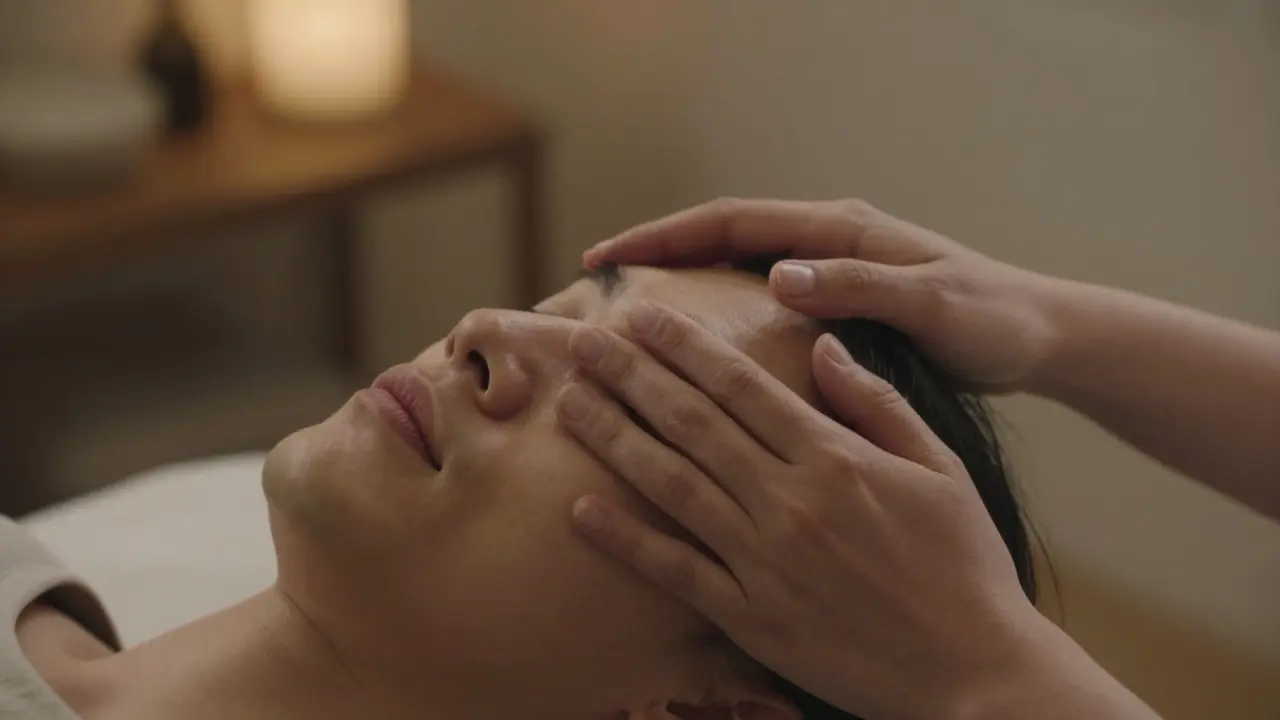
Discover how craniosacral therapy uses gentle touch to relieve pain and regulate the nervous system. Learn what to expect, who benefits, and how it compares to other bodywork methods.
Medical Massage for Pain Management: More Than Just Relaxation
0 Comments
Discover the difference between relaxation and medical massage. Learn how targeted clinical techniques treat chronic pain, trigger points, and myofascial restrictions.
How Palliative Massage is Changing the Face of Healthcare
0 Comments
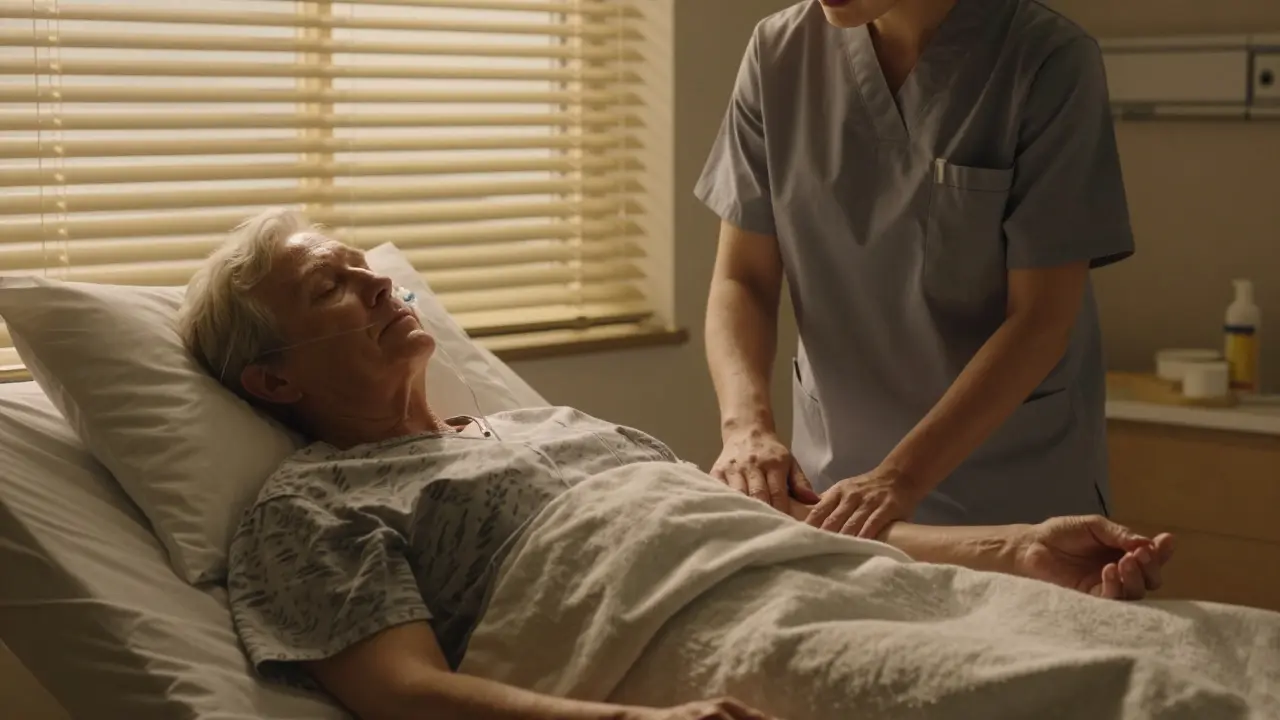
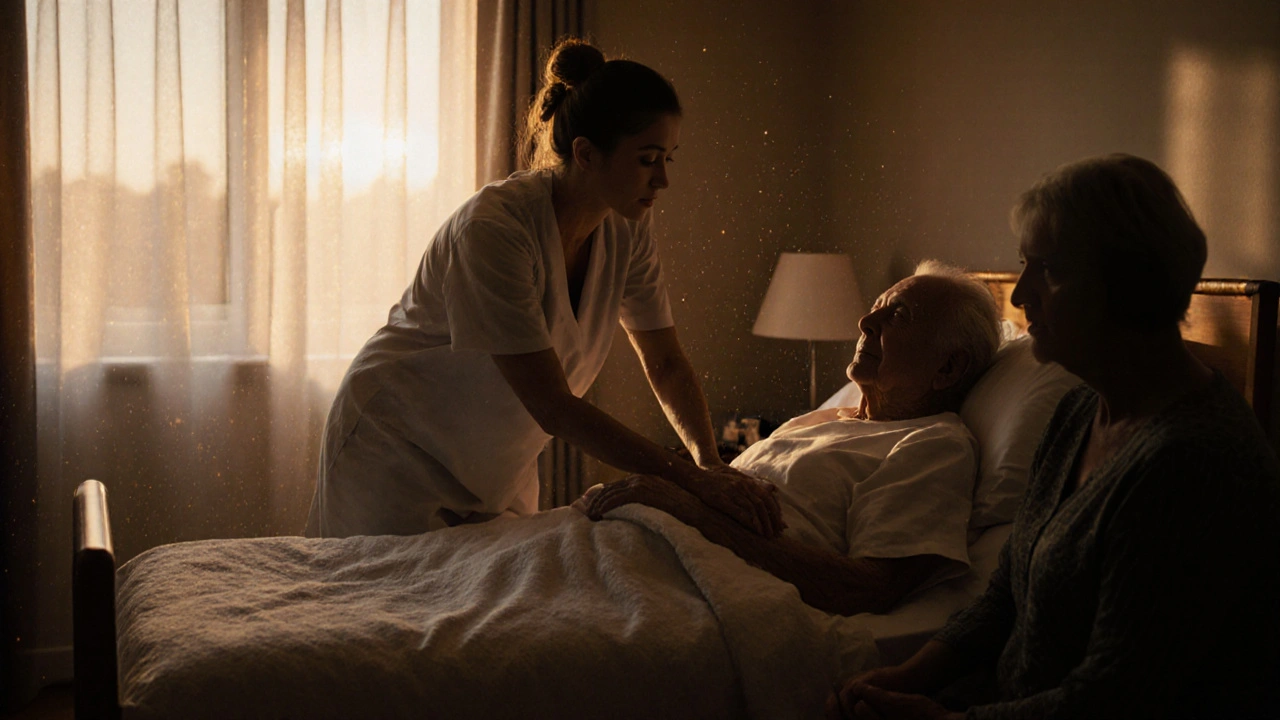
Palliative massage brings gentle touch to end-of-life care, reducing pain and anxiety when medicine can't. It’s not about curing - it’s about comforting. Families, patients, and nurses are discovering its power in hospitals and hospices across Australia.
Shiatsu is a gentle, non-invasive therapy that reduces stress, relieves chronic pain, improves sleep, and boosts energy by balancing the body's energy flow. Backed by science and used worldwide, it’s a powerful tool for holistic wellness.
Trager therapy uses gentle, rhythmic movements to retrain the nervous system and relieve chronic pain without force or drugs. It’s a proven, safe alternative for those tired of temporary fixes.
The Role of Palliative Massage in Modern Healthcare
0 Comments
Palliative massage offers gentle, evidence-based comfort for people with serious illness, reducing pain, anxiety, and nausea while restoring dignity. Learn how it works, who benefits, and how to access it.
Cupping Therapy: A Time-Tested Solution for Chronic Pain
0 Comments
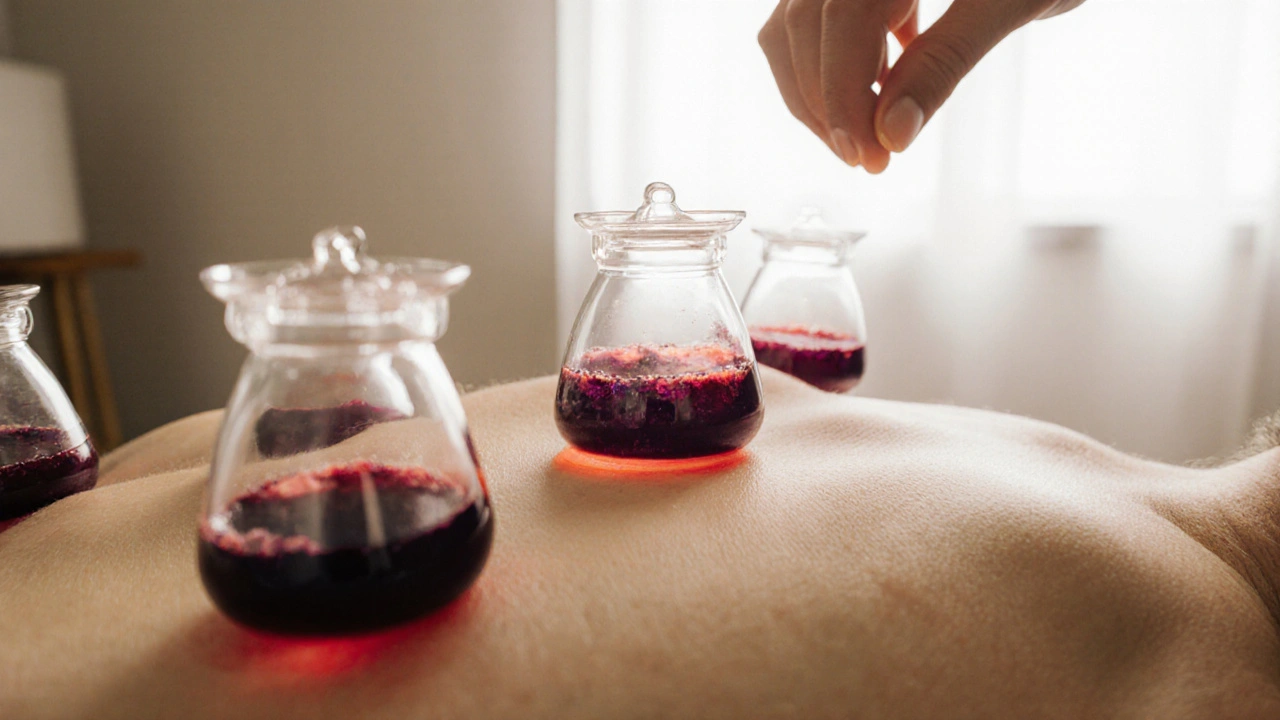
Cupping therapy is a time-tested, non-invasive method for relieving chronic pain by improving circulation and releasing tight fascia. Backed by science and used for thousands of years, it offers real relief without drugs or surgery.
Myofascial Release Therapy: Hope for Chronic Pain Relief
0 Comments
Fed up with chronic pain that just won't quit? Myofascial Release Therapy might be your answer. This technique eases pain by targeting tightness in the connective tissues, or fascia, around muscles. It's gaining traction as folks look for relief beyond standard pain meds. Find out how this therapy could change the life of someone who thought pain was permanent.
Rolfing for Effective Pain Relief: An Innovative Approach
0 Comments
Rolfing, an alternative therapy, focuses on realigning the body's structure to alleviate chronic pain and improve mobility. Developed by Dr. Ida Rolf, this holistic approach targets connective tissues, promoting ease of movement, balance, and overall well-being. It’s gaining attention as a promising method for those seeking non-invasive ways to manage pain. This article delves into its principles, benefits, and practical insights, offering a well-rounded perspective on how Rolfing can become a part of contemporary pain management strategies.