
Neuromuscular Massage: How to Relieve Chronic Pain and Improve Mobility
 Apr, 28 2026
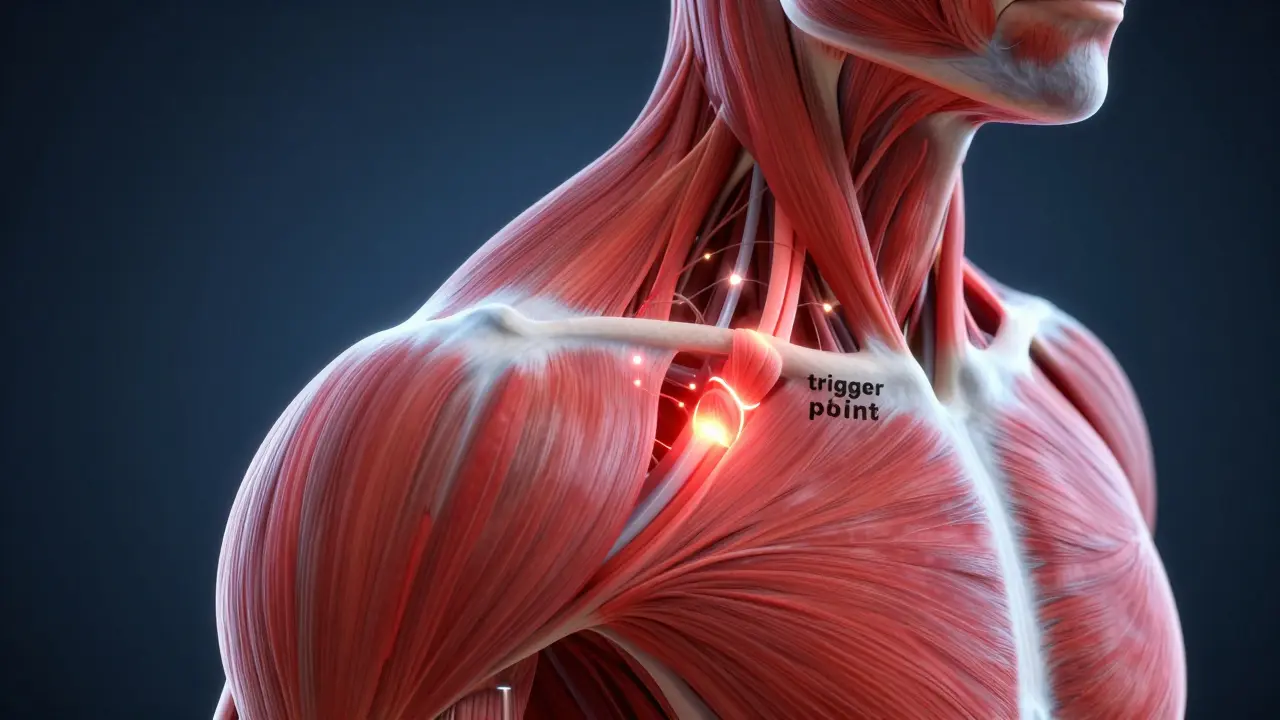
Ever felt a knot in your shoulder that just won't budge, no matter how much you stretch? Or maybe you have a nagging lower back ache that seems to travel down your leg? Most of us call these "stiff muscles," but the reality is often deeper. You're likely dealing with trigger points-hyper-irritable spots in your fascia that act like a glitch in your body's electrical system. Standard relaxation massages feel great, but they often glide right over the problem. If you want to actually stop the pain, you need a method that speaks the language of your nerves and muscles.
The Core of the Method
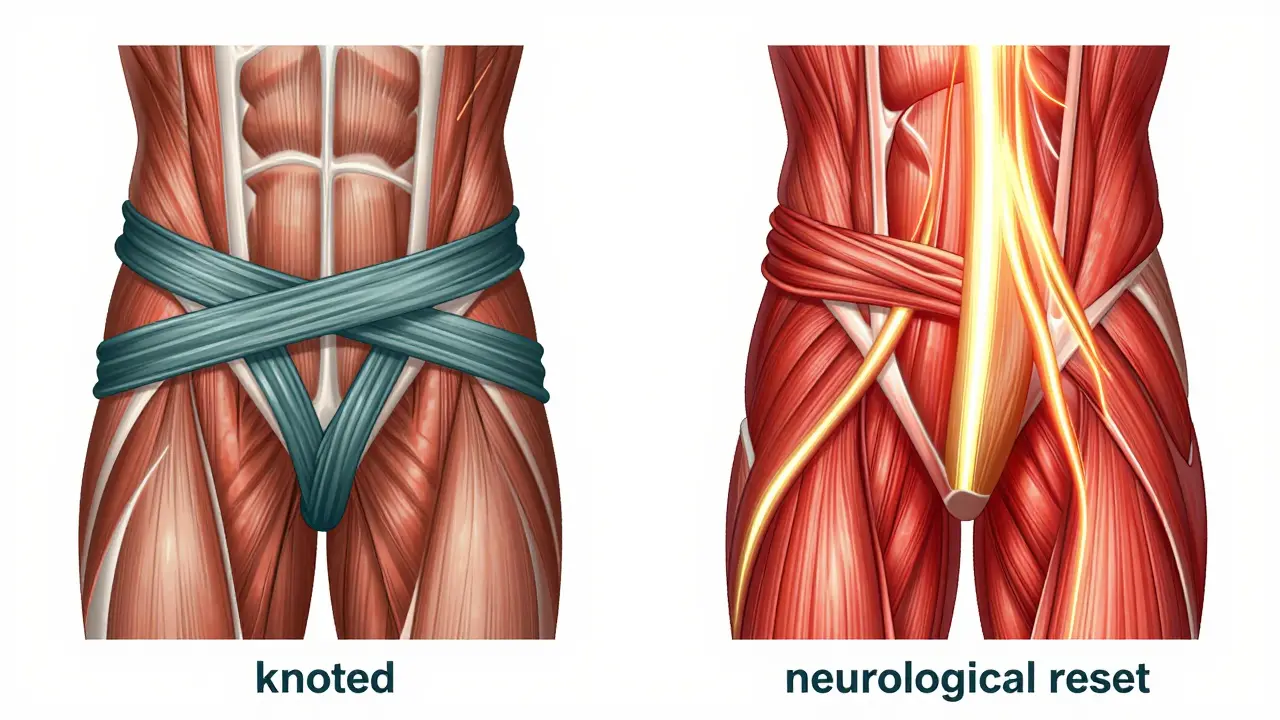
When we talk about neuromuscular massage is a specialized form of manual therapy that focuses on the relationship between the nervous system and the musculoskeletal system. It isn't just about rubbing skin; it's about stimulating specific receptors in your muscles to force a "reset" of the muscle fiber. By applying precise pressure to a trigger point, the therapist interrupts the pain-spasm-pain cycle that keeps you locked in a state of tension.
Think of a muscle like a bundle of rubber bands. In a healthy muscle, these bands slide smoothly. When you're stressed or injured, a few of those bands get knotted together. This knot, or trigger point, compresses the local blood vessels, meaning the muscle doesn't get enough oxygen and can't flush out metabolic waste. This creates a chemical environment that keeps the knot tight. Neuromuscular therapy breaks this cycle by manually forcing the knot to release, allowing fresh blood to rush back in.
How it Differs from Other Therapies
You've probably heard of Swedish Massage, which is fantastic for lowering cortisol and relaxing after a long week. However, Swedish massage uses long, gliding strokes (effleurage) that stay on the surface. Neuromuscular Therapy (NMT) is surgical in its precision. It targets the deep tissue and the nervous system specifically. While a relaxation massage treats the whole body as a surface, NMT treats the body as a map of interconnected neurological pathways.
Then there is Myofascial Release, which focuses on the connective tissue (fascia) that wraps around every muscle and organ. While NMT and myofascial release often overlap, NMT is more focused on the specific "nodules" of tension and the nerve signals triggering them. If myofascial release is like ironing out a wrinkled sheet, neuromuscular massage is like finding the specific knot in the thread and untying it.
| Feature | Swedish Massage | Deep Tissue | Neuromuscular Therapy |
|---|---|---|---|
| Primary Goal | Relaxation / Stress Relief | Chronic Tension Release | Neurological Reset / Pain Removal |
| Technique | Long, light strokes | Slow, firm pressure | Ischemic compression / Pin-and-stretch |
| Target Area | Superficial muscles | Deep muscle layers | Specific trigger points & nerves |
| Typical Sensation | Soothing, warm | Intense, sometimes sore | "Good pain" / Sudden release |
The Science of Trigger Points
Why does pressing a spot in your calf make your heel stop hurting? This is called "referred pain." In Trigger Point Therapy, we recognize that the brain sometimes confuses signals from different parts of the same nerve. A knot in the trapezius muscle can send a signal that the brain interprets as a headache behind the eye. This is why your therapist might work on your shoulder to fix your migraine.
The process works through something called "ischemic compression." By applying steady, focused pressure to the knot, the therapist temporarily stops the blood flow to that tiny area. When the pressure is released, blood floods back in (hyperemia), bringing a surge of oxygen and nutrients that helps the muscle fibers relax and the chemical triggers to dissipate. It's essentially a manual reboot for your muscle tissue.
Who Should Use This Approach?
This isn't a "one size fits all" service. If you just want to nap on a table for an hour, this isn't for you. But if you're dealing with specific, recurring issues, it's a game-changer. Consider neuromuscular work if you experience:
- Chronic Tension Headaches: Often caused by trigger points in the neck and upper back.
- Sciatica: When the Piriformis Muscle in the glutes clamps down on the sciatic nerve, NMT can release that grip.
- TMJ Disorders: Tension in the jaw muscles can lead to clicking, locking, and severe facial pain.
- Postural Strain: If you spend 8 hours a day hunched over a laptop, your chest muscles likely tighten, pulling your shoulders forward.
- Athletic Injuries: Recovering from a strain where the muscle has "guarded" itself into a permanent knot.
What to Expect During Your First Session
Don't expect a lullaby. A real neuromuscular session starts with an assessment. The therapist won't just start rubbing; they'll ask where it hurts and then feel for "taut bands" in the muscle. You might feel a sensation of tenderness or a radiating feeling when they hit a specific spot-that's how they know they've found the trigger point.
The pressure can be intense. There is a common saying in the industry: "hurts so good." You should feel a strong sensation, but you should never be holding your breath or tensing up against the therapist. If you're fighting the pressure, the muscle won't release. Communication is key; you need to tell them when the pressure is at a "7 out of 10"-effective but bearable.

The Long-Term Impact on Your Health
One session might provide temporary relief, but the real magic happens with consistency. When you repeatedly clear trigger points, you're training your Central Nervous System to stop sending "danger" signals to those muscles. This lowers your overall baseline of tension.
Beyond just pain relief, this therapy improves your range of motion. When a muscle is knotted, it's physically shorter. By releasing those knots, you regain the full length of the muscle, which means your joints can move through their full range. This reduces the wear and tear on your cartilage and prevents future injuries. Imagine being able to reach the top shelf or tie your shoes without a sharp pinch in your lower back-that's the result of functional mobility.
Tips for Maximizing Your Results
The work doesn't end when you leave the table. To keep the knots from coming back, you need to address the root cause. If you have a knot in your neck because your monitor is too low, no amount of massage will fix it permanently until you raise that screen.
- Hydrate Aggressively: Releasing trigger points moves metabolic waste into your bloodstream. Drinking water helps your kidneys flush those toxins out faster.
- Gentle Stretching: After a session, your muscles are more pliable. Use light, dynamic stretching to "set" the new length of the muscle.
- Heat Therapy: Using a heating pad or taking a warm bath after NMT helps maintain the blood flow to the treated areas.
- Mindful Movement: Be aware of how you sit. If you notice yourself shrugging your shoulders toward your ears, consciously drop them.
Does neuromuscular massage hurt?
It can be intense. Because it targets specific knots, you will feel a localized pressure that can be uncomfortable. However, it should be a "productive" pain. If you are grimacing or unable to breathe deeply, the pressure is too high. A skilled therapist will adjust the depth to ensure the muscle releases rather than guards.
How is this different from a deep tissue massage?
Deep tissue massage generally focuses on the layers of muscle and fascia across a larger area to relieve general tension. Neuromuscular therapy is more clinical and targeted. It uses specific neurological triggers and focused pressure on single points (trigger points) to resolve a specific symptom, like a headache or a pinched nerve, rather than just "loosening up" a whole limb.
How many sessions do I need to see a difference?
Many people feel an immediate reduction in pain after one session, especially for acute issues. However, for chronic conditions-things you've lived with for years-it typically takes a series of 3 to 6 sessions to fully break the pain-spasm-pain cycle and retrain the nervous system.
Can I get this massage if I have a medical condition?
Generally, yes, but there are contraindications. People with blood clotting disorders, severe osteoporosis, or active infections/fever should avoid deep neuromuscular work. Always inform your therapist about your medical history and any medications you're taking, especially blood thinners.
What is the best way to maintain the results?
The best way is a combination of hydration, ergonomic adjustments to your workspace, and a regular stretching routine. Using a foam roller or a lacrosse ball for self-myofascial release between professional appointments can also help keep trigger points from reforming.