
Fire Massage: How It Works, Safety Tips, and What to Expect
 Jun, 16 2026
Have you ever seen a video of a therapist lighting alcohol-soaked cotton balls on fire and moving them over someone’s back? If that image makes your heart race, you’re not alone. Fire massage looks intense, bordering on dangerous. But for those who have experienced it, the sensation is often described as deeply relaxing, warming, and surprisingly gentle. So, what is this practice really about? Is it just a parlor trick, or does it offer genuine therapeutic benefits?
Fire massage isn’t actually burning your skin. That’s the first thing to understand. The flame never touches your body directly. Instead, therapists use heat and suction techniques to stimulate blood flow, relax muscles, and encourage healing. It’s a blend of ancient traditions and modern understanding of soft tissue mechanics. Whether you’re curious about pain relief, stress reduction, or just want to try something new, knowing how it works-and what to watch out for-is essential.
What Exactly Is Fire Massage?
At its core, fire massage is a form of thermal therapy combined with manual manipulation. There are two main styles you’ll encounter. The first uses open flames to heat the air around your body. The second involves heating glass cups to create suction, similar to traditional cupping therapy but with a fiery twist. Both methods aim to increase circulation and release tension in the fascia-the connective tissue that wraps around your muscles.
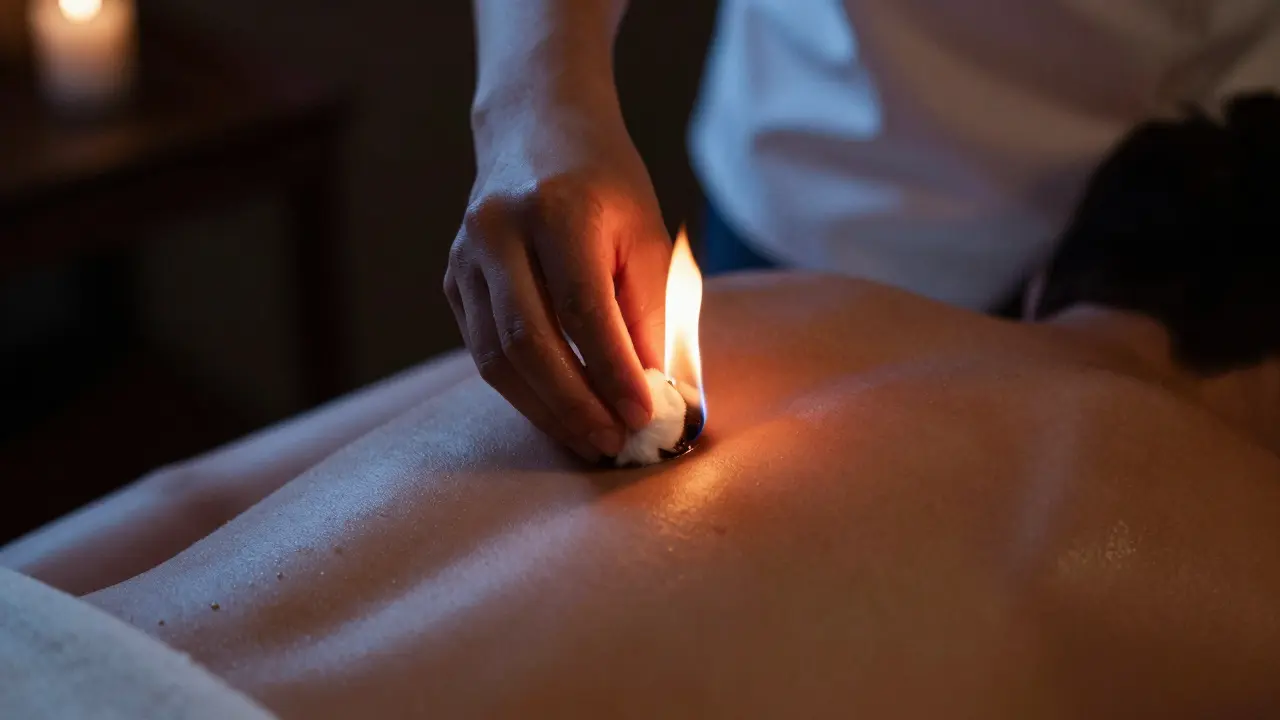
In the open-flame style, a therapist lights small wads of cotton soaked in high-proof alcohol (usually 70% to 95% ethanol). They move these flaming bundles quickly over your bare skin, typically on your back, legs, or arms. The movement creates a wave of warm air that penetrates deep into the tissues without causing burns. The therapist then follows up with hands-on massage, using the residual heat to work out knots and tightness.
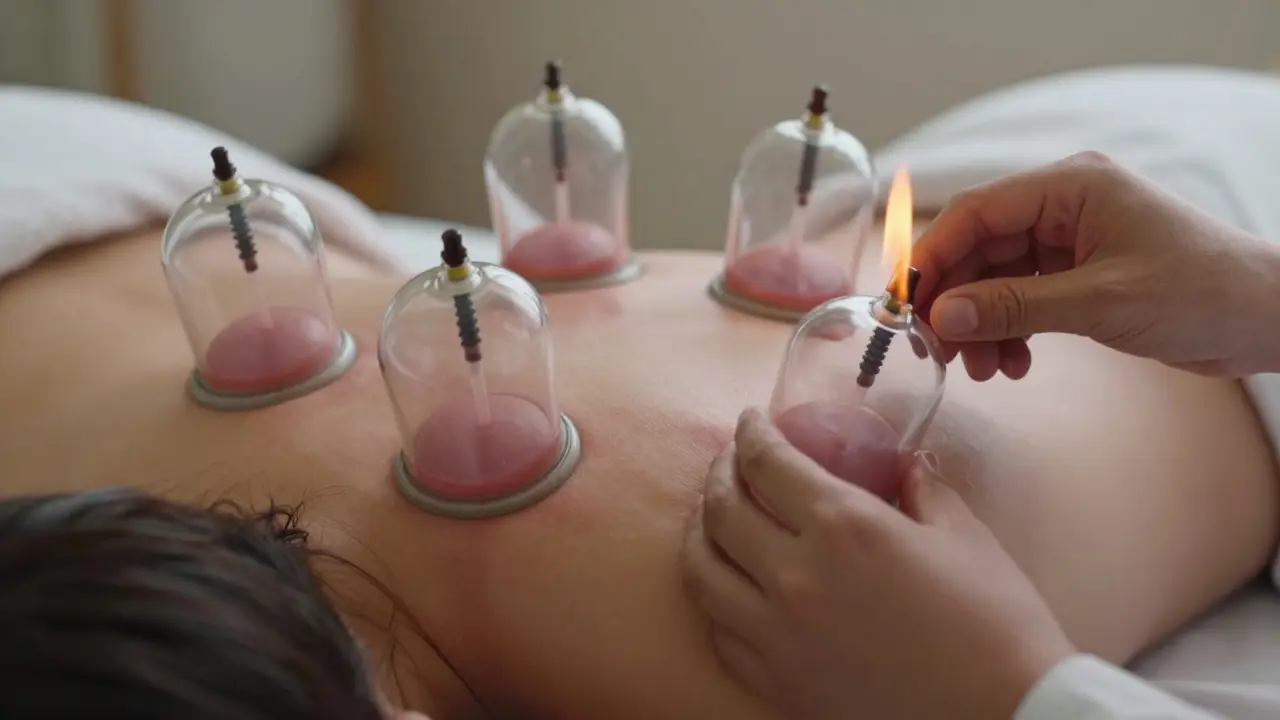
The other style, often called fire cupping, involves placing a lit cotton ball inside a glass cup for a few seconds before removing it and placing the cup on your skin. As the oxygen inside the cup is consumed by the flame, a vacuum forms when the cup is sealed against your body. This suction pulls the skin and underlying muscle upward, promoting blood flow and loosening adhesions in the fascia. You might see temporary circular marks afterward, which are harmless bruises from the suction, not burns.
The Science Behind the Heat
Why does heat help? When your body experiences warmth, your blood vessels dilate-a process called vasodilation. This allows more oxygen-rich blood to reach tired muscles and injured areas. Improved circulation helps flush out metabolic waste products like lactic acid, which can accumulate after exercise or prolonged sitting. For many people, this means faster recovery and less stiffness.
Heat also affects your nervous system. Warmth triggers the parasympathetic response, shifting your body from “fight or flight” mode into “rest and digest.” Your heart rate slows, breathing deepens, and mental chatter quiets down. This is why so many clients report feeling calm and grounded after a session, even if they came in stressed or anxious.
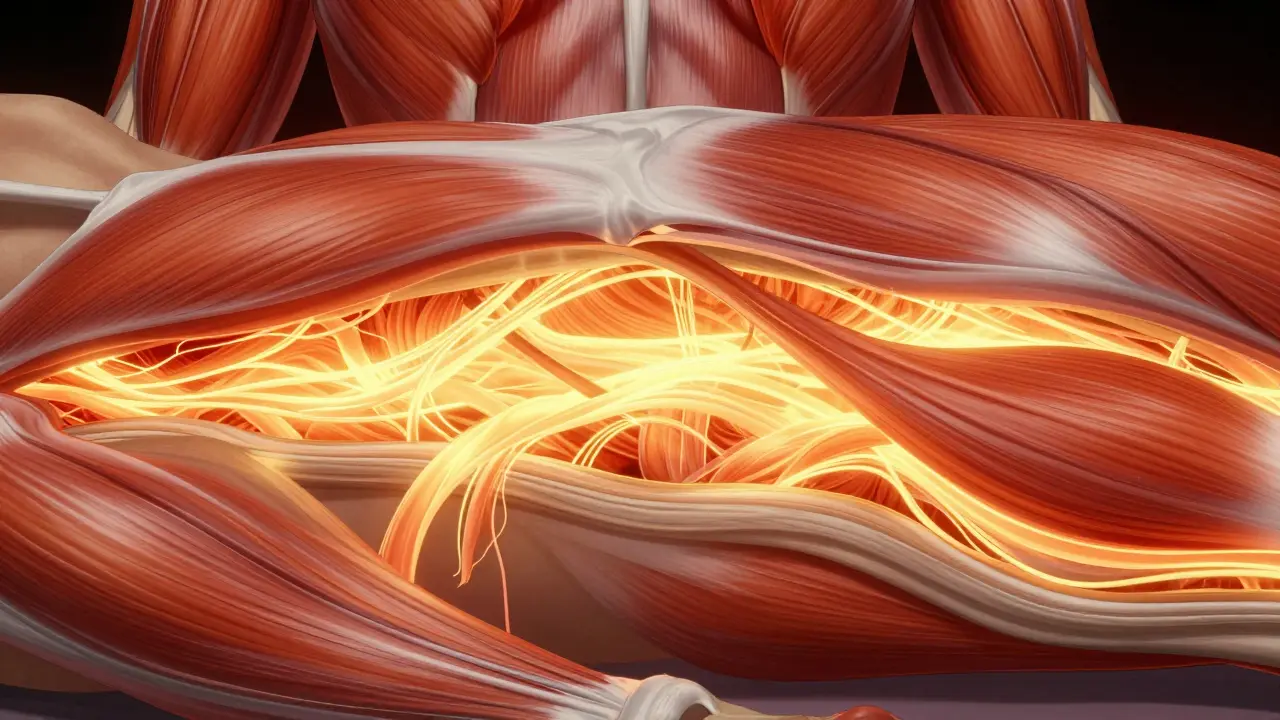
Fascia plays a key role here too. Think of fascia as a wet suit made of gelatinous material that surrounds every muscle, bone, and organ. When you’re dehydrated, injured, or under chronic stress, this tissue can become sticky and restricted. Fire massage uses thermal energy to soften the collagen fibers in the fascia, making it more pliable. Once softened, manual pressure can glide through the layers more easily, restoring mobility and reducing pain.
Who Can Benefit From Fire Massage?
If you deal with chronic muscle tension, especially in your neck, shoulders, or lower back, fire massage may offer relief. Athletes often turn to it for post-workout recovery because the combination of heat and suction accelerates healing. People with poor circulation-perhaps due to cold sensitivity or sedentary lifestyles-might notice their extremities feel warmer and more energized afterward.
It’s also popular among those seeking emotional release. Many practitioners believe that stored trauma lives in the body’s tissues. By working deeply into the fascia, fire massage can sometimes trigger unexpected tears or sighs during a session. These aren’t signs of distress; they’re releases of pent-up tension. Clients frequently describe feeling lighter emotionally, as if a weight has been lifted off their chest.
Even if you don’t have specific physical complaints, fire massage can serve as a preventive measure. Regular sessions help maintain flexibility, prevent adhesions from forming, and keep your nervous system balanced. It’s like tuning an instrument regularly instead of waiting for strings to snap.
Safety First: Who Should Avoid It?
While fire massage is generally safe when performed by a trained professional, it isn’t suitable for everyone. Pregnant women should avoid abdominal treatment due to increased blood flow and hormonal changes. Anyone with active skin conditions-such as eczema, psoriasis flare-ups, or open wounds-should steer clear until healed. The heat and suction could irritate sensitive or broken skin further.
If you have cardiovascular issues, consult your doctor beforehand. Increased circulation puts additional demand on your heart, which might be risky if you have uncontrolled hypertension or recent cardiac events. Similarly, people prone to fainting or those taking blood-thinning medications should proceed with caution, as bruising from cupping can be more pronounced.
Always disclose any medical history to your therapist. A reputable practitioner will ask detailed questions before starting. They should explain each step, check temperature tolerance, and stop immediately if you experience discomfort. Never let anyone apply direct flame contact or leave heated cups on too long-it’s a sign of poor technique or negligence.
What to Expect During Your Session
Your first visit usually begins with a consultation. The therapist will discuss your goals, health concerns, and preferences. You’ll change into comfortable clothing or draping sheets, leaving only the area being treated exposed. Most sessions focus on the back, but limbs and chest are options depending on your needs.
Once positioned face-down on the table, the therapist applies oil to lubricate the skin. Then comes the fire element. In open-flame treatments, expect quick passes of flickering flames hovering inches above your skin. You’ll feel waves of warmth, not pain. Some compare it to standing near a campfire on a cool evening. Afterward, the therapist uses gliding strokes to spread the heat deeper into the muscles.
In fire cupping sessions, you’ll hear a slight pop as each cup seals onto your skin. The sensation ranges from mild pulling to firm pressure, depending on how much suction is applied. Cups stay in place for five to fifteen minutes. When removed, you’ll likely see red or purple circles where they were placed. These marks fade within a week and indicate areas of congestion or stagnation.
Aftercare is simple but important. Drink plenty of water to support detoxification and hydration. Avoid strenuous activity for the rest of the day. Apply moisturizer if your skin feels dry. And listen to your body-if you feel sore the next morning, it’s normal. Gentle stretching or walking can ease any residual tightness.
Finding a Qualified Practitioner
Not all massage therapists are trained in fire techniques. Look for certifications in cupping therapy, myofascial release, or specialized fire massage programs. Reputable schools require hundreds of hours of supervised practice before granting credentials. Ask potential providers about their training background and insurance coverage.
Read reviews carefully. Pay attention to comments mentioning cleanliness, communication, and comfort levels. Did the therapist explain procedures clearly? Did they adjust intensity based on feedback? Good professionals prioritize client safety and consent above all else.
Consider visiting multiple studios to compare approaches. Some emphasize spiritual aspects, while others take a purely physiological perspective. Neither is wrong-they cater to different audiences. Choose one whose philosophy aligns with your expectations. Trust your instincts; if something feels off, walk away.
Cost and Accessibility
Pricing varies widely depending on location and expertise. In urban centers, expect to pay between $100 and $200 per hour-long session. Rural areas or newer practitioners might charge less. Some clinics offer package deals for regular clients, which can reduce overall costs significantly.
Insurance rarely covers alternative therapies unless prescribed for specific medical conditions. Check with your provider anyway-some plans include complementary medicine benefits. Otherwise, view fire massage as an investment in self-care rather than a necessity. Budget accordingly, and schedule sessions monthly or quarterly rather than weekly to manage expenses.
Combining With Other Treatments
Fire massage pairs well with other modalities. Acupuncture enhances energetic flow initiated by heat application. Yoga improves flexibility gained through fascial release. Meditation amplifies relaxation effects achieved during treatment. Integrative approaches yield better long-term results than isolated interventions.
You might combine fire massage with dry needling for targeted trigger point resolution. Or pair it with infrared sauna sessions for systemic warming. Each method complements the others, creating synergistic outcomes greater than individual parts. Discuss integration strategies with your healthcare team to ensure coherence across disciplines.
Does fire massage hurt?
No, it shouldn’t. Properly administered fire massage delivers warmth and gentle suction without pain. Discomfort signals improper technique or excessive force. Communicate openly with your therapist throughout the session.
How long do the marks last after fire cupping?
Marks typically disappear within three to seven days. Darker hues suggest deeper congestion. Lighter tones indicate superficial involvement. Marks heal faster with adequate hydration and rest.
Can I get a fire massage if I’m hairy?
Yes, hair doesn’t interfere with effectiveness. However, fine hairs may singe slightly during open-flame applications. Shaving beforehand reduces risk and improves glide. Always inform your therapist about body hair density.
Is fire massage effective for cellulite?
Temporarily yes. Heat increases lymphatic drainage, smoothing appearance briefly. Long-term improvement requires dietary adjustments, exercise, and consistent treatment. Manage expectations realistically.
How often should I receive fire massage?
Frequency depends on goals. Acute injuries benefit from weekly sessions initially. Maintenance calls for monthly visits. Listen to your body’s signals and adjust scheduling accordingly.