
Cross Fibre Release: The Health Revolution You Need to Know
 Jun, 9 2026
That nagging ache in your lower back or the stiffness that makes turning your head feel like a chore isn't just 'getting old.' It’s often a signal from your body’s connective tissue network. For years, we’ve focused almost exclusively on muscles when treating pain, but there is another layer at play. Enter Cross Fibre Friction, commonly referred to in modern therapeutic circles as Cross Fibre Release. This technique challenges the traditional idea of long, flowing strokes. Instead, it uses specific, targeted pressure across the grain of the tissue to break up adhesions and restore mobility.
If you have ever felt stuck after an injury or developed chronic tension from sitting at a desk all day, this approach might be the missing piece in your recovery puzzle. It’s not magic, but it is mechanics. By understanding how your fascia and muscle fibers interact, you can take control of your physical well-being rather than just waiting for the pain to pass.
What Is Cross Fibre Release?
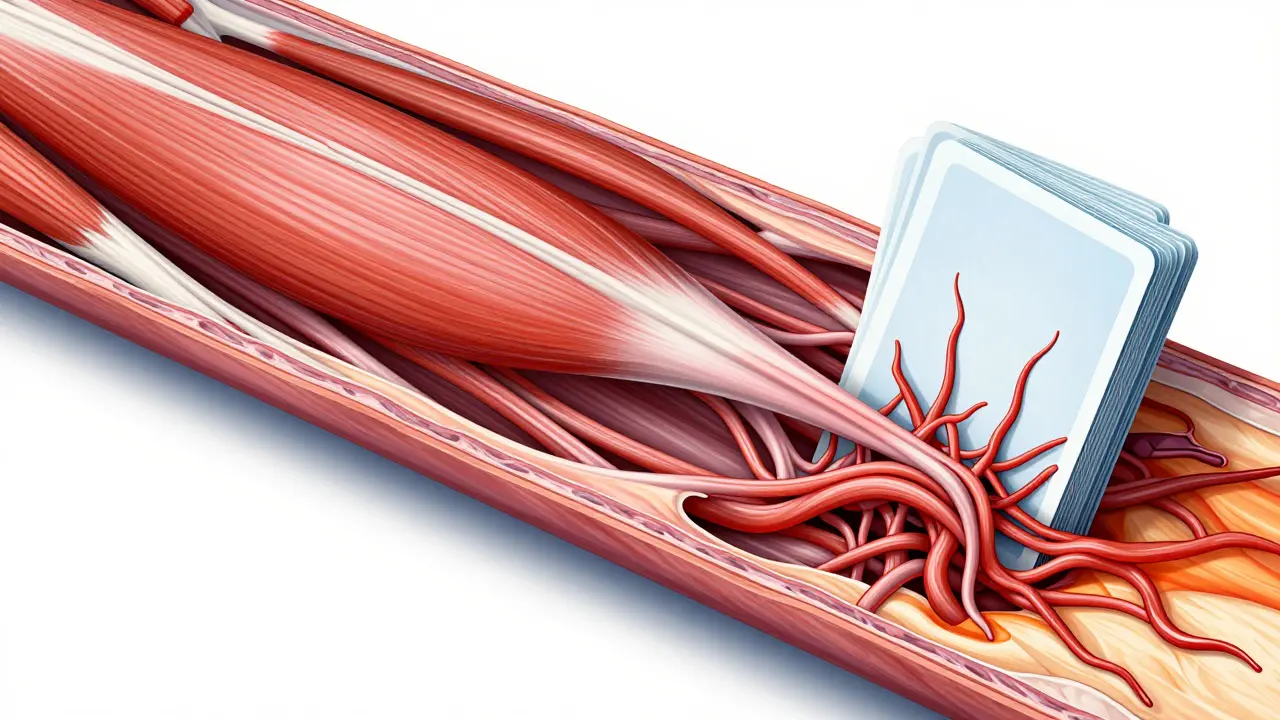
To understand why this method works, you first need to look at what happens inside your body during movement and injury. Your muscles are made of bundles of fibers that run parallel to each other. When everything is healthy, these fibers slide smoothly against one another, allowing for full range of motion. But life isn’t always smooth. Trauma, poor posture, or repetitive strain causes these fibers to stick together. These sticky spots are called adhesions or scar tissue.
Cross Fibre Release is a manual therapy technique that applies pressure perpendicular to the direction of muscle fibers to break down adhesions and realign tissue structure.
Traditional massage often involves long, gliding strokes known as effleurage. While relaxing, these strokes follow the grain of the muscle. They don’t necessarily separate fibers that have fused together due to injury. Cross fibre techniques work differently. Imagine a deck of cards. If you glue them together, sliding your hand along the top won’t separate them. You need to apply pressure from the side to peel them apart. That is the core principle here. Therapists use their thumbs, elbows, or specialized tools to press directly across the affected area, creating friction and heat that encourages the tissue to remodel correctly.
The Science Behind the Sensation
You might wonder why this feels different-and sometimes more intense-than a regular massage. The sensation comes from the mechanical disruption of collagen cross-links. Collagen is the primary protein in connective tissue. After an injury, the body lays down collagen quickly to repair damage. Often, this process is hasty, resulting in disorganized, chaotic tissue rather than strong, aligned fibers.
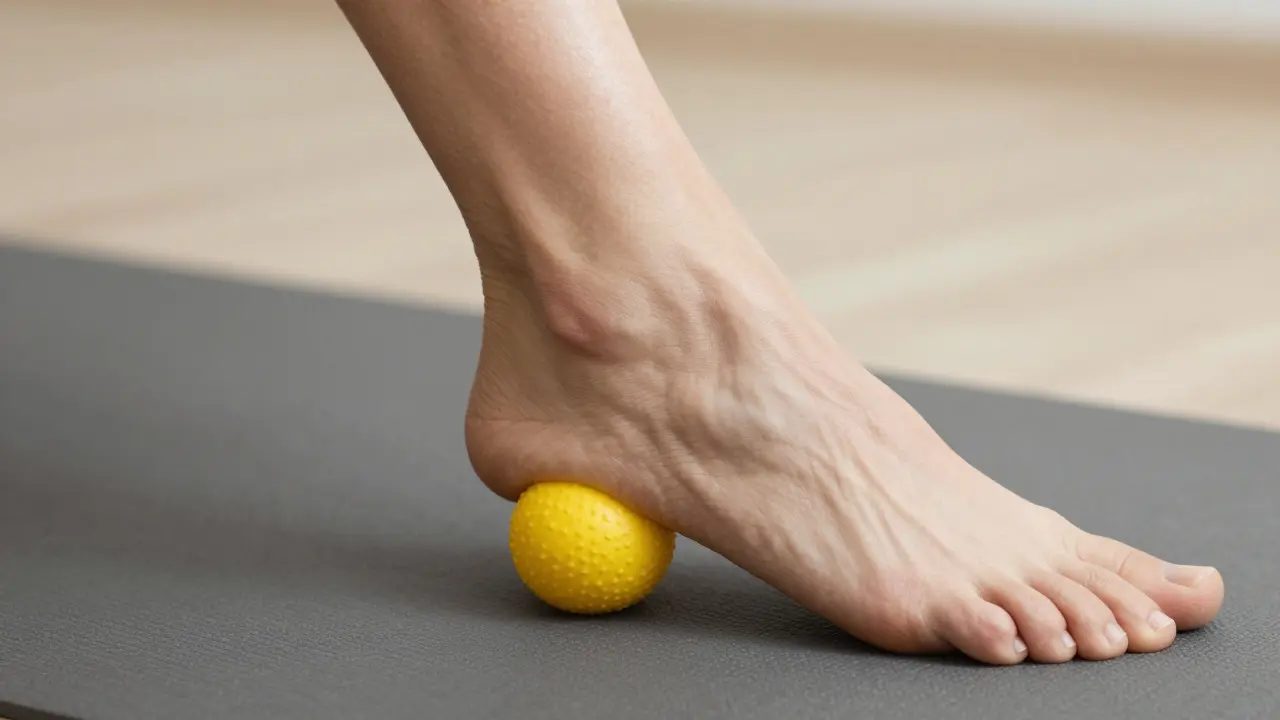
When a therapist applies cross-fiber pressure, they are physically stressing these disorganized fibers. This stress triggers a biological response. The body perceives the controlled trauma as a need for further remodeling. New cells, specifically fibroblasts, migrate to the area to lay down fresh, organized collagen. This process, known as mechanotransduction, turns physical force into cellular action. It’s not just about feeling good in the moment; it’s about restructuring the tissue for long-term strength and flexibility.
Research in sports medicine has shown that tissues treated with cross-fiber friction heal with greater tensile strength compared to those left untreated. This means your tendons and ligaments aren’t just less painful; they are actually stronger and less prone to re-injury. This is crucial for athletes and active individuals who rely on peak performance.
Who Benefits Most From This Technique?
This method isn’t a one-size-fits-all solution, but it shines in specific scenarios. If you fall into any of these categories, cross fibre release could be transformative:
- Athletes with Overuse Injuries: Runners with shin splints, cyclists with knee pain, or swimmers with shoulder impingement often suffer from micro-tears that lead to adhesion formation. Breaking these up restores proper biomechanics.
- Office Workers with Postural Issues: Hours spent hunched over a keyboard cause the chest muscles to shorten and the upper back muscles to lengthen and weaken. Adhesions form in the pectorals and trapezius, leading to neck and shoulder pain.
- Post-Surgical Patients: Surgery creates significant scar tissue. Without intervention, this scar tissue can restrict movement and cause chronic pain. Cross-fiber techniques help organize the healing tissue.
- Individuals with Chronic Tendinopathy: Conditions like tennis elbow or Achilles tendonitis involve degeneration of the tendon. Traditional rest often fails because the degenerated tissue remains disorganized. Active remodeling through cross-fiber pressure can reverse this degeneration.
Cross Fibre Release vs. Traditional Massage
It’s easy to confuse various soft tissue therapies. Understanding the differences helps you choose the right treatment for your needs. Here is how cross fibre release stacks up against other common methods:
| Technique | Primary Goal | Motion Direction | Best For |
|---|---|---|---|
| Swedish Massage | Relaxation & Circulation | With the grain (longitudinal) | Stress relief, general wellness |
| Deep Tissue Massage | Release Chronic Tension | Mixed, often longitudinal | General muscle tightness |
| Myofascial Release | Fascia Stretching | Sustained stretch | Systemic fascial restrictions |
| Cross Fibre Release | Break Adhesions | Across the grain (perpendicular) | Tendon injuries, scar tissue, localized pain |
Notice that while Swedish massage promotes relaxation through increased blood flow, cross fibre release is a rehabilitative tool. It targets specific problem areas rather than providing a full-body experience. You might combine both in a single session-starting with cross fibre work to address the root cause, followed by lighter strokes to soothe the area.
How the Treatment Works: A Step-by-Step Guide
If you decide to try this therapy, knowing what to expect can reduce anxiety. The process is methodical and precise.
- Assessment: The therapist will move your joint through its range of motion to identify where the restriction lies. They may palpate (touch) the area to feel for knots, thickening, or temperature changes in the tissue.
- Positioning: You will be positioned so the target muscle is accessible. Sometimes slight tension is applied to the muscle to make the fibers taut, making them easier to work on.
- Application of Pressure: Using a thumb, knuckle, or elbow, the therapist applies firm pressure directly across the fiber direction. This is not a quick rub; it is a sustained, deep pressure held for several seconds.
- Movement: The therapist may move their hand slightly back and forth while maintaining pressure, or they may hold the position static while you actively move the joint. This combination ensures the fibers are being manipulated dynamically.
- Integration: After the intense work, the therapist usually finishes with gentle stretching or light stroking to help the nervous system relax and integrate the new tissue alignment.
During the treatment, you might feel a burning sensation or sharp discomfort. This is normal. It indicates that the therapist is hitting the restricted area. Communicate openly with your provider. Pain should be manageable-not excruciating. The goal is therapeutic stress, not injury.
Can You Do It Yourself?
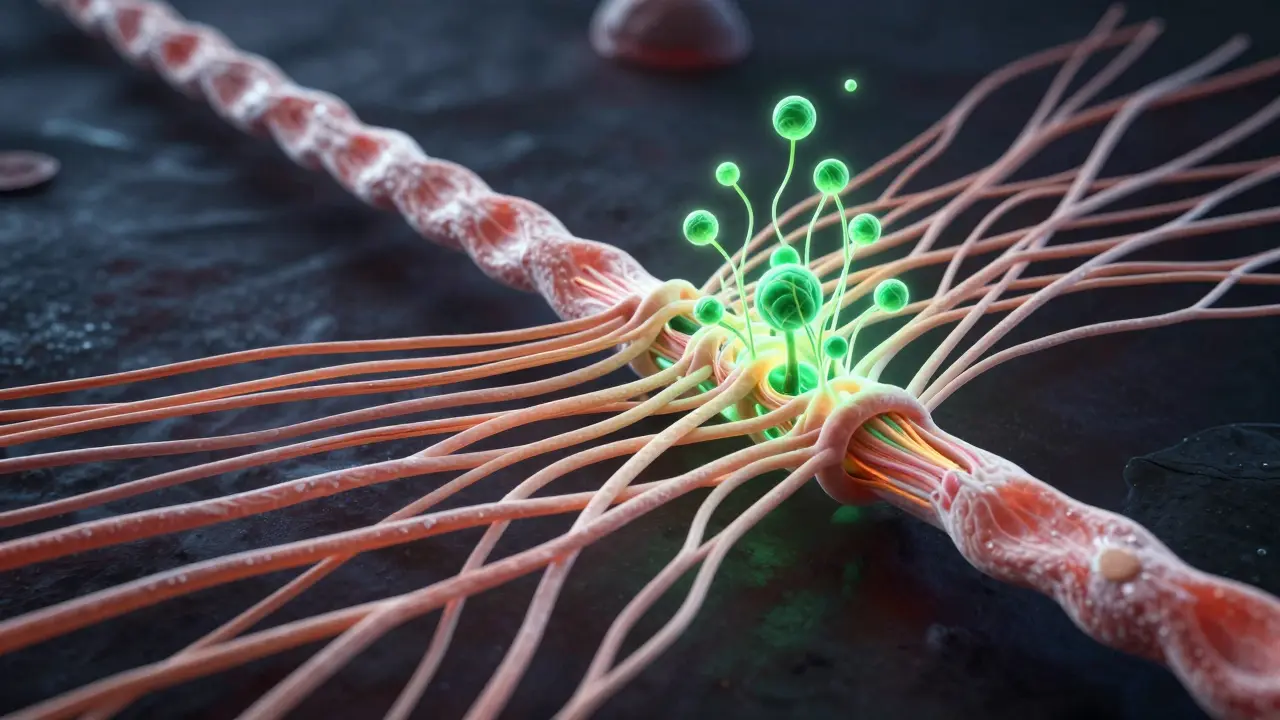
Yes, self-administered cross fibre release is possible and highly effective for maintenance. However, caution is key. Working on yourself lacks the objectivity of a professional, so you must be gentle.
Tools like foam rollers, lacrosse balls, or even your own hands can be used. For example, if you have tightness in your calf:
- Sit on the floor with your leg extended.
- Place a lacrosse ball under the center of your calf muscle.
- Instead of rolling up and down (with the grain), rotate your ankle slowly in circles while keeping the ball stationary. This moves the muscle fibers underneath the ball in a circular pattern, effectively working across the grain.
- Hold for 30-60 seconds until you feel the tension release.
For larger areas like the back, a foam roller can be used similarly. Position the roller perpendicular to your spine and roll side-to-side rather than up-and-down. This engages the latissimus dorsi and erector spinae muscles from a different angle, breaking up lateral adhesions.
Pitfalls and Precautions
While beneficial, this technique is not suitable for everyone or every situation. Avoid cross fibre release if you have:
- Acute Inflammation: If an injury is fresh (within 48 hours) and swollen, adding friction can worsen inflammation. Rest and ice are better initial treatments.
- Blood Clots: Deep pressure near veins with potential clots (DVT) is dangerous. Never work on legs with unexplained swelling or redness without medical clearance.
- Open Wounds or Infections: Do not apply pressure over broken skin or infected areas.
- Osteoporosis: Excessive pressure on bones or near bone structures can increase fracture risk in individuals with low bone density.
Always consult with a healthcare provider before starting any new physical therapy regimen, especially if you have underlying health conditions.
Integrating Into Your Wellness Routine
Cross fibre release is most effective when combined with other practices. Think of it as part of a holistic strategy. After breaking up adhesions, the tissue needs to be strengthened and stretched to maintain the new alignment. Incorporate dynamic stretching and resistance training into your routine. This signals to your body that the newly organized fibers are needed for function, encouraging them to stay strong and flexible.
Hydration also plays a critical role. Fascia is composed largely of water. Dehydrated tissue is sticky and prone to adhesion. Drinking enough water supports the viscoelastic properties of your connective tissue, making it more responsive to therapy.
Does cross fibre release hurt?
It can be uncomfortable. You may feel a deep ache or burning sensation as the therapist works on adhesions. However, it should not be unbearable. Effective communication with your therapist is essential to ensure the pressure remains within a therapeutic range.
How many sessions do I need?
The number of sessions varies based on the severity and chronicity of the issue. Acute issues may resolve in 1-3 sessions, while chronic conditions might require 6-10 sessions spaced out over several weeks. Maintenance sessions every few months can prevent recurrence.
Is cross fibre release the same as deep tissue massage?
No. While both involve deep pressure, deep tissue massage generally follows the muscle grain to release tension. Cross fibre release specifically works perpendicular to the grain to break down scar tissue and adhesions. The intent and technique are distinct.
Can I do cross fibre release at home?
Yes, using tools like foam rollers, lacrosse balls, or your own hands. Focus on gentle, controlled movements across the grain. Avoid excessive force to prevent bruising or irritation. Self-treatment is best for maintenance rather than acute rehabilitation.
What are the best areas to treat with this technique?
Common areas include the calves, hamstrings, quadriceps, shoulders, and lower back. These regions are prone to adhesion formation due to high usage or postural stress. Tendons around joints, such as the Achilles or patellar tendon, also benefit significantly.