
Knife Massage: The Ultimate Stress-Busting Technique
 May, 17 2026
Imagine scraping a stone or metal tool across your skin to relieve tension. It sounds painful, maybe even dangerous. But this is exactly what happens during knife massage, also known as Gua Sha or instrument-assisted soft tissue mobilization (IASTM). This ancient technique has moved from traditional Chinese medicine clinics to modern wellness studios, promising deep relaxation and stress reduction.
You might be wondering how something that looks like scraping can help you relax. The secret lies in the pressure. When done correctly, knife massage doesn't hurt-it releases trapped tension in your muscles and fascia. This release triggers your nervous system to shift from a stressed state to a calm one. Let's look at why this technique works and how it can change your daily well-being.
What Is Knife Massage?
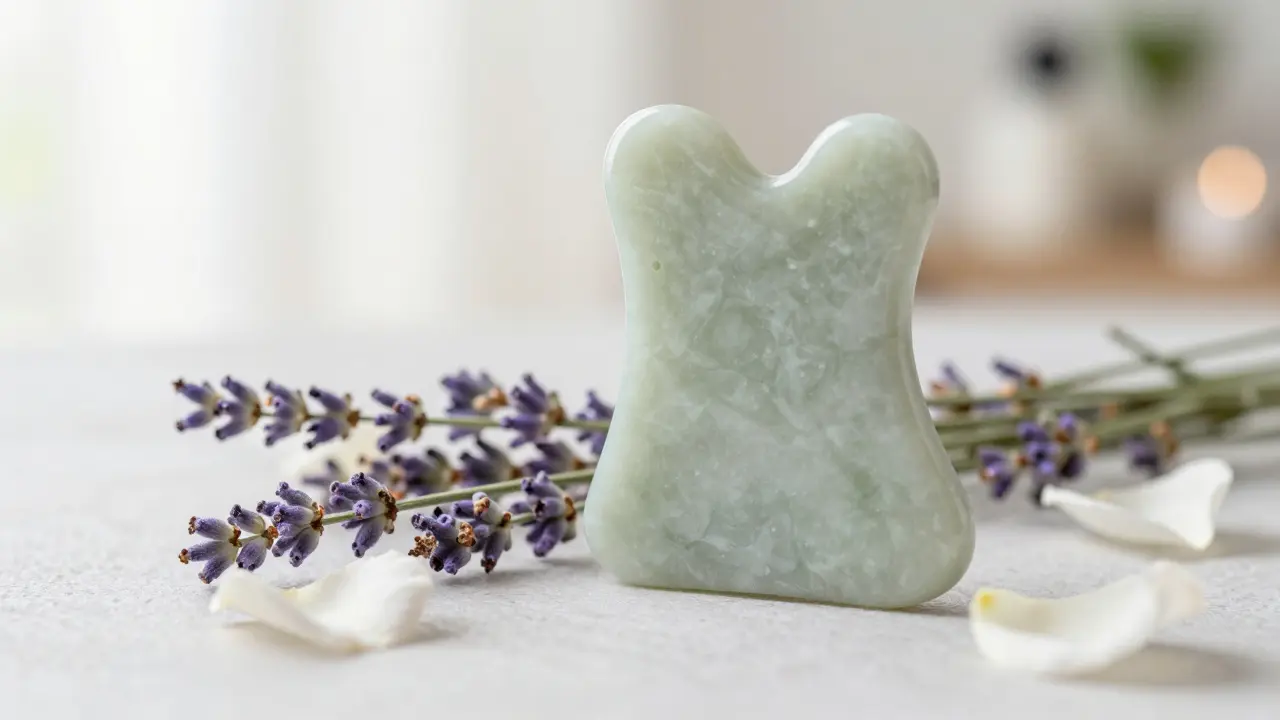
Gua Sha translates to "scraping sand" or "scraping off the rash." It originated in China over 2,000 years ago. Practitioners use smooth-edged tools made of jade, rose quartz, stainless steel, or horn. They glide these tools over lubricated skin to improve circulation and reduce inflammation.
In the West, this technique evolved into Instrument-Assisted Soft Tissue Mobilization (IASTM). Physical therapists and sports medicine professionals use specialized metal tools with different edges. These tools target specific muscle knots and scar tissue more precisely than hands alone. Whether you call it Gua Sha or IASTM, the goal remains the same: break up adhesions and promote healing.
| Feature | Traditional Gua Sha | Modern IASTM |
|---|---|---|
| Tools Used | Jade, Quartz, Horn | Stainless Steel, Titanium |
| Primary Goal | Energetic Balance, Relaxation | Tissue Repair, Pain Relief |
| Pressure Level | Gentle to Moderate | Moderate to Deep |
| Visual Result | Red Marks (Sha) | Minimal Marking |
| Best For | Facial Contouring, Stress Relief | Sports Injuries, Chronic Pain |
How Knife Massage Reduces Stress
Stress isn't just in your head; it lives in your body. When you're anxious, your muscles tighten. Your shoulders hunch, your jaw clenches, and your neck becomes rigid. Over time, this creates chronic tension that feeds back into your brain, keeping you in a state of alertness.
Knife massage interrupts this cycle. The rhythmic scraping motion stimulates mechanoreceptors in your skin. These receptors send signals to your brain that override pain and tension signals. This process activates the parasympathetic nervous system-the part responsible for rest and digestion. You feel calmer almost immediately after the session.
The technique also increases blood flow to the treated area. Better circulation means more oxygen reaches your tissues. This helps flush out metabolic waste products like lactic acid. As your muscles relax, your mind follows suit. Many people report feeling lighter and more focused after a treatment.
Key Areas for Stress Relief
You don't need to treat your whole body to get benefits. Focusing on high-tension zones yields the best results for stress management. Here are the top areas to target:
- Neck and Shoulders: This area carries most of our daily stress. Tight trapezius muscles restrict movement and cause headaches. Gentle strokes along the neck and shoulder blades release this burden.
- Jaw and Face: Clenching your teeth creates tension headaches. Using a small Gua Sha tool on your jawline and temples can ease this pressure. It also improves facial circulation, giving you a natural glow.
- Upper Back: Between the shoulder blades lies the rhomboid muscle group. Tension here often stems from poor posture. Scraping this area opens up your chest and improves breathing.
- Feet: Reflexology points in the feet connect to various organs. Massaging the arches and heels with a curved tool can ground you and reduce overall anxiety.
Tools of the Trade
Choosing the right tool matters. Different materials and shapes serve different purposes. Here’s what you need to know:
Jade and Rose Quartz stones are popular for facial treatments. They stay cool against the skin, which reduces puffiness. Their smooth surfaces are gentle on delicate facial skin. These tools are ideal for self-care routines aimed at relaxation.
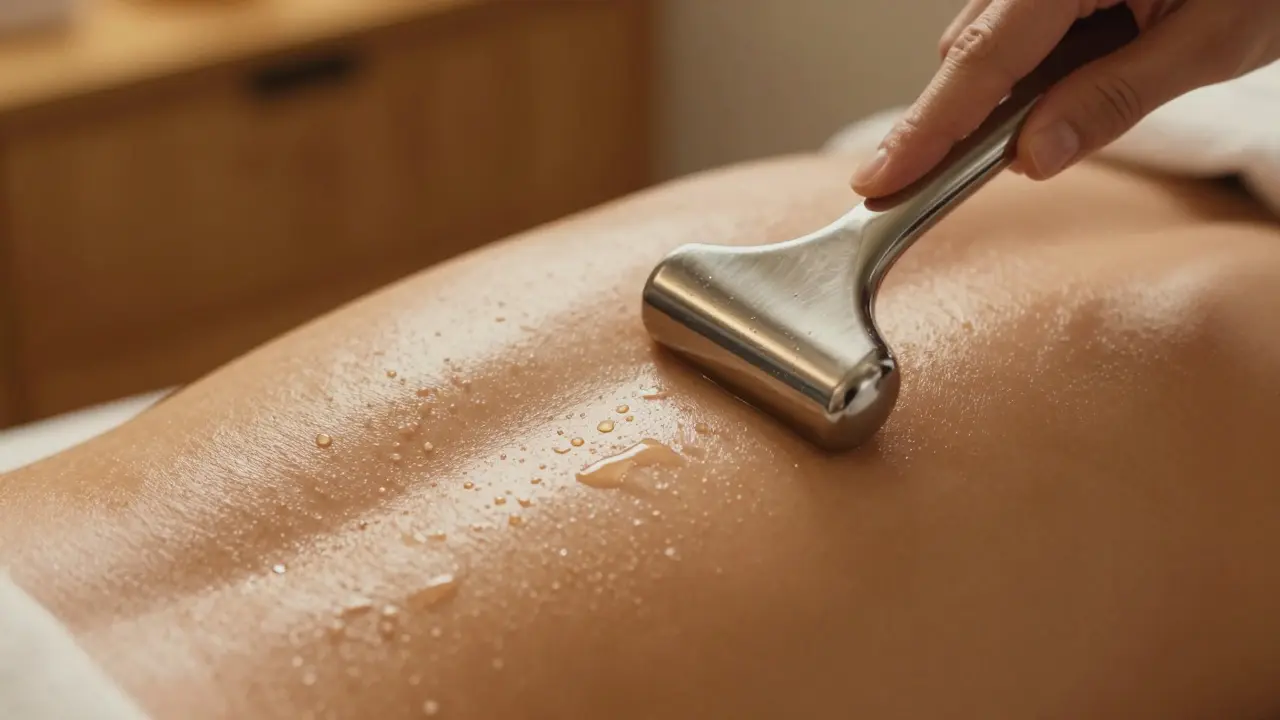
Stainless Steel tools are standard for body work. They are durable and conduct heat well. If you apply warm oil, the metal stays warm, helping muscles relax deeper. Professionals prefer these for their precision and ability to reach deeper tissue layers.
Bovine Horn is a traditional choice. It has a natural flexibility that some practitioners prefer. It doesn't conduct heat or cold as much as metal or stone, maintaining a neutral temperature. This makes it suitable for sensitive skin types.
Step-by-Step Guide to Self-Massage
You can perform basic knife massage at home. Safety is key-never scrape dry skin or use excessive force. Follow these steps for a safe and effective session:
- Prepare Your Skin: Apply a generous amount of massage oil or lotion. The tool must glide smoothly. Friction causes irritation, not relief.
- Choose Your Tool: Start with a smooth-edged Gua Sha stone for face and neck. Use a metal IASTM tool for larger muscle groups like the back or legs.
- Set the Angle: Hold the tool at a 15 to 30-degree angle against your skin. A flat angle is too blunt; a steep angle digs in too hard.
- Apply Gentle Pressure: Press lightly. You should feel a firm tug, not sharp pain. If it hurts, reduce pressure or stop.
- Stroke in One Direction: Move the tool away from your heart or toward lymph nodes. For the face, stroke upward and outward. For the body, stroke downward toward the heart.
- Repeat 5-10 Times: Focus on one area for a few minutes. Don't rush. Slow, deliberate movements enhance relaxation.
- Hydrate: Drink water after your session. This helps your body flush out toxins released by the increased circulation.
Safety Precautions and Contraindications
While knife massage is generally safe, it isn't for everyone. Avoid this technique if you have certain medical conditions. Consult your doctor before trying it if you fall into any of these categories:
- Blood Clotting Disorders: If you take blood thinners or have hemophilia, scraping can cause bruising or bleeding.
- Skin Conditions: Do not use tools on open wounds, rashes, sunburns, or active acne. This can spread infection or worsen inflammation.
- Pregnancy: Avoid deep tissue work on the abdomen and lower back. Some acupressure points triggered by scraping may induce labor.
- Osteoporosis: Fragile bones can fracture under pressure. Stick to very gentle superficial strokes or avoid bony areas entirely.
- Varicose Veins: Never scrape directly over varicose veins. This can damage the vessels and cause complications.
If you experience dizziness, nausea, or excessive bruising, stop immediately. These signs indicate you applied too much pressure or the technique isn't suitable for your current health status.
Combining Knife Massage with Other Therapies
Knife massage works well alongside other wellness practices. Integrating it into a broader routine enhances its effects. Consider pairing it with:
Acupuncture complements Gua Sha perfectly. Both stem from traditional Chinese medicine. Acupuncture targets specific energy points with needles, while Gua Sha treats broader areas. Together, they provide comprehensive relief for chronic pain and stress.
Yoga and stretching benefit from pre-session knife massage. Loosening tight muscles beforehand allows for deeper poses and better alignment. Post-yoga scraping helps recover faster by reducing soreness.
Aromatherapy adds another layer of relaxation. Mixing essential oils like lavender or chamomile into your massage oil engages your sense of smell. This dual sensory input amplifies the calming effect on your nervous system.
Does knife massage leave marks?
Yes, traditional Gua Sha often leaves red marks called "sha." These are broken capillaries and usually fade within 2-4 days. Modern IASTM aims for minimal marking. If you dislike visible marks, use lighter pressure or choose a professional who focuses on subtle techniques.
Can I do knife massage every day?
For facial Gua Sha, daily use is fine and beneficial. For body IASTM, limit sessions to 2-3 times per week. Your tissues need time to heal and adapt. Overdoing it can lead to inflammation instead of relief.
Is knife massage painful?
It should not be painful. You might feel a strong sensation or mild discomfort, especially in tight areas. Sharp pain means you're pressing too hard. Communicate with your therapist or adjust your pressure when doing it yourself.
What oil should I use for knife massage?
Use any slippery carrier oil like jojoba, almond, or coconut oil. Add essential oils for aromatherapy benefits. Avoid lotions that absorb quickly, as they create friction. The goal is smooth gliding without tugging the skin.
How long does a typical session last?
A full-body IASTM session lasts 60-90 minutes. Facial Gua Sha takes about 10-15 minutes. Targeted stress relief on the neck and shoulders can be done in 20 minutes. Consistency matters more than duration.