
Fire Massage: How Heat Therapy Boosts Circulation and Relieves Pain
 Aug, 4 2026
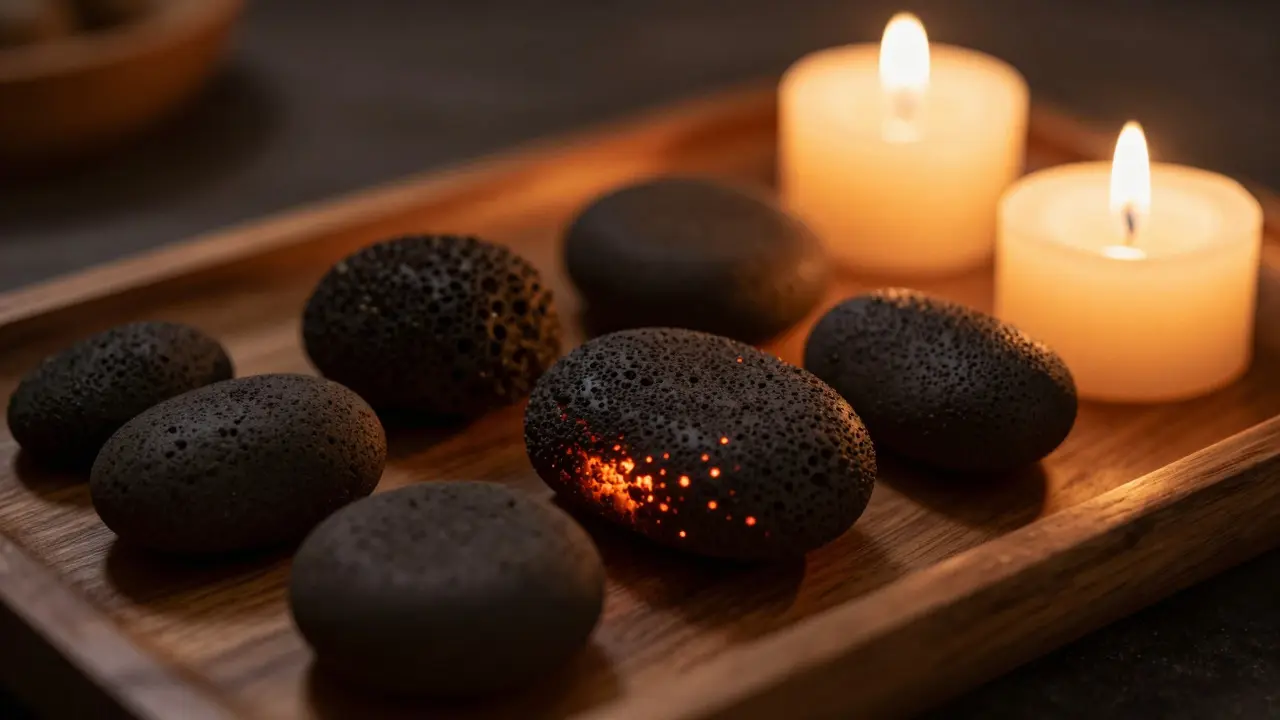
Imagine a therapist gliding a candle-warmed stone over your back. It sounds intense, maybe even scary, but for thousands of people, this is the start of deep relaxation. This technique is known as fire massage, or more accurately, hot stone massage with fire elements. It’s not about burning skin; it’s about using controlled heat to unlock tight muscles and improve blood flow.
If you’ve ever struggled with chronic tension or stiff joints, you might be wondering if this therapy is right for you. The short answer is yes, but only if done by a certified professional. Let’s break down exactly what happens during a session, why the heat works so well on your body, and how to find a safe practitioner in your area.
What Exactly Is Fire Massage?
Fire massage is a therapeutic bodywork technique that uses heated stones, candles, or warm oils to treat muscle tension and promote relaxation. It belongs to the broader category of heat therapy and shares roots with ancient practices from China and India.
The term "fire" can be misleading. You aren’t getting burned. Instead, therapists use open flames to heat basalt stones or warm essential oils before applying them to your body. Basalt is a volcanic rock that holds heat exceptionally well. When these warm tools touch your skin, they penetrate deeper than standard hands-only massage.
There are two main styles you’ll encounter:
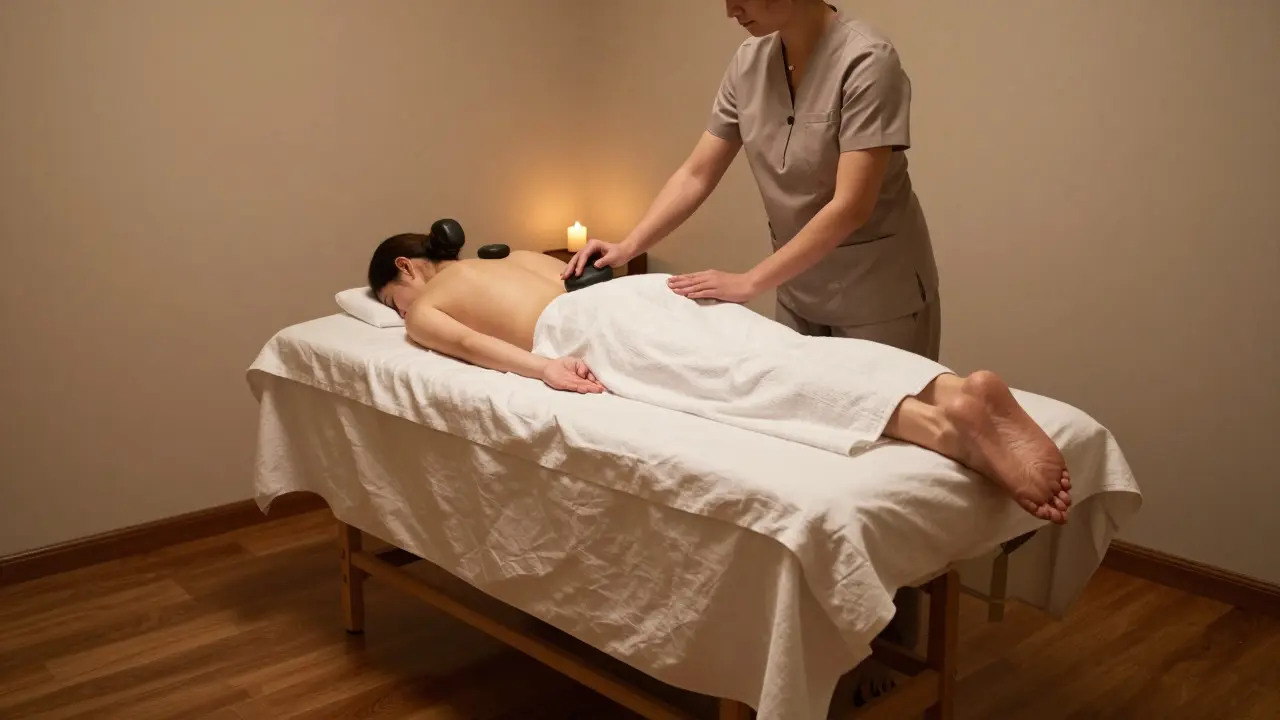
- Hot Stone Massage: Stones are placed on key points (like between shoulder blades) or used as an extension of the therapist’s hand to glide over muscles.
- Candle Massage: A special oil-filled candle is lit. As the wax melts into warm oil, the therapist pours it directly onto the skin and massages it in. This combines hydration with heat.
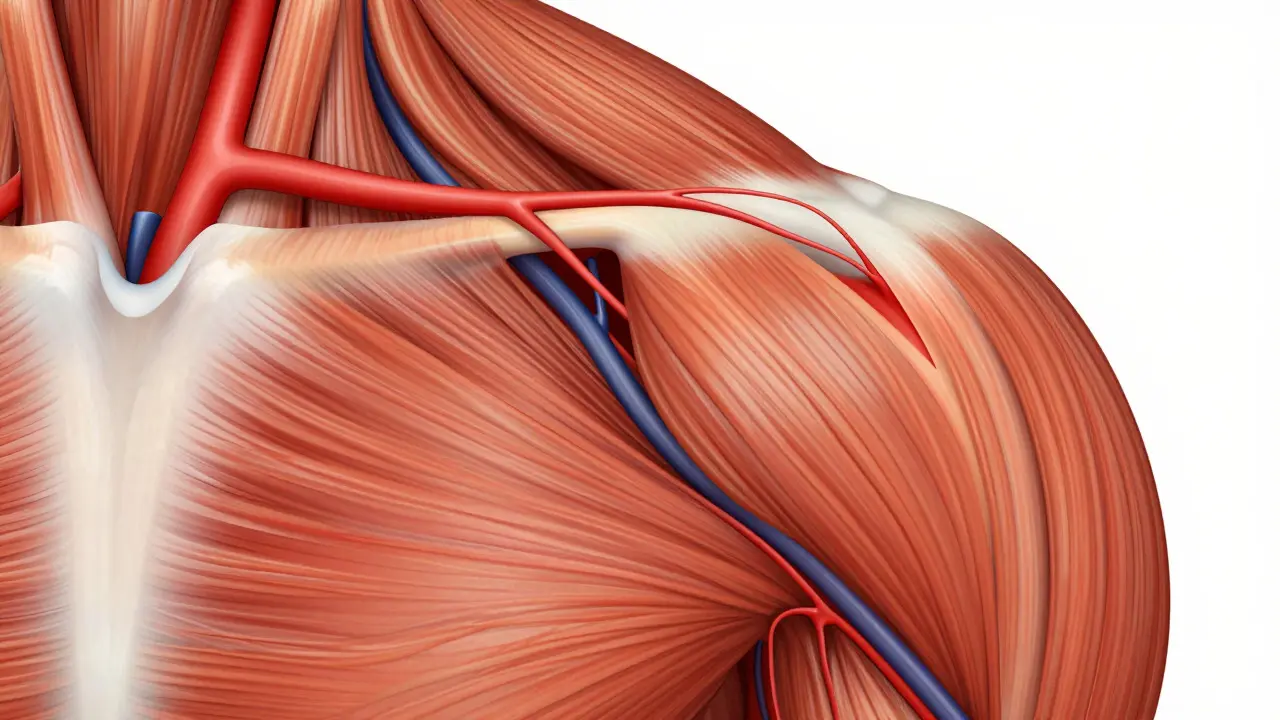
Both methods rely on the same principle: heat causes vasodilation. That’s a fancy word for widening blood vessels. When vessels widen, more oxygen-rich blood reaches tired tissues. This speeds up recovery and reduces stiffness.
Why Heat Works Better Than Cold for Muscle Tension
You might think ice packs are better for pain, but that depends on the type of pain. Ice is great for acute injuries-like a sprained ankle from yesterday. But for chronic issues, like lower back pain that’s been bothering you for months, heat is superior.
Here’s why. Chronic tension often involves restricted blood flow. Muscles become starved of oxygen, leading to knots and trigger points. Applying heat acts like a signal to your body to relax. It lowers the firing rate of nerve endings that send pain signals to your brain. At the same time, it increases the elasticity of connective tissue.
Think of it like stretching a rubber band. A cold rubber band is stiff and snaps easily. A warm one stretches smoothly. Fire massage warms up those "rubber bands" in your fascia-the connective tissue wrapping your muscles-making them pliable and easier to work out.
| Feature | Heat Therapy (Fire Massage) | Cold Therapy (Ice Packs) |
|---|---|---|
| Best For | Chronic tension, stiffness, arthritis | Acute injury, swelling, inflammation |
| Blood Flow | Increases circulation | Decreases circulation |
| Muscle Effect | Relaxes and loosens | Numbs and constricts |
| Pain Type | Dull, aching, long-term | Sharp, sudden, new |
Key Benefits Beyond Relaxation
While feeling relaxed is obvious, fire massage offers specific physiological benefits that go beyond just unwinding after a long day.
Improved Circulation is the primary gain. Better blood flow means faster removal of metabolic waste products like lactic acid. If you’re an athlete, this can significantly reduce soreness after a workout. For non-athletes, it helps maintain healthy joint mobility.
Lymphatic Drainage also gets a boost. The lymph system doesn’t have a pump like the heart; it relies on movement and pressure to move fluid. The rhythmic pressure of hot stones encourages lymph flow, which supports immune function and reduces bloating.
Sleep Quality improves because the therapy activates the parasympathetic nervous system. This is your "rest and digest" mode. Lower cortisol levels and increased serotonin create a state conducive to deep sleep. Many clients report sleeping longer and waking up less frequently after their first session.
Who Should Avoid Fire Massage?
Not everyone is a candidate for high-heat therapy. Safety is paramount. You should skip fire massage if you have any of the following conditions:
- Open Wounds or Infections: Heat can spread bacteria and irritate healing skin.
- Deep Vein Thrombosis (DVT): Increased circulation could dislodge a clot, which is dangerous.
- Pregnancy: Especially in the first trimester, excessive heat can raise core body temperature too much.
- Diabetes with Neuropathy: Reduced sensation means you might not feel if a stone is too hot, risking burns.
- Cancer or Autoimmune Diseases: Always consult your doctor first, as heat can sometimes exacerbate symptoms.
If you have sensitive skin or eczema, let your therapist know. They can adjust the temperature or use a towel barrier to protect your skin.
How to Prepare for Your Session
To get the most out of your fire massage, preparation matters. Here’s a simple checklist to follow:
- Hydrate Well: Drink plenty of water 24 hours before your appointment. Hydration helps flush toxins released during the massage.
- Avoid Heavy Meals: Eat light at least an hour before. Lying face down on a full stomach is uncomfortable.
- Communicate Temperature: Tell your therapist immediately if anything feels too hot. "Warm" is good; "burning" is bad.
- Wear Comfortable Clothes: Dress in layers so you can adjust easily after the session when you leave the clinic.
During the session, focus on your breathing. Deep breaths help your muscles accept the heat and pressure. Don’t hold your breath if you feel tension.
Finding a Qualified Practitioner
Not all spas offer true fire massage. Some might just use warm towels and call it that. To ensure safety and effectiveness, look for specific credentials.
Check if the therapist is licensed in your province or state. In Canada, for example, massage therapists must be registered with the College of Massage Therapists of Ontario (CMTO) if they practice medical massage. For holistic fire massage, look for certifications in Hot Stone Therapy from reputable organizations like the National Certification Board for Therapeutic Massage & Bodywork (NCBTMB).
Ask questions before booking:
- "Do you use basalt stones or other materials?"
- "How do you control the temperature?"
- "Are you trained in contraindications for heat therapy?"
A good therapist will welcome these questions. They should explain their process clearly and make you feel safe.
Aftercare: Maximizing the Benefits
Your work isn’t done when you leave the table. What you do next determines how long the relief lasts.
Keep Moving Gently: Avoid heavy lifting or intense exercise for 24 hours. Gentle walking or stretching is perfect. This keeps the blood flowing without straining newly relaxed muscles.
Continue Hydrating: Drink another large glass of water immediately after. Continue sipping water throughout the day.
Rest: You might feel sleepy. Listen to your body. Take a nap if you can. Your body is repairing itself.
Monitor Sensations: It’s normal to feel slightly sore the next day, similar to post-workout ache. However, if you experience redness, blisters, or sharp pain, contact your therapist or doctor.
Cost and Frequency Considerations
Fire massage typically costs more than a standard Swedish massage due to the specialized equipment and training required. In major cities like Toronto, expect to pay between $100 and $150 CAD for a 60-minute session.
How often should you go? For chronic pain, weekly sessions for four weeks can break the cycle of tension. For maintenance, once a month is sufficient. If you’re using it for stress relief, bi-weekly visits work well for many people.
Don’t view it as a luxury expense. Think of it as preventative healthcare. Regular treatment can reduce reliance on painkillers and physical therapy interventions.
Does fire massage hurt?
No, it should not hurt. The heat is soothing, and the pressure is adjusted to your comfort level. If you feel pain, tell your therapist immediately. Discomfort might occur if working on very tight knots, but it should be manageable, not sharp.
Can I get a fire massage if I have sensitive skin?
Yes, but communicate this beforehand. Therapists can place a thin towel between the hot stone and your skin. They can also use lower temperatures or shorter application times to prevent irritation.
How long does the effect last?
Most people feel relaxed for several days. Pain relief can last from a few days to a week, depending on the severity of your condition and your lifestyle. Regular sessions extend the duration of benefits.
Is fire massage covered by insurance?
It varies by provider and plan. In Canada, some extended health plans cover massage therapy if performed by a registered RMT. Check with your insurer to see if "hot stone" or "therapeutic massage" is included under your benefits.
What is the difference between fire massage and regular massage?
Regular massage uses hands and oils. Fire massage incorporates external heat sources like stones or candles. This allows for deeper penetration into muscle tissue and enhanced relaxation effects compared to manual techniques alone.