

Shiatsu Massage: How It Relieves Stress, Tension, and Pain Naturally
Discover how Shiatsu massage relieves stress and tension by balancing energy flow. Learn the benefits, what to expect, and self-care tips for natural healing.
Read MoreEver had a therapist press a spot and it felt like a switch flipped? That’s a common Shiatsu moment. Shiatsu comes from Japan and uses thumbs, palms, and sometimes knees and elbows to apply steady pressure along energy pathways. The goal isn’t just to knead muscle — it’s to restore balance so your whole body works better.
Sessions usually take place on a mat or table with you fully clothed. The pressure ranges from gentle to firm, and therapists mix holds, stretches, and rhythmic pushes. Some parts can feel intense, but many people leave walking straighter, breathing easier, and thinking clearer.
Shiatsu blends traditional acupressure ideas with modern bodywork. Practitioners target specific points to ease pain, boost circulation, and calm the nervous system. Typical benefits include reduced neck and back pain, less stress and anxiety, improved sleep, and better joint mobility.
Athletes use Shiatsu for faster recovery and to keep flexibility after training. Office workers often report relief from headaches and shoulder tension. Seniors appreciate the gentle stretches that make daily movement easier. It’s not a miracle cure, but regular sessions can cut down flare-ups and make other therapies more effective.
Expect a 45–90 minute session. The therapist will ask about your health and what you want to change. Wear loose, comfortable clothes and avoid a heavy meal before your visit. During the session, speak up if pressure is too strong or if something feels sharp.
After a session, drink water and rest if you can. Your body may feel tender or sleepy for a few hours while it adjusts. Shiatsu is safe for most people but check with a doctor first if you’re pregnant, have uncontrolled high blood pressure, recent fractures, severe osteoporosis, deep vein thrombosis, or active infections.
Want a quick home tip? Press the web between thumb and index finger for 20–30 seconds to ease jaw and head tension. For low back tightness, use steady pressure with your thumbs along the muscles just outside the spine while taking slow breaths. These tiny moves help but don’t replace a full session.
Choosing a therapist matters. Look for certified Shiatsu training, read client reviews, and ask how they treat your specific issue. Prices vary by location and experience — expect a range from budget-friendly clinics to higher rates for experienced practitioners. Try one session, note how you feel over the next 48 hours, and decide if a short series (weekly or biweekly) suits you.
Shiatsu works best when paired with simple daily habits: short mobility drills, mindful breathing, and better posture at your desk. If you want steady change without harsh deep-tissue work, Shiatsu might be the practical, low-risk option you’ve been looking for.
Discover how Shiatsu massage relieves stress and tension by balancing energy flow. Learn the benefits, what to expect, and self-care tips for natural healing.
Read More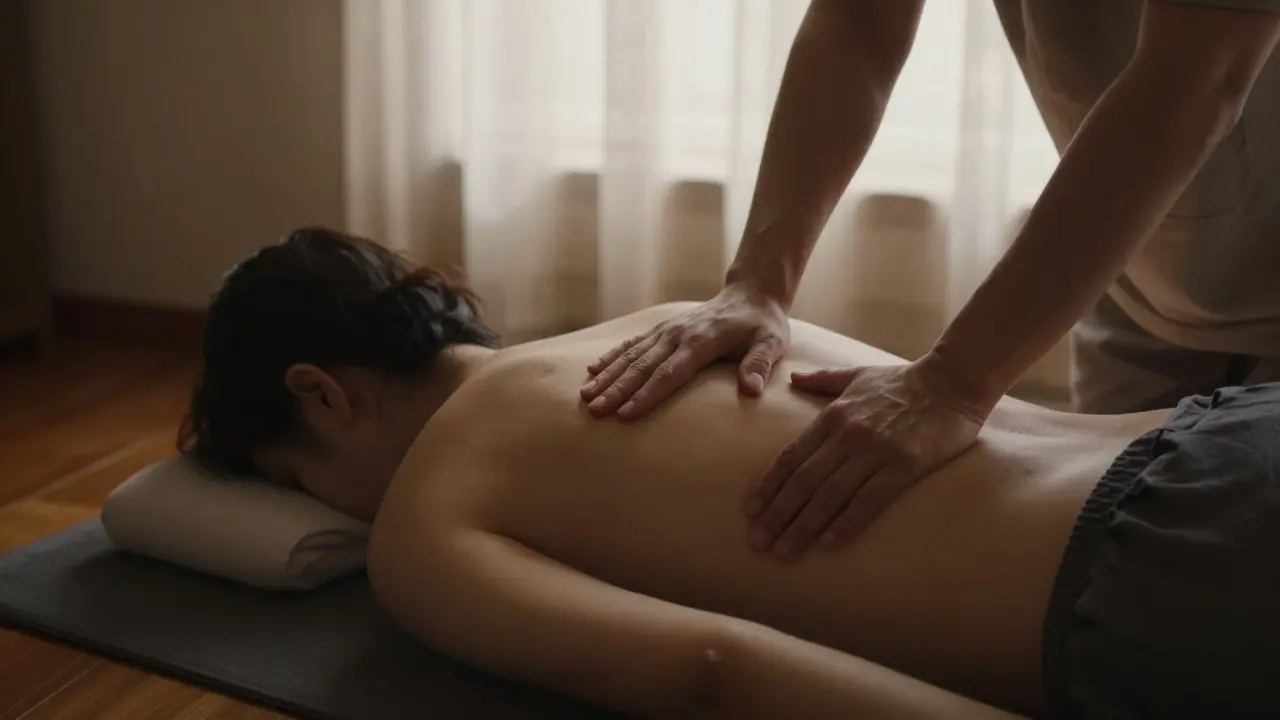
Shiatsu is a traditional Japanese pressure therapy that relieves stress, chronic pain, and tension by working along the body's energy pathways. Unlike regular massage, it uses deliberate finger pressure to restore balance and improve circulation. Proven effective for anxiety, insomnia, and headaches, it’s a gentle yet powerful form of holistic healing.
Read More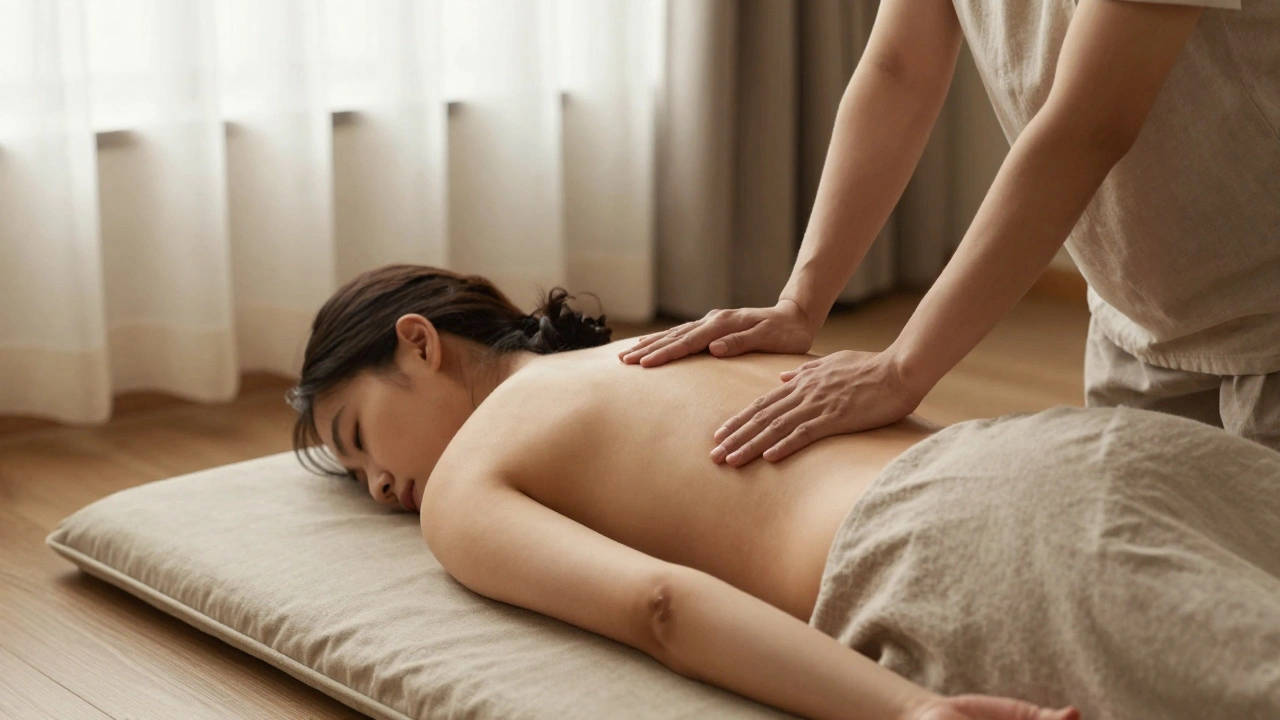
Shiatsu is a gentle, non-invasive therapy that reduces stress, relieves chronic pain, improves sleep, and boosts energy by balancing the body's energy flow. Backed by science and used worldwide, it’s a powerful tool for holistic wellness.
Read More