
Shiatsu Massage: How It Relieves Stress, Tension, and Pain Naturally
 May, 3 2026
You sit down after a long day, but your shoulders feel like they’re carrying the weight of the world. Your neck is stiff, your mind is racing, and nothing seems to help you unwind. You’ve tried stretching, maybe even a hot shower, but the tension just won’t let go. What if the solution wasn’t about forcing relaxation, but guiding your body back into balance through precise pressure?
That’s where Shiatsu comes in. Unlike standard massage that focuses on kneading muscles, Shiatsu is a Japanese therapeutic technique that applies rhythmic pressure to specific points along your body’s energy pathways. It’s not just a spa treatment; it’s a structured method for relieving physical tension and mental stress without drugs or surgery.
What Exactly Is Shiatsu?
Shiatsu (pronounced she-ah-tsoo) literally means “finger pressure.” It originated in Japan and draws from Traditional Chinese Medicine (TCM), specifically the concept of Qi (or Ki) flowing through meridians. When this flow is blocked or stagnant, it can lead to pain, fatigue, or emotional imbalance. A Shiatsu practitioner uses thumbs, palms, elbows, and sometimes knees to apply steady pressure to these blockages.
The key difference between Shiatsu and Western massage is the approach. While Swedish massage uses gliding strokes to relax surface muscles, Shiatsu targets deep tissue and energy centers. You’ll usually stay fully clothed during a session, lying on a mat on the floor rather than a raised table. This allows the practitioner to work with your entire body structure, including joints and posture, not just isolated muscle groups.
How Shiatsu Works on the Body
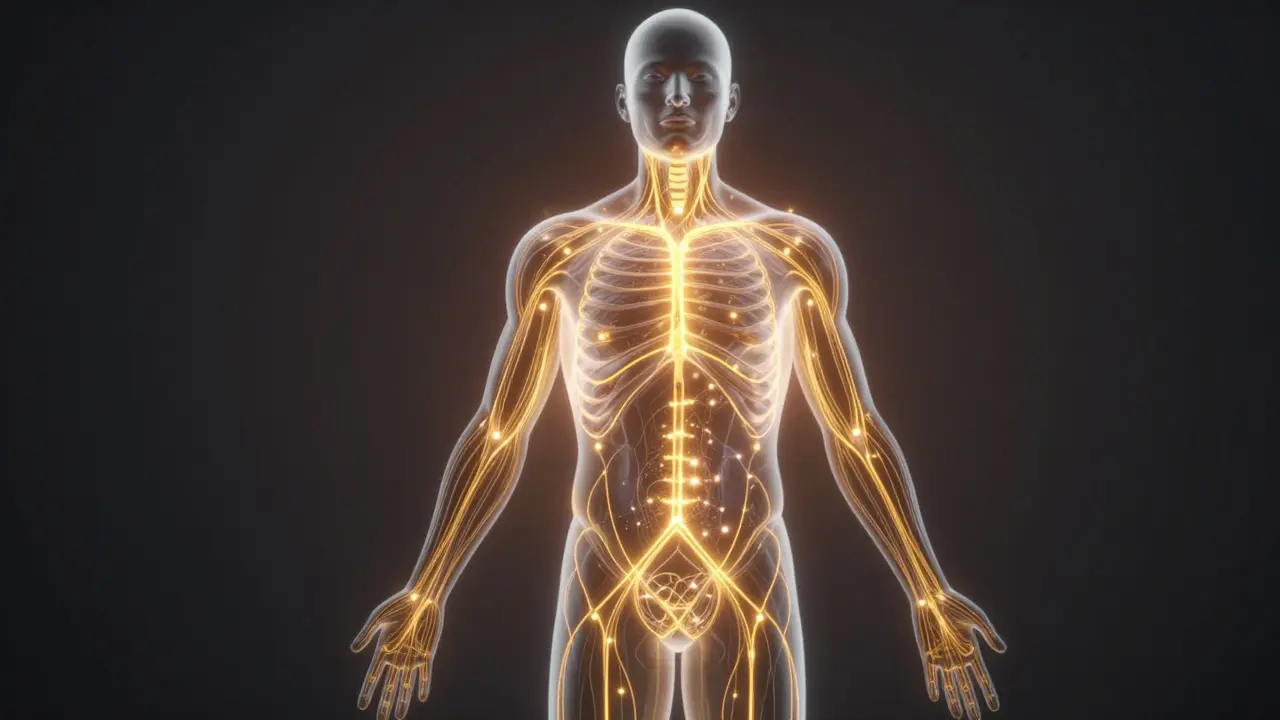
Your body has over 700 acupressure points connected by 12 main meridians. These pathways correspond to organs and systems-like the Liver meridian affecting anger and eye health, or the Spleen meridian influencing digestion and worry. When a Shiatsu therapist presses a point, they aren’t just relaxing a knot; they’re signaling your nervous system to reset.
Here’s what happens physiologically:
- Nervous System Shift: Pressure stimulates the parasympathetic nervous system, slowing your heart rate and lowering cortisol levels.
- Blood Flow Increase: Deep pressure improves circulation, delivering oxygen to tired tissues and flushing out metabolic waste like lactic acid.
- Muscle Release: Trigger points are deactivated, reducing referred pain (pain felt elsewhere from its source).
- Hormonal Balance: Regular sessions can boost endorphins and serotonin, improving mood naturally.
It’s not magic-it’s biology meeting ancient wisdom. The pressure triggers reflexes that tell your brain to stop tensing up.
Benefits Beyond Relaxation
People often book Shiatsu for back pain, but its benefits extend far beyond the spine. Here’s what regular practitioners report:
| Benefit Area | Specific Improvement | Mechanism |
|---|---|---|
| Stress & Anxiety | Reduced mental chatter, better sleep | Lowers cortisol, activates rest-and-digest mode |
| Chronic Pain | Less back, neck, and joint pain | Releases trigger points, improves alignment |
| Digestive Issues | Less bloating, improved bowel movement | Stimulates abdominal meridians and organ function |
| Headaches | Fewer tension headaches and migraines | Relieves scalp and neck tension, balances Qi |
| Immunity | Stronger resistance to colds | Enhances lymphatic drainage and blood flow |
If you suffer from insomnia, Shiatsu can help regulate your circadian rhythm by calming the nervous system before bed. For office workers with repetitive strain injury (RSI), it addresses the root cause-postural imbalance-not just the symptom.
What to Expect During a Session
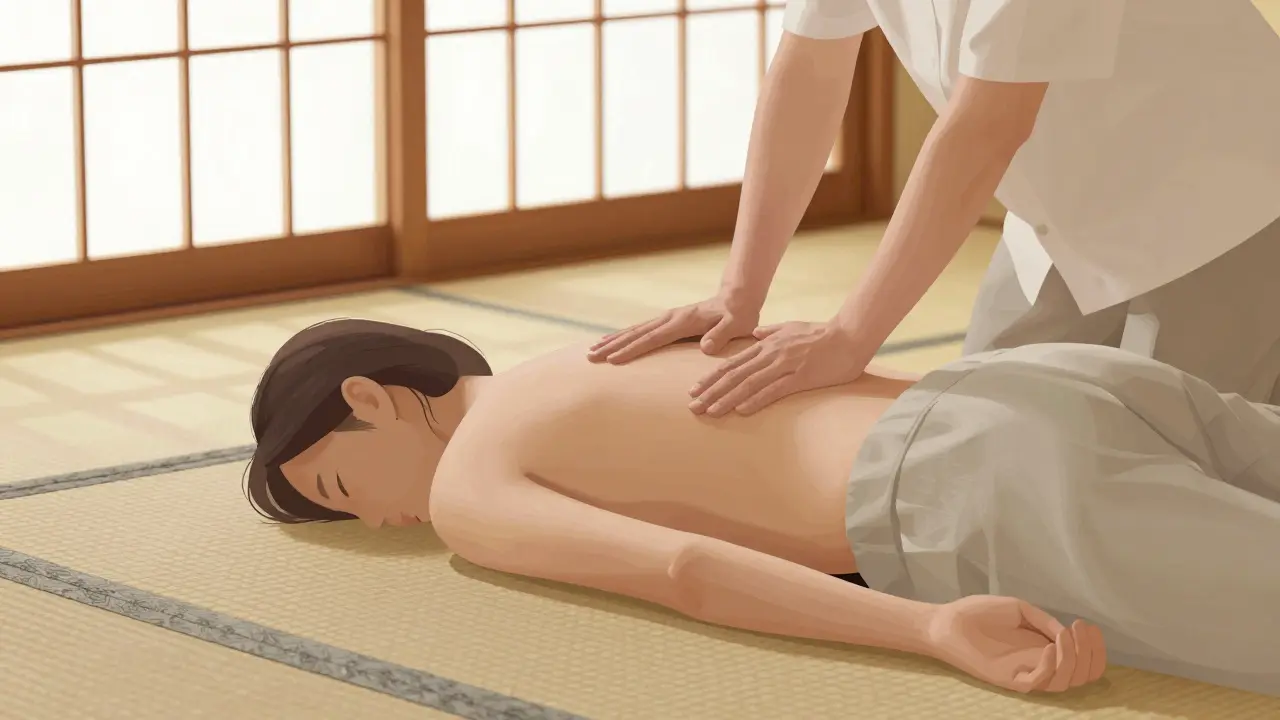
Walking into a Shiatsu studio feels different from a typical massage parlor. The room is quiet, warm, and minimalist. You’ll change into loose cotton pants provided by the clinic. No oils are used because the therapist needs direct contact with your skin through clothing to gauge muscle tension accurately.
A standard session lasts 60-90 minutes. Here’s the typical flow:
- Consultation: The therapist asks about your health history, stress levels, and specific pain areas.
- Assessment: They check your posture, pulse, and tongue (a TCM diagnostic tool) to identify imbalances.
- Treatment: You lie face-up or face-down while the therapist applies pressure using fingers, thumbs, and palms. Some techniques involve gentle stretching or rocking motions.
- Closing: The session ends with light breathing exercises to ground your energy.
You might feel soreness afterward, similar to post-workout stiffness. Drink plenty of water to help flush toxins released from deep tissue work.
Who Should Avoid Shiatsu?
While safe for most people, certain conditions require caution. Always disclose your medical history before booking.
Avoid Shiatsu if you have:
- Acute injuries (fractures, sprains within 48 hours)
- Skin infections, open wounds, or rashes
- Severe osteoporosis (risk of bone fracture under pressure)
- Bleeding disorders or taking blood thinners
- Pregnancy (first trimester only; later stages need specialized prenatal Shiatsu)
If you have cancer, consult your oncologist first. Some points may stimulate blood flow too aggressively in sensitive areas.
Choosing the Right Practitioner
Not all massage therapists are trained in Shiatsu. Look for credentials like BCSTM (Board Certification in Shiatsu Therapeutic Massage) or certification from recognized schools like the International Shiatsu Institute (ISI). Ask about their training hours-proper Shiatsu requires at least 500 hours of study.
During your first visit, pay attention to communication. A good therapist will adjust pressure based on your feedback and explain what they’re doing. If you feel pain beyond discomfort, speak up immediately. Shiatsu should feel intense but never abusive.
Self-Shiatsu: Quick Relief at Home
You don’t need a professional every time. Learning basic self-shiatsu techniques can provide instant relief for common issues.
For Headaches: Press the Hegu point (LI4) located between your thumb and index finger. Apply firm pressure for 30 seconds on each hand. Avoid if pregnant.
For Neck Stiffness: Use your thumbs to press along the base of your skull where the neck meets the head. Hold for 10 breaths while inhaling deeply.
For Digestion: Place both hands over your navel and apply gentle circular pressure clockwise for 2 minutes. This stimulates the Stomach and Spleen meridians.
Practice these daily, especially before bed or after stressful events. Consistency matters more than intensity.
Combining Shiatsu with Other Therapies
Shiatsu works well alongside other holistic practices. Many clinics offer combined sessions with acupuncture, cupping, or herbal medicine. If you’re into yoga, pairing Shiatsu with weekly practice enhances flexibility and body awareness. For chronic conditions, integrating Shiatsu with cognitive behavioral therapy (CBT) can address both physical tension and mental patterns.
Is Shiatsu painful?
Shiatsu can feel intense due to deep pressure, but it shouldn’t cause sharp or unbearable pain. Discomfort is normal as knots release, but your therapist should adjust based on your tolerance. Communicate openly during the session.
How many Shiatsu sessions do I need?
For acute issues like a stiff neck, one session may suffice. Chronic conditions such as lower back pain or anxiety typically require 4-6 weekly sessions initially, then maintenance every 2-4 weeks.
Does insurance cover Shiatsu?
Coverage varies. Some plans include it under alternative medicine if prescribed by a doctor. Check with your provider and ask if the therapist accepts billing directly or provides receipts for reimbursement.
Can Shiatsu help with anxiety?
Yes. By activating the parasympathetic nervous system, Shiatsu reduces cortisol and promotes calmness. Many clients report feeling mentally clearer and less reactive after sessions.
What’s the difference between Shiatsu and Acupuncture?
Both target the same meridian points, but Shiatsu uses manual pressure while acupuncture inserts needles. Shiatsu is non-invasive and often preferred by those needle-phobic or seeking broader bodywork.