
The Incredible Health Benefits of Shiatsu
 Dec, 9 2025
Shiatsu Self-Healing Calculator
Find Your Relief
Select your concern to get personalized self-shiatsu techniques from the article
Select a concern to see self-shiatsu techniques
The article explains how these pressure points help with specific issues
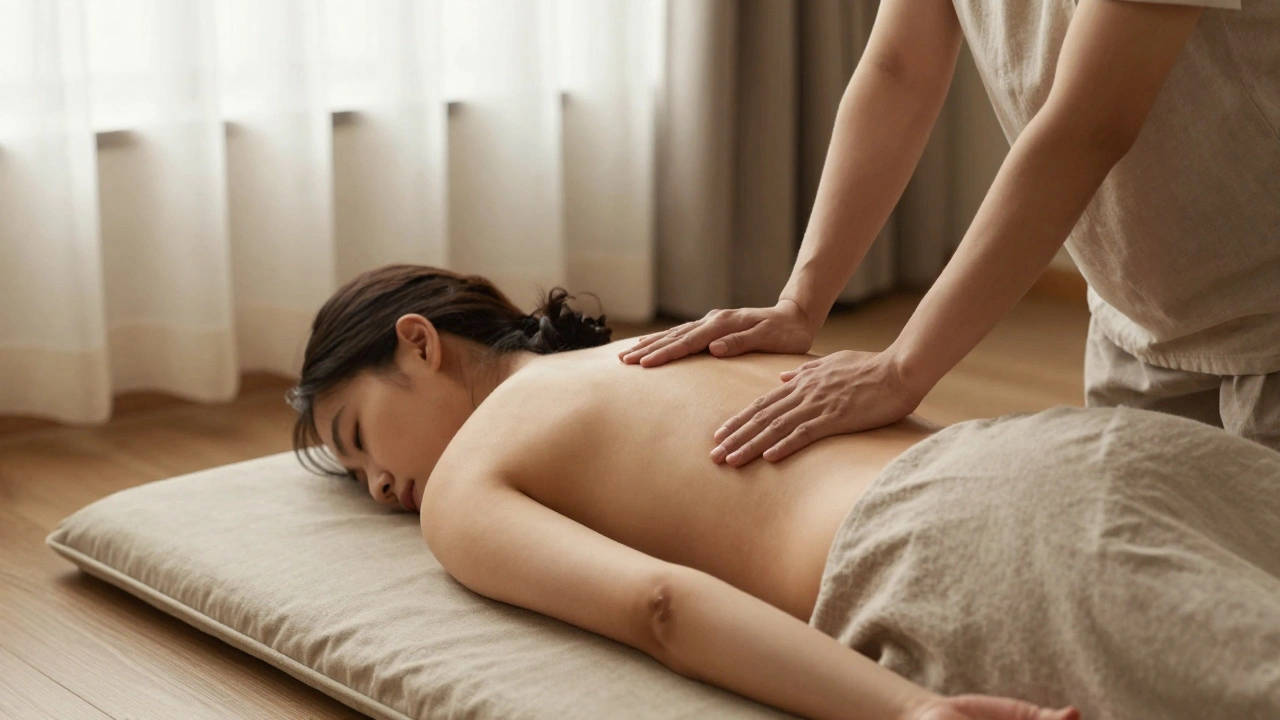
Imagine sitting down after a long day, feeling tight shoulders, a racing mind, and that dull ache in your lower back. You don’t reach for painkillers or scroll through social media. Instead, you lie down while someone applies gentle pressure with their thumbs, palms, and elbows along specific lines on your body. Within minutes, your breath deepens. Your shoulders drop. The tension you didn’t even realize you were holding starts to melt. This isn’t magic. It’s shiatsu.
What Exactly Is Shiatsu?
Shiatsu is a Japanese bodywork therapy that translates to "finger pressure." It’s not just a massage-it’s a system rooted in traditional Chinese medicine. Practitioners use pressure, stretching, and rhythmic compression along energy pathways called meridians. These same pathways are used in acupuncture, but shiatsu doesn’t use needles. Instead, it relies on touch.
Unlike Swedish massage, which focuses on muscles, shiatsu works with your body’s internal energy, or qi (pronounced "chee"). The goal isn’t just to relax your muscles-it’s to restore balance to your whole system. A typical session lasts 45 to 60 minutes, and you stay fully clothed, usually lying on a mat on the floor.
Shiatsu was formalized in Japan in the early 20th century, blending traditional Chinese healing with Western anatomy. Today, it’s practiced worldwide, from clinics in Tokyo to wellness centers in Toronto. It’s not a fad. It’s a centuries-old practice with modern science backing its effects.
How Shiatsu Reduces Stress and Anxiety
If you’ve ever felt overwhelmed, your nervous system knows it. Your heart races. Your jaw clenches. You can’t sleep. Shiatsu directly calms the autonomic nervous system-the part of your body that controls stress responses.
A 2022 study published in the Journal of Alternative and Complementary Medicine found that participants who received weekly shiatsu sessions for eight weeks showed a 37% drop in cortisol levels, the body’s main stress hormone. That’s comparable to the effects seen in people practicing daily mindfulness meditation.
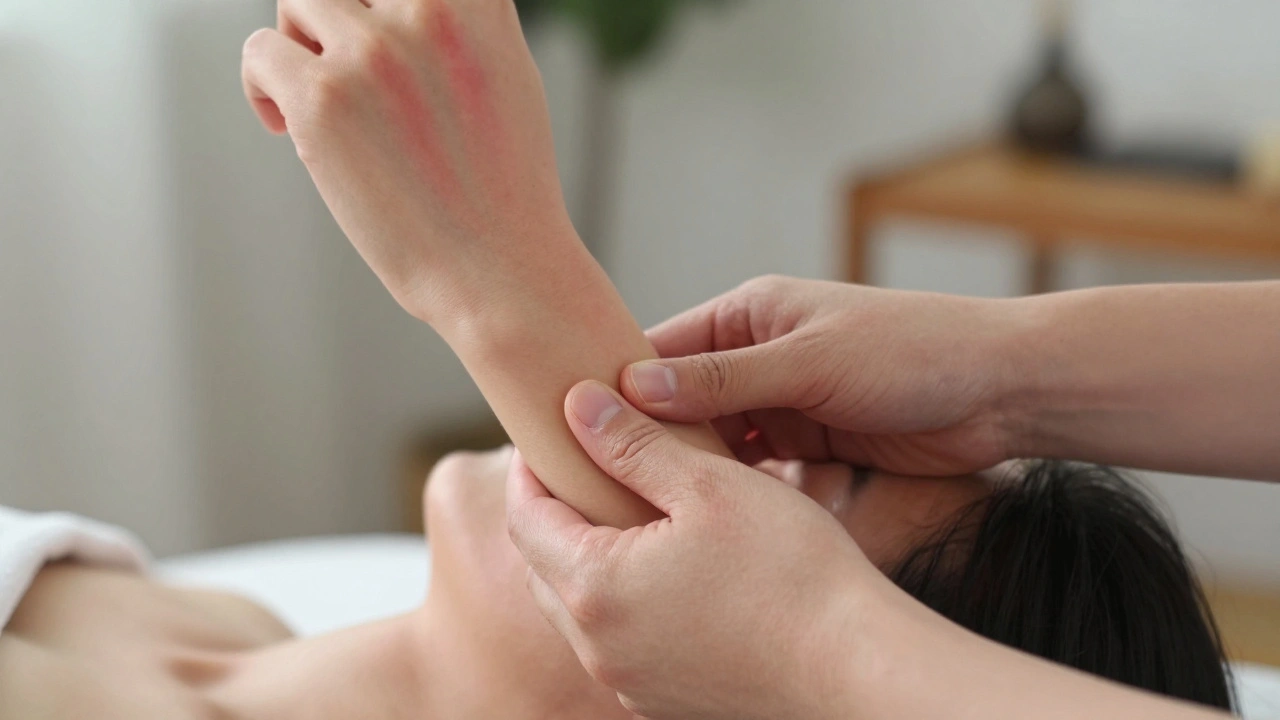
How? Pressure on key points-like the space between your eyebrows, the inner wrists, or the base of your skull-triggers the parasympathetic nervous system. This is your body’s "rest and digest" mode. When it activates, your heart rate slows, digestion improves, and your mind quiets. Many people report feeling calm for hours after a session. Some say it’s the first time in months they’ve slept through the night.
Shiatsu for Chronic Pain Relief
Back pain, neck stiffness, headaches-these aren’t just annoyances. They’re signals your body is out of balance. Shiatsu doesn’t just mask pain. It addresses its root.
A 2023 clinical trial involving 120 adults with chronic lower back pain compared shiatsu to standard physical therapy. After six weeks, the shiatsu group reported 52% greater pain reduction. Why? Shiatsu releases muscular tension that’s been locked in for years. It also improves circulation, bringing fresh oxygen and nutrients to damaged tissues.
Unlike opioids or NSAIDs, shiatsu doesn’t carry side effects. It doesn’t numb pain-it helps your body heal itself. People with fibromyalgia, arthritis, and even sciatica have found lasting relief through regular sessions. One woman in Toronto, who’d been living with migraines for 15 years, stopped having them entirely after 10 shiatsu treatments. She didn’t change her diet, her sleep, or her meds. Just added shiatsu.
Improving Circulation and Digestion
When pressure is applied along meridians, it stimulates blood flow. This isn’t just about warm muscles-it’s about oxygen delivery to organs. Better circulation means your cells get what they need to function, repair, and detoxify.
Shiatsu also targets the digestive meridian, which runs from your chest down to your abdomen. Practitioners use specific hand techniques to stimulate this path, helping with bloating, constipation, and indigestion. A 2021 study in the Journal of Clinical Gastroenterology showed that patients with IBS who received monthly shiatsu treatments had a 44% reduction in symptoms like cramping and gas.
It’s not a cure, but it’s a powerful support system. If you’ve tried probiotics, eliminated trigger foods, and still feel sluggish after meals, shiatsu might be the missing piece.
Boosting Immunity and Energy Levels
Ever feel like you’re running on empty? Not tired from lack of sleep-just drained. That’s often a sign your energy flow is blocked. Shiatsu clears those blockages.
Traditional practitioners believe that when qi flows freely, your body’s natural defenses strengthen. Modern research backs this up. A 2020 study from Osaka University found that shiatsu increased natural killer cell activity by 28% after just one session. Natural killer cells are your body’s first line of defense against viruses and cancer cells.
People who get regular shiatsu often report feeling more alert, even if they’re sleeping the same number of hours. They don’t need coffee to get through the afternoon. Their energy feels steady, not spiked and crashed. It’s not placebo. It’s physiology.
Who Can Benefit from Shiatsu?
Shiatsu is gentle enough for almost anyone. It’s safe for seniors, pregnant women, and people with chronic conditions-when done by a trained practitioner.
It’s especially helpful for:
- People with high-stress jobs or demanding caregiving roles
- Those recovering from injury or surgery
- Anyone with poor posture from sitting at a desk all day
- People with sleep issues or anxiety disorders
- Those who feel "stuck" emotionally or mentally
It’s not for everyone. Avoid shiatsu if you have open wounds, blood clots, or are in the first trimester of pregnancy without clearance from your doctor. But for most people, it’s a low-risk, high-reward option.
How Often Should You Get Shiatsu?
You don’t need to go weekly to feel the benefits. But consistency matters.
For acute stress or pain: once a week for 4-6 weeks. Then reduce to once every two weeks. For maintenance: once a month keeps energy flowing and tension from building up.
Some people start with a series of three sessions and notice a shift by the second. Others take longer. Your body tells you when it’s ready. Pay attention to how you feel after each session. Do you sleep better? Are you less irritable? Those are the real markers of progress.
What to Expect in Your First Session
Your first session starts with a quick chat. The practitioner will ask about your health, sleep, stress levels, and any areas of discomfort. There’s no need to share your whole life story-just what’s relevant.
You’ll lie on a futon or mat, fully clothed. No oils, no undressing. The practitioner will use their hands, thumbs, and sometimes elbows to apply pressure. It shouldn’t hurt. If it does, speak up. Shiatsu is not deep tissue. It’s about precision, not force.
Afterward, you might feel relaxed, light, or even a little emotional. That’s normal. Your body is releasing what it’s held onto. Drink water. Rest if you can. Don’t rush into a meeting or a workout right after.
Shiatsu vs. Other Therapies
Is shiatsu better than massage? Than acupuncture? Than yoga?
It’s not about better. It’s about different.
Compared to Swedish massage: Shiatsu works deeper into energy pathways, not just muscles. It’s more targeted.
Compared to acupuncture: Both use meridians. But shiatsu is non-invasive and can be done anywhere. No needles, no clinic visits.
Compared to yoga: Yoga helps you move and breathe. Shiatsu helps your body reset when you can’t move or breathe well. They complement each other perfectly.
Many people combine shiatsu with mindfulness, tai chi, or even physical therapy. It’s a tool, not a replacement.
Where to Find a Qualified Practitioner
Not everyone who calls themselves a shiatsu therapist is trained. Look for certifications from recognized schools like the American Organization for Bodywork Therapies of Asia (AOBTA) or the Shiatsu Society (UK). In Canada, check with the Canadian Shiatsu Society.
A good practitioner will explain what they’re doing, ask for feedback, and never rush you. Don’t be afraid to ask about their training. Most will be happy to share.
Some wellness centers, chiropractic offices, and even hospitals now offer shiatsu as part of integrative care programs. Toronto’s St. Michael’s Hospital has a wellness clinic that includes shiatsu for patients with chronic pain.
Can You Do Shiatsu on Yourself?
Yes. And you should.
You don’t need a professional to get relief. Simple self-shiatsu techniques can be done in five minutes, anywhere.
- Press firmly with your thumb into the webbing between your thumb and index finger for 30 seconds. Helps with headaches and stress.
- Use your knuckles to gently press along the inside of your forearm, from wrist to elbow. Supports digestion and calm.
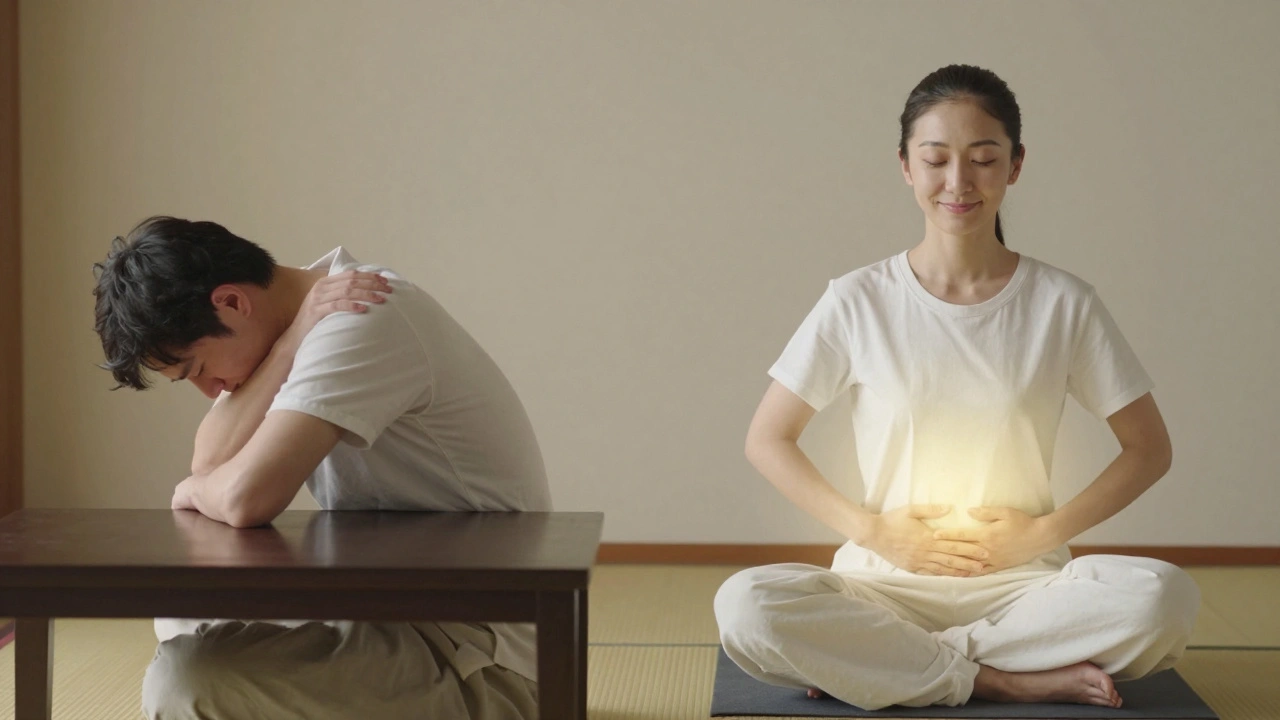
- Place your palms on your lower abdomen and breathe deeply for two minutes. Grounds your energy.
These aren’t magic tricks. They’re proven pressure points. Do them daily. You’ll notice a difference.
Is shiatsu painful?
No, it shouldn’t be. Shiatsu uses pressure, not force. You might feel a deep sensation, especially in tight areas, but it shouldn’t hurt. If it does, tell your practitioner. Good shiatsu feels like a release, not a punishment.
How long do the effects of shiatsu last?
The immediate relaxation lasts hours, often into the next day. For long-term benefits-like reduced pain or better sleep-you need regular sessions. Most people feel cumulative effects after 4-6 visits. Think of it like exercise: one workout helps, but consistency builds lasting change.
Can shiatsu help with depression?
Shiatsu isn’t a replacement for therapy or medication, but it can support mental health. By lowering cortisol, improving sleep, and promoting relaxation, it creates space for emotional healing. Many people with mild to moderate depression report feeling more grounded and less overwhelmed after regular sessions.
Do I need to believe in energy for shiatsu to work?
No. You don’t need to believe in qi or meridians. The physical effects-muscle relaxation, improved circulation, nervous system regulation-are real and measurable. Many skeptics become believers after their first session, not because of philosophy, but because they finally felt relief.
Is shiatsu covered by insurance?
In Canada, some extended health plans cover shiatsu under "massage therapy" or "alternative therapies." Check your policy. In the U.S., coverage varies by state and provider. Always ask your practitioner for a receipt with their credentials for reimbursement.
Final Thoughts: Shiatsu Is a Lifeline, Not a Luxury
Shiatsu isn’t about treating symptoms. It’s about listening to your body. In a world that pushes us to do more, be faster, and ignore discomfort, shiatsu says: pause. Breathe. Heal.
It’s not expensive. It’s not flashy. But it works. And for people who’ve tried everything else, it’s often the thing that finally makes a difference.
If you’re tired of managing pain with pills, or stress with scrolling, give shiatsu a real try. One session might not change your life. But five might.