Hospice Massage: Gentle Touch for Comfort, Peace, and Dignity at End of Life
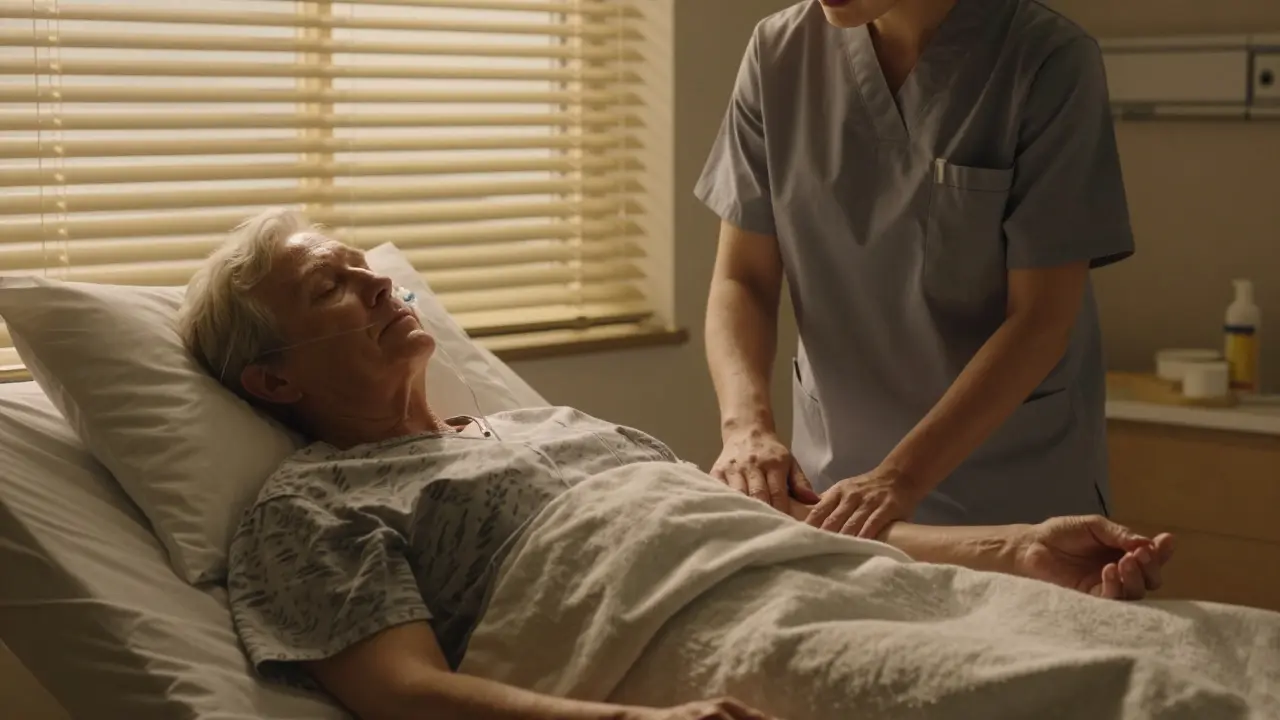
When someone is nearing the end of life, touch isn’t just comforting—it’s essential. Hospice massage, a specialized form of gentle bodywork designed for people in end-of-life care. Also known as palliative massage, it’s not about fixing or curing—it’s about being present, reducing suffering, and honoring the person exactly as they are. This isn’t deep tissue or vigorous pressure. It’s slow, light, intentional contact that meets the body where it is—whether that’s tender skin, weak muscles, or quiet stillness.
Therapeutic touch, a proven method of using hands to promote calm and reduce stress without invasive techniques is at the heart of hospice massage. Studies show even light hand-holding or a soft stroke along the arm can lower cortisol, ease breathing, and reduce feelings of loneliness. It’s not magic—it’s biology. The nervous system responds to safe, consistent touch by shifting out of fight-or-flight mode. For someone in pain or fear, that shift can mean hours of quiet instead of hours of agitation.
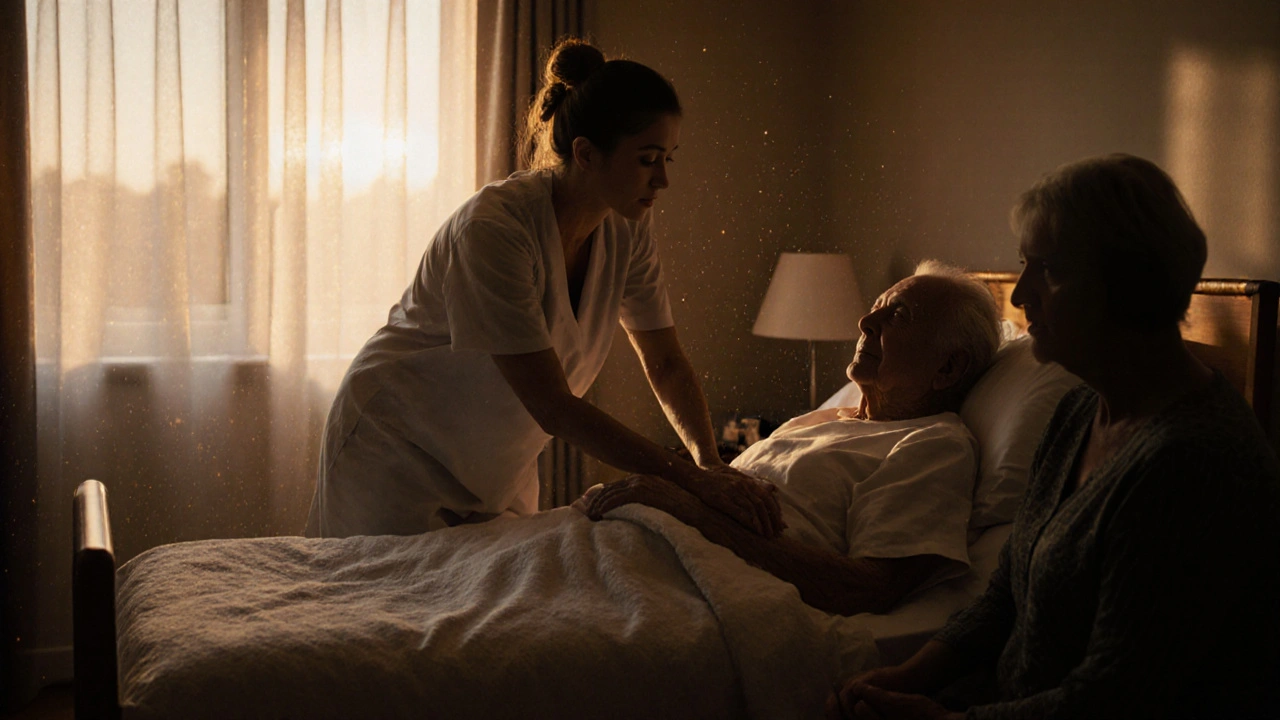
This kind of care doesn’t require fancy tools or expensive oils. It doesn’t need a full hour. Sometimes five minutes of gentle hand massage while listening to a favorite song is enough. It’s used in hospitals, nursing homes, and private homes—anywhere someone needs to feel held, not fixed. Families often learn simple techniques so they can offer comfort too, turning a moment of helplessness into one of connection.
Comfort care, a holistic approach focused on quality of life rather than medical intervention includes hospice massage as one of its most human elements. It’s not listed on insurance forms, but it’s often the thing people remember most. A hand on the shoulder. A slow stroke down the leg. The quiet rhythm of breathing syncing with the touch. These moments don’t extend life—but they make the life left feel deeply, quietly meaningful.
The posts below show how gentle touch, in many forms, helps people feel better when they’re hurting. You’ll find techniques like Swedish massage for deep relaxation, polarity therapy to calm the nervous system, and healing touch practices that don’t require words. All of them point to the same truth: when the body is worn down, the right kind of touch doesn’t just soothe—it restores a sense of safety. Whether you’re a caregiver, a patient, or someone who wants to understand how to be present in hard moments, these resources offer real, practical ways to bring comfort through hands.
How Palliative Massage is Changing the Face of Healthcare
0 Comments
Palliative massage brings gentle touch to end-of-life care, reducing pain and anxiety when medicine can't. It’s not about curing - it’s about comforting. Families, patients, and nurses are discovering its power in hospitals and hospices across Australia.
The Role of Palliative Massage in Modern Healthcare
0 Comments
Palliative massage offers gentle, evidence-based comfort for people with serious illness, reducing pain, anxiety, and nausea while restoring dignity. Learn how it works, who benefits, and how to access it.