
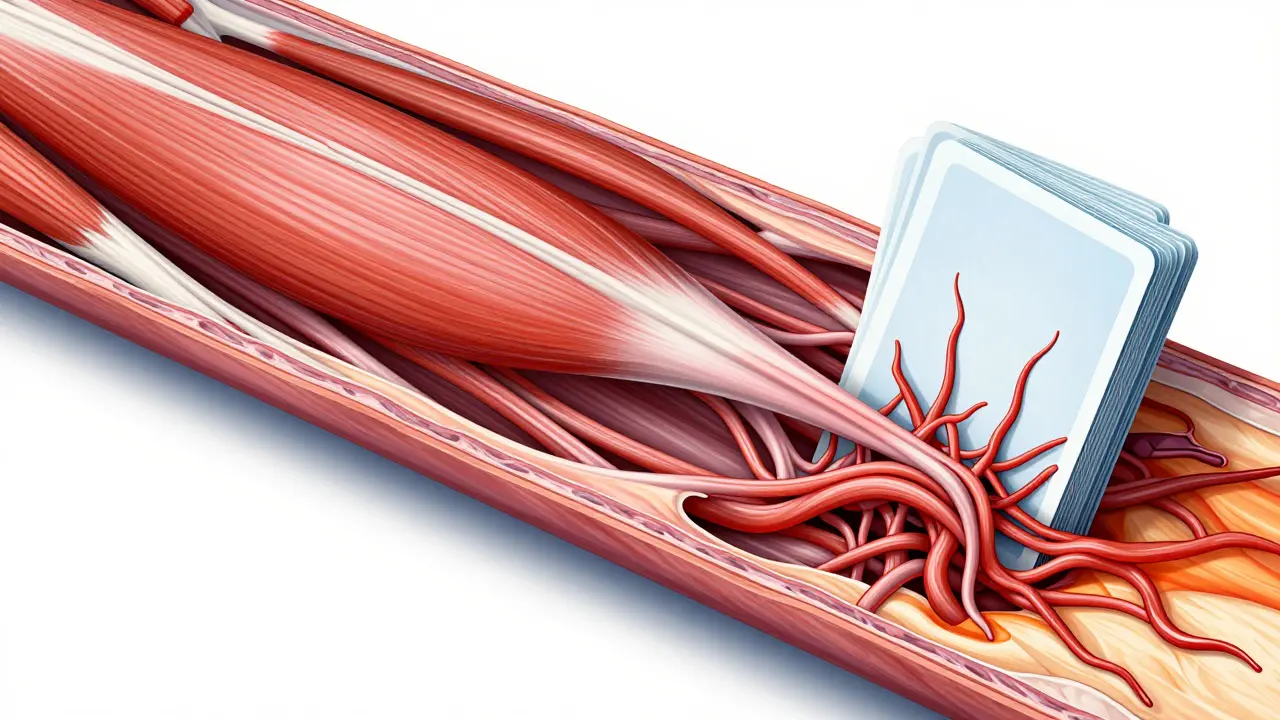
Cross Fibre Release: The Health Revolution You Need to Know
Discover how Cross Fibre Release breaks down muscle adhesions and restores mobility. Learn the science, benefits, and DIY tips for this powerful soft tissue therapy.
Read MoreTherapists use their thumb, finger, or elbow to move perpendicular to the line of the muscle, aiming to break small adhesions that limit glide and cause pain. Unlike long strokes, CFR focuses on a tiny area until the tissue eases. It can feel sharp for a few seconds, then give, so good communication with your therapist matters.
Adhesions form after injury, overwork, or poor healing. When fibers stick, the muscle cannot slide smoothly and nearby joints lose range. CFR mechanically separates these stuck layers so movement improves and pain drops. Athletes, desk workers with neck knots, and people with old scars often notice quick gains after a session.
CFR is a tool inside a bigger treatment plan. Therapists usually combine it with stretching, strengthening, and movement re-education so the tissue stays healthy. For example, after CFR on a tight calf, guided ankle mobility and calf strengthening stop the problem from returning. That combo is what you see in practices like neuromuscular therapy or sports massage.
You might feel soreness for a day or two after effective treatment. Drink water, keep moving gently, and use heat if stiffness lingers. Ice only if there is clear inflammation or swelling. If pain spikes, contact your therapist so they can adjust pressure or change techniques.
If you try cross fiber work at home, start light and use your fingers or a small massage ball. Pick a small area, find the direction of the muscle fibers, and work across them with short, controlled strokes for thirty to sixty seconds. Stop if pain is sharp or spreads down a limb. Avoid CFR over bruises, varicose veins, open wounds, infected skin, or where a doctor has advised against pressure.
When to see a pro
Go to a trained therapist for persistent pain, recent surgeries, or deep adhesions. Professionals can judge tissue quality, protect risky areas, and combine CFR with exercises tailored to your needs. If you have blood clot risk, severe osteoporosis, cancer, or a bleeding disorder, get medical clearance first.
Short practical checklist
- Tell your therapist about recent injuries and medications.
- Expect brief discomfort, not unbearable pain.
- Follow up with movement and strengthening.
- Hydrate and rest mildly after treatment.
Cross fibre release is a focused, mechanical way to improve tissue glide and quicken recovery when used correctly. Done alongside sensible exercise and by trained hands, it’s a simple fix for stuck muscles that often delivers fast results.
Related approaches include myofascial release, neuromuscular therapy, and sports massage, which may offer gentler or broader work depending on your goals. Compare techniques with your therapist: CFR is direct and local, myofascial release is slow and broad, and neuromuscular uses trigger point work and nerve-focused strategies. Use a session plan of two to six treatments across several weeks for chronic issues, shift to maintenance once mobility returns.
Discover how Cross Fibre Release breaks down muscle adhesions and restores mobility. Learn the science, benefits, and DIY tips for this powerful soft tissue therapy.
Read More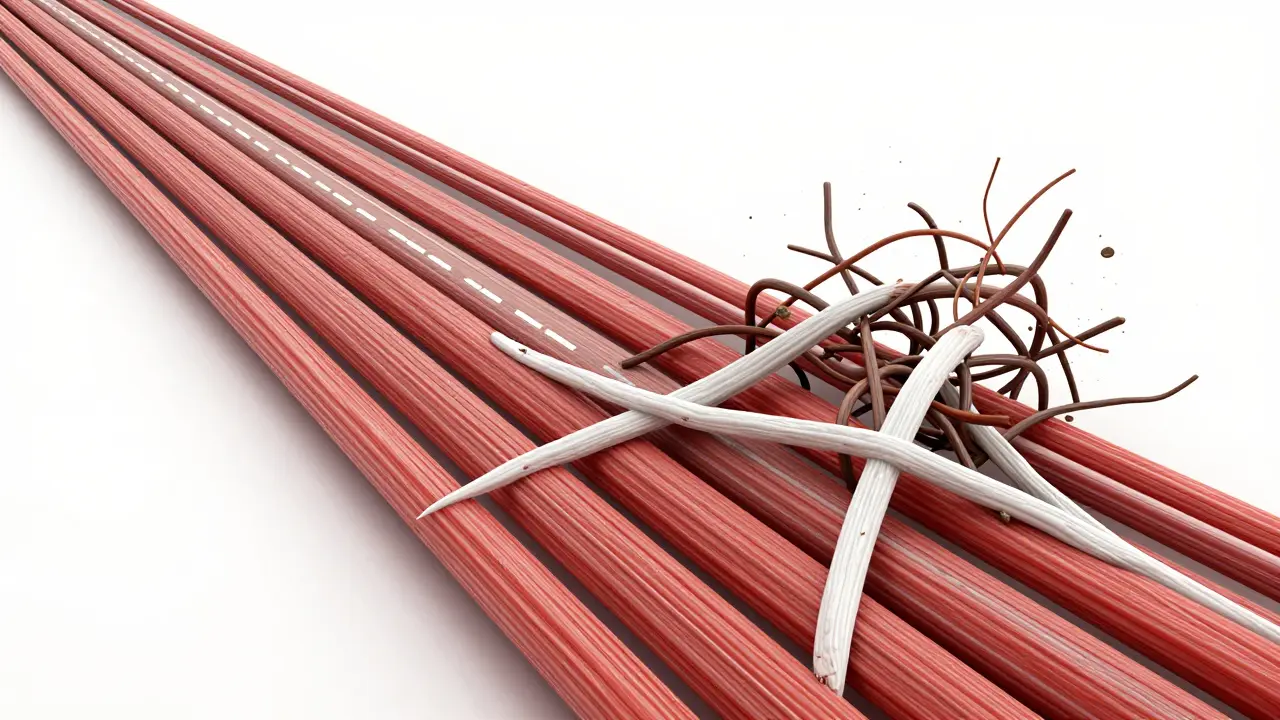
Learn how cross fibre release breaks down scar tissue and muscle adhesions to restore mobility. Expert tips on technique, timing, and recovery strategies.
Read More
Cross fibre release is a revolutionary technique that can transform your body by targeting tight muscles and knots. This method focuses on manipulating muscle fibers to improve flexibility and alleviate pain. With practical tips and real-life examples, learn how incorporating this therapy could change your fitness journey. Discover its benefits and how to effectively integrate it into your daily routine.
Read More