
The Truth About Snake Massage: Benefits, Risks, and Safety Guide
 May, 5 2026
Imagine lying on a warm table while live snakes glide over your skin. It sounds like something out of an ancient legend or a horror movie, but it is actually a growing trend in the wellness industry. This practice, often marketed as Snake Massage is a therapeutic treatment that combines live snake handling with hydrotherapy and hot stone techniques to promote relaxation and pain relief. While proponents claim incredible health benefits, the reality is far more complex-and potentially risky-than marketing brochures suggest.
If you have seen videos of this treatment online, you might be curious about trying it yourself. Or perhaps you are skeptical and want to know if it is just another expensive gimmick. Either way, understanding what really happens during a session is crucial before you book an appointment. Let’s separate the myth from the medical facts.
What Actually Happens During a Snake Massage?
To understand the appeal, we first need to look at the mechanics of the treatment. A typical session lasts between 60 and 90 minutes and involves several distinct phases. It is not simply throwing reptiles onto a client; there is a structured process involved.
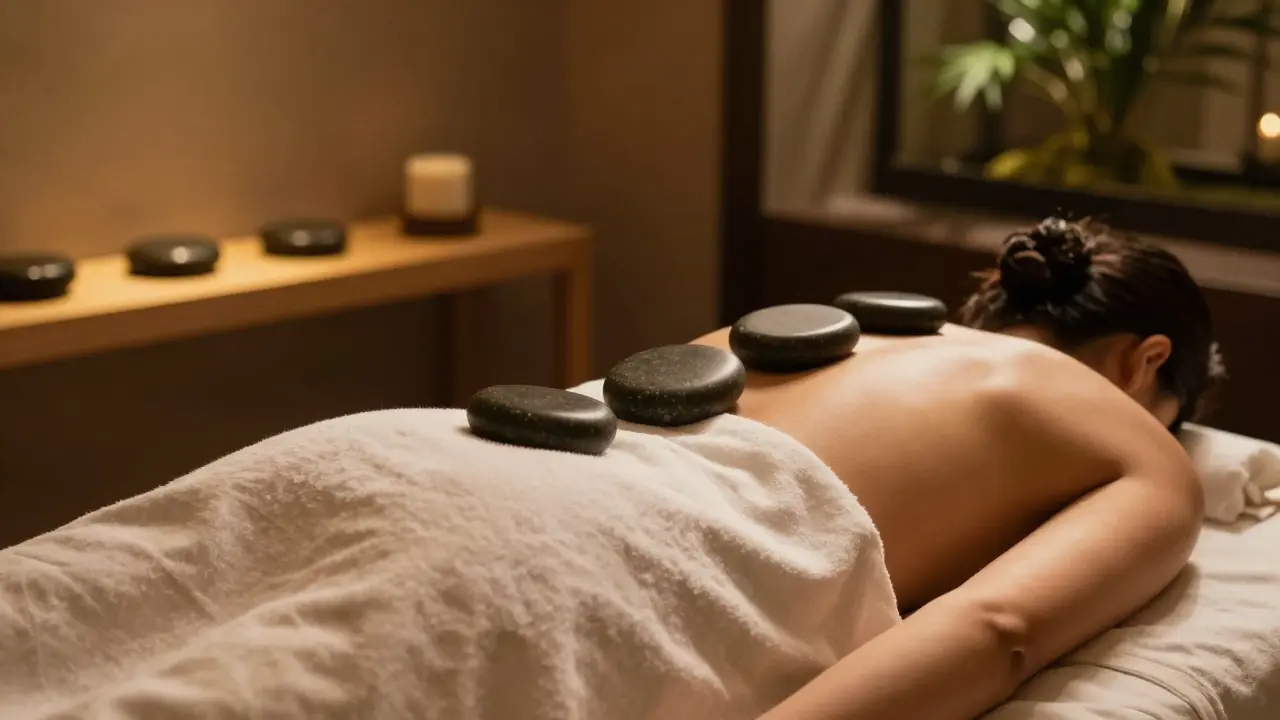
- The Warm-Up: The session usually begins with a traditional full-body massage using warm stones or oils. This prepares the muscles for deeper work and helps relax the nervous system.
- The Hydrotherapy Bath: Clients step into a heated pool filled with water infused with essential oils, minerals, and sometimes herbal extracts. This part of the treatment is designed to soothe the skin and joints.
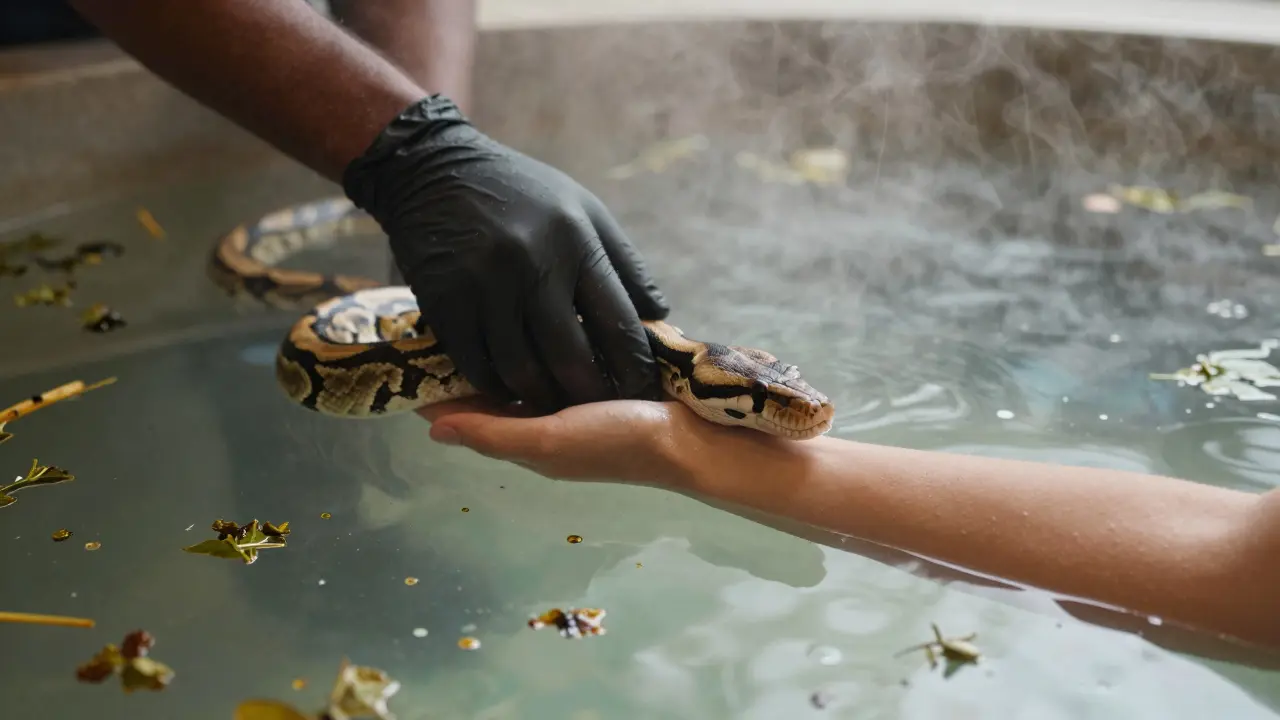
- The Snake Interaction: Here is where the unique element comes in. Trained handlers introduce non-venomous snakes into the pool or place them gently on the client’s body. Common species include ball pythons, corn snakes, and rat snakes.
- The Cool Down: After the interaction, clients rinse off and may receive additional stretching or light massage to complete the experience.
The idea behind using snakes is based on their natural behavior. Snakes are cold-blooded animals, meaning they seek out warmth to regulate their body temperature. When placed on a human body, they naturally gravitate toward areas of tension or heat. Proponents argue that this targeted pressure can help release muscle knots and improve circulation.
| Feature | Snake Massage | Traditional Hot Stone |
|---|---|---|
| Primary Mechanism | Live animal weight + warmth | Heated basalt stones |
| Pressure Type | Variable, dynamic movement | Static, consistent weight |
| Hygiene Concerns | High (requires strict protocols) | Low (stones are sanitized) |
| Cost Range | $150 - $300 per session | $80 - $150 per session |
| Skill Requirement | Herpetology expertise needed | Licensed massage therapist |
The Science Behind the Claims
Many spas claim that snake massage can treat arthritis, anxiety, and even depression. But does science support these bold statements? The short answer is: not directly. There is no peer-reviewed research specifically studying the therapeutic effects of live snake contact on human health.
However, some components of the treatment do have scientific backing. For example, hydrotherapy is the use of water for physical rehabilitation and relaxation, proven to reduce muscle stiffness and improve joint mobility. Studies published in journals like the *Journal of Bodywork and Movement Therapies* show that warm water immersion significantly lowers cortisol levels and reduces perceived pain.
Additionally, the concept of therapeutic touch is a complementary healing method involving gentle hand movements to balance energy fields, shown to reduce stress and anxiety in clinical settings. The weight of a snake moving across your back provides deep tissue pressure similar to weighted blankets used for sensory processing disorders. This deep pressure stimulation triggers the release of serotonin and dopamine, neurotransmitters associated with mood regulation.
So while the snake itself isn’t magic, the combination of warmth, water, and gentle pressure creates a powerful relaxation response. The novelty factor also plays a role-experiencing something unusual can boost mental well-being through excitement and curiosity.
Safety First: Real Risks You Should Know
Before you sign up, it is vital to understand the potential dangers. Working with live animals always carries risk, regardless of how tame they appear. Here are the main concerns raised by veterinarians and public health experts.
- Allergic Reactions: Some people are allergic to reptile scales or dander. Symptoms can range from mild itching to severe anaphylaxis. Always inform your provider if you have known allergies.
- Infection Risk: Snakes carry Salmonella is a type of bacteria commonly found in reptiles that can cause gastrointestinal illness in humans, especially in those with weakened immune systems. Even healthy-looking snakes can shed Salmonella in their feces. Proper hygiene protocols must be followed rigorously.
- Bites and Scratches: Although non-venomous snakes rarely bite aggressively, fear or mishandling can lead to accidental bites. Their teeth are sharp and can break the skin, leading to infection.
- Psychological Distress: Not everyone enjoys being touched by slithering creatures. If you feel anxious or panicked during the session, it can trigger a stress response rather than relaxation.
Reputable spas mitigate these risks through strict sanitation procedures. Tanks should be cleaned daily, and handlers must wear gloves when introducing snakes to clients. Ask questions about their cleaning routine before booking-if they hesitate, walk away.
Who Should Avoid Snake Massage?
This treatment is not suitable for everyone. Certain groups face higher risks and should consider safer alternatives.
Pregnant women should avoid snake massage due to the risk of Salmonella exposure and the unpredictable nature of live animal interactions. Hormonal changes during pregnancy can also alter sensitivity to touch and temperature.
Children under 12 lack the emotional maturity to handle unexpected movements from animals. They may become frightened, which defeats the purpose of relaxation.
People with open wounds or recent surgeries should not undergo this treatment. Broken skin increases the chance of bacterial infection from snake saliva or environmental contaminants.
Individuals with compromised immune systems, such as those undergoing chemotherapy or living with HIV/AIDS, are at greater risk of serious infections from even minor exposures.
Finding a Reputable Provider
If you decide to try snake massage, choosing the right facility is critical. Look for establishments that prioritize transparency and safety over spectacle.
Ask for credentials. Handlers should be certified in herpetology or have formal training in reptile care. Massage therapists should hold valid licenses in your state or country. Check online reviews carefully-look for mentions of cleanliness, professionalism, and staff knowledge.
A good provider will offer a consultation before your first session. They should ask about your medical history, comfort level with animals, and any previous experiences with similar treatments. They should also explain exactly what will happen during the session and allow you to opt out at any time.
Red flags include vague answers about hygiene practices, pressure to buy packages upfront, or unwillingness to discuss safety measures. Trust your instincts-if something feels off, find another place.
Alternatives That Offer Similar Benefits
If the idea of live snakes makes you uneasy, don’t worry. Several other therapies provide comparable relaxation and pain relief without the biological risks.
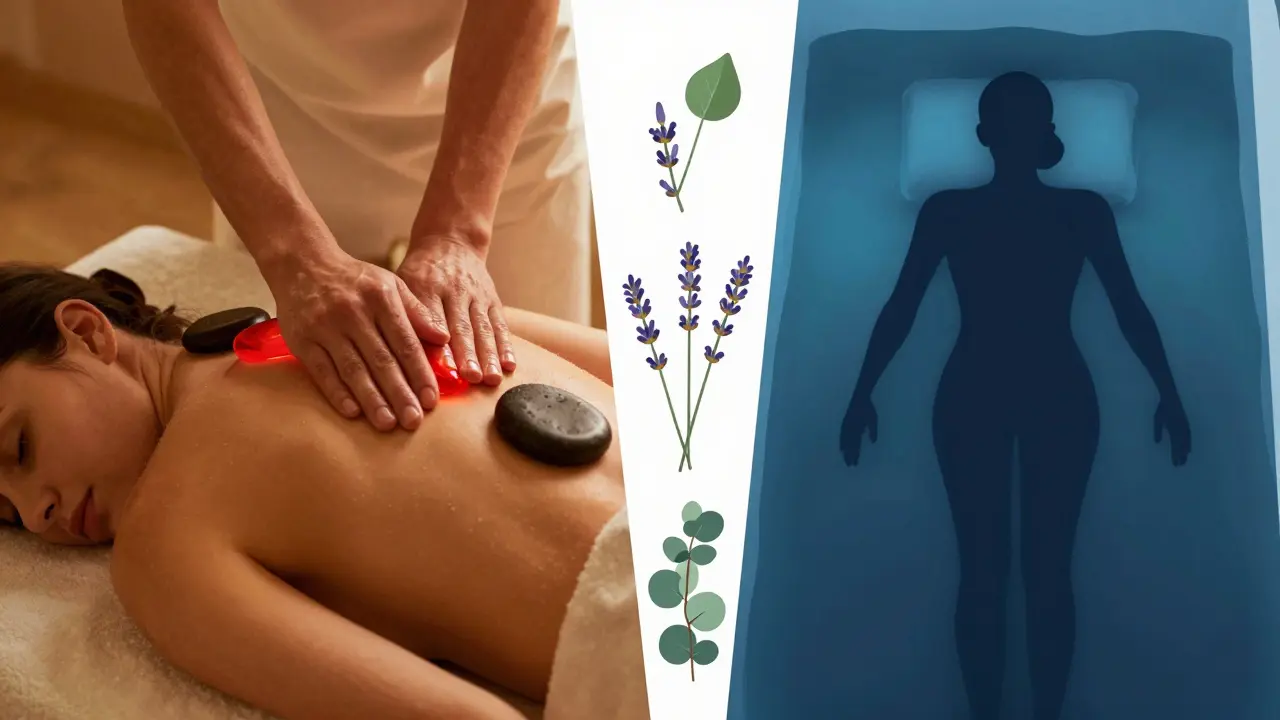
Hot stone massage is a popular technique using heated basalt stones placed on key points of the body to deepen muscle relaxation and relieve tension. This classic approach delivers steady, predictable pressure and warmth, making it ideal for chronic pain sufferers.
Floatation therapy is an immersive experience in a sensory deprivation tank filled with Epsom salt solution, promoting deep rest and mental clarity. Floating eliminates gravity’s effect on the body, allowing muscles to fully relax. Many users report significant reductions in anxiety and insomnia after regular sessions.
Aromatherapy massage is a holistic treatment combining essential oils with manual massage techniques to enhance emotional and physical well-being. Oils like lavender, eucalyptus, and chamomile have documented calming effects. Combined with skilled hands, this modality offers profound stress relief.
Each alternative has its own strengths. Hot stone massage excels at targeting specific muscle groups. Floatation therapy supports mental health and creativity. Aromatherapy enhances emotional balance. Choose based on your personal goals and preferences.
Final Thoughts on Trying Snake Massage
Snake massage sits at the intersection of tradition, novelty, and controversy. While it offers unique sensory experiences and potential relaxation benefits, it also demands careful consideration of safety and ethics. The absence of robust clinical trials means we cannot definitively say it cures ailments-but many participants report feeling refreshed and renewed afterward.
Your decision should hinge on three factors: your comfort level with animals, the credibility of the provider, and your awareness of inherent risks. Do not let marketing hype override common sense. Research thoroughly, ask questions, and listen to your body.
Whether you choose to embrace this exotic treatment or stick with proven methods, the goal remains the same: finding sustainable ways to nurture your mind and body. Wellness is deeply personal, and there is no one-size-fits-all solution. Explore, experiment, and prioritize your peace of mind above all else.
Is snake massage safe for everyone?
No, snake massage is not safe for everyone. People with weakened immune systems, pregnant women, young children, and those with open wounds or allergies should avoid it. Always consult your doctor before trying new treatments involving live animals.
Can snakes transmit diseases to humans?
Yes, snakes can carry Salmonella bacteria, which causes food poisoning-like symptoms. However, reputable facilities follow strict hygiene protocols, including washing tanks and wearing gloves, to minimize transmission risk. Practice good hand hygiene afterward.
How much does a snake massage cost?
Prices vary widely depending on location and provider reputation. Expect to pay between $150 and $300 for a standard 60-minute session. Luxury spas may charge more, especially if they include premium amenities or extended durations.
Are the snakes used in massages venomous?
No, only non-venomous species are used in professional snake massage treatments. Common choices include ball pythons, corn snakes, and king snakes. These breeds are docile, easy to handle, and pose minimal threat to humans.
What are the best alternatives to snake massage?
Excellent alternatives include hot stone massage, floatation therapy, and aromatherapy massage. Each provides deep relaxation and pain relief without the risks associated with live animals. Choose based on your comfort level and desired outcomes.