
The Tranquil World of Lomi Lomi Massage: A Complete Guide
 May, 12 2026
Imagine a touch that doesn't just work on your muscles but seems to untangle the knots in your spirit. That is the promise of Lomi Lomi a traditional Hawaiian healing art that uses long, flowing strokes to release physical tension and emotional blockages. It isn't just another spa treatment you grab between meetings. It is a ritual. For centuries, practitioners in Hawaii used this method to restore balance to the body, mind, and spirit. Today, people travel across the globe to experience it, seeking something deeper than standard Swedish or deep tissue massage.
You might have heard of it as "Hawaiian massage," but calling it that is like calling a symphony "noise." There is rhythm, intention, and history behind every movement. If you are curious about what makes this practice so distinct, or if you are wondering whether it is right for your current stress levels, you are in the right place. We will break down the techniques, the cultural roots, and what you can actually expect when you lie on that table.
The Roots of Lomi Lomi: More Than Just Rubbing Oil
To understand Lomi Lomi, you have to look at where it comes from. The word "lomi" means to knead, rub, or press in the Hawaiian language. But the practice goes back further than the word itself. Historically, it was performed by Kahuna Lapaau traditional Hawaiian healers who combined herbal medicine, prayer, and manual therapy. These healers didn't separate the body from the spirit. If you had pain in your shoulder, they believed it might be connected to an unresolved grief or a spiritual imbalance.
In the early days, this wasn't a commercial service. It was a community act of care. Practitioners would use their forearms, elbows, and sometimes even their feet to move energy through the body. They worked with natural oils, often coconut or kukui nut oil, which were readily available on the islands. The goal was never just to fix a sore back; it was to restore harmony. This holistic view is what sets Lomi Lomi apart from Western medical massage, which often focuses strictly on anatomy and physiology.
Today, the tradition has evolved. While many modern therapists still honor the spiritual aspects, others focus more on the physical relaxation benefits. However, the core principle remains: the treatment should feel continuous, rhythmic, and deeply connecting. You aren't getting a series of disconnected manipulations. You are receiving a flow.
How Lomi Lomi Differs From Other Massages
If you have experienced a typical Swedish massage, you know it involves kneading, friction, and tapping. It feels good, but it can sometimes feel stop-and-start. Lomi Lomi is different. The therapist uses long, gliding strokes that cover large areas of the body. Think of it like a wave rolling over sand. The motion is continuous. There is no lifting the hands off the skin unless necessary to reposition.
The tools change too. Instead of just using fingers and thumbs, Lomi Lomi practitioners rely heavily on their forearms and elbows. This allows them to apply broad, even pressure without straining their own wrists. It also creates a smoother sensation for you. The contact area is larger, so the pressure feels distributed rather than pinpointed. This is why many people describe Lomi Lomi as feeling "softer" yet deeper at the same time.
Let's look at how it stacks up against other common modalities:
| Feature | Swedish Massage | Deep Tissue | Lomi Lomi |
|---|---|---|---|
| Primary Goal | Relaxation & Circulation | Pain Relief & Adhesion Release | Holistic Balance & Flow |
| Technique | Kneading, Friction, Tapotement | Slow Strokes, High Pressure | Long Gliding Strokes, Forearm Work |
| Pressure Level | Light to Medium | Firm to Deep | Variable (Often Moderate) |
| Spiritual Element | Minimal | None | Central to Tradition |
| Rhythm | Stop-and-Start | Focused & Static | Continuous & Fluid |
Notice the emphasis on rhythm and spirituality in Lomi Lomi. Even if you don't subscribe to the spiritual side, the rhythmic nature of the strokes triggers a parasympathetic response in your nervous system. This is the "rest and digest" mode. Your heart rate slows. Your breathing deepens. You enter a state of profound calm that is hard to achieve with faster, choppier techniques.
The Experience: What to Expect During a Session
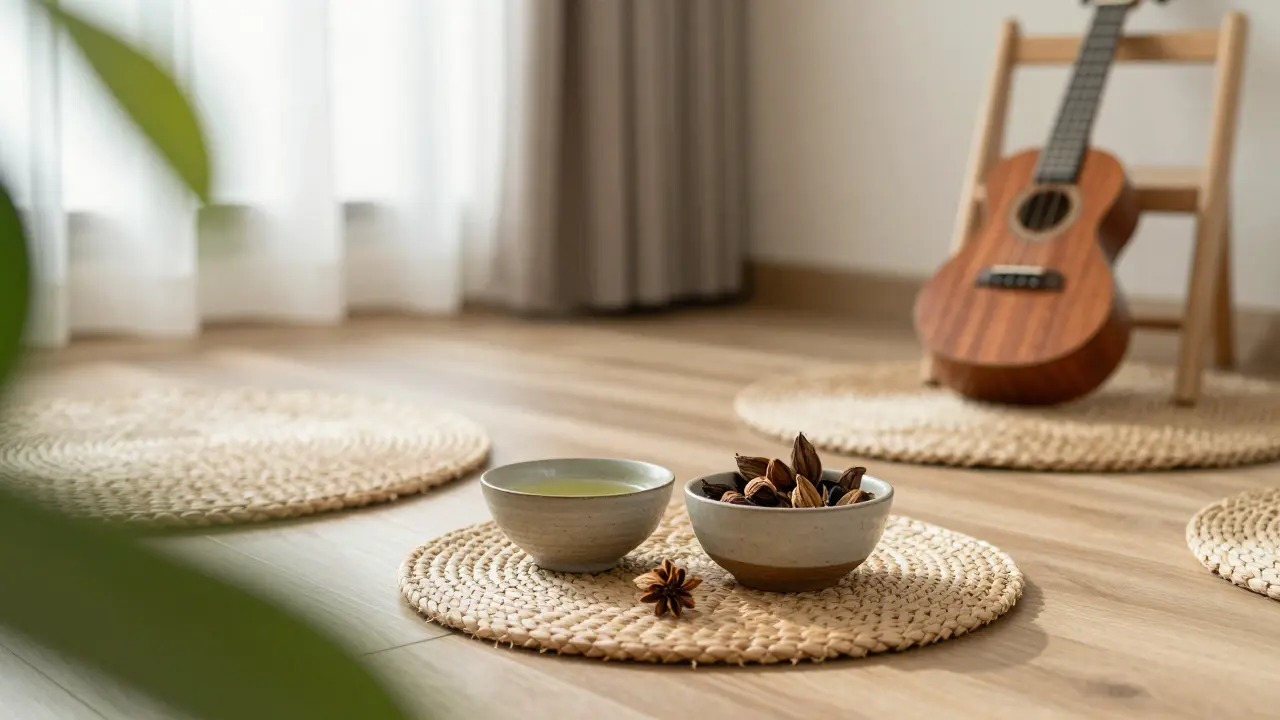
Walking into a Lomi Lomi session, you might notice the atmosphere is different. Many practitioners play soft music, perhaps featuring ukulele or ocean sounds. The room might smell of lavender, eucalyptus, or native Hawaiian plants like pikake. This isn't just decoration; it's part of the sensory immersion.
Before the massage begins, a good therapist will talk to you. They want to know your intentions. Are you here to relieve lower back pain? Or do you need help sleeping? In traditional practice, the therapist might also ask about your emotional state. This helps them tailor the energy of the session. If you are carrying heavy stress, the strokes might be slower and more grounding. If you feel stagnant, they might be more invigorating.
Once you are on the table, the therapist usually starts with your feet. In Hawaiian culture, the feet are seen as the foundation of your connection to the earth. By working there first, they establish a baseline of stability. Then, they move upward, using long sweeps along your legs, hips, and back. You will likely feel the warmth of their forearms gliding over your skin. The oil is applied generously, ensuring there is no drag or friction.
A key part of the experience is the breath. Therapists often encourage you to breathe deeply, syncing your inhales and exhales with their movements. This synchronization enhances the relaxation response. You might find yourself drifting into a light trance-like state. Some people fall asleep during Lomi Lomi sessions. Others report vivid imagery or emotional releases. Both are normal. The body holds onto tension in ways we don't always realize, and releasing it can bring up feelings we've been suppressing.

Benefits Beyond Muscle Relaxation
We all know massage feels good for our muscles. But Lomi Lomi offers benefits that go beyond physical relief. Because of its holistic approach, it impacts several systems in the body.
- Improved Circulation: The long, sweeping strokes encourage blood flow throughout the body. This helps deliver oxygen to tissues and remove waste products, which can reduce inflammation and speed up recovery from exercise.
- Lymphatic Drainage: The gentle pressure supports the lymphatic system, which is responsible for immune function. Moving lymph fluid can help boost your immunity and reduce bloating.
- Emotional Release: Many clients report feeling lighter emotionally after a session. The combination of rhythmic touch and deep breathing can help process stored trauma or anxiety. It’s not therapy in the clinical sense, but it can complement mental health practices.
- Better Sleep: The parasympathetic activation induced by Lomi Lomi promotes melatonin production. People who struggle with insomnia often find they sleep more soundly after a session.
- Enhanced Body Awareness: Regular practice can increase your sensitivity to bodily signals. You might become better at recognizing tension before it becomes pain, allowing you to address stress earlier.
These benefits aren't instantaneous magic. They build over time. One session can leave you feeling relaxed for a few days. Regular sessions-say, once a month-can lead to lasting changes in how your body handles stress.
Finding the Right Practitioner
Not everyone who calls themselves a Lomi Lomi therapist is trained in the traditional way. With the rise of wellness tourism, some spas offer "Lomi-inspired" treatments that lack the depth and respect for the culture. How do you find someone authentic?
First, look for credentials. Reputable practitioners often train with established schools or lineages. Look for certifications from organizations that emphasize cultural integrity. Ask questions. A good therapist will be happy to explain their training background and how they incorporate traditional elements into their practice. Don't be afraid to ask if they include spiritual components or if the session is purely physical.
Second, check reviews. Look for mentions of specific experiences. Did reviewers mention the use of forearms? Did they talk about the atmosphere or the therapist's attentiveness? Vague reviews like "it was nice" don't tell you much. Specific details indicate a genuine experience.
Finally, trust your intuition. When you meet the therapist, do you feel comfortable? Do they listen to you? Lomi Lomi requires a high degree of trust because you are vulnerable on the table. If something feels off, keep looking. The right practitioner will make you feel safe and respected.
Precautions and Who Should Avoid It
While Lomi Lomi is generally safe, it isn't for everyone. Because it involves deep, flowing pressure and potential emotional release, certain conditions require caution.
- Acute Injury: If you have a recent sprain, fracture, or acute inflammation, avoid deep pressure on that area. Inform your therapist so they can adjust their technique.
- Blood Clots: Massage can dislodge clots. If you have a history of deep vein thrombosis, consult your doctor before booking.
- Pregnancy: While prenatal massage is beneficial, Lomi Lomi's intensity might not be suitable for all trimesters. Seek a specialist trained in prenatal care.
- Mental Health Crises: If you are currently experiencing severe trauma or instability, the emotional release aspect of Lomi Lomi could be overwhelming. Pair it with professional psychological support.
- Skin Conditions: Open wounds, rashes, or infections should be avoided to prevent spreading irritation.
Always communicate openly with your therapist about any health concerns. They can modify the session to ensure your safety and comfort.
Aftercare: Extending the Benefits
The session ends, but the effects don't have to. What you do in the hours following your massage can influence how long the benefits last.
Drink plenty of water. Massage moves toxins out of your muscles and into your bloodstream. Hydration helps your kidneys filter these out. Herbal teas, like ginger or peppermint, can also be soothing.
Avoid strenuous activity for 24 hours. Let your body integrate the changes. Gentle stretching or walking is fine, but skip the heavy gym workout. Your muscles are in a relaxed state, and jarring them can cause stiffness.
Reflect on the experience. Journaling can help you process any emotions that came up. Notice how your body feels the next day. Do you stand taller? Is your breathing deeper? Paying attention to these subtle shifts reinforces the positive changes.
If you can, continue the self-care routine. Incorporate deep breathing exercises or gentle yoga into your weekly schedule. This maintains the parasympathetic state that Lomi Lomi induces.
Is Lomi Lomi massage painful?
Generally, no. Lomi Lomi is designed to be relaxing and flowing. While it can be deep, the pressure is usually distributed evenly across the forearm, making it feel less intense than thumb-focused deep tissue work. However, if you have tight muscles, you might feel some discomfort as tension releases. Always communicate with your therapist about pressure levels.
Do I need to undress completely for Lomi Lomi?
Yes, typically you will undress to your level of comfort. Most people choose to undress completely, but you can always keep underwear on if you prefer. Draping with sheets is used to maintain modesty and warmth throughout the session. Only the area being worked on is exposed at any given time.
How often should I get a Lomi Lomi massage?
For general relaxation and maintenance, once a month is ideal. If you are dealing with chronic stress or specific physical issues, you might benefit from bi-weekly sessions initially. Listen to your body. If you feel the benefits wearing off quickly, increase the frequency. Over time, you may find that monthly sessions are sufficient to maintain balance.
Can Lomi Lomi help with anxiety?
Yes, many people find Lomi Lomi helpful for anxiety. The rhythmic, predictable strokes and the focus on breath work activate the parasympathetic nervous system, reducing cortisol levels and promoting calm. The emotional release aspect can also help process underlying stressors. However, it should complement, not replace, professional mental health treatment if needed.
What is the difference between Lomi Lomi and Thai massage?
Thai massage is more active and involves stretching, joint mobilization, and pressure points, often done fully clothed on a mat. Lomi Lomi is passive, using oil and long, flowing strokes on a table. Thai massage feels like a workout for your flexibility, while Lomi Lomi feels like a meditative drift. Both are relaxing but offer very different physical sensations.