
The Art and Science of Thai Bodywork: Techniques, Benefits, and What to Expect
 Jun, 14 2026
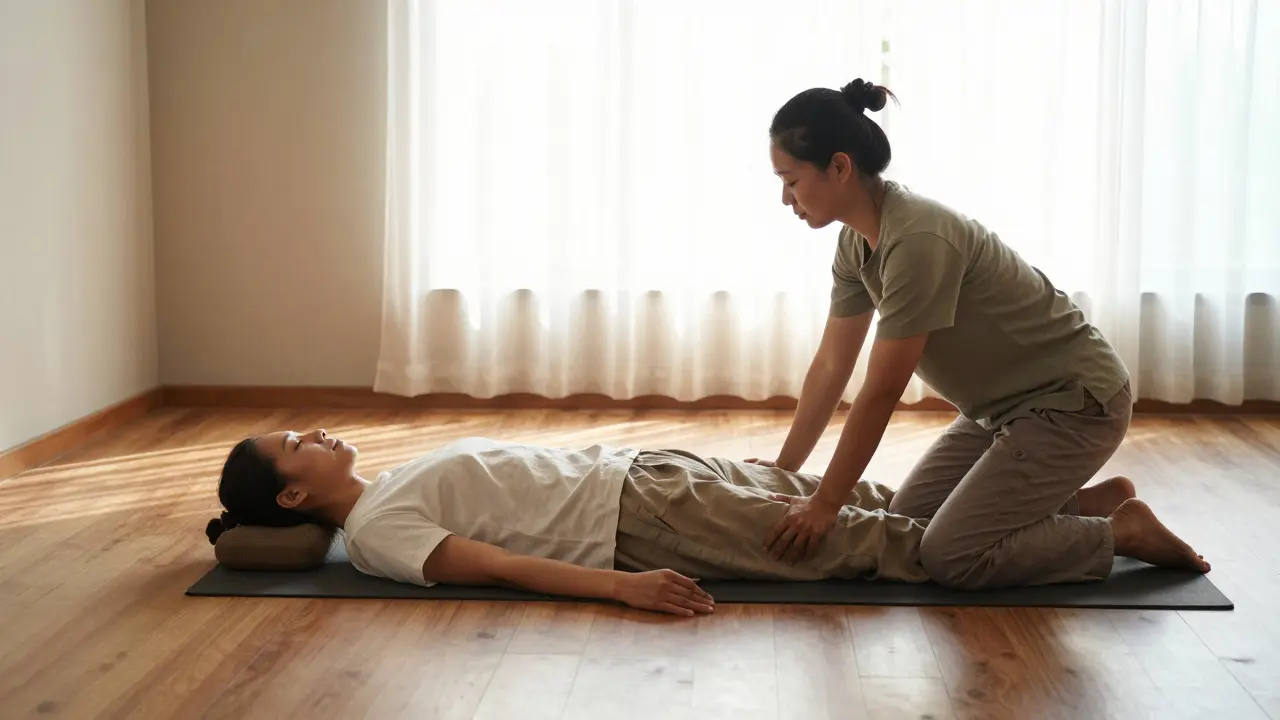
Imagine a treatment where you stay fully clothed, lie on a mat on the floor, and get stretched like a cat waking up from a nap. That is Thai bodywork, also known as Nuad Boran or "ancient massage." It is not just a relaxation technique; it is a dynamic blend of acupressure, Indian Ayurvedic principles, and assisted yoga postures.
Unlike Swedish massage, which uses oil and gliding strokes to soothe muscles, Thai bodywork is dry and interactive. The practitioner walks on your back, pulls your arms, and twists your torso. It feels intense, but it leaves most people feeling lighter, more flexible, and mentally clear. This guide breaks down how this traditional therapy works, what science says about its benefits, and how to decide if it is right for you.
What Is Thai Bodywork?
To understand Thai bodywork, you have to look at its roots. It originated in Thailand over 2,500 years ago, often attributed to Jivaka Kumarabhaccha, who was the personal physician to the Buddha. He combined knowledge from India, China, and indigenous Southeast Asian traditions.
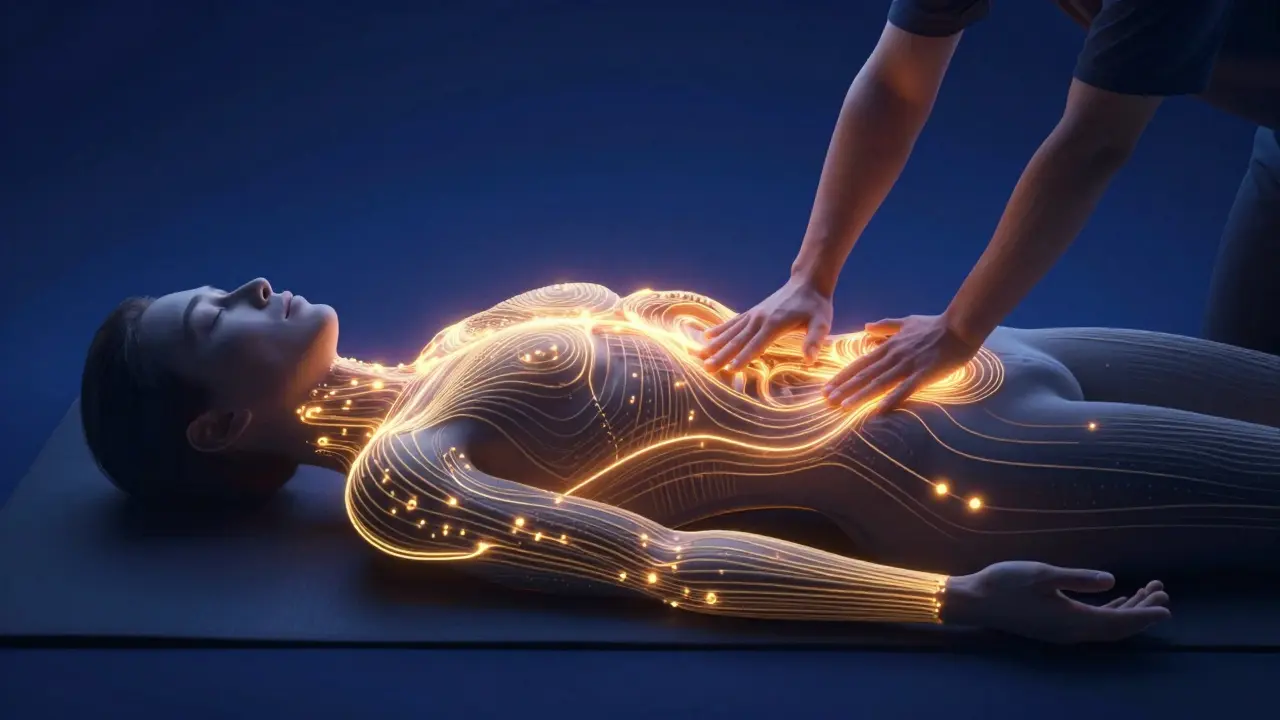
The core philosophy revolves around energy flow. In Western medicine, we talk about blood circulation and nerve signals. In Thai tradition, they talk about Sen lines. These are invisible energy channels that run through the body, similar to meridians in Traditional Chinese Medicine. When these lines are blocked, pain and illness occur. The goal of the therapist is to open these lines using specific techniques.
There are two main styles you will encounter today:
- Nuad Paen Boran (Traditional Thai Massage): This is the standard style found in most spas. It involves rhythmic compression, stretching, and rocking. It is gentle enough for most people but effective for releasing tension.
- Nuad Sen (Deep Tissue/Energy Line Work): This is more advanced and can be quite painful. Practitioners use their elbows, knees, and thumbs to press deeply into muscle knots and along the Sen lines. It is less about relaxation and more about structural correction and deep release.
Knowing the difference helps you choose the right session. If you are new to this, start with Nuad Paen Boran. If you are an athlete or have chronic tightness, ask for Nuad Sen, but warn the therapist about your pain tolerance.
The Mechanics: How Therapists Move Your Body
You might wonder how a therapist can move you without hurting themselves or you. The answer lies in leverage and gravity. Thai bodywork practitioners do not rely on brute strength. They use their body weight to apply pressure and use your own momentum to stretch you further.
Here are the primary tools and techniques used during a session:
- Palm Compression: The therapist presses firmly along the limbs and spine using their palms. This warms up the tissues and stimulates blood flow.
- Thrusting and Rocking: Rhythmic movements help loosen stiff joints and calm the nervous system. Think of it like shaking out a rug to remove dust.
- Stretching: This is the signature move. You will be pulled into poses that mimic yoga, such as the Happy Baby pose or forward folds. Because the therapist supports your weight, you can go deeper than you could alone.
- Foot Walking: For larger muscle groups like the back and thighs, therapists may walk on you. Their feet act as broad, stable platforms for even pressure distribution.
The entire session usually takes place on a firm mat on the floor. This allows the therapist to move around you freely and use their full range of motion. You wear loose, comfortable clothing so nothing restricts movement.
The Science Behind the Stretch
While the tradition speaks of energy lines, modern science looks at anatomy and physiology. Research suggests that Thai bodywork provides measurable physical benefits that go beyond placebo.
A study published in the Journal of Bodywork and Movement Therapies found that Thai massage significantly reduced cortisol levels, the hormone associated with stress. Participants reported lower anxiety scores and improved mood after sessions. This aligns with the practice’s reputation for mental clarity.
Physically, the stretching component improves flexibility. A clinical trial involving older adults showed that regular Thai massage increased range of motion in the shoulders and hips. This is crucial for preventing falls and maintaining independence as we age.
Furthermore, the compression techniques stimulate the lymphatic system. Lymph fluid carries waste products away from cells. By manually compressing tissues, therapists encourage this drainage, which can reduce swelling and boost immune function. While more large-scale studies are needed, the existing evidence supports Thai bodywork as a valid complementary therapy for pain management and stress reduction.
Who Should Try Thai Bodywork?
Thai bodywork is versatile, but it is not for everyone. Understanding who benefits most can help you make an informed decision.
| Profile | Why It Helps | Considerations | |
|---|---|---|---|
| Sedentary Office Workers | Reverses hunching posture, opens chest and hips | May feel intense initially due to stiffness | |
| Yoga Practitioners | Enhances flexibility, introduces new poses | Complements active practice well | |
| Athletes | Improves recovery, reduces muscle soreness | Request Nuad Sen for deeper work | |
| Elderly Individuals | Maintains joint mobility, prevents stiffness | Must inform therapist of limitations |
If you enjoy being passive rather than active during exercise, this is ideal. You don’t have to hold poses or worry about form. The therapist does the work. However, if you prefer a quiet, dark room with soft music and no talking, Thai bodywork might be too stimulating. It is a social, interactive experience.
What to Avoid: Contraindications
Despite its benefits, Thai bodywork is physically demanding. There are specific conditions where you should avoid it or consult a doctor first.
- Recent Fractures or Surgery: The stretching and pressure can disrupt healing bones or tissues. Wait until fully cleared by your surgeon.
- Pregnancy: While prenatal Thai massage exists, it requires specialized training. Standard Thai bodywork involves positions that may not be safe for pregnant women. Always seek a certified prenatal therapist.
- Severe Osteoporosis: The pressure applied, especially foot walking, can risk fractures in brittle bones. Gentle modifications are necessary.
- Acute Inflammation: If you have a fresh sprain, strain, or fever, avoid deep pressure and stretching on the affected area.
- Heart Conditions: The inversions and vigorous movements can affect blood pressure. Consult your cardiologist beforehand.
Communication is key. Before the session starts, tell your therapist about any injuries, surgeries, or health concerns. A good practitioner will adjust their technique or skip certain moves entirely.
How to Prepare for Your First Session
Your first Thai bodywork experience sets the tone for future visits. Preparation ensures you get the most out of the hour.
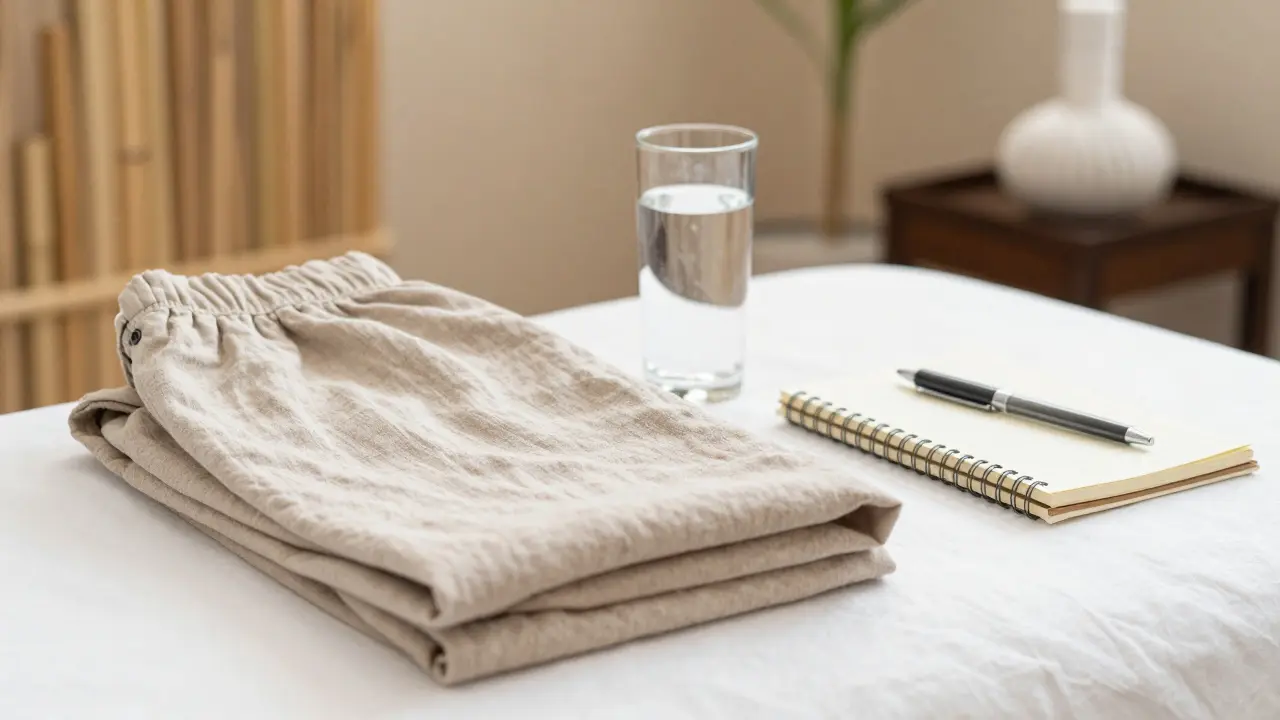
Wear Comfortable Clothes: Unlike oil massages, you keep your clothes on. Choose loose-fitting pants and a t-shirt that allow for full range of motion. Avoid jeans, dresses, or restrictive waistbands. Many clinics provide simple cotton outfits if you prefer.
Eat Lightly: Do not go on a full stomach. The compression on your abdomen can cause discomfort if you just had a heavy meal. A light snack is fine, but wait at least an hour before your appointment.
Hydrate: Drink water before and after the session. The movement of fluids in your body increases, and hydration helps flush out metabolic waste released from muscles.
Arrive Early: Use the extra time to relax. Deep breathing exercises can help calm your mind and prepare your body for the stretches ahead.
Finding a Qualified Practitioner
Not all "Thai massages" are created equal. In some regions, the term is used loosely for any full-body massage. To ensure safety and authenticity, look for credentials.
Certified Thai bodywork practitioners typically train for hundreds of hours in accredited schools, both in Thailand and internationally. Look for certifications from recognized bodies like the American Massage Therapy Association (AMTA) or specific Thai massage institutes. Ask potential therapists about their training background. A genuine practitioner will be happy to explain their lineage and technique.
During the consultation, observe their communication style. They should ask about your health history and check in with you during the session regarding pressure levels. Consent is continuous in Thai bodywork; you can say "stop" or "lighter" at any time.
Integrating Thai Principles Into Daily Life
You don’t need a therapist to benefit from Thai bodywork concepts. You can incorporate self-care practices inspired by the tradition.
Self-Stretching: Learn basic Thai stretches, such as pulling one knee to the opposite shoulder or gently twisting your spine. Perform these slowly and breathe deeply.
Mindful Breathing: Thai bodywork emphasizes synchronized breathing. Practice inhaling as you stretch and exhaling as you deepen the pose. This calms the nervous system and enhances flexibility.
Regular Movement: Sedentary lifestyles block energy flow. Take breaks every hour to stand, stretch, and walk. Simple movements keep the Sen lines open.
By adopting these habits, you maintain the benefits between professional sessions and take control of your own wellness journey.
Does Thai bodywork hurt?
It can feel intense, but it should not be painful. The stretching may feel challenging, and the pressure can be firm, especially in Nuad Sen. However, sharp pain is a sign to stop. Communicate with your therapist to adjust the intensity. Discomfort is normal; injury is not.
Do I need to undress for Thai massage?
No. You remain fully clothed throughout the session. Wear loose, comfortable clothing that allows for easy movement. Some clinics provide special outfits, but your own clothes are perfectly fine.
How often should I get Thai bodywork?
For general maintenance, once a month is sufficient. If you are dealing with chronic pain or high stress, weekly or bi-weekly sessions may be beneficial. Listen to your body and adjust frequency based on your needs and budget.
Is Thai bodywork safe for seniors?
Yes, when performed by a trained professional. Therapists modify stretches and pressure for older clients. It can improve mobility and reduce stiffness. However, those with osteoporosis or balance issues should inform the therapist to ensure safety.
What is the difference between Thai massage and Yoga?
Yoga is active; you hold the poses yourself. Thai bodywork is passive; the therapist moves you into the poses. Both improve flexibility and mindfulness, but Thai bodywork requires zero effort from the client, making it accessible for those who cannot perform yoga independently.