
Thai Massage: A Unique Approach to Body Healing
 Mar, 17 2026
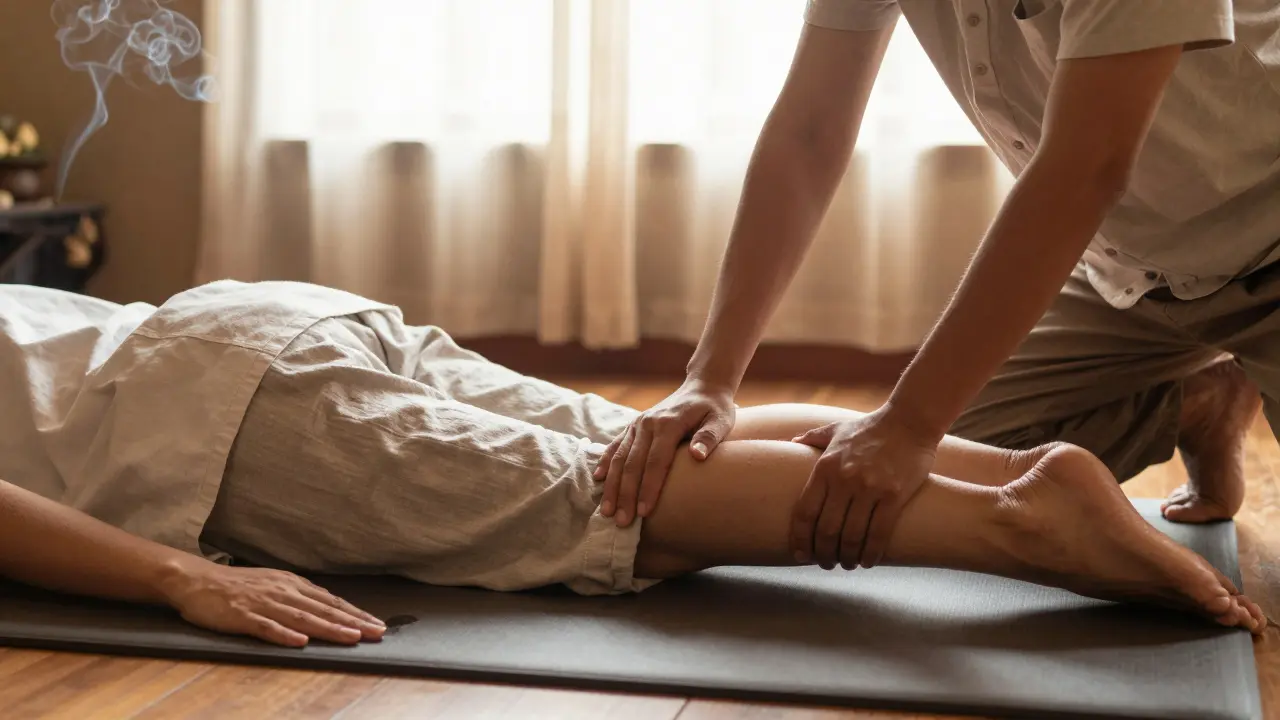
Thai massage isn’t just another type of bodywork. It’s a living tradition passed down for over 2,500 years, blending acupressure, yoga-like stretches, and assisted meditation. Unlike Swedish or deep tissue massage, you don’t lie on a table in silence. You’re fully clothed, lying on a mat on the floor, and your therapist uses their hands, elbows, knees, and even feet to guide your body through a sequence of movements. It’s not about relaxing your muscles alone-it’s about freeing blocked energy, restoring balance, and waking up your whole system.
How Thai Massage Works Differently
Most Western massages focus on muscles, tendons, and knots. Thai massage targets something deeper: the sen lines. These are energy pathways, similar to meridians in Traditional Chinese Medicine, that run through the body. There are 72,000 of them, but practitioners focus on 10 main lines that connect vital organs and joints. When these lines get blocked-by stress, injury, or poor posture-you feel stiff, tired, or even emotionally drained.
Thai massage therapists use rhythmic compressions along these lines, not just to loosen tissue but to stimulate circulation and nerve response. Think of it like rebooting your body’s internal wiring. A 2023 study from Chiang Mai University found that participants who received weekly Thai massage for six weeks showed a 34% improvement in range of motion and a 28% reduction in perceived stress levels, measured by cortisol levels.
The Role of Movement and Stretching
You won’t be asked to stretch on your own. Instead, your therapist gently moves you through poses that resemble yoga asanas, but with more support and precision. One common sequence involves pulling your leg toward your chest while pressing along the hamstring, then rotating your hip to open the pelvis. These aren’t random moves. Each stretch is designed to release tension in specific sen lines and improve joint mobility.
For example, the "banana boat" stretch-where you lie on your side and your therapist gently bends your top leg backward-targets the hip flexors and the sen sumana line, which runs from the foot up to the head. People who sit all day at a desk often feel immediate relief after this move. It’s not about how far you can go; it’s about how deeply your body can let go.
What Happens During a Session
A typical session lasts 60 to 90 minutes. You’ll wear loose, comfortable clothing-no oils, no undressing. The therapist starts at your feet and works upward, using thumb pressure, palm compressions, and rocking motions. You might feel a deep ache at first, especially around the shoulders or lower back, but it should never feel sharp or painful. The rhythm is slow and intentional, like a slow dance between two people.
Many people describe it as "painful relief." It’s the kind of discomfort that makes you sigh, then relax. That’s because the pressure isn’t meant to break tissue-it’s meant to reset it. The therapist uses their body weight, not brute strength, to apply pressure. A skilled practitioner will adjust pressure based on your breathing, not just your words.
Who Benefits Most
Thai massage isn’t for everyone, but it’s incredibly effective for certain groups:
- People with chronic stiffness from sitting or repetitive motion
- Those recovering from mild injuries (with doctor’s clearance)
- Anyone feeling mentally drained but not sure why
- Yoga practitioners looking to deepen their flexibility
- People who’ve tried other massages but still feel tight
It’s not ideal if you have osteoporosis, recent fractures, severe arthritis, or are in the first trimester of pregnancy. Always tell your therapist about any health conditions. A good practitioner will modify the session-switching from deep pressure to gentle rocking, for example.
Where It Comes From
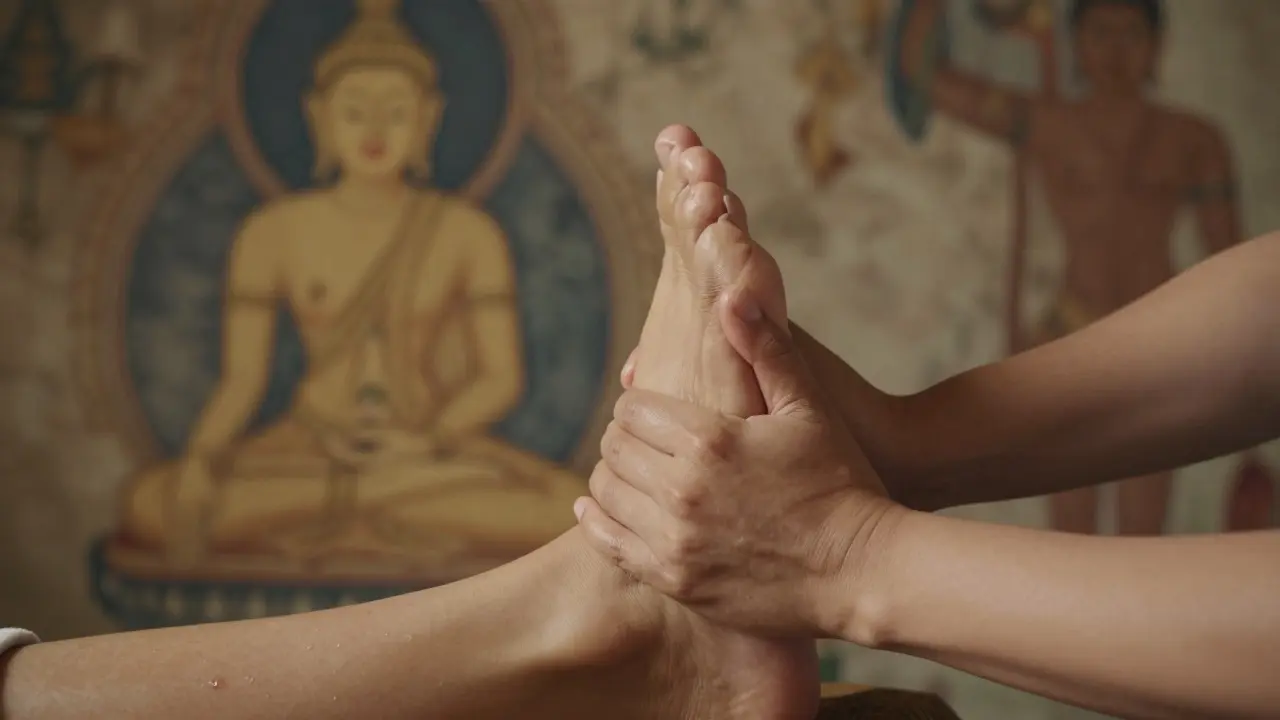
Thai massage was developed by Jivaka Kumar Bhaccha, a physician and contemporary of the Buddha, over 2,500 years ago. He combined Indian Ayurvedic practices with traditional Thai healing and Buddhist meditation. For centuries, it was taught in temples, where monks practiced it as both healing and spiritual discipline. Today, the Wat Po Temple in Bangkok is still the most respected school for Thai massage training.
What makes it unique is that it’s not just a treatment-it’s a ritual. The session often begins with a short prayer or bow, and the therapist may chant softly as they work. This isn’t theater. It’s a way of honoring the tradition and staying present. The energy of the space matters as much as the technique.
What to Expect After
Right after a session, you might feel a little dizzy or lightheaded. That’s normal. Your nervous system has been recalibrated. Drink water. Avoid caffeine or heavy meals for the next few hours. Some people feel energized. Others feel deeply relaxed, even sleepy. Both are signs it worked.
Most people notice improved posture within two sessions. Tight shoulders loosen. Hip pain eases. Breathing becomes deeper. One woman in Sydney, who’d been dealing with sciatica for three years, said after three Thai massage sessions, she could walk to the bus stop without pain for the first time in over a year. She didn’t need painkillers anymore.
How to Find a Good Practitioner
Not all "Thai massage" studios offer authentic therapy. Look for these signs:
- The therapist uses their body weight, not just hands
- You’re fully clothed-no oils or sheets
- The room is quiet, clean, and on a mat, not a table
- The session includes stretching, not just pressure
- They ask about your health, not just your pain
A certified Thai massage therapist usually has at least 200 hours of training from a recognized school like Wat Po or the Traditional Medicine Hospital in Chiang Mai. Ask if they were trained in Thailand. If they say "I took a weekend course," walk away.
Why It Stands Out
Thai massage doesn’t promise miracles. But it delivers something rarer: lasting change. It doesn’t mask pain. It helps your body remember how to move well again. You’re not just being rubbed-you’re being guided back into alignment.
That’s why it’s still practiced the same way today as it was in ancient temples. The tools haven’t changed. The science is just catching up.