
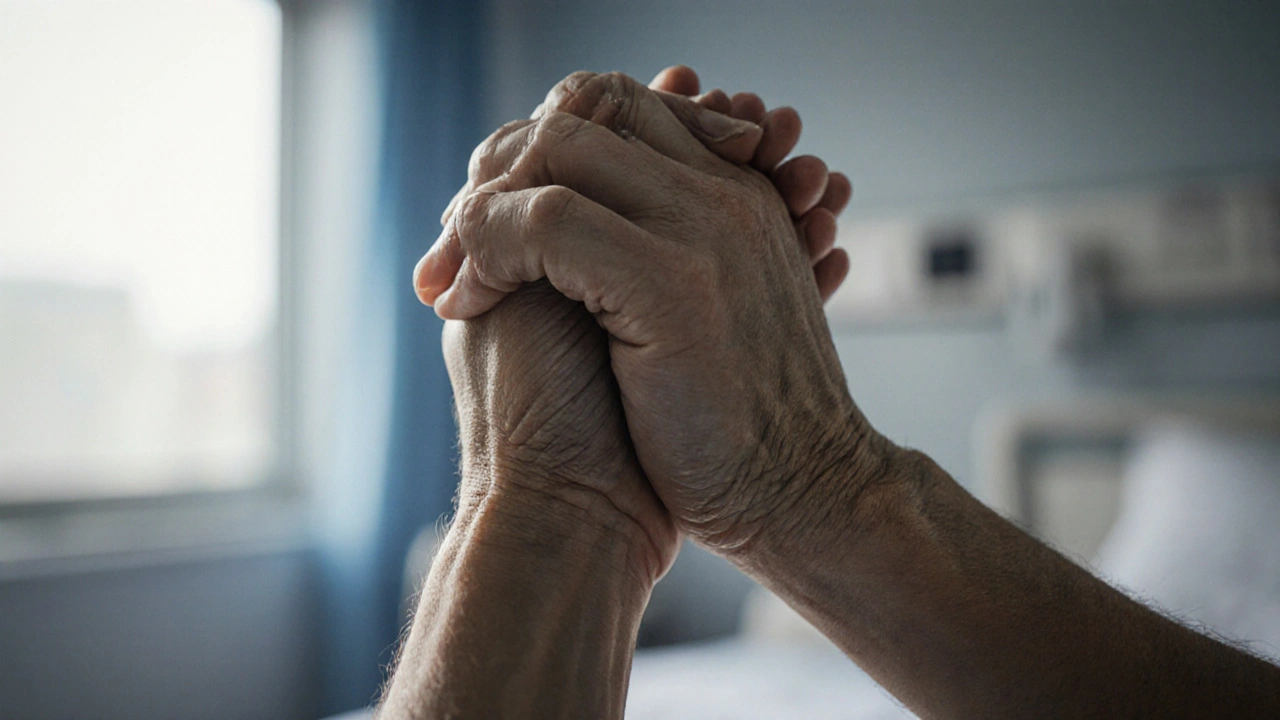
The Healing Power of Touch: How Human Contact Heals Body and Mind
Discover how human touch reduces stress, lowers pain, and heals emotional wounds through biology, not belief. Real science behind the power of a simple handhold.
Read MoreWhen you think of physical touch, the deliberate, therapeutic contact between two people that triggers biological responses like lowered cortisol and increased oxytocin. Also known as therapeutic touch, it's not just about comfort—it's medicine your body understands instinctively. Science shows that even five minutes of intentional touch can slow your heart rate, ease muscle tension, and quiet the noise in your mind. This isn’t magic. It’s biology. Your nervous system was built to respond to safe, steady pressure—from a parent’s hand on a child’s forehead to a therapist’s fingers working along your spine.
Massage therapy, a structured form of physical touch used to relieve pain, reduce stress, and improve circulation is one of the most direct ways to harness this power. Whether it’s the gentle strokes of Swedish massage, a rhythmic, flowing technique designed to relax the entire body or the focused pressure of trigger point massage, a method that targets deep knots in muscles to release chronic pain, each type of touch works differently but shares the same goal: helping your body reset. You don’t need a spa to feel the difference. Even a 10-minute scalp massage—like Champissage, an ancient Indian technique that uses fingertips to stimulate pressure points on the head and neck—can cut stress in half and help you sleep deeper.
Physical touch also plays a quiet but vital role in serious health situations. In hospitals and hospices, palliative massage, a gentle, non-invasive form of touch used to comfort people facing serious illness helps reduce nausea, anxiety, and the feeling of isolation. It’s not about curing—it’s about reminding someone they’re not alone. Similarly, polarity therapy, a gentle energy-based approach that balances the body’s natural fields through light touch and movement, shows how touch can influence more than muscles—it can shift your whole state of being. These aren’t fringe ideas. They’re used by doctors, nurses, and patients because they work.
And it’s not just about pain or illness. Physical touch is how your body learns to relax after a long day. The warmth of a bamboo rod gliding along your back, the suction of cupping releasing tight fascia, the slow pressure of an abdominal massage realigning your organs—all of these are variations of the same human act: someone using their hands to help you feel safe again. You don’t need expensive tools or complex rituals. Sometimes, just being touched—gently, intentionally, without hurry—is enough to bring you back to yourself.
Below, you’ll find real guides to the most effective forms of touch—from ancient traditions still used today to modern techniques backed by clinical studies. Whether you’re dealing with chronic pain, struggling to sleep, or just need to feel grounded, there’s a method here that matches what your body is asking for.
Discover how human touch reduces stress, lowers pain, and heals emotional wounds through biology, not belief. Real science behind the power of a simple handhold.
Read More