
Stone Massage: An Ancient Remedy for Modern Stress
 Dec, 30 2025
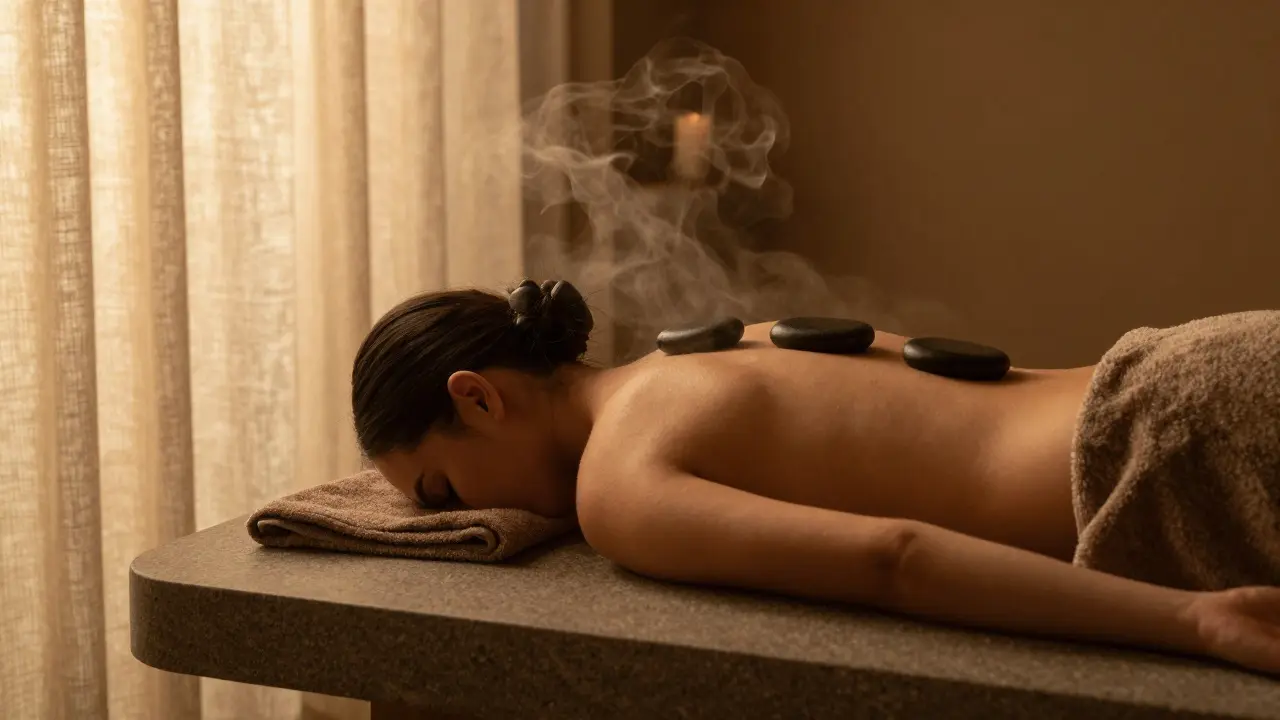
Imagine lying down as warm stones, smooth and heavy, are placed along your spine, between your shoulders, and along your legs. The heat seeps into your muscles, not like a heating pad, but deeper-like the sun warming stone after a long day. Your breath slows. Your jaw unclenches. For the first time in weeks, you’re not thinking about deadlines, emails, or the noise of the city. This isn’t magic. It’s stone massage-an ancient practice that’s been quietly helping people unwind for over 5,000 years.
What Exactly Is Stone Massage?
Stone massage, also called hot stone therapy, uses heated basalt stones-volcanic rock naturally smooth from river erosion-to relax muscles and improve circulation. Cold stones, usually marble, are sometimes used too, to reduce inflammation or calm overactive nerves. The stones are heated to between 40°C and 54°C (104°F to 130°F), depending on the client’s sensitivity and the therapist’s technique.
Unlike traditional massage, where pressure comes from hands alone, stone massage uses the weight and heat of the stones as extensions of the therapist’s touch. The heat helps muscles release tension faster, allowing deeper work without force. It’s not about pushing harder-it’s about letting go easier.
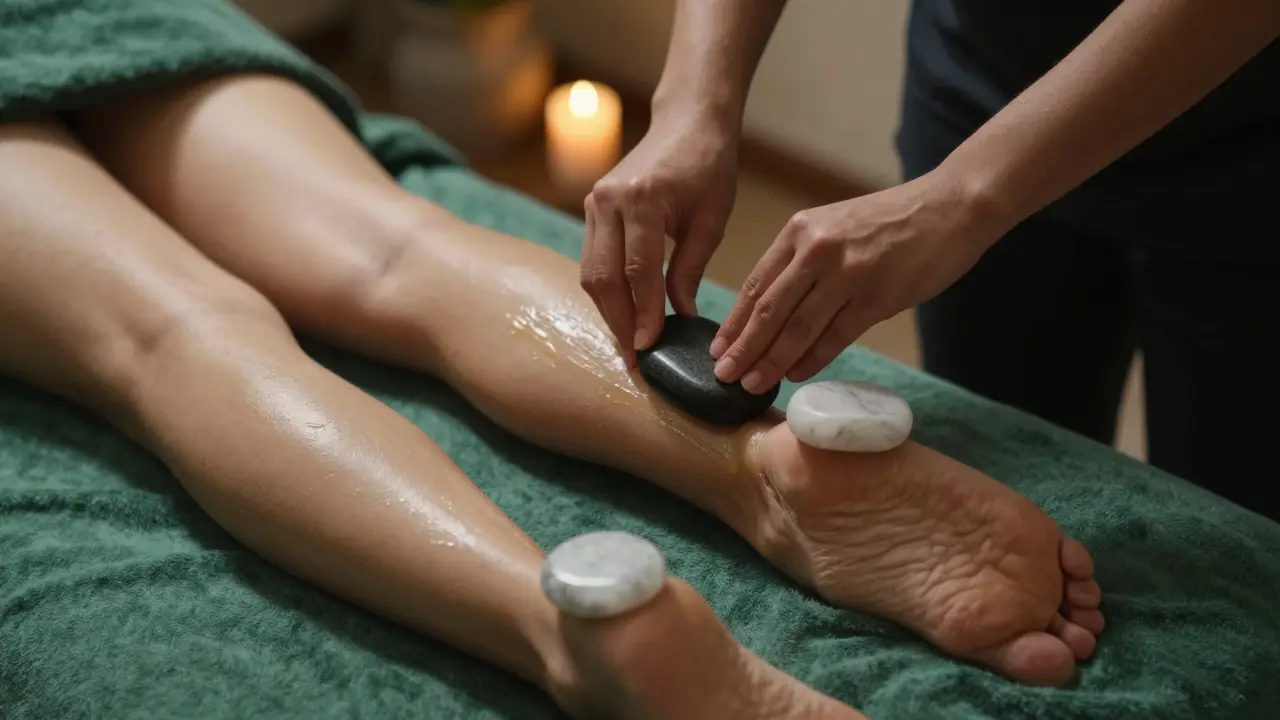
Therapists place stones along energy lines in the body, similar to acupuncture meridians, and use them to glide over skin, press into tight spots, or rest on key points like the palms, soles, or chakras. Some sessions alternate hot and cold stones to create a pumping effect that boosts lymphatic flow. It’s not just relaxing-it’s regulating.
Where Did Stone Massage Come From?
The practice isn’t new. Ancient cultures used heated stones for healing long before modern spas existed. In China, around 2,000 BCE, hot stones were applied to treat pain and improve energy flow. Native American tribes used heated stones in sweat lodges for purification and healing. Ayurvedic texts from India mention stone therapy as part of detox rituals.
The modern version, as most people know it today, was popularized in the 1990s by Mary Nelson, a therapist from Arizona. She trademarked the term LaStone Therapy a trademarked system of stone massage that combines heated and cooled stones with traditional massage techniques. But even before that, therapists in Hawaii, Japan, and parts of Europe had been using heated stones in their treatments for decades.
What makes it timeless? It’s simple. Heat relaxes. Pressure releases. And when you combine both, your body doesn’t just feel better-it resets.
Why It Works for Modern Stress
Stress isn’t just in your head. It lives in your shoulders, your neck, your lower back. Chronic stress keeps your nervous system stuck in fight-or-flight mode. Your muscles stay tight. Your breathing gets shallow. Your sleep suffers.
Stone massage directly targets this. The heat from the stones activates the parasympathetic nervous system-the part of your body that says, “It’s safe to relax now.” Studies from the Journal of Alternative and Complementary Medicine found that participants who received hot stone massage showed a 30% drop in cortisol levels within 48 hours. Cortisol is your body’s main stress hormone. Lower cortisol means less anxiety, better sleep, and more energy.
Unlike a quick 15-minute neck rub at the office, stone massage gives your body the time and warmth it needs to truly unwind. The slow, steady heat doesn’t just soothe-it signals safety. Your muscles don’t just loosen; they remember how to let go.
What Happens During a Session?
A typical session lasts 60 to 90 minutes. You lie on a heated table, covered with towels. The therapist warms the stones in water, never in a microwave or electric warmer alone-temperature control matters. Too hot, and you risk burns. Too cool, and it won’t work.
The session usually starts with the stones placed along your spine and back. Then, they’re moved to your legs, feet, arms, and hands. Some therapists place stones on your forehead or between your palms. The stones stay in place for several minutes at a time, letting heat penetrate deep tissue.
After the stones are positioned, the therapist uses them to perform long, gliding strokes. They might also use their hands to apply pressure where needed. The combination of heat and touch creates a unique rhythm-slow, deep, and calming.
You don’t need to do anything. No talking. No stretching. Just breathe. Many people fall asleep. Others cry. Both are normal. This isn’t just a massage-it’s an emotional release.
Who Should Try It?
Stone massage isn’t for everyone, but it helps more people than you’d think:
- People with chronic muscle tension from sitting at desks all day
- Those recovering from injury (once cleared by a doctor)
- People with fibromyalgia or arthritis-heat reduces joint stiffness
- Anyone dealing with anxiety, insomnia, or burnout
- Athletes looking to speed up recovery after training
It’s especially effective for people who’ve tried other massages but still feel “tight.” If deep tissue hurts too much and Swedish feels too light, stone massage hits the sweet spot.
But avoid it if you have:
- Open wounds or recent burns
- Severe diabetes with nerve damage (you might not feel if a stone is too hot)
- Active blood clots or varicose veins
- Feeling unwell with fever or infection
- Pregnancy (unless done by a certified prenatal therapist)
How Often Should You Get It?
One session can make a difference. But real change takes consistency.
If you’re dealing with high stress-say, working long hours, caring for kids, or managing a chronic condition-aim for once every two weeks for a month. After that, once a month is enough to maintain the benefits.
Some people keep it up year-round. Others use it as a seasonal reset-like a deep cleanse after winter or before summer. In Sydney, where summer heat can leave people drained, many schedule a stone massage in late February to reboot before the new year.
The key isn’t frequency. It’s listening to your body. If you wake up feeling heavier than usual, or your shoulders are clenched again, it’s time.
What to Expect Afterward
You’ll feel lighter. Calmer. Slower.
Some people feel deeply relaxed for hours. Others report better sleep that night. A few feel a bit achy-like after a good workout. That’s normal. The stones moved tension that had been stuck for months. Your body is processing it.
Drink water. Avoid caffeine or alcohol for a few hours. Don’t jump into a cold shower right after. Let your body cool down naturally. Many people nap. That’s not laziness-it’s recovery.
And here’s something most therapists won’t tell you: the effects build over time. After three sessions, people often say, “I didn’t realize how tense I was until I felt what it’s like to be relaxed.”
Can You Do It at Home?
You can try. But it’s not the same.
Basalt stones are dense and hold heat longer than regular rocks. You can buy them online-usually sold in sets of 10 to 20. But heating them safely is tricky. A slow cooker or rice warmer works, but you need a thermometer. Stones that are too hot can burn your skin. Stones that cool too fast won’t help.
Some people use hot water bottles or electric heating pads instead. But those don’t have the weight or the natural texture of real stones. The magic of stone massage isn’t just heat-it’s the combination of weight, shape, and natural material pressing into your body.
At-home kits can help with minor tension, but they can’t replace the skill of a trained therapist who knows where to place the stones and how long to leave them. Think of it like comparing a DIY foot soak to a professional pedicure.
Is It Worth the Cost?
A session in Sydney usually costs between $100 and $180, depending on the spa, length, and therapist experience. That’s more than a regular massage. But here’s the thing: you’re not just paying for time. You’re paying for restoration.
Compare it to the cost of missed work, poor sleep, or medications for tension headaches. One stone massage might save you from a week of discomfort. For many, it’s the only thing that gives them real relief.
Some health funds in Australia cover it under “natural therapies” if you have extras cover. Check your policy. Even if it’s not covered, consider it an investment in your nervous system. You wouldn’t skip an oil change for your car. Don’t skip this for your body.
Final Thought: It’s Not a Trend. It’s a Return.
Stone massage isn’t trendy. It’s timeless. In a world that’s always pushing-more speed, more output, more noise-it’s one of the few things that asks you to do nothing. Just lie there. Let heat do the work. Let silence take over.
It doesn’t promise miracles. But if you’ve been holding your breath for too long, this might be the moment you finally let it out.
Is stone massage safe during pregnancy?
Yes, but only with a therapist trained in prenatal massage. Hot stones are usually avoided on the abdomen and lower back. Cold stones may be used instead to reduce swelling. Always inform your therapist you’re pregnant before the session.
Do the stones leave marks on the skin?
No, not when done correctly. The stones are always wrapped in towels or applied with oil to prevent direct contact. Any redness you see is temporary and fades within minutes. If you notice burns or blisters, the stones were too hot or left on too long-this should never happen with a trained therapist.
How long do the stones stay hot?
Basalt stones retain heat for 30 to 45 minutes. Therapists work quickly, rotating stones as they cool. During a 60-minute session, you’ll feel consistent warmth throughout because fresh stones are constantly being introduced.
Can stone massage help with chronic pain?
Many people with chronic pain from arthritis, fibromyalgia, or back injuries report relief. The heat increases blood flow to stiff areas, and the weight of the stones reduces the need for deep pressure, which can be painful. It’s not a cure, but it can reduce reliance on painkillers and improve daily mobility.
What’s the difference between hot stone and Swedish massage?
Swedish massage uses hands only and focuses on long, flowing strokes to relax surface muscles. Hot stone massage uses heated stones to penetrate deeper, faster. The heat allows the therapist to work more deeply with less pressure, making it ideal for people who find deep tissue too intense. It’s often more calming and less physically demanding for the client.
Are cold stones used in stone massage?
Yes. Cold marble stones are often used after hot stones to reduce inflammation, calm overactive nerves, or soothe swollen areas like ankles or wrists. The contrast between hot and cold can stimulate circulation and help the body reset its natural balance.
If you’ve been carrying stress in your body for years, stone massage doesn’t erase it. But it gives you a moment-just one quiet hour-to feel what it’s like to be free of it. And sometimes, that’s enough to start healing.