
Sports Massage for Pain Relief: Techniques, Benefits, and Recovery Guide
 Aug, 2 2026
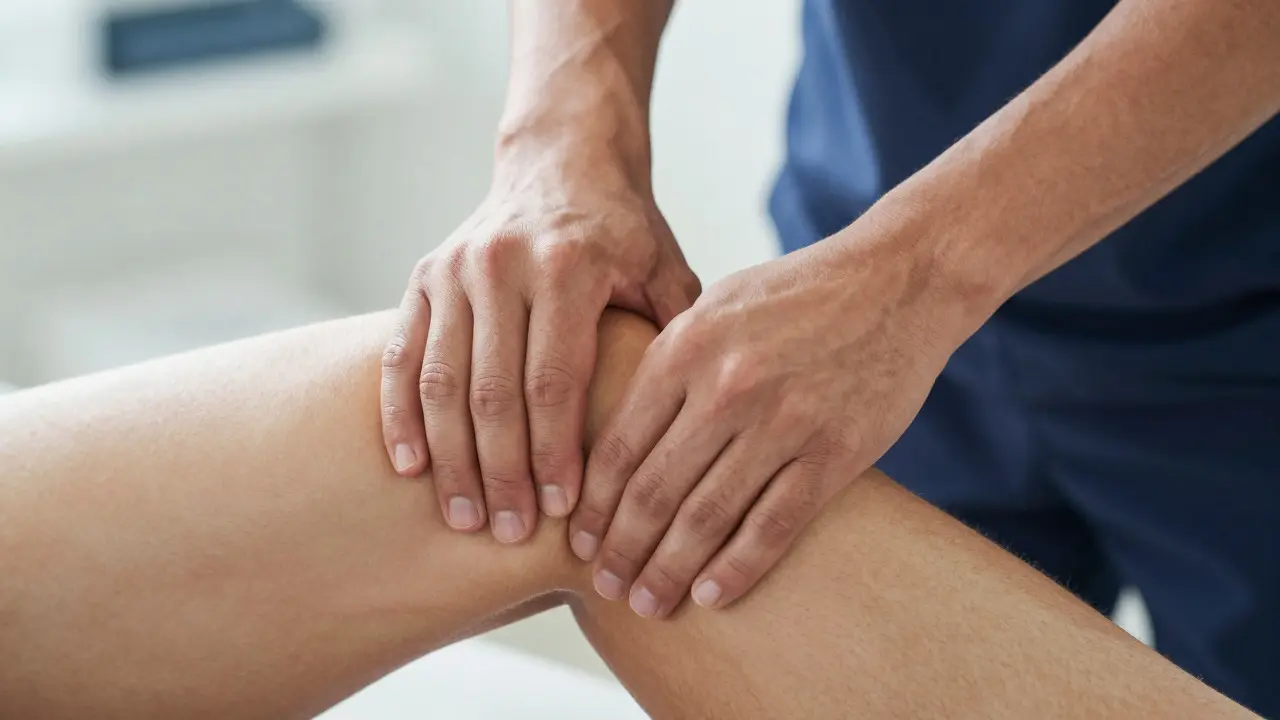
That tight knot in your lower back after a long run or the stiffness in your shoulders from lifting weights isn't just annoying-it's your body screaming for help. You might be popping painkillers or icing the area, but there is a more direct way to talk to your muscles. Sports massage is a specialized form of bodywork designed to prevent and treat injuries, enhance athletic performance, and aid in recovery. Unlike a relaxing spa session, this therapy targets specific muscle groups involved in movement, using pressure and technique to break down tension and restore function.
If you are an athlete, a weekend warrior, or someone who sits at a desk all day with poor posture, understanding how sports massage works can change how you handle pain. It is not magic, but it is science-backed mechanics applied to soft tissue. Here is exactly how it reduces pain, releases tension, and gets you moving again.
How Sports Massage Actually Works on Muscles
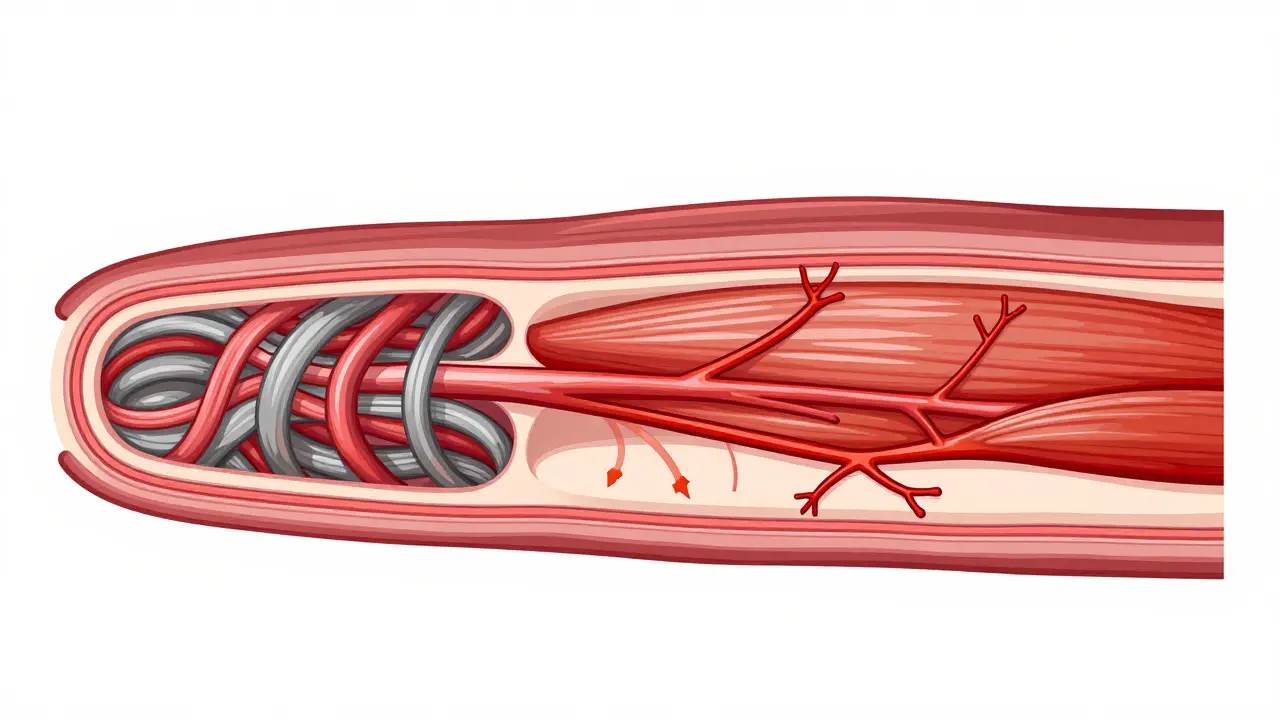
To understand why sports massage helps, you have to look at what happens inside your muscles when they get tense. When you overuse a muscle or hold it in one position for too long, microscopic tears occur in the fibers. The body repairs these tears, but sometimes the repair process creates adhesions-sticky bands of scar tissue that bind muscle layers together. These adhesions restrict blood flow and limit range of motion.
Myofascial release is a technique used in sports massage to stretch and manipulate the fascia, the connective tissue surrounding muscles, to relieve pain and improve mobility. A therapist applies sustained pressure into the restrictive pattern of the fascia until it releases. Think of it like untangling a knotted rope. If you pull on the ends, the knot stays. But if you apply pressure directly to the center and work outward, the fibers slide past each other again.
This process also triggers the parasympathetic nervous system. When you are in pain, your body is often stuck in a "fight or flight" mode, keeping muscles contracted as a defense mechanism. The rhythmic pressure of massage signals safety to the brain, lowering cortisol levels and allowing the muscles to physically let go of their guard. This shift is crucial because relaxed muscles receive better blood flow, which brings oxygen and nutrients needed for healing.
Key Techniques Used for Pain Reduction
Not all massage is created equal. A general relaxation massage uses light, flowing strokes. Sports massage is more aggressive and targeted. Therapists use a toolkit of specific methods depending on whether you are dealing with acute injury, chronic tension, or pre-event preparation.
- Effleurage: Long, gliding strokes used at the beginning and end of a session. This warms up the tissue and increases circulation without causing further irritation.
- Petrissage: Kneading and squeezing of the muscle belly. This helps to lift the muscle off underlying structures, improving elasticity and breaking up minor adhesions.
- Friction: Deep, circular movements applied across the grain of the muscle. This is essential for treating tendonitis and breaking down scar tissue in specific spots, like the Achilles tendon or rotator cuff.
- Trigger Point Therapy: Direct, focused pressure on hyper-irritable spots within a taut band of muscle. When a therapist hits a trigger point, you might feel a sharp ache that radiates elsewhere (referred pain). Releasing this point often eliminates pain in seemingly unrelated areas.
- Deep Tissue Massage: Slower strokes with firm pressure to reach deeper layers of muscle and fascia. This is the go-to for chronic patterns of tension, such as a perpetually tight neck or lower back.
The choice of technique depends entirely on your current state. If you just twisted your ankle yesterday, deep friction might hurt too much. Instead, the therapist will focus on effleurage to reduce swelling. If you have had tight hamstrings for six months, deep tissue and trigger point work are necessary to make a real difference.
Acute vs. Chronic Pain: Different Approaches
One common mistake people make is getting the same type of massage regardless of when the pain started. Timing matters. In the world of physical therapy, we distinguish between acute and chronic conditions, and the massage approach changes accordingly.
| Factor | Acute Pain (Recent Injury) | Chronic Pain (Long-term Tension) |
|---|---|---|
| Onset | Sudden, usually within 72 hours of injury | Gradual, lasting weeks, months, or years |
| Primary Goal | Reduce inflammation, manage swelling | Break down scar tissue, restore mobility |
| Technique Intensity | Light to moderate, indirect pressure | Firm to deep, direct pressure |
| Best Techniques | Effleurage, gentle stretching | Deep tissue, trigger point, friction |
| Frequency | Once or twice during the first week | Weekly or bi-weekly for maintenance |
If you sprain your wrist playing tennis, going straight into deep tissue massage can increase bleeding and swelling, making the injury worse. The therapist will use light strokes to encourage lymphatic drainage, helping the body flush out excess fluid. Conversely, if you have lower back pain from sitting in an office chair every day for five years, light touch won't do much. You need the mechanical force of deep tissue work to remodel the collagen fibers in your fascia and release the chronic contraction.
The Role of Sports Massage in Recovery
Recovery is not just about rest; it is about active restoration. Many athletes believe that soreness is a badge of honor, but excessive Delayed Onset Muscle Soreness (DOMS) can hinder training consistency. Sports massage accelerates the removal of metabolic waste products like lactic acid, although recent research suggests lactic acid clears faster than previously thought. The bigger benefit is the improvement in microcirculation.
When blood vessels dilate due to massage pressure, fresh oxygenated blood flows into tissues that have been starved by tightness. This environment promotes faster repair of micro-tears. Additionally, regular sports massage can help maintain optimal muscle length. Over time, repetitive movements cause muscles to shorten. For example, runners often develop tight hip flexors. If left unchecked, these short muscles pull on the pelvis, leading to lower back pain. Regular massage keeps these muscles pliable, preserving proper biomechanics and preventing compensatory injuries elsewhere in the chain.
What to Expect During Your First Session
Walking into a clinic for sports massage can feel intimidating if you are used to spa environments. There is no dim lighting or essential oils masking the smell of hard work. The room is clinical, bright, and focused on assessment. Before any oil touches your skin, the therapist will ask questions. Where does it hurt? What activities trigger it? Have you had any surgeries? This consultation is vital because sports massage is diagnostic as well as therapeutic.
During the session, communication is key. Pain on a scale of 1 to 10 should ideally sit around a 6 or 7. If it’s a 9, tell them. It doesn’t mean “no pain, no gain.” It means the nervous system is guarding against perceived threat, which causes muscles to tighten further. A good therapist will adjust pressure instantly. You will likely lie face down for most of the session, wearing shorts or underwear, covered by sheets except for the area being worked on. Afterward, you might feel tender for 24 to 48 hours. This is normal. Drink plenty of water to help your kidneys filter out the metabolic byproducts released from the tissues.

Preventing Future Injuries Through Maintenance
The true power of sports massage lies in prevention. Waiting until you are injured to seek treatment is reactive. Proactive maintenance involves scheduling sessions regularly, even when you feel fine. Think of it like changing the oil in your car. You don’t wait for the engine to seize; you change it before wear becomes damage.
For competitive athletes, this might mean weekly sessions during peak training seasons. For recreational gym-goers, a monthly session can catch small issues before they become big problems. By identifying tightness in the calves, for instance, a therapist can address it before it leads to shin splints or plantar fasciitis. This proactive approach saves money in the long run by reducing the need for expensive physical therapy or medical interventions later.
Combining Massage with Other Therapies
Sports massage works best when integrated into a broader health strategy. It is rarely a standalone cure. Combining it with strength training, flexibility exercises, and proper nutrition creates a synergistic effect. For example, releasing tight hip flexors through massage makes your stretching routine more effective. Better flexibility allows for deeper squats, which builds stronger glutes. Stronger glutes take pressure off the lower back, reducing the need for future back massages. It is a positive feedback loop.
Hydration plays a massive role here. Dehydrated muscles are sticky and prone to cramping. Drinking water before and after your session ensures that the tissues remain pliable and that your body can efficiently transport nutrients to the repaired areas. Sleep is another critical component. Most cellular repair happens during deep sleep. If you get a great massage but then stay up late scrolling on your phone, you undermine the benefits. Prioritize rest to maximize the results of your bodywork.
How often should I get a sports massage?
The frequency depends on your activity level and goals. Competitive athletes may benefit from weekly sessions during intense training periods. Recreational exercisers typically find bi-weekly or monthly sessions sufficient for maintenance. If you are recovering from an acute injury, you might need two sessions per week initially, tapering off as symptoms improve. Listen to your body and consult with your therapist to create a personalized schedule.
Does sports massage hurt?
It can be uncomfortable, especially when working on chronic knots or trigger points, but it should not be excruciating. The sensation is often described as "good pain" or intense pressure. Effective communication with your therapist is essential. If the pain feels sharp or shooting, stop immediately. The goal is therapeutic release, not endurance testing. Post-massage soreness is common and usually resolves within 48 hours.
Can sports massage help with non-athletic pain?
Absolutely. While designed for athletes, sports massage is highly effective for anyone with musculoskeletal pain. Office workers with tech neck, parents with back strain from lifting children, and individuals with postural issues all benefit. The techniques target the root cause of tension, regardless of whether it stems from running marathons or sitting in traffic.
What should I wear to a sports massage appointment?
Wear comfortable, loose-fitting clothing that allows easy access to the muscles being treated. Most clinics provide disposable shorts or underwear if needed. You will disrobe to your level of comfort, and draping sheets will ensure privacy throughout the session. Avoid heavy meals right before your appointment to prevent discomfort while lying face down.
Is sports massage covered by insurance?
Coverage varies widely by provider and plan. Some health insurance policies cover sports massage if prescribed by a physician for a specific medical condition. Others classify it as elective wellness care. Check with your insurer for details on reimbursement. Many clinics offer superbills or documentation that can be submitted for out-of-network claims. Always verify coverage before booking to avoid unexpected costs.