
Rolfing: The Deep Tissue Therapy That Aligns Body, Mind, and Spirit
 May, 26 2026
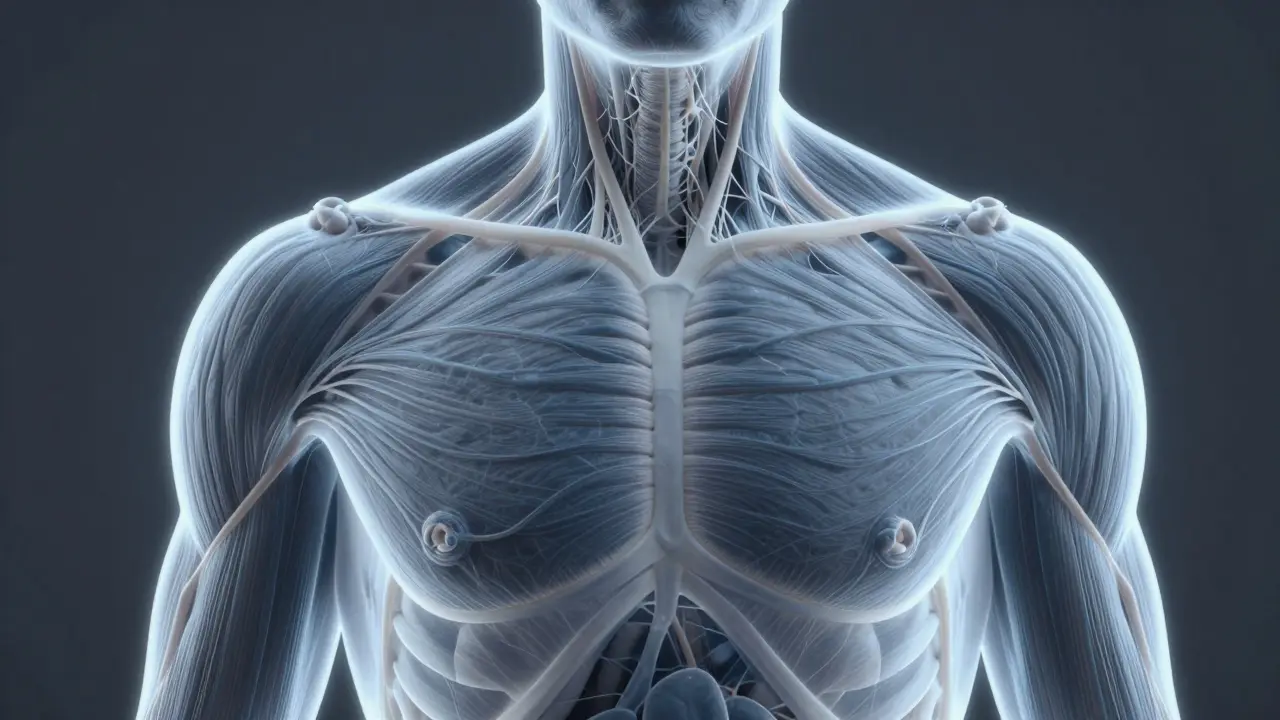
Have you ever felt like your body is fighting against itself? Maybe you stand with a slight slouch that no amount of posture correction seems to fix. Or perhaps you have chronic knee pain that doctors can't explain with X-rays alone. You might be dealing with the invisible web of connective tissue known as fascia, which has tightened and restricted your natural movement. This is where Rolfing comes in. It’s not just another massage; it’s a systematic approach to reorganizing the body’s structure within the field of gravity.
Rolfing, also known as Structural Integration, was developed by Dr. Ida P. Rolf in the 1940s. She was a biochemist who believed that when the body is aligned properly, it functions more efficiently. Think of it like tuning a guitar. If one string is out of tune, the whole instrument sounds off. Similarly, if your pelvis is tilted or your head is forward, every joint from your ankles to your neck has to compensate. Rolfing aims to untangle these compensations.
What Exactly Is Rolfing?
At its core, Rolfing is a hands-on manual therapy that manipulates the fascia to improve posture and ease movement. Unlike a standard Swedish massage, which focuses on relaxing muscles for stress relief, Rolfing targets the deeper layers of connective tissue. The fascia is often compared to a wetsuit worn inside the body. When this suit gets stiff or glued down in places, it restricts how well you move and breathe.
The therapy is typically delivered in a series of ten sessions. This isn’t arbitrary. Each session has a specific goal. The first few sessions focus on superficial tissues and breathing. Later sessions go deeper into the core, hips, and legs. The final sessions integrate the whole system, ensuring that changes made in the lower body don’t throw off the upper body. It’s a holistic process that treats the body as one continuous unit rather than isolated parts.
How Does the Ten-Series Work?
You might wonder why it takes ten sessions. Can’t you just get one deep tissue massage and be done? The answer lies in the nature of fascial remodeling. Fascia doesn’t change overnight. It requires sustained pressure and time to rehydrate and realign. Here is a general breakdown of what happens during the classic ten-series:
- Sessions 1-3: Focus on the superficial fascia. The practitioner works on the arms, shoulders, chest, and abdomen. The goal here is to improve breathing patterns and release tension in the upper body. You’ll likely feel looser and able to take deeper breaths.
- Sessions 4-5: Attention shifts to the back and spine. The practitioner addresses the thoracic and lumbar regions. This helps open up the rib cage and allows the spine to move more freely. Many people report feeling taller after these sessions.
- Sessions 6-7: These are often considered the most intense. The focus moves to the pelvis, hips, and legs. Since the pelvis is the center of gravity for the body, aligning it is crucial. The practitioner works to free the hip joints and ensure the legs are balanced.
- Sessions 8-9: The focus returns to the legs and feet. Proper grounding starts from the ground up. By releasing restrictions in the calves, shins, and arches, the practitioner ensures that weight is distributed evenly through the feet.
- Session 10: The integration session. The practitioner looks at the entire body as a whole. They check for any remaining imbalances and make final adjustments. This session ties everything together, allowing the new structural alignment to settle in.
Is Rolfing Painful?
Let’s address the elephant in the room: Rolfing can hurt. It is not a spa treatment designed for relaxation. It is a therapeutic intervention. However, "pain" is subjective. Some clients describe it as an intense stretch or a deep ache, while others find it manageable. A good Rolfing practitioner will work within your comfort zone. Communication is key. If something feels too sharp or intense, you should speak up immediately.
The discomfort usually subsides quickly after the session. Many people experience a sense of lightness and freedom of movement that outweighs the temporary soreness. It’s similar to the feeling after an intense workout-your muscles might be sore, but you know they’re getting stronger and more flexible. Over time, as the fascia releases, the sessions tend to become less painful because there is less resistance to work through.
Benefits Beyond Physical Alignment
While the primary goal of Rolfing is physical, the benefits often extend to mental and emotional well-being. This is where the "mind and spirit" aspect of the title comes in. When your body is aligned, you use less energy to hold yourself up. This reduction in physical effort can lead to a decrease in mental stress. You literally carry less weight.
Many clients report improved confidence and presence. Standing tall and moving with ease can change how you interact with the world. There is also a strong connection between the body and emotions. Trauma and stress often manifest as physical tension in the fascia. By releasing this tension, some people find that they also release stored emotional baggage. It’s not psychotherapy, but it can complement it beautifully.
| Feature | Rolfing (Structural Integration) | Traditional Deep Tissue Massage |
|---|---|---|
| Primary Goal | Long-term structural alignment and posture correction | Muscle relaxation and temporary pain relief |
| Target Tissue | Fascia (connective tissue) | Muscles and superficial fascia |
| Session Structure | Systematic 10-session series with specific goals | Ad-hoc sessions focusing on problem areas |
| Pain Level | Moderate to high intensity | Mild to moderate pressure |
| Duration of Effects | Long-lasting (months to years) | Short-term (days to weeks) |
Who Should Consider Rolfing?
Rolfing is not for everyone, but it can be transformative for many. It is particularly beneficial for people with chronic postural issues, repetitive strain injuries, or those who spend long hours sitting at a desk. Athletes also benefit from Rolfing, as it can improve their efficiency and reduce the risk of injury. Dancers, runners, and yogis often turn to Rolfing to enhance their performance and flexibility.
If you have tried other therapies like chiropractic care or physical therapy without lasting results, Rolfing might be worth exploring. It addresses the root cause of many musculoskeletal problems-the fascia-rather than just treating symptoms. However, it is important to consult with your healthcare provider before starting any new therapy, especially if you have underlying health conditions.

Finding a Qualified Practitioner
Not all bodyworkers are trained in Rolfing. To ensure you receive authentic Structural Integration, look for a practitioner certified by the Rolf Institute of Structural Integration. This organization sets the standards for education and practice. Certified Rolfs have completed rigorous training and passed strict examinations. You can search for practitioners on the Rolf Institute website to find someone near you.
During your initial consultation, ask about their experience and approach. Do they follow the traditional ten-series, or do they offer customized plans? A good practitioner will listen to your concerns and explain how Rolfing can help you achieve your goals. Trust your instincts. You should feel comfortable and respected throughout the process.
Preparing for Your First Session
To get the most out of your Rolfing sessions, preparation is key. Wear loose, comfortable clothing that allows the practitioner to see your posture and movement. Shorts and a tank top are ideal. Avoid heavy meals right before your appointment, as lying on your stomach can be uncomfortable if you’re full. Stay hydrated, as water helps keep the fascia pliable and responsive.
Be honest about your pain levels and medical history. If you have scars, surgeries, or injuries, let the practitioner know. They will adjust their technique accordingly. Also, be patient with yourself. Changes take time. You might not feel dramatic improvements after the first session, but trust the process. Keep a journal to track your progress over the ten sessions. Note any changes in your posture, pain levels, or overall well-being.
Maintaining Your Results
After completing the ten-series, the work doesn’t stop. Maintaining your new alignment requires ongoing attention. Most practitioners recommend maintenance sessions every few months. These shorter sessions help reinforce the changes and address any new tensions that arise from daily life. Incorporating mindful movement practices like yoga, Pilates, or Tai Chi can also support your Rolfing results. These practices help you stay aware of your body and prevent old habits from creeping back in.
Listen to your body. If you feel tension building up, don’t wait for it to become chronic. Address it early with self-care techniques like stretching, foam rolling, or gentle massage. Remember, Rolfing is a journey, not a destination. It teaches you how to inhabit your body fully and move with grace and ease.
How much does Rolfing cost?
The cost varies depending on location and practitioner experience. In Australia, a single session can range from $100 to $200 AUD. Many practitioners offer package deals for the full ten-series, which can provide a discount. Check if your health insurance covers Rolfing, as some policies include it under allied health services.
Can I combine Rolfing with other therapies?
Yes, Rolfing complements many other therapies. It works well alongside chiropractic care, osteopathy, physical therapy, and acupuncture. Just inform all your practitioners about the treatments you are receiving to ensure a coordinated approach. Some people find that combining Rolfing with mindfulness practices enhances the benefits.
Is Rolfing safe for pregnant women?
Pregnancy requires special consideration. While some aspects of Rolfing may be beneficial, certain techniques are not suitable during pregnancy. Always consult with your obstetrician and a Rolfing practitioner experienced in prenatal care. They can modify the treatment to ensure safety for both you and your baby.
How long do the effects of Rolfing last?
For many people, the effects of Rolfing are long-lasting, potentially permanent if maintained. However, lifestyle factors like poor posture, stress, and repetitive movements can cause tension to return. Regular maintenance sessions and mindful movement practices help preserve the benefits. On average, clients notice significant improvements that last for months or years.
What should I expect after my first session?
You might feel sore, tired, or even emotional after your first session. This is normal as your body adjusts to the changes. Drink plenty of water and rest. Some people experience a surge of energy or clarity. Listen to your body and avoid strenuous activity for 24 hours. Keep a journal to track any physical or emotional shifts.