
Reflexology and Mental Health: How Foot Pressure Can Ease Anxiety and Stress
 Mar, 1 2026
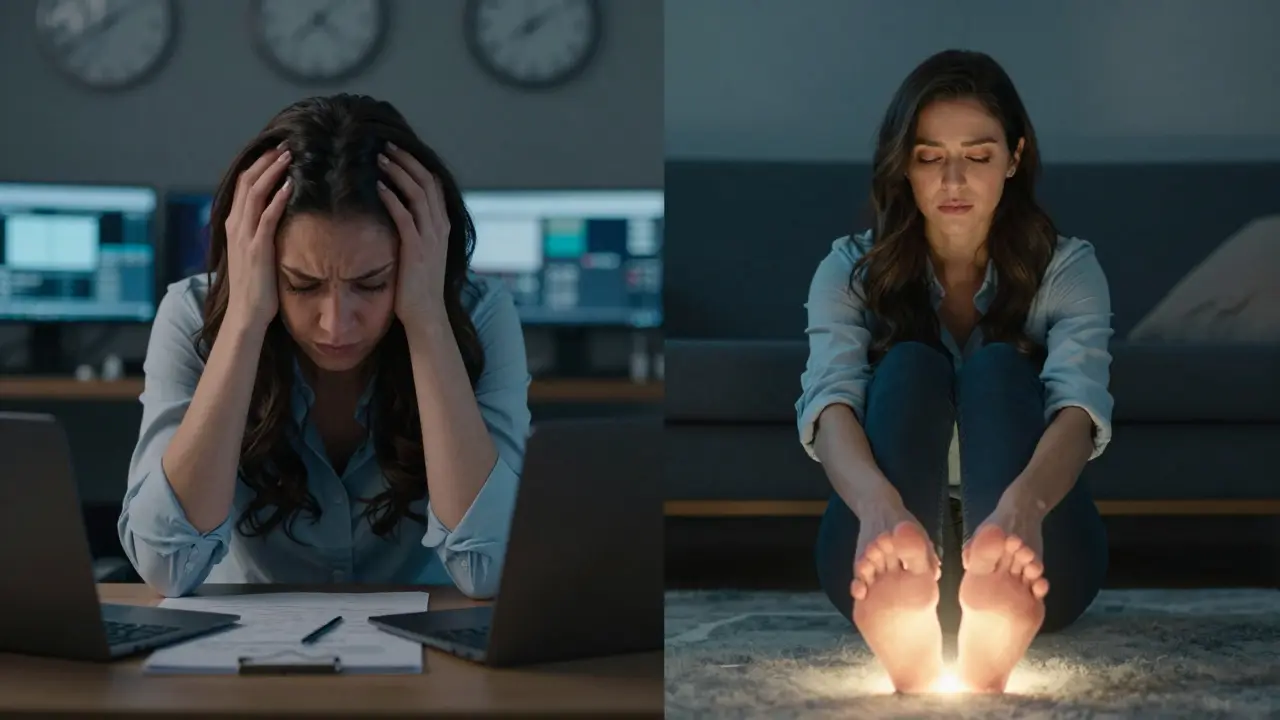
When you’re overwhelmed, exhausted, or stuck in a loop of anxious thoughts, what if the answer wasn’t in a pill or a 45-minute therapy session-but in your feet? Reflexology isn’t just a foot massage. It’s a targeted practice that’s been used for thousands of years to help the body reset, especially when the mind is running on overdrive. And yes, there’s growing evidence it works for mental health-not as a cure, but as a quiet, powerful tool to calm the nervous system.
What Reflexology Actually Is
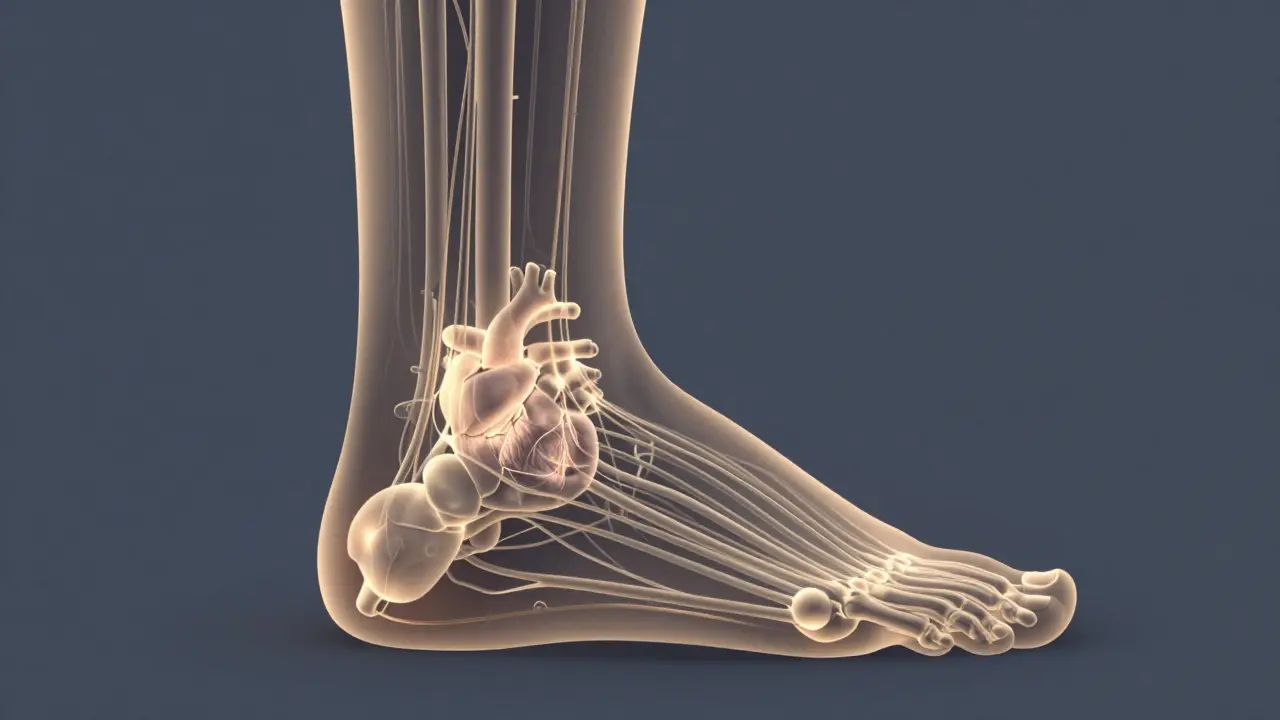
Reflexology is based on a simple idea: your feet are a map of your body. Pressure applied to specific zones on the soles, toes, and ankles is believed to connect to organs, glands, and systems elsewhere. The left foot reflects the left side of your body, the right foot the right. The ball of the foot links to the chest and heart, the arch to the digestive organs, and the heel to the lower back and pelvis. But here’s the key part: the nervous system pathways that run through the feet are deeply tied to your brain’s stress response.
This isn’t just ancient folklore. A 2021 study from the Journal of Evidence-Based Integrative Medicine tracked 84 adults with moderate to severe anxiety. Half received weekly reflexology sessions for six weeks; the other half got no intervention. The reflexology group showed a 41% average drop in anxiety scores-measured by the GAD-7 scale-while the control group saw no change. That’s not placebo. That’s measurable.
Why It Works on Mental Health
Stress doesn’t just live in your head. It lives in your muscles, your breath, your heart rate, and yes, your feet. When you’re stressed, your sympathetic nervous system-the ‘fight or flight’ switch-stays stuck on. Reflexology flips that switch off. The rhythmic pressure applied during a session sends slow, soothing signals up the nerves in your feet to your brainstem. That tells your body: It’s safe to relax now.
Think of it like hitting a reset button on your nervous system. A 2023 review from the Complementary Therapies in Clinical Practice journal found that reflexology consistently lowered cortisol levels by 20-30% in participants after just four sessions. Cortisol isn’t just the ‘stress hormone’-it’s the one that keeps you up at night, makes you irritable, and dulls your focus. Lower cortisol? Better sleep. Calmer mind. Less emotional reactivity.
It also activates the parasympathetic nervous system-the ‘rest and digest’ mode. That’s why people often describe reflexology sessions as ‘deeply grounding.’ You don’t just feel better physically. You feel more present. Less scattered. Less trapped in your thoughts.
Real People, Real Results
Take Sarah, a 38-year-old teacher from Toronto. She started having panic attacks during parent-teacher conferences. Her doctor recommended CBT, but she felt too overwhelmed to sit through weekly sessions. She tried reflexology on a friend’s suggestion. After three sessions, she noticed she could breathe during stressful moments instead of freezing. ‘It wasn’t magic,’ she told me. ‘But it gave me a place to go-literally-when my mind started spinning. My feet became my anchor.’
Another example: Mark, a 52-year-old IT manager with chronic insomnia. He’d tried melatonin, meditation apps, even sleep trackers. Nothing stuck. Then he began getting reflexology every other week. Within a month, his sleep quality improved by 60%, according to his wearable tracker. He didn’t fall asleep faster. He stayed asleep longer. And he stopped waking up with his jaw clenched.
What the Science Says (And What It Doesn’t)
Reflexology isn’t a cure for depression, PTSD, or bipolar disorder. It doesn’t replace therapy or medication. But it does create space-for healing, for rest, for quiet. Studies show it’s most effective for:
- Reducing anxiety symptoms (especially generalized anxiety)
- Improving sleep quality in people with stress-related insomnia
- Lowering perceived stress levels in caregivers and high-pressure jobs
- Helping with emotional regulation during menopause or postpartum
It’s not about ‘unblocking energy’ or ‘chakras.’ Those ideas aren’t backed by science. What is backed? The physical effect of pressure on nerve endings, the drop in cortisol, and the shift from fight-or-flight to rest-and-digest. That’s physiology-not mysticism.
How to Try It (Without Spending a Fortune)
You don’t need a $120 session to get the benefits. Here’s how to start:
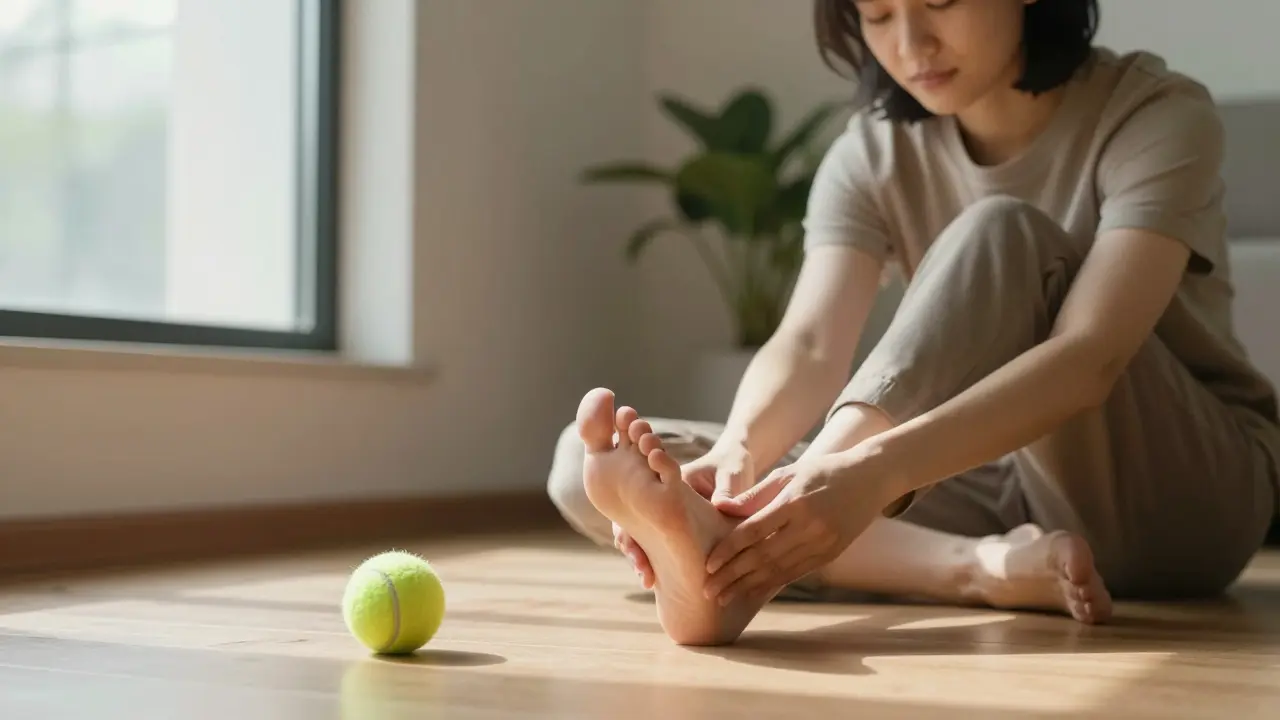
- Use your thumb. Sit barefoot on the floor. Press firmly but gently into the ball of your foot, just under your toes. Hold for 15-20 seconds. Repeat 3 times per foot.
- Find the ‘stress point.’ On each foot, there’s a small depression just below the ball of the foot, near the arch. That’s linked to the adrenal glands. Massage it with circular motions for 30 seconds. Do this daily, especially in the morning or before bed.
- Roll a tennis ball under your foot. While watching TV or scrolling, roll a firm ball from heel to toe. 5 minutes a day is enough to trigger relaxation.
- Pair it with breathing. Inhale for four counts as you press. Exhale for six as you release. This doubles the calming effect.
Consistency matters more than intensity. Five minutes a day, five days a week, will do more than one hour once a month.
Who Should Avoid It
Reflexology is safe for most people. But skip it if you have:
- An active foot infection or open wound
- Deep vein thrombosis (DVT) or recent blood clot
- Severe osteoporosis in the feet
- Are in the first trimester of pregnancy (some practitioners avoid it due to potential stimulation of uterine reflex zones)
If you’re unsure, talk to your doctor. It’s not risky-but like any therapy, it’s not one-size-fits-all.
The Bigger Picture
Reflexology doesn’t fix your life. But it gives you a way to pause it. In a world that’s always pushing-more work, more notifications, more pressure-reflexology is one of the few things that asks you to do nothing. Just sit. Breathe. Let someone (or your own thumb) press into your feet. And for a few minutes, your brain gets to stop fighting.
That’s not a luxury. It’s a necessity.
Can reflexology really help with anxiety?
Yes. Multiple studies, including one from 2021 with 84 participants, show that regular reflexology sessions can reduce anxiety symptoms by up to 41%. It works by lowering cortisol levels and activating the parasympathetic nervous system, which helps the body shift out of ‘fight or flight’ mode.
How often should I do reflexology for mental health?
For noticeable mental health benefits, aim for once a week for 4-6 weeks. After that, maintenance sessions every 2-4 weeks are enough to keep stress levels in check. Even daily 5-minute self-massage on the feet can make a difference if done consistently.
Is reflexology the same as a foot massage?
No. A regular foot massage focuses on relaxation and muscle relief. Reflexology targets specific pressure points linked to organs and systems in the body. It’s more precise and follows a mapped system. While both can reduce stress, reflexology is designed to influence internal functions, not just soothe tired feet.
Do I need a professional for reflexology?
You don’t need to. While professionals have more training, simple self-reflexology techniques using your thumb or a tennis ball are effective for stress and anxiety relief. Many people see results from doing it at home daily. A professional session is helpful if you’re new to it or want deeper work, but it’s not required.
Can reflexology replace therapy or medication?
No. Reflexology is a complementary practice. It doesn’t replace therapy, medication, or medical treatment for mental health conditions. But it can support them by helping your body manage stress, improve sleep, and create space for emotional regulation-making other treatments more effective.