
Palliative Massage: Comfort, Pain Relief, and Care for Serious Illness
 Jul, 12 2026
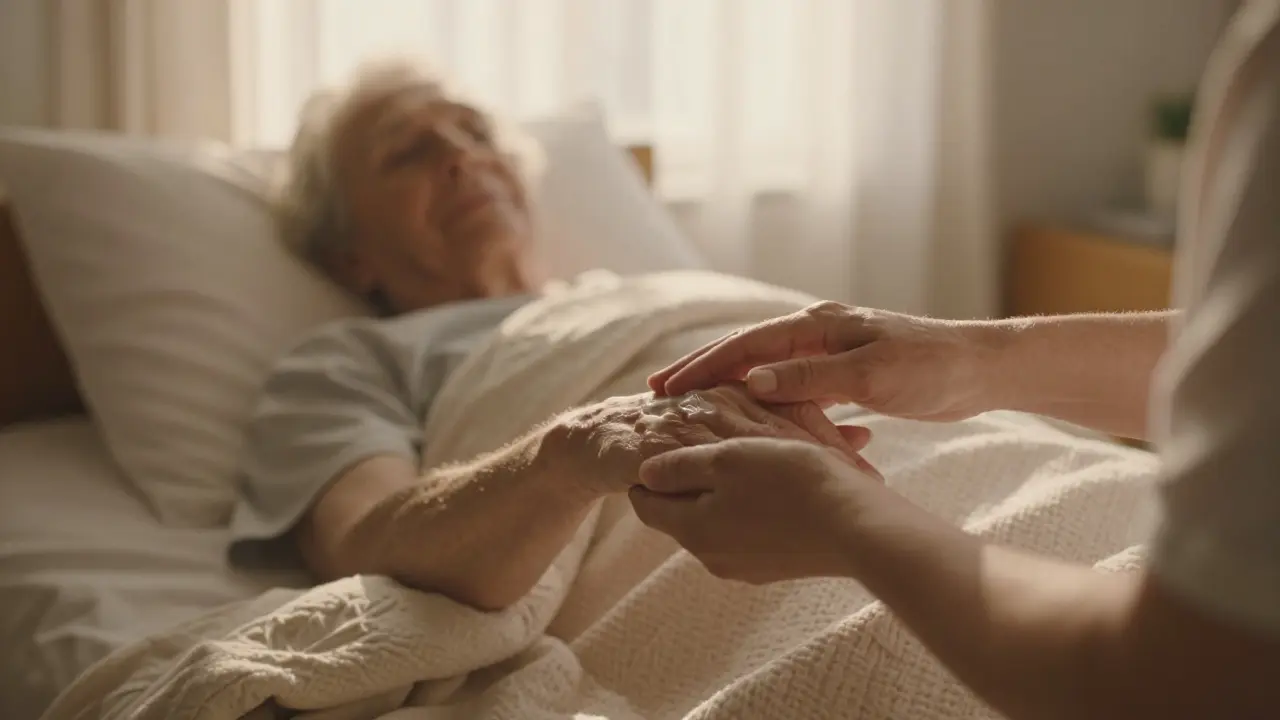
When a doctor says the words "serious diagnosis," the world often narrows down to treatment plans, side effects, and survival statistics. But there is another layer of care that doesn't always make it into the hospital chart. It’s the gentle pressure of a hand on a shoulder, the slow rhythm of breath syncing with a therapist’s movements, and the quiet dignity of being touched with intent. This is palliative massage. It isn’t about curing cancer or reversing heart failure. It is about reclaiming moments of peace when pain feels like the only thing left.
What Exactly Is Palliative Massage?
Palliative massage is a specialized form of therapeutic touch designed to provide comfort, reduce stress, and alleviate symptoms for individuals facing serious, life-limiting illnesses. Unlike deep tissue work aimed at fixing a strained muscle from a gym session, this approach adapts entirely to the patient’s current physical reality. If someone has fragile bones due to osteoporosis or severe fatigue from chemotherapy, the technique shifts. The goal is never to "fix" the body in a traditional sense but to soothe the nervous system and offer a break from the constant noise of pain.
You might hear terms like "hospice massage" or "end-of-life massage" used interchangeably. While they overlap, palliative massage applies to anyone receiving palliative care, which can happen alongside curative treatments. Hospice massage is specifically for those in the final stages of life, usually within six months. Both share the same core philosophy: comfort over correction.
Why Touch Matters When Words Fail
Pain is not just a physical signal; it is an emotional experience. Chronic pain isolates people. It makes them feel broken, invisible, or like a burden. Enter the power of human touch. Studies from institutions like the University of Washington have shown that regular massage therapy can significantly lower cortisol levels-the primary stress hormone-while boosting serotonin and dopamine. For a patient whose body is under siege by disease, this biochemical shift is profound.
Consider Sarah, a 68-year-old lung cancer survivor living in Toronto. Her nights were filled with anxiety and shallow breathing. A standard opioid regimen helped dull the sharp edges of her pain but left her foggy and disconnected. After introducing gentle palliative foot rubs and hand massages, her sleep improved. She reported feeling "present" again, able to hold her grandson without trembling from discomfort. That connection-physical and emotional-is what medications alone cannot replicate.
- Reduces perceived intensity of pain through gate control theory (nerve signals compete).
- Lowers blood pressure and heart rate, reducing strain on compromised organs.
- Improves circulation in limbs affected by edema or lymphedema.
- Provides a non-verbal outlet for expressing fear and grief.
How It Differs From Regular Massage Therapy
If you’ve had a Swedish massage before, you know the drill: long strokes, kneading, maybe some joint mobilization. Palliative massage looks different because the client’s body is different. A therapist trained in palliative care assesses contraindications meticulously. They check for blood clots, skin integrity, bone metastases, and recent surgeries. One wrong move could cause harm, so caution is paramount.
| Feature | Traditional Massage | Palliative Massage |
|---|---|---|
| Primary Goal | Muscle recovery, relaxation, performance | Symptom management, comfort, dignity |
| Pressure Level | Varies (light to deep) | Consistently light to moderate |
| Session Length | 60-90 minutes | 15-45 minutes (often shorter) |
| Positioning | Prone (face down), side-lying | Supine (on back), seated, bed-based |
| Therapist Focus | Muscle groups, knots | Breathing, presence, safety |
In palliative settings, the therapist may spend half the session simply holding space, monitoring breathing, and adjusting pillows. The massage itself might be limited to the hands, feet, or face if the patient is too weak to turn over. This adaptability requires a high level of skill and empathy, far beyond standard certification.
Who Can Benefit? Beyond Cancer Patients
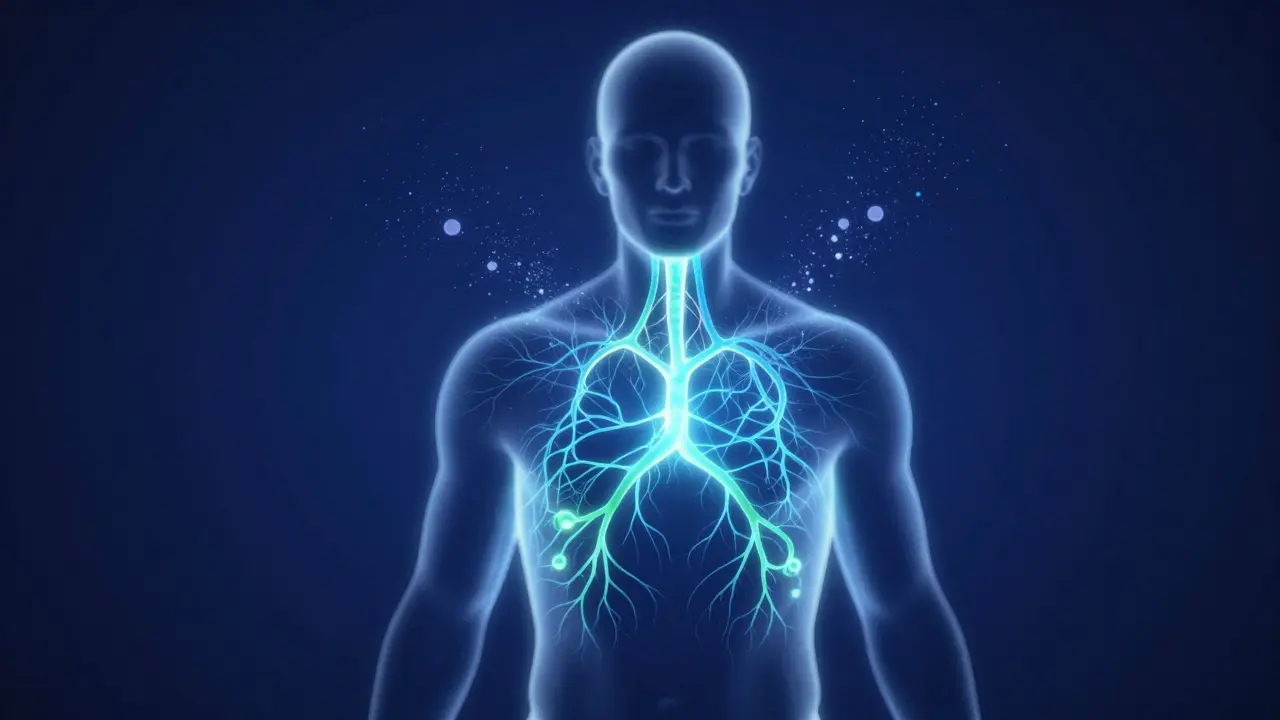
We often associate palliative care with terminal cancer, but its reach is much broader. Anyone suffering from progressive, debilitating conditions can find relief. Think about patients with advanced heart failure, COPD (Chronic Obstructive Pulmonary Disease), ALS (Amyotrophic Lateral Sclerosis), or late-stage dementia. These conditions bring unique challenges:
- Heart Failure: Fluid retention causes swelling. Gentle lymphatic drainage techniques can help move fluid without straining the heart.
- Dementia: Cognitive decline leads to agitation. Familiar, rhythmic touch can calm confusion and reduce aggressive behaviors.
- Stroke Recovery: Spasticity (muscle tightness) is common. Soft stretching prevents contractures while promoting comfort.
The key is individualization. A one-size-fits-all approach fails here. Therapists collaborate closely with oncologists, nurses, and palliative care teams to ensure safety. In Canada, organizations like the Canadian Association of Palliative Care emphasize multidisciplinary approaches, where massage is one tool among many-including medication, counseling, and spiritual support.
Safety First: Contraindications and Precautions
Not everyone is a candidate for massage, even gentle touch. Safety is the non-negotiable rule in palliative practice. Before any session, the therapist must review medical records and consult with the healthcare team. Here are critical red flags:
- Blood Clots (DVT): Massaging a limb with a deep vein thrombosis can dislodge a clot, leading to a pulmonary embolism-a fatal risk.
- Unstable Fractures: Bone metastases weaken skeletal structure. Pressure on affected areas can cause fractures.
- Open Wounds or Infections: Compromised immune systems mean infections spread easily. Avoid contact with broken skin.
- Recent Surgery: Incisions need time to heal. Wait until cleared by the surgeon.
- Severe Thrombocytopenia: Low platelet counts increase bruising and bleeding risks. Light effleurage (gliding strokes) may be safe, but no friction.
Even temperature matters. Hypothermia is a risk for frail patients. Rooms should be warm, and oils warmed slightly before application. Communication is continuous-if the patient winces, gasps, or tenses up, the therapist stops immediately. Consent is ongoing, not just a signed form.
Finding Qualified Practitioners
Not all massage therapists are equipped to handle palliative clients. Look for specific credentials. In Ontario, registered massage therapists (RMTs) regulated by the College of Massage Therapists of Ontario (CMTO) must meet strict standards. However, additional training in palliative or hospice care is essential.
Certifications to look for include:
- Hospice and Palliative Care Certification
- Oncology Massage Training (e.g., from the Oncology Massage Foundation)
- Geriatric Massage Specialization
Ask potential therapists direct questions: "Have you worked with patients with [specific condition]?" "How do you coordinate with my medical team?" "What is your protocol if I experience pain during the session?" A qualified professional will welcome these questions and provide clear answers. Don’t hesitate to request a trial session to gauge comfort levels.
The Role of Family and Caregivers
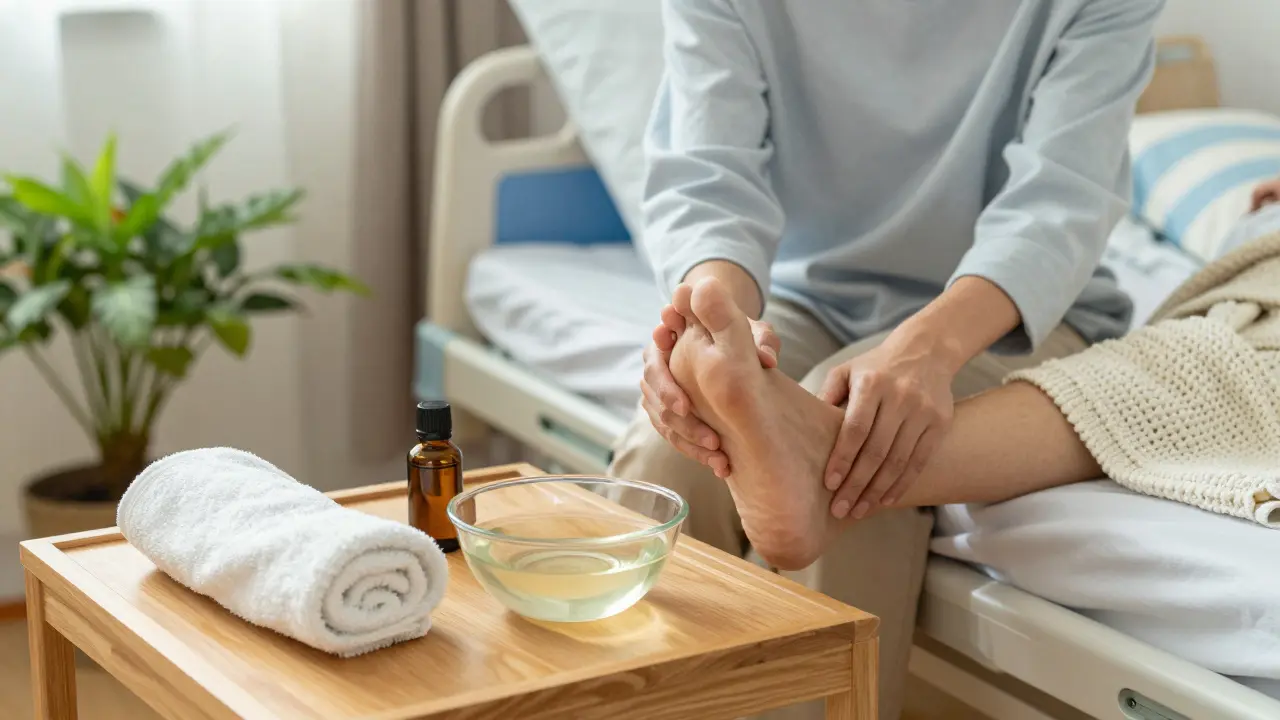
You don’t need a degree to offer palliative touch. Family members can learn simple techniques to provide comfort at home. Hand-holding, foot soaking, and gentle scalp massages require no equipment and carry minimal risk. Teaching caregivers these skills empowers them to participate actively in their loved one’s care, reducing feelings of helplessness.
Start small. Wash and dry your loved one’s feet, then apply lotion with slow, circular motions. Sit beside them and place a hand gently on their chest, matching your breath to theirs. These acts communicate love and presence more loudly than words ever could. Remember, the intention behind the touch matters more than technical perfection.
Integrating Massage Into Broader Palliative Care
Palliative massage works best as part of a holistic plan. It complements pain medication, allowing for lower doses and fewer side effects. It supports mental health by reducing anxiety and depression. It enhances quality of life by restoring a sense of normalcy and bodily autonomy.
In hospitals and hospice centers across North America, integrative medicine departments are expanding. Services now routinely include acupuncture, music therapy, and massage. Insurance coverage varies. Some private plans cover palliative massage, while others consider it experimental. Always check with your provider. Non-profits and community health centers sometimes offer subsidized sessions for low-income families.
Common Misconceptions About Palliative Massage
Misunderstandings persist, often rooted in fear or lack of exposure. Let’s address three big ones:
"It hastens death." False. There is no evidence that massage accelerates mortality. Instead, it improves comfort, which can indirectly support longevity by reducing stress-related complications.
"It’s only for the dying." Incorrect. Palliative care begins at diagnosis of a serious illness, regardless of prognosis. Many patients live for years with managed symptoms, enjoying better days thanks to supportive therapies.
"It’s too expensive." While costs vary, many providers offer sliding scales. Community programs and volunteer networks also exist. The investment in quality of life often outweighs the financial cost.
Is palliative massage safe for cancer patients?
Yes, when performed by a trained professional who understands oncology-specific contraindications. Therapists avoid areas with tumors, ports, or radiation burns. They adjust pressure based on blood counts and overall strength. Always inform the therapist of current treatments and side effects.
Can I get palliative massage at home?
Absolutely. Mobile massage therapists specialize in in-home care, bringing portable tables and supplies to hospitals, hospices, or residences. This eliminates travel stress for frail patients and allows family members to remain present during sessions.
How long does a typical palliative massage session last?
Sessions range from 15 to 45 minutes, depending on the patient’s energy levels and tolerance. Shorter, frequent sessions are often more effective than longer ones. The focus is on comfort, not duration.
Does insurance cover palliative massage?
Coverage varies widely. Some private health plans in Canada and the US include massage therapy benefits, especially if prescribed by a physician for symptom management. Public healthcare systems rarely cover it directly, but non-profit organizations and charitable funds may assist with costs.
What should I wear for a palliative massage?
Comfortable, loose clothing is ideal. Most therapists use draping techniques to expose only the area being massaged, maintaining warmth and modesty. If mobility is limited, the massage can be performed fully clothed or over sheets.
Palliative massage is not a miracle cure. It won’t shrink tumors or reverse organ failure. But it offers something equally valuable: relief. It reminds us that even in the face of inevitable loss, we can still choose kindness, comfort, and connection. For those walking the hardest paths, a gentle hand can be the anchor that keeps them grounded.