
Palliative Massage: A New Approach to Pain and Stress Relief
 Jun, 23 2026
Understanding the Shift from Cure to Comfort
We often think of massage as a luxury. You go to a spa, you get deep tissue work, and you leave feeling like a new person. But for millions of people living with chronic illness, terminal diagnoses, or severe physical limitations, that kind of aggressive pressure isn't just uncomfortable-it’s impossible. This is where palliative massage comes in. It is not about fixing a broken back or knotting out a muscle after a gym session. It is a specialized form of therapeutic touch designed specifically to alleviate suffering and improve quality of life.
The core philosophy here is different. In traditional medical massage, the goal might be rehabilitation or injury recovery. In palliative care, the goal is comfort. Whether someone is battling cancer, dealing with advanced arthritis, or managing the side effects of long-term medication, the body is under immense stress. Palliative massage respects those limits. It adapts to the patient’s current reality, offering relief without demanding performance or endurance.
How It Differs From Traditional Massage Therapy
If you have never experienced it, you might wonder how this differs from a regular Swedish massage. The differences are stark and intentional. First, there is the issue of positioning. Most massage tables require clients to lie face down or on their sides. For a patient with hip replacements, severe osteoporosis, or oxygen tubes, getting into these positions can be painful or dangerous.
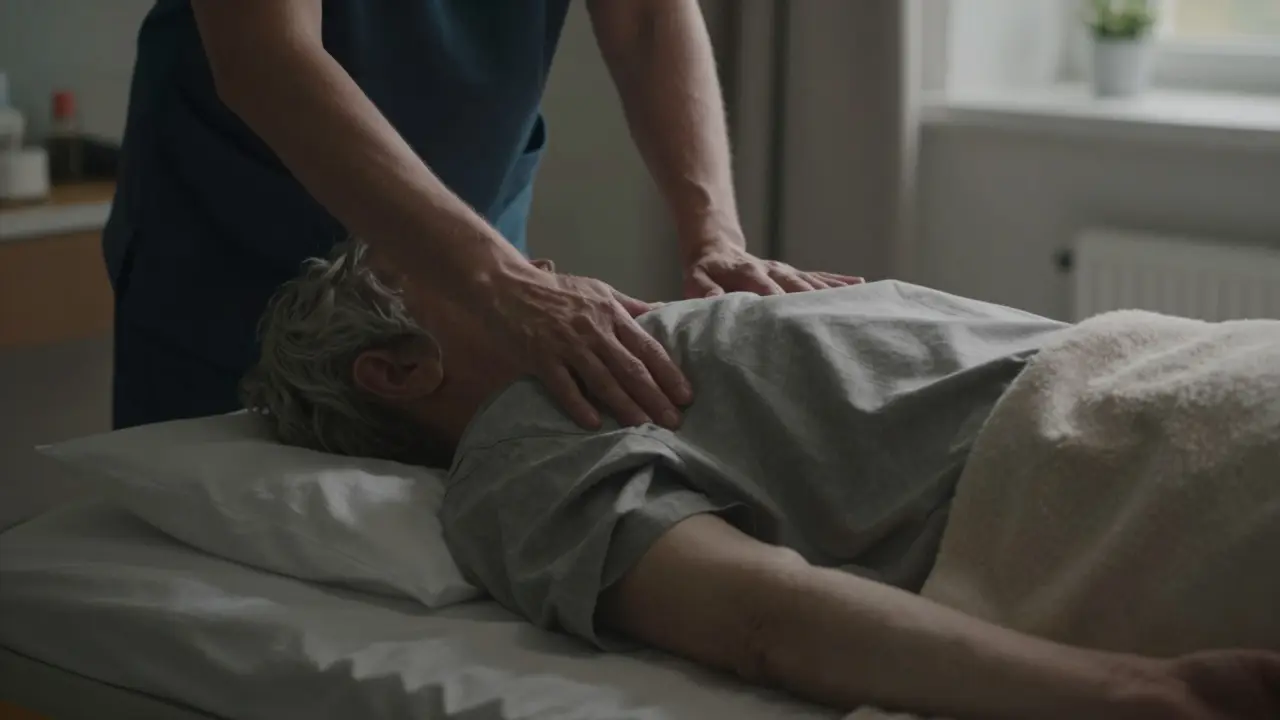
Palliative massage is almost always performed while the client remains fully clothed or draped in blankets, often lying flat on their back in bed or sitting in a chair. Therapists use light, rhythmic strokes rather than deep kneading. Think of it less like working dough and more like brushing away dust. The pressure is feather-light, focusing on circulation and relaxation rather than muscle manipulation.
| Feature | Traditional Massage | Palliative Massage |
|---|---|---|
| Primary Goal | Injury recovery, muscle tension release | Pain alleviation, emotional comfort, anxiety reduction |
| Pressure Level | Medium to Deep | Very Light to Gentle |
| Clothing | Undressed (draped) | Fully clothed or lightly covered |
| Positioning | Prone, side-lying, supine | Supine (flat), seated, or supported reclining |
| Duration | 60-90 minutes standard | 15-30 minutes (adapted to energy levels) |
Another key difference is the therapist's training. While any licensed massage therapist can learn these techniques, true palliative massage requires an understanding of pathology. A therapist needs to know why a patient has port-a-caths, why certain areas are bruised easily due to chemotherapy, or how neuropathy affects sensation. They must communicate constantly with the healthcare team to ensure safety.
The Science Behind Touch and Pain Relief
It sounds simple-just touching someone-but the physiological impact is profound. When we experience chronic pain, our nervous system stays in a state of high alert. This is known as sympathetic dominance, or the "fight or flight" response. Your heart rate spikes, your muscles tense up, and your perception of pain amplifies.
Gentle, rhythmic touch triggers the parasympathetic nervous system-the "rest and digest" mode. Research published in journals like the *Journal of Pain and Symptom Management* has shown that even brief sessions of palliative massage can significantly lower cortisol levels (the stress hormone) and increase oxytocin and serotonin. These chemicals don't just make you feel good; they actively reduce the brain's processing of pain signals.
For patients whose bodies are failing them, this shift is crucial. It doesn't cure the disease, but it changes the experience of living with it. By lowering the baseline level of stress, patients often report needing fewer pain medications, sleeping better, and experiencing less nausea. It is a non-pharmacological intervention that complements medical treatment rather than replacing it.
Who Benefits Most From This Approach?
You might assume this is only for people in hospice care. While it is incredibly effective there, the scope is much broader. Anyone dealing with a condition that causes persistent discomfort or mobility issues can benefit.
- Cancer Patients: Those undergoing chemotherapy or radiation often suffer from fatigue, lymphedema, and anxiety. Light touch helps manage lymphatic flow and provides a sense of control over their own bodies.
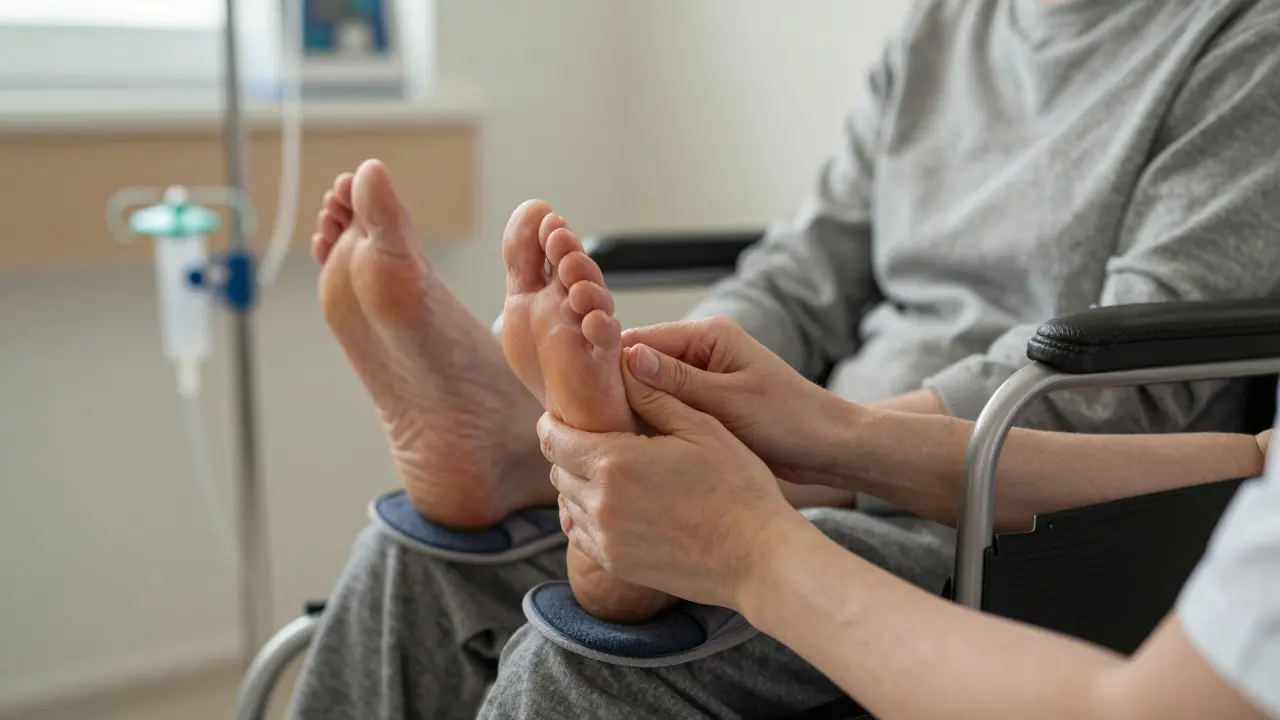
- Individuals with Dementia: As cognitive abilities decline, verbal communication becomes difficult. Touch remains a powerful language. Gentle hand or foot massage can reduce agitation and confusion in elderly patients.
- Chronic Pain Sufferers: People with fibromyalgia or multiple sclerosis often have heightened sensitivity to touch (allodynia). Deep pressure hurts them. Palliative massage offers relief without triggering pain receptors.
- Pregnant Women: Especially in later stages or high-risk pregnancies, where traditional massage positions are unsafe, seated or supine gentle massage can relieve swelling and stress.
The common thread among all these groups is vulnerability. Their bodies are sending distress signals, and palliative massage answers those signals with calm, consistent presence.
What to Expect During a Session
If you or a loved one is considering this therapy, knowing what happens can ease anxiety. The session usually begins with a consultation. The therapist will ask about recent surgeries, IV lines, fragile bones, or areas of extreme tenderness. They will also discuss goals. Is the primary issue insomnia? Anxiety? Physical pain? Emotional loneliness?
Once the plan is set, the environment matters. Dim lighting, soft music, and a quiet room help create a sanctuary. The therapist will then begin with simple contact, perhaps resting hands gently on the shoulders or holding a hand. There is no oil applied directly to the skin unless the patient is comfortable with undraped areas, which is rare in strict palliative contexts. Instead, therapists might use warm compresses or simply their hands through thin clothing.
The movements are slow and repetitive. Effleurage (long, gliding strokes) is the most common technique. The therapist might focus on the feet, hands, head, or neck-areas that are easy to access and highly sensitive. Throughout the session, the therapist checks in verbally or non-verbally. If a patient flinches or grimaces, the pressure is adjusted immediately. The pace is dictated entirely by the recipient, not the clock.
Safety Considerations and Contraindications
While gentle, this is still a medical-adjacent intervention. Safety is paramount. There are specific conditions where even light touch could be harmful if not managed correctly.
For instance, patients with blood clots (DVT) should not receive massage on the affected limb, as dislodging a clot can be fatal. Those with uncontrolled hypertension or active infections need careful monitoring. Skin integrity is another major concern. Chemotherapy can make skin paper-thin and prone to tearing. Therapists must use extreme caution to avoid friction burns or bruising.
Always ensure the practitioner has specific training in palliative or oncology massage. Organizations like the Oncology Massage Association provide certifications that verify a therapist understands these complex medical landscapes. Never let a generalist attempt this without proper clearance from the patient’s primary physician.
Integrating Into Care Plans
The best results come when palliative massage is part of a holistic care plan. It works synergistically with other therapies. For example, combining it with guided imagery or music therapy can deepen the relaxation response. In hospital settings, some nurses are trained in basic comforting touch techniques that they can use between professional massage sessions.
For families caring for loved ones at home, learning a few simple techniques can be empowering. Holding a hand, gently stroking the forehead, or massaging the feet with a warm towel can provide immediate comfort. It reconnects caregivers with their loved ones in a tangible way, breaking through the isolation that often accompanies serious illness.
Is palliative massage only for terminally ill patients?
No. While it is widely used in hospice and end-of-life care, palliative massage benefits anyone with chronic illness, severe disability, or persistent pain. It is appropriate for cancer survivors, dementia patients, and those recovering from major surgeries who cannot tolerate traditional massage pressures.
Does insurance cover palliative massage?
Coverage varies significantly by provider and location. Some health plans may cover it if prescribed as part of a pain management plan, especially in hospital settings. However, many private practitioners operate on a cash basis. It is worth checking with your insurer and asking if the therapist accepts super-bills for reimbursement.
Can I perform palliative massage on my loved one at home?
Yes, with caution. Simple techniques like gentle hand-holding, foot rubbing, or light shoulder stroking are safe for most people. However, if your loved one has complex medical issues like blood clots, fragile bones, or open wounds, consult their doctor first. Avoid applying pressure to swollen limbs or areas with medical devices.
How long does a typical session last?
Sessions are often shorter than traditional massages, typically ranging from 15 to 30 minutes. This respects the limited energy reserves of patients with chronic illnesses. The focus is on quality of touch and relaxation rather than duration.
What qualifications should a palliative massage therapist have?
Look for a Licensed Massage Therapist (LMT) who has additional certification in oncology massage, geriatric massage, or palliative care. Certifications from organizations like the Oncology Massage Association or the American Massage Therapy Association indicate specialized training in handling complex medical conditions safely.