
Myofascial Release Therapy: A Guide to Pain Relief
 Sep, 1 2026
Imagine your muscles are wrapped in a tight, sticky sweater that shrank in the wash. That’s essentially what happens when fascia gets restricted. It’s not just muscle soreness; it’s the connective tissue webbing holding you together turning stiff and glued down. For years, people with chronic back pain or stubborn headaches were told their scans looked "normal," so they must be imagining the pain. But myofascial release therapy (MRT) changes that narrative by targeting the actual structural glue of your body.
This isn't about rubbing until it hurts more. It's a specific, slow, sustained technique designed to unwind those restrictions. If you’ve ever felt like your shoulders are permanently up by your ears or your lower back feels locked after sitting at a desk, MRT might be the missing piece in your recovery puzzle. Let’s break down how this works, why it’s gaining traction in Toronto clinics and beyond, and whether it’s worth your time and money.
What Exactly Is Fascia?
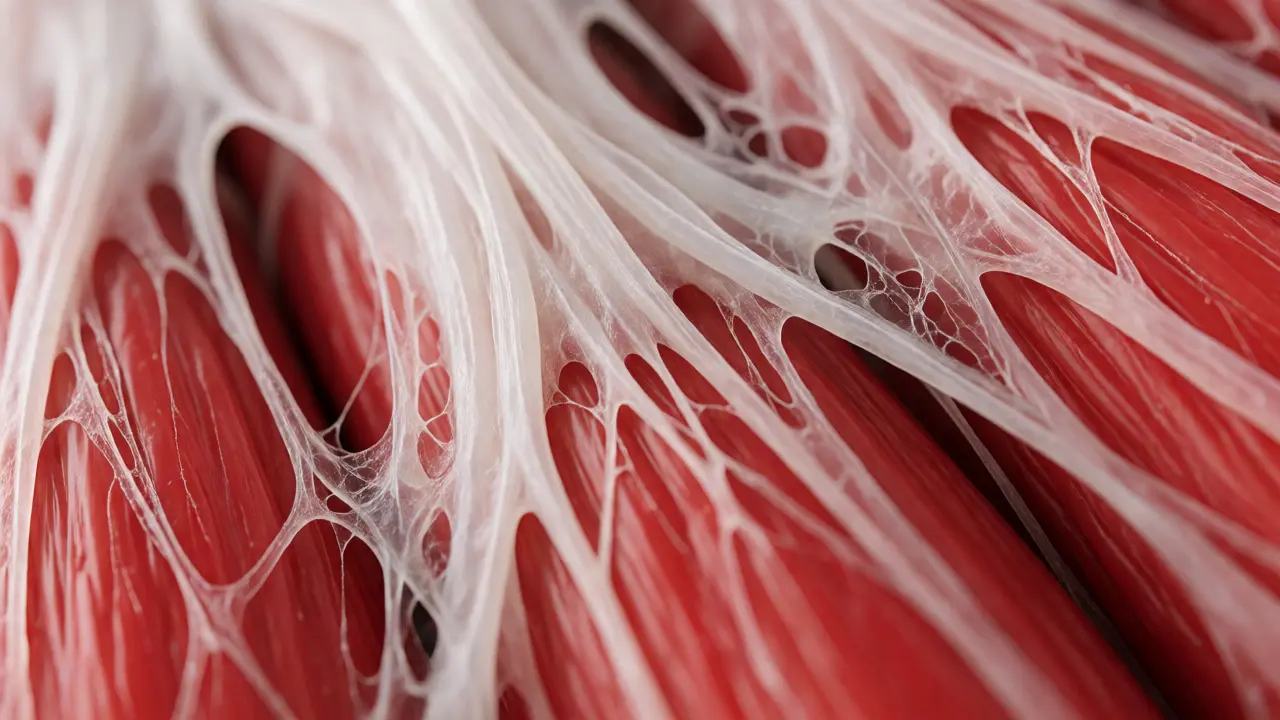
To understand myofascial release therapy, you first need to get past the idea that muscles are isolated blocks. They aren’t. They’re embedded in a continuous three-dimensional web called fascia. Think of an orange. The fruit segments are your muscles. The white pithy skin under the peel is superficial fascia. The thin membranes separating each segment are deep fascia. If you squeeze one part of the orange, the whole structure shifts. Your body works similarly.
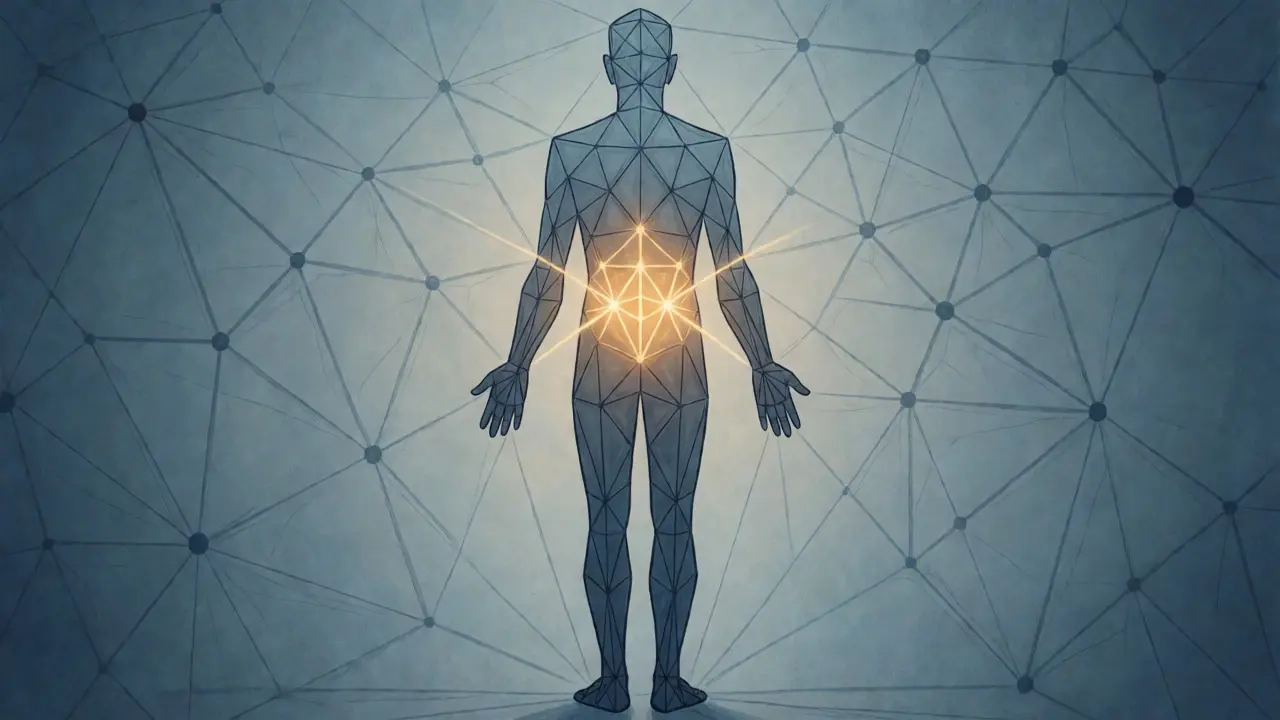
Fascia is made mostly of collagen and elastin. It surrounds every organ, bone, nerve fiber, and blood vessel. When you move freely, this web glides smoothly. But trauma, poor posture, surgery, or even stress can cause the collagen fibers to cross-link and tighten. This creates "trigger points" or adhesions. Suddenly, a problem in your foot can pull on your knee, which twists your hip, which eventually causes neck pain. You’re not crazy; your fascia is just pulling strings across your entire body.
How Myofascial Release Works Differently
Most massage techniques focus on the muscle belly. You push, knead, and rub to increase blood flow and relax tension. Myofascial release is different because it targets the connective tissue itself. Practitioners don’t use oils or lotions here. Why? Because they need friction. They apply gentle, sustained pressure into the fascial barrier. We’re talking about holding a position for 30 seconds to several minutes, waiting for the tissue to soften.
This process relies on thixotropy. In simple terms, fascia is thick and gel-like when cold or still. When you apply heat and movement (or sustained pressure), it becomes thinner and more fluid, like heating honey. By maintaining steady pressure, therapists encourage the fascia to melt back into its natural, flexible state. It’s less about breaking things down and more about persuading the tissue to let go.
Who Actually Needs This?
You don’t need to be an elite athlete to benefit from MRT. While it helps runners recover faster, it’s arguably more critical for desk workers and people with chronic conditions. Here are common scenarios where MRT shines:
- Chronic Back and Neck Pain: Especially if standard massage provides only temporary relief. MRT addresses the root structural restriction rather than just the symptom.
- Repetitive Strain Injuries: Carpal tunnel syndrome, tennis elbow, or plantar fasciitis often involve fascial tightening around nerves and tendons.
- Post-Surgical Recovery: Scar tissue is rigid fascia. Breaking down adhesions from C-sections, knee surgeries, or spinal fusions can restore mobility and reduce nerve entrapment.
- Migraines and Tension Headaches: Tightness in the upper back and neck fascia often pulls on the skull base, triggering headaches.
- Lymphedema: Gentle manual lymphatic drainage combined with MRT can help manage fluid retention in arms or legs.
What Happens During a Session?
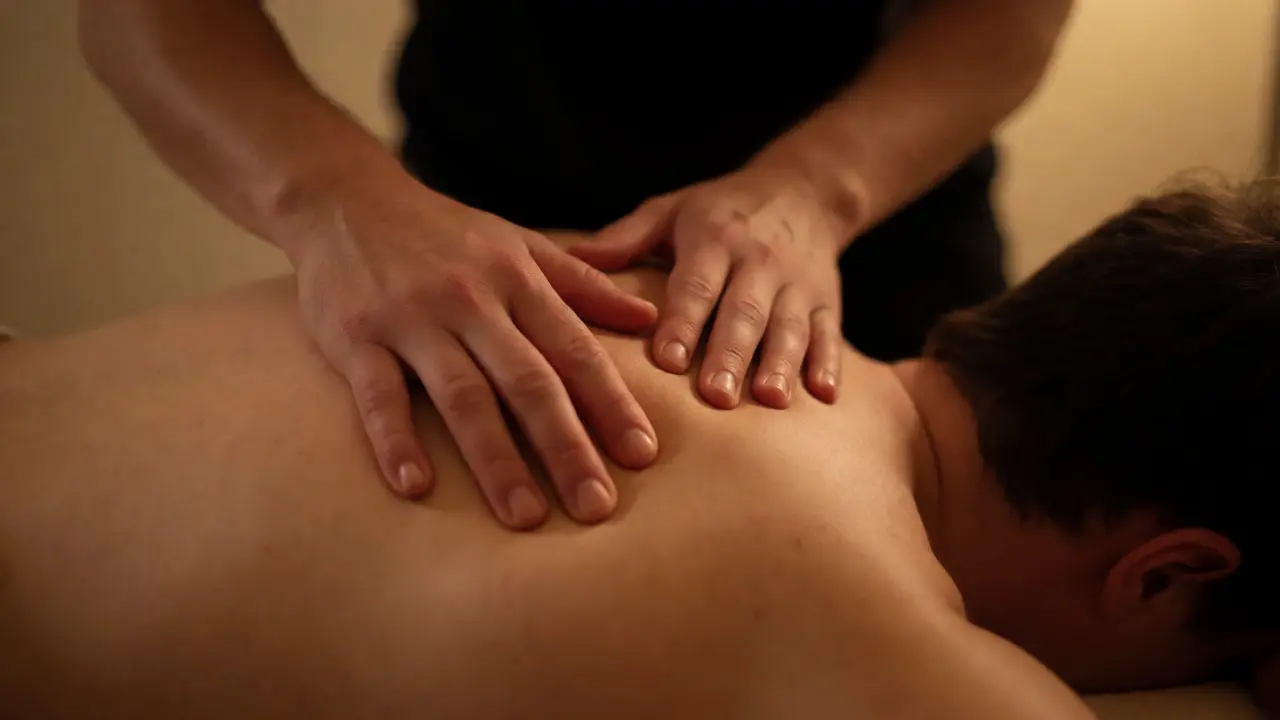
If you book your first appointment, expect a shift in pace. Unlike a 60-minute Swedish massage where you might drift off to sleep while the therapist moves quickly, MRT requires active participation. You’ll likely start with a consultation where the practitioner assesses your range of motion. They might ask you to bend forward or turn your head to see where the movement stops abruptly.
The hands-on work begins slowly. The therapist places their hands on your skin and finds the point of resistance. They won’t push through pain immediately. Instead, they wait. You might feel a deep stretch, a tingling sensation, or sometimes nothing at all for the first minute. Then, suddenly, the tissue gives way. This "release" can feel like a warm wave spreading through the area. Sessions typically last 45 to 90 minutes because rushing defeats the purpose. Fascia needs time to respond.
Don’t be surprised if you feel emotional afterward. Fascia holds memory. Many people report crying, laughing, or feeling intense fatigue post-session. This is normal. Your nervous system is down-regulating from a state of chronic tension to relaxation.
Self-Release Tools vs. Professional Care
Can you do this yourself? Partially. Foam rollers and lacrosse balls have become staples in home gyms. They mimic the pressure of MRT, but there’s a catch. Self-release is blunt force. A professional therapist uses their fingers and elbows to target specific layers and directions. If you roll over a trigger point too aggressively, you might bruise the tissue or cause inflammation, making the stiffness worse.
Use self-tools for maintenance between professional sessions. Spend no more than 1-2 minutes on any single spot. Focus on breathing deeply while applying pressure. If you feel sharp, shooting pain, stop. You want a dull ache, not agony. For complex issues like pelvic floor dysfunction or severe scoliosis, DIY tools rarely cut it. You need a trained eye to identify which layer of fascia is restricted.
| Feature | Swedish Massage | Deep Tissue Massage | Myofascial Release |
|---|---|---|---|
| Primary Target | Muscle Belly | Deeper Muscle Layers | Connective Tissue (Fascia) |
| Pressure Level | Light to Medium | High/Firm | Sustained, Moderate |
| Speed of Work | Fast/Rhythmic | Slow/Direct | Very Slow/Holding |
| Best For | General Relaxation | Muscle Knots/Soreness | Structural Restrictions/Chronic Pain |
| Aftermath | Relaxed | Sore (like gym workout) | Tingling/Fatigue/Emotional Release |
Is It Safe? Side Effects and Precautions
MRT is generally safe for most adults. However, it’s not for everyone. Avoid aggressive myofascial work if you have open wounds, active infections, or severe osteoporosis. Pregnant women should seek practitioners specifically trained in prenatal bodywork, as certain positions and pressures need adjustment. People on blood thinners should consult their doctor first, as the sustained pressure could potentially cause minor bruising.
The most common side effect is flu-like symptoms or fatigue lasting 24-48 hours. This is often attributed to the release of metabolic waste products trapped in the dehydrated fascia. Hydration is key here. Drink plenty of water before and after your session to help flush out these toxins. Some people experience mild soreness similar to delayed onset muscle soreness (DOMS). If the pain persists beyond two days, contact your therapist.
Finding a Qualified Practitioner
Not all massage therapists are trained in MRT. Look for certifications from recognized bodies like the Rolf Institute (for Structural Integration) or specialized courses in Manual Lymphatic Drainage and Myofascial Release. In Canada, many physiotherapists and registered massage therapists (RMTs) incorporate these techniques. Ask potential therapists these questions:
- How many hours of specific MRT training do you have?
- Do you use lubricants during the session?
- Can you describe a case where MRT helped a client with chronic pain?
- Will we assess my range of motion before and after?
A good practitioner will listen to your history and adapt the session. They shouldn’t treat you like a conveyor belt. Personalized care matters because fascial patterns are unique to your life experiences, injuries, and habits.
Does myofascial release hurt?
It can be uncomfortable, but it shouldn’t be agonizing. Most clients describe it as a deep, stretching sensation that intensifies before releasing. If you feel sharp or stabbing pain, tell your therapist immediately. The goal is to find the edge of restriction without triggering a protective muscle guarding response.
How many sessions do I need for chronic pain?
This varies widely based on the duration and severity of your condition. Acute issues might resolve in 1-3 sessions. Chronic conditions often require 6-12 sessions spaced weekly or bi-weekly. Fascia remodels slowly, similar to how long it takes to change skin elasticity or scar tissue. Consistency is more important than intensity.
Can foam rolling replace professional myofascial release?
No, but it can complement it. Foam rolling is great for general maintenance and warming up tissues. However, it lacks the precision and directional control of human hands. A therapist can detect subtle asymmetries and engage deeper layers that a cylinder cannot reach effectively. Use rolling for daily upkeep, but rely on professionals for significant restrictions.
Why do I feel tired after a session?
Your body is doing heavy lifting internally. Releasing fascial restrictions requires energy and shifts fluid dynamics throughout your system. Additionally, the parasympathetic nervous system (rest and digest) activates strongly during MRT. This sudden shift from chronic sympathetic (fight or flight) tension can leave you feeling drained or sleepy. Rest is recommended after appointments.
Is myofascial release covered by insurance in Canada?
Often, yes. In Ontario and other provinces, Registered Massage Therapists (RMTs) who perform MRT are covered under most extended health plans. Check your policy for annual limits and referral requirements. Physiotherapy coverage may also apply if the treatment is deemed medically necessary for rehabilitation.