
Medical Massage: How It Heals Beyond Relaxation
 Jan, 25 2026
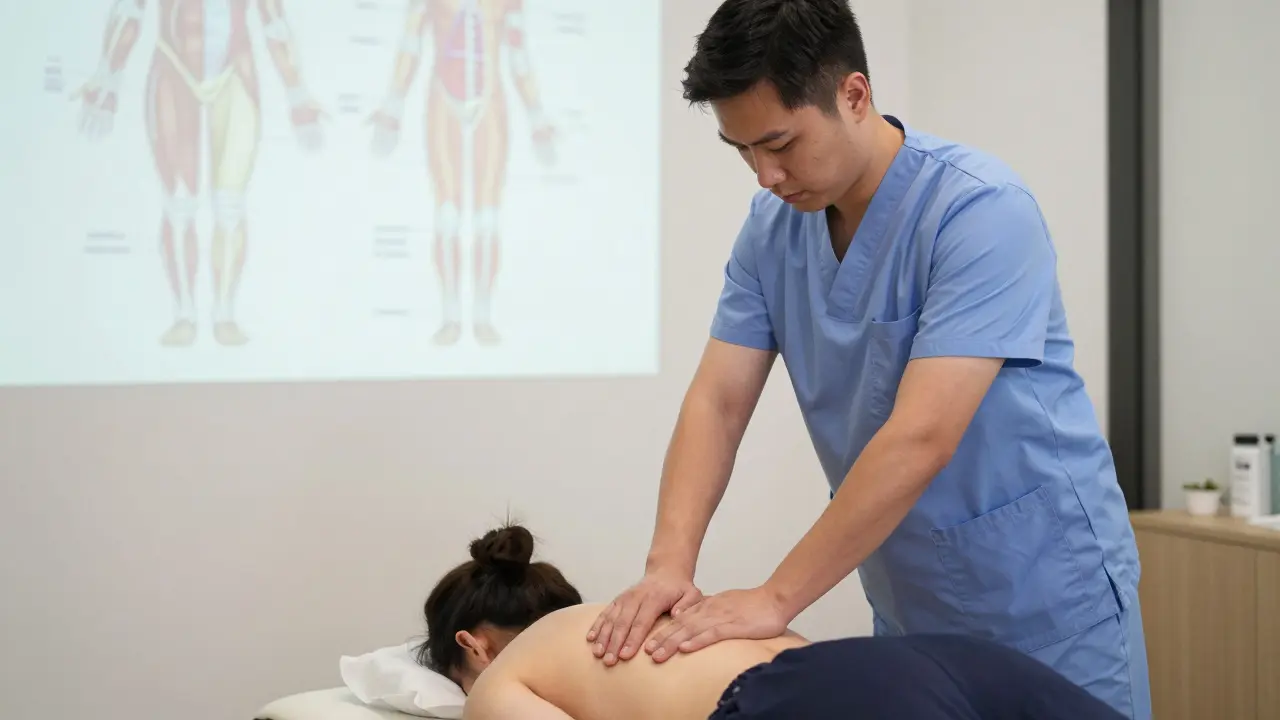
Medical massage isn’t just about feeling good after a long day. It’s a targeted, evidence-based treatment used by doctors, physiotherapists, and rehabilitation specialists to treat specific health conditions. Unlike spa massages that focus on relaxation, medical massage is prescribed like medicine-tailored to your diagnosis, anatomy, and recovery goals.
What Makes Medical Massage Different?
Think of medical massage as physical therapy with hands. It’s not about lavender scents or soothing music. It’s about applying the right pressure, at the right depth, to the right tissue, for a specific outcome. A therapist trained in medical massage knows exactly which muscles are tight because of a herniated disc, which fascia is stuck after surgery, or which nerve is compressed from repetitive strain.
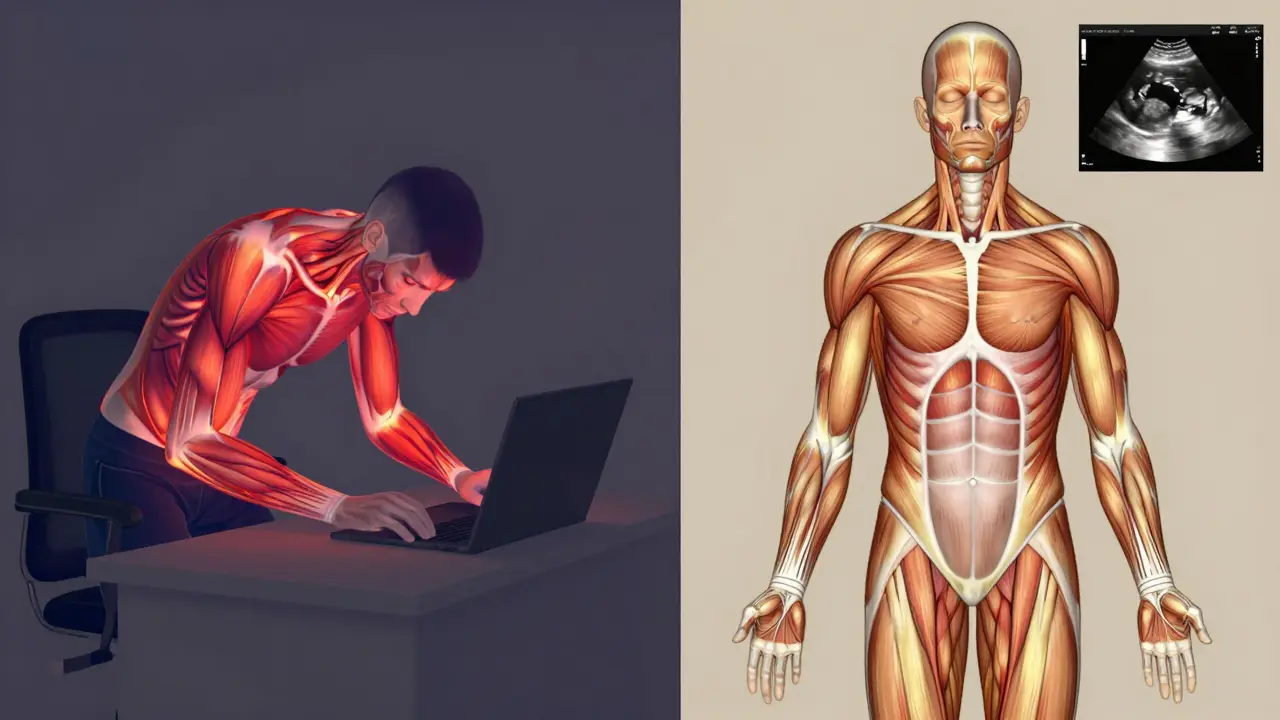
For example, if you have chronic lower back pain from sitting at a desk for eight hours a day, a spa massage might make you feel calm for a few hours. A medical massage therapist will assess your posture, muscle imbalances, and joint mobility. Then they’ll use techniques like myofascial release, trigger point therapy, and neuromuscular re-education to break up adhesions in your quadratus lumborum and erector spinae muscles-muscles most people don’t even know they have.
These aren’t guesswork methods. They’re backed by clinical studies. A 2023 review in the Journal of Orthopaedic & Sports Physical Therapy found that patients with chronic low back pain who received weekly medical massage for six weeks reduced their pain levels by 57% on average-more than those who only did stretching exercises.
Conditions Medical Massage Can Help With
Medical massage isn’t a cure-all, but it’s been proven effective for a wide range of diagnosed conditions:
- Chronic pain syndromes like fibromyalgia and myofascial pain syndrome
- Post-surgical recovery-reducing scar tissue buildup after knee replacements or abdominal surgeries
- Neuropathic pain from diabetic neuropathy or sciatica
- Repetitive strain injuries such as carpal tunnel syndrome or tennis elbow
- Muscle atrophy after long periods of immobilization
- Reducing inflammation in arthritis and tendonitis
- Improving circulation in patients with lymphedema or venous insufficiency
One patient I worked with in Brisbane had undergone a double hip replacement. After two months of physical therapy, she still couldn’t walk without a cane. Her therapist added medical massage targeting her gluteus medius and piriformis muscles-areas often overlooked in standard rehab. Within three weeks, she walked without assistance. The massage didn’t heal her hip. But it freed up the muscles that had tightened around the surgical site, letting her body move the way it was meant to.
How It Works: Science Behind the Hands
Medical massage doesn’t just feel good-it changes your body at a cellular level. When pressure is applied to tight or inflamed tissue, it triggers several biological responses:
- Increased blood flow brings oxygen and nutrients to damaged tissues
- Reduced cortisol levels lower stress hormones that worsen pain
- Stimulation of endorphins activates the body’s natural painkillers
- Breaking down cross-links in fascia restores tissue elasticity
- Modulating nerve signaling to reduce hypersensitivity in chronic pain
Studies using ultrasound imaging have shown that after just one session of medical massage, muscle thickness and fascial glide improve noticeably in patients with chronic shoulder pain. Another study using thermal imaging found reduced inflammation in arthritic knees after eight sessions of targeted massage.
This isn’t magic. It’s biomechanics. And it’s why medical massage is now part of standard rehab protocols in hospitals in Australia, Canada, and parts of Europe.
Who Performs Medical Massage?
Not every massage therapist can do medical massage. It requires additional training beyond basic certification. Look for therapists with credentials like:
- Certified Medical Massage Practitioner (CMMP)
- Specialization in Orthopedic Massage Therapy
- Training in Trigger Point Therapy or Neuromuscular Technique
- Experience working alongside physiotherapists or chiropractors
In Australia, many medical massage therapists are registered with the Australian Massage Therapy Association (AMTA) and carry liability insurance that covers clinical treatment. If your doctor recommends massage, ask for a referral to someone with clinical experience-not just a spa therapist.
Some private health insurers in Australia now cover medical massage under extras policies, but only if it’s prescribed by a GP or specialist and delivered by a qualified provider. Always check your policy.
What to Expect in a Session
Your first session isn’t like a typical massage. You’ll be asked detailed questions:
- When did the pain start?
- What makes it worse or better?
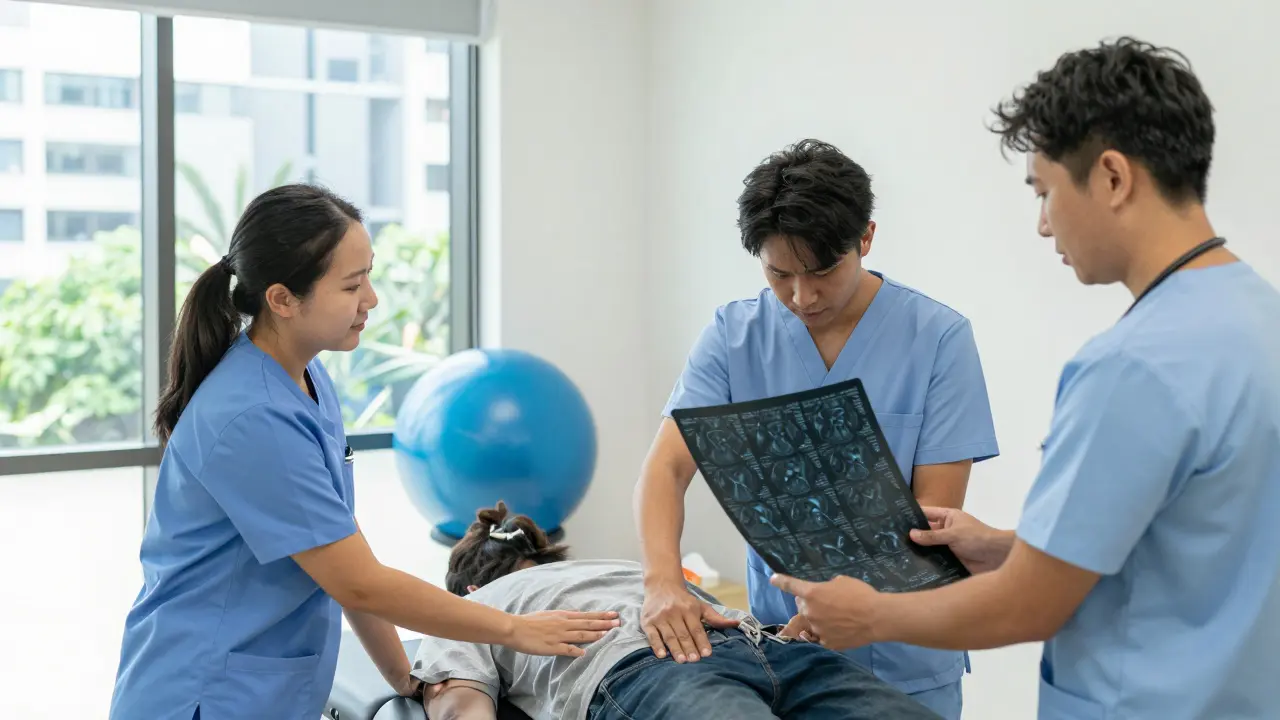
- Have you had imaging done (X-ray, MRI)?
- What medications are you taking?
- What’s your daily activity level?
The therapist will then perform a physical assessment-checking range of motion, muscle strength, posture, and tissue texture. They might press on specific points to see if they reproduce your pain. This is diagnostic work, not just touch.
During the treatment, you might feel discomfort-but it shouldn’t be sharp or unbearable. A good therapist will adjust pressure based on your feedback. Sessions usually last 45 to 75 minutes. Most patients need 4-8 sessions over several weeks to see lasting results.
What Medical Massage Won’t Do
It’s important to know the limits. Medical massage won’t:
- Fix a broken bone
- Reverse nerve damage from advanced diabetes
- Replace surgery for a torn ACL
- Eliminate the need for medication in severe cases
It’s a tool-not a replacement. Used right, it enhances recovery. Used wrong, it can make things worse. That’s why it must be part of a broader care plan.
How to Get Started
If you’re considering medical massage:
- Consult your GP or physiotherapist. Ask if massage is appropriate for your condition.
- Request a referral to a therapist with clinical training.
- Bring any imaging reports or diagnosis notes to your first session.
- Track your symptoms before and after treatment-note pain levels, mobility, sleep quality.
- Don’t expect instant results. Healing takes time, and consistency matters.
In Brisbane, clinics like the Queensland Pain & Rehab Centre and the Integrative Health Network offer medical massage as part of multidisciplinary care. Many work directly with physiotherapists, so your treatment plan is coordinated.
Why This Matters Now
With rising rates of chronic pain and opioid dependency, non-drug treatments are more important than ever. The Australian Government’s 2025 National Pain Strategy explicitly recommends massage therapy as a first-line option for musculoskeletal pain. Medical massage is no longer a fringe alternative. It’s a core component of modern pain management.
People are waking up to the fact that healing isn’t just about pills or procedures. Sometimes, it’s about hands that know how to listen to the body’s signals-and how to respond.
Is medical massage the same as physiotherapy?
No. Physiotherapy includes exercises, joint mobilization, and equipment-based treatments like ultrasound or electrical stimulation. Medical massage focuses solely on soft tissue manipulation. Many patients receive both. A physiotherapist might prescribe massage as part of your rehab plan, or a massage therapist might refer you to a physio if joint or movement issues are involved.
Does medical massage hurt?
It can feel intense, especially if you have deep muscle knots or scar tissue. But it shouldn’t cause sharp, shooting, or burning pain. A good therapist will work within your tolerance and adjust pressure as needed. Some soreness after a session is normal-like after a workout-but it should fade within 24-48 hours.
Can I get medical massage if I have cancer?
Yes, but only with clearance from your oncologist and a therapist trained in oncology massage. Techniques are modified to avoid pressure on tumors, surgical sites, or areas with low platelet counts. Many cancer centers now offer oncology massage to reduce treatment-related pain, swelling, and anxiety.
How long do the effects last?
After one session, you might feel relief for a few hours to a couple of days. With consistent treatment over 4-8 weeks, changes become more lasting. Think of it like exercise-regular sessions build resilience. Once symptoms improve, maintenance sessions every 4-6 weeks help prevent relapse.
Is medical massage covered by Medicare?
No, Medicare doesn’t cover massage therapy in Australia. However, if you have a Chronic Disease Management (CDM) plan from your GP, you may be eligible for rebates through private health insurance. Always check with your insurer and therapist before booking.
Can I do medical massage at home?
You can use foam rollers, massage balls, or handheld devices for mild relief, but these aren’t the same as clinical treatment. Medical massage requires precise knowledge of anatomy, tissue response, and therapeutic pressure. Self-treatment can help maintain progress, but it shouldn’t replace professional care for diagnosed conditions.
If you’ve been told to "just live with the pain," consider this: medical massage offers a way to actively heal-not just endure. It’s not about escaping discomfort. It’s about restoring function, reducing dependence on drugs, and reclaiming movement. Your body remembers how to heal. Sometimes, it just needs the right hands to remind it.