
Mastering the Techniques of Stone Massage: A Practical Guide
 Dec, 16 2025
Stone massage isn’t just about laying warm rocks on your back. It’s a deliberate, ancient practice that blends heat, pressure, and rhythm to release deep tension, improve circulation, and calm the nervous system. If you’ve ever felt like a regular massage didn’t go deep enough, stone massage might be the missing piece. The heat from the stones melts through layers of tight muscle in a way hands alone often can’t. And when done right, it doesn’t just feel good-it creates real, lasting change in how your body moves and feels.
What Makes Stone Massage Different?
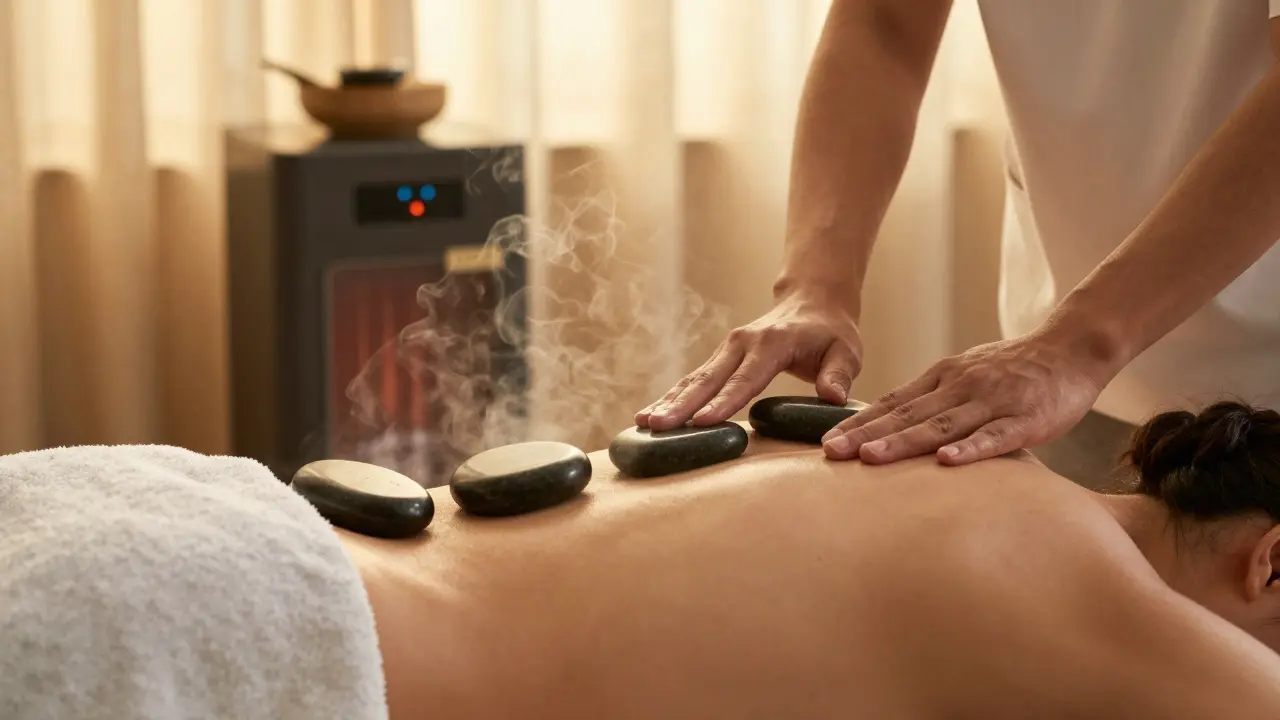
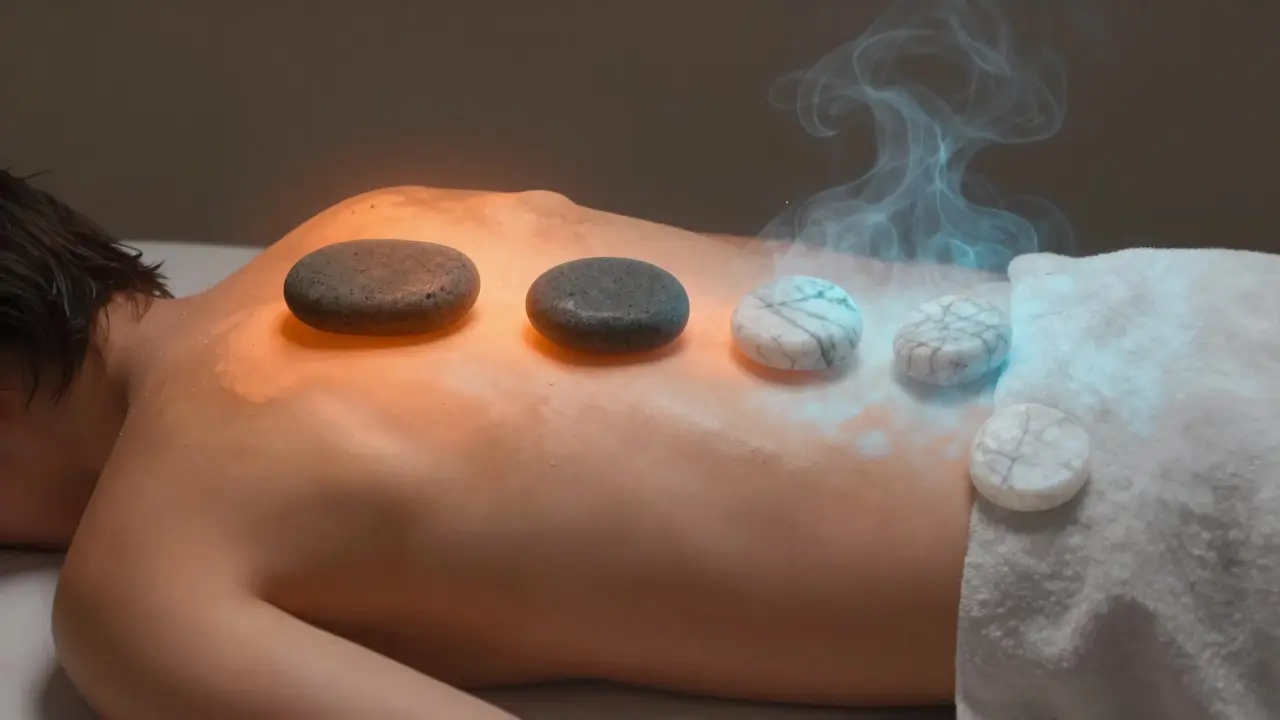
Hot stone massage uses smooth, heated basalt stones-volcanic rock that holds heat well. These stones are warmed to about 120-130°F (49-54°C), then placed along the spine, on the palms, between the toes, or directly over tight muscle groups. Cold stones, usually marble, are sometimes used afterward to reduce inflammation and close pores. The contrast between hot and cold creates a therapeutic pulse that helps reset your body’s natural healing response.
Unlike Swedish or deep tissue massage, where the therapist relies mostly on hand pressure, stone massage uses the stones as extensions of the hands. This means less strain on the therapist’s wrists and more consistent, penetrating heat. The stones don’t just warm the skin-they transfer heat deep into the fascia, the connective tissue that wraps around muscles. That’s why people often report feeling looser and more relaxed hours after the session.
The Science Behind the Heat
Heat therapy isn’t new. Doctors have used it for centuries to ease pain and stiffness. But stone massage takes it further. A 2022 study published in the Journal of Bodywork and Movement Therapies found that participants who received hot stone massage showed a 37% greater reduction in muscle stiffness compared to those who got a standard massage. Why? The heat increases blood flow by up to 40% in the treated areas, helping flush out lactic acid and other metabolic waste. It also triggers the parasympathetic nervous system-the part of your body that says “rest and digest.” That’s why people often drift into a deep, restful state during the session.
Therapists who use stones regularly say clients with chronic lower back pain, fibromyalgia, or stress-related tension respond better to stone therapy than to other modalities. The warmth feels less invasive than deep pressure, making it ideal for people who avoid deep tissue work because it’s too intense.
Essential Tools and Setup
You can’t do stone massage with just any rocks. You need specific stones that are smooth, dense, and heat-retentive. Basalt is the gold standard because it’s naturally formed by lava flow, giving it the perfect texture and thermal properties. Avoid river stones from your backyard-they’re often too porous and can crack under heat.
Here’s what you need for a basic setup:
- 20-30 basalt stones, sized from golf ball to fist-sized
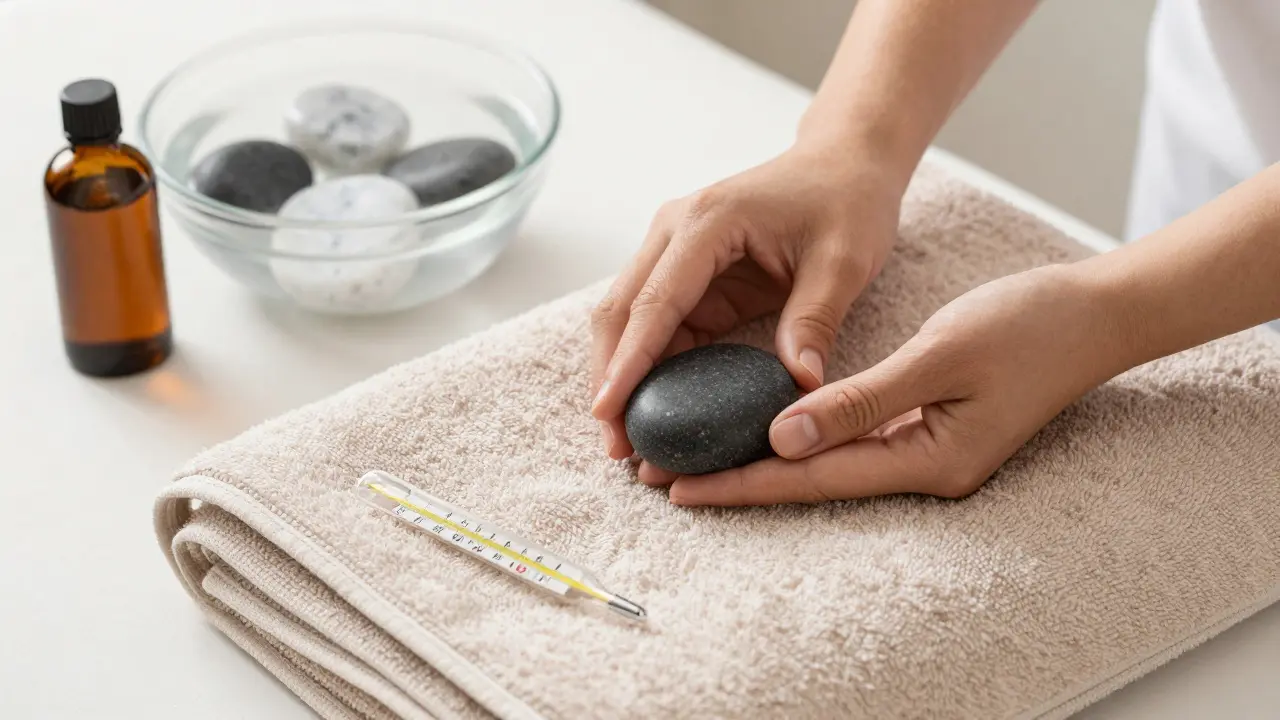
- A stone heater with temperature control (not a microwave or slow cooker)
- Thermometer to verify stone temperature
- Thick towels or thermal pads to insulate stones
- High-quality massage oil (like sweet almond or jojoba) that won’t burn
- Optional: cold marble stones and a cooler with ice water
Never heat stones above 130°F. At higher temperatures, you risk burns, especially on sensitive skin. Always test stones with your wrist or inner forearm before placing them on a client. A good rule: if it feels too hot for your own skin, it’s too hot for theirs.
Step-by-Step Technique for Beginners
Mastering stone massage takes practice, but the core movements are simple. Here’s how to get started:
- Prepare the stones. Heat them slowly in a dedicated heater for at least 45 minutes. Keep them covered with towels to retain heat.
- Warm the client. Start with a light Swedish massage to relax surface muscles. This helps the heat penetrate deeper later.
- Place the stones. Lay a row of stones along the spine from the base of the neck to the tailbone. Place one on each ankle, palm, and between the shoulder blades. Use towels under stones to prevent direct skin contact.
- Work with the stones. Use the stones to glide over the back, legs, and arms. Think of them as heated rollers. Apply gentle pressure-let the weight of the stone do the work, not your arm strength.
- Switch to cold stones. After 10-15 minutes, remove the hot stones. Dip marble stones in ice water, dry them, and place them on areas of inflammation or redness. This helps reduce swelling and closes pores.
- Finish with handwork. Use your hands to gently knead areas where the stones were placed. This integrates the effects and prevents stiffness.
Don’t rush. Stone massage is slower than other types. Each movement should feel deliberate. The goal isn’t to cover every inch of the body-it’s to create a rhythm of warmth and release.
Common Mistakes to Avoid
Even experienced therapists make these errors:
- Using stones that are too hot. Burns happen. Always test temperature. Clients rarely complain until it’s too late.
- Placing stones on bony areas. Don’t put stones directly on the spine, collarbone, or kneecaps. Use towels as buffers.
- Skipping the cool-down. Cold stones aren’t optional. They prevent overheating and help the body return to balance.
- Using the same stones for multiple clients. Stones can harbor bacteria if not cleaned properly. Wash them with antibacterial soap and disinfect after every use.
- Ignoring client feedback. Some people feel too much heat. Others feel nothing. Adjust based on their response, not your routine.
Who Should Avoid Stone Massage?
Stone massage is safe for most people-but not everyone. Avoid it if:
- You have open wounds, burns, or recent scars
- You have diabetes with poor circulation or nerve damage
- You’re pregnant (especially in the first trimester)
- You have a fever, infection, or active inflammation
- You’re on blood thinners or have a bleeding disorder
- You have a pacemaker or implanted medical device
Always ask clients about medical conditions before starting. If in doubt, refer them to their doctor. Stone massage is powerful-but it’s not a substitute for medical care.
How Often Should You Get It?
For general relaxation, once a month is enough. For chronic pain or high stress, weekly sessions for 4-6 weeks can create lasting changes. Many clients report better sleep, less muscle tension, and even reduced headaches after just three sessions.
One client in Toronto, a schoolteacher with chronic neck pain, came in every Tuesday for six weeks. She said the difference wasn’t just in her shoulders-it was in how she carried herself. “I stopped hunching,” she told me. “I feel like my body finally remembered how to relax.”
Building Your Stone Massage Practice
If you’re a therapist looking to add stone massage to your services, start small. Buy a basic kit and practice on friends or family. Record your sessions-note where the stones felt most effective and where clients reacted. Over time, you’ll develop your own rhythm.
Don’t try to compete with spa prices. Focus on quality. Clients pay for results, not ambiance. A well-executed 60-minute stone massage in a quiet room can be more valuable than a flashy 90-minute session with loud music and scented candles.
Many therapists who add stone massage see a 40% increase in repeat clients. Why? It’s memorable. People don’t forget the warmth of stones on their skin. They remember how calm they felt afterward. That’s the kind of experience that brings people back.
Can I use stone massage at home?
Yes, but only with the right tools and precautions. Use a proper stone heater, not a microwave. Test stone temperature carefully. Stick to simple techniques like placing stones on the back, feet, or palms. Avoid deep pressure or complex movements unless you’ve been trained. Home sessions should be short-30 minutes max-and never used to treat pain without professional advice.
Do I need special training to do stone massage?
You don’t need a license just to use stones, but if you’re offering it professionally, most regions require certification in massage therapy. Training programs typically include anatomy, safety protocols, stone handling, and contraindications. Look for courses certified by the American Massage Therapy Association or similar bodies. Self-taught therapists often miss critical safety steps-like proper stone cleaning or avoiding heat on sensitive areas.
How long do the stones last?
High-quality basalt stones can last 10+ years with proper care. Clean them after every use with antibacterial soap and warm water. Dry them completely before storing. Avoid dropping them on hard surfaces-they can chip or crack. If a stone develops cracks or rough edges, replace it. Damaged stones can cause discomfort or injury.
Are cold stones necessary?
Yes, for a complete session. Cold stones help reduce inflammation, soothe overstimulated tissues, and bring the body back to equilibrium. Skipping them is like heating a room and never opening the window. The contrast is part of what makes stone massage effective. Use marble stones cooled in ice water for 10-15 minutes before applying.
What’s the difference between hot stone and cold stone massage?
Hot stone massage uses heat to relax muscles, increase blood flow, and ease tension. Cold stone massage uses chilled marble to reduce swelling, calm inflamed nerves, and tighten skin. They’re often used together in one session. Cold stone massage alone is common for facial treatments, migraines, or post-injury recovery. Hot stones are for deep relaxation; cold stones are for healing and recovery.
Final Thoughts: It’s Not Just a Treatment-It’s a Reset
Stone massage isn’t a luxury. It’s a tool for restoring balance. In a world where stress is constant and bodies are overworked, the simple act of applying steady, gentle heat can be profoundly healing. The stones don’t fix you-they help your body remember how to heal itself. And that’s something no pill, app, or quick fix can do.