
Mastering Acupressure: Techniques for Health and Wellness
 Jul, 28 2026
Imagine having a pharmacy in your hands. No pills, no prescriptions, just the simple application of pressure to specific spots on your body to shift energy, ease pain, or calm anxiety. That is the promise of acupressure, an ancient practice rooted in Traditional Chinese Medicine (TCM) that has gained massive traction in modern wellness circles. Unlike acupuncture, which uses needles, acupressure relies solely on manual pressure. It is accessible, safe, and something you can do anywhere-on your couch, at your desk, or before bed.
The core idea behind this technique is straightforward. Your body contains invisible pathways called meridians where vital energy, known as Qi (pronounced "chee"), flows. When this flow gets blocked or stagnant, you experience symptoms like pain, fatigue, or stress. By applying steady pressure to specific acupressure points along these meridians, you clear the blockage and restore balance. It sounds mystical, but many people find it incredibly practical for managing daily discomforts.
Understanding the Basics of Meridians and Qi
To master acupressure, you first need to understand the map you are working with. The human body, according to TCM, has twelve primary meridians that correspond to major organs and systems. For example, the Lung Meridian runs from the chest down the arm to the thumb, while the Liver Meridian travels up the leg to the foot. Each meridian has specific points that act like switches for that system.
Qi is not just a spiritual concept; think of it as the electrical current running through your wiring. If a wire is kinked, the light flickers. In your body, if Qi is blocked in the Gallbladder Meridian, you might get a tension headache. Pressing the correct point unkinks the wire. You don't need a degree in Eastern medicine to grasp this. You just need to know which points address common issues and how to press them effectively.
Essential Acupressure Points for Everyday Relief
You don't need to memorize all hundreds of points to start seeing benefits. There are a few "power points" that serve multiple purposes and are easy to locate. Here are the most effective ones for general health and wellness:
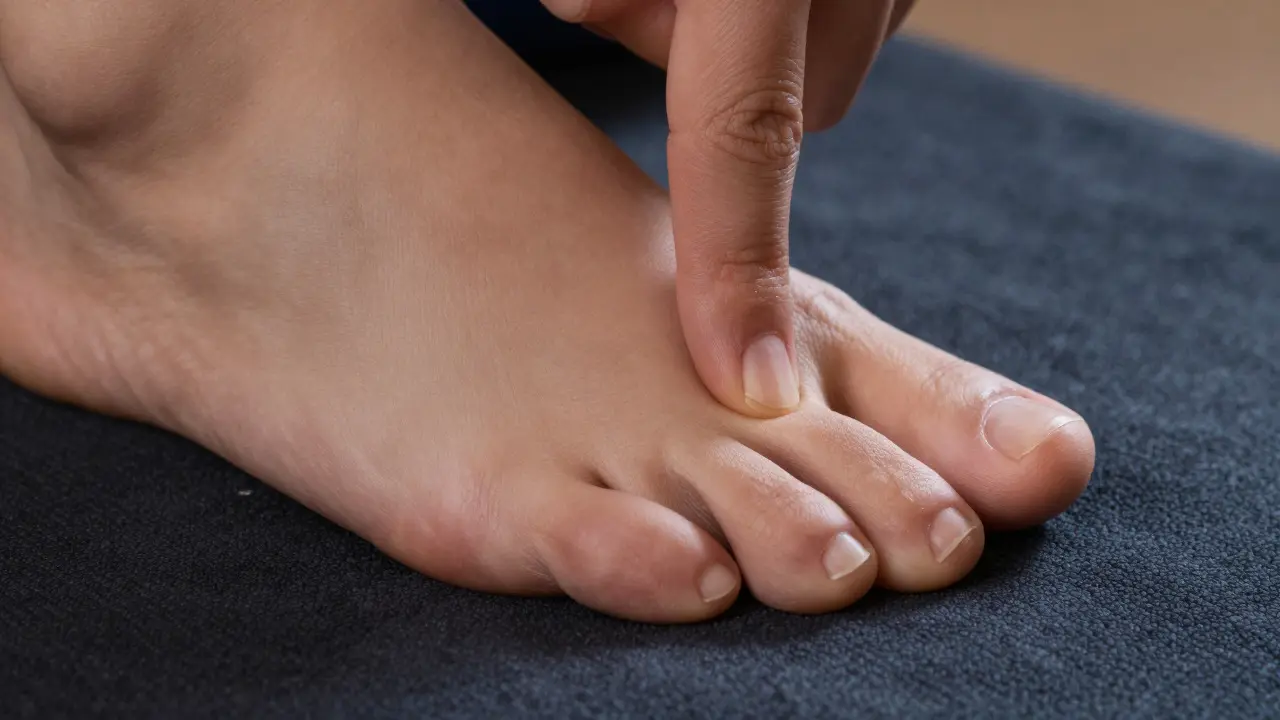
- Liver 3 (Tai Chong): Located on the top of your foot, in the depression between the big toe and the second toe. This point is fantastic for calming anger, reducing stress, and relieving headaches. Push firmly upward toward your ankle until you feel a dull ache.
- Pericardium 6 (Nei Guan): Found on the inner wrist, three finger-widths below the base of the palm, between the two tendons. This is the go-to point for nausea, motion sickness, and anxiety. It’s why you see those plastic wristbands for seasickness-they mimic this pressure.
- Large Intestine 4 (He Gu): Situated on the back of your hand, in the fleshy area between your thumb and index finger. This point helps with facial pain, toothaches, and colds. Note: Avoid this point if you are pregnant, as it can stimulate contractions.
- Governing Vessel 20 (Bai Hui): Located at the very top center of your head. Imagine a line from the top of your ears meeting at the crown. Pressing here clears mental fog, lifts mood, and helps with insomnia.
- Spleen 6 (San Yin Jiao): On the inner leg, four finger-widths above the inner ankle bone, just behind the shinbone. This point supports digestion, hormonal balance, and sleep quality. Like LI-4, avoid during pregnancy.
Proper Technique: Pressure, Duration, and Breath
Finding the right spot is only half the battle. How you apply pressure matters just as much. Many beginners make the mistake of poking hard and fast, which can cause irritation rather than relief. Acupressure should feel like a "good hurt"-a deep, satisfying soreness, similar to pressing on a knot in a muscle after a workout.
Use your thumb, index finger, or even a knuckle for deeper pressure. Apply steady, rhythmic pressure. You can push straight in, circle gently, or use a pumping motion. Hold each point for three to five minutes. Breathe deeply while you press. Inhale through your nose, exhale through your mouth. This breathing activates the parasympathetic nervous system, enhancing the relaxation response triggered by the pressure.
If you are treating a partner or client, start with lighter pressure and gradually increase based on their feedback. Communication is key. Ask, "Is this level of pressure comfortable?" Adjust accordingly. Consistency beats intensity. Doing gentle acupressure daily yields better results than aggressive sessions once a month.
Targeting Specific Conditions: Pain, Stress, and Digestion
Acupressure shines when used for targeted symptom management. Let’s break down how to approach common ailments:
Headaches and Migraines
Tension headaches often stem from tight neck and shoulder muscles. Combine Liver 3 (on the foot) with Large Intestine 4 (on the hand). Add pressure to the base of the skull, where the neck meets the head. Massage these areas in small circles for two minutes each. Stay hydrated, as dehydration exacerbates headaches.
Anxiety and Insomnia
For racing thoughts, focus on Governing Vessel 20 (top of head) and Pericardium 6 (wrist). Lie down in a quiet room. Place one hand on your heart and the other on your belly. Breathe slowly. Apply gentle, circular pressure to GV20 for five minutes. This calms the mind and prepares the body for sleep.
Digestive Issues
Bloating and indigestion respond well to Spleen 6 (inner leg) and Stomach 36 (below the knee, one finger-width lateral to the shinbone). After meals, walk lightly and press these points. Avoid heavy, greasy foods if you are prone to digestive stagnation.
| Condition | Primary Point | Secondary Point | Duration |
|---|---|---|---|
| Tension Headache | LI-4 (Hand) | LV-3 (Foot) | 3-5 mins per side |
| Nausea/Motion Sickness | PC-6 (Wrist) | ST-36 (Leg) | 5 mins continuously |
| Anxiety/Stress | GV-20 (Crown) | Yintang (Between Eyebrows) | 5-10 mins |
| Insomnia | SP-6 (Inner Leg) | HT-7 (Inner Wrist) | 5 mins before bed |
| Lower Back Pain | BL-23 (Below Waist) | Kidney 3 (Foot) | 3-5 mins per side |
Integrating Acupressure into Daily Life
You don’t need to set aside an hour for this practice. Micro-sessions work wonders. Keep a small ball or marble in your pocket. When you feel stressed at work, roll it under your foot, stimulating reflexology points simultaneously. Use your phone alarm as a reminder to stretch and press Pericardium 6 during long meetings. Make it habitual.
Create a bedtime ritual. Ten minutes before sleep, press Spleen 6 and Heart 7 (inner wrist, near the pinky). Dim the lights. Put away screens. This signals to your brain that it’s time to wind down. Over weeks, this routine can significantly improve sleep onset and quality.
For athletes or active individuals, post-workout recovery is ideal for acupressure. Focus on large muscle groups. Press points around the shoulders, lower back, and calves to release tension and reduce inflammation. Combine with foam rolling for enhanced effect.

Safety Precautions and Contraindications
While generally safe, acupressure isn’t risk-free. Certain conditions require caution or avoidance:
- Pregnancy: As mentioned, avoid LI-4, SP-6, and any points on the lower abdomen or lower back. These can stimulate uterine contractions. Always consult your midwife or doctor before starting any new therapy during pregnancy.
- Bleeding Disorders: If you take blood thinners or have hemophilia, avoid vigorous pressure that could cause bruising or internal bleeding. Stick to very light touch.
- Open Wounds or Infections: Don’t press directly over cuts, rashes, varicose veins, or inflamed areas. Work around them instead.
- Recent Surgery: Wait until your surgeon clears you for massage or pressure therapy. Internal healing needs protection.
- Severe Chronic Conditions: If you have cancer, heart disease, or autoimmune disorders, talk to your healthcare provider. Acupressure can complement treatment but shouldn’t replace medical care.
Listen to your body. If a point feels sharp, electric, or causes dizziness, stop immediately. Mild soreness is normal; pain is not. Hydrate well after sessions to help flush out metabolic waste released from tissues.
Combining Acupressure with Other Modalities
Acupressure works beautifully alongside other wellness practices. Pair it with meditation for deeper mental clarity. Use essential oils like lavender or peppermint while pressing points to enhance sensory relaxation. Combine with yoga stretches to open meridians physically. For instance, after pressing Liver 3, try a seated forward fold to stretch the hamstrings and liver meridian further.
If you enjoy the principles but want more passive treatment, consider cupping or gua sha. These therapies also manipulate Qi and blood flow but use different tools. Many holistic clinics offer combined sessions. Explore what resonates with your body’s needs.
How long does it take for acupressure to work?
Results vary by individual and condition. For acute issues like nausea or tension headaches, relief can be immediate or within minutes. For chronic problems like anxiety or insomnia, consistent daily practice over 2-4 weeks typically shows noticeable improvement. Patience and regularity are key.
Can I do acupressure on myself?
Yes, self-acupressure is highly encouraged and practical. Most points on the hands, feet, face, and upper arms are easily accessible. For back or leg points, you may need tools like tennis balls against a wall or floor, or ask a partner for help.
Is acupressure safe for children?
Generally yes, but use much lighter pressure. Children’s bodies are more sensitive. Focus on calming points like PC-6 for tantrums or sleep issues. Avoid deep pressure on growing bones. Consult a pediatrician if unsure.
What is the difference between acupressure and acupuncture?
Both target the same meridian points and aim to balance Qi. Acupuncture uses sterile needles inserted into the skin, requiring a licensed practitioner. Acupressure uses manual pressure and can be performed by anyone. Acupuncture may offer deeper stimulation for some conditions, but acupressure is safer for self-care.
Are there apps or tools to help me learn acupressure?
Many reputable apps provide guided maps and timers for acupressure sessions. Look for apps developed by certified TCM practitioners. Physical tools like acupressure mats, rings, and wristbands are also available for convenience, though direct finger contact offers better tactile feedback for learning.