
Master the Art of Swedish Massage: Techniques, Benefits, and Step-by-Step Guide
 May, 10 2026
There is a reason why Swedish massage is the most popular form of therapeutic bodywork in the Western world. It isn’t just about relaxation; it is a structured system of manual manipulation designed to improve circulation, reduce muscle tension, and promote overall wellness. Whether you are a massage therapist looking to refine your craft or someone curious about what happens during a session, understanding the mechanics behind this modality changes everything.
Unlike more aggressive styles that focus on breaking down adhesions, Swedish massage works with the body’s natural rhythms. It uses long, gliding strokes to warm up the tissue before moving into deeper work. This approach makes it accessible for almost everyone, from athletes needing recovery to office workers suffering from stress-induced stiffness. Let’s break down exactly how it works, why it matters, and how you can master its core principles.
The Five Core Strokes of Swedish Massage
To truly understand this practice, you need to know the five fundamental stroke types. These aren't random movements; they serve specific physiological purposes. Mastering these strokes is the foundation of any effective session.
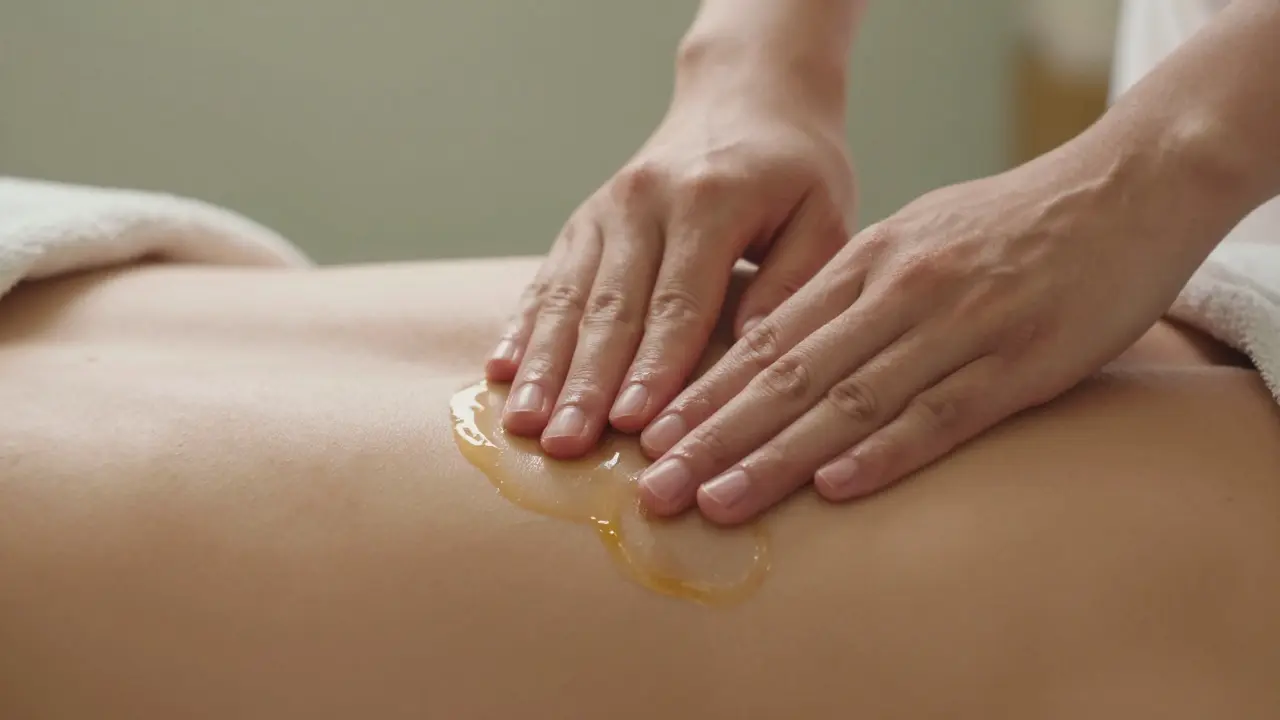
- Effleurage (Gliding): This is the starting point. You use long, smooth, gliding strokes along the length of the muscle. The goal here is to spread lotion, warm up the tissue, and stimulate superficial blood flow. Think of it as preparing the canvas before painting.
- Petrissage (Kneading): Imagine kneading dough. You lift, squeeze, and roll the muscle tissue between your fingers and thumbs. This action helps to release trapped toxins and improves venous return, which means better waste removal from the muscles.
- Friction: This involves small, circular motions or deep pressure applied across the grain of the muscle. It’s used to break up scar tissue and adhesions. Friction generates heat and targets specific tight spots rather than large areas.
- Tapotement (Percussion): These are rhythmic tapping, chopping, or cupping movements. They stimulate nerve endings and increase blood flow rapidly. Tapotement is often used at the end of a session to invigorate the client, but it should be avoided over sensitive areas like the spine or kidneys.
- Vibration: A shaking or trembling motion applied to the muscle. This helps to relax spasms and loosen stiff tissues. It requires good hand strength and control to be effective without causing discomfort.
When performed correctly, these strokes create a seamless flow. You don’t jump from one to another abruptly. Instead, you transition smoothly, ensuring the client never feels jolted or confused by sudden changes in pressure.
Physiological Benefits Beyond Relaxation
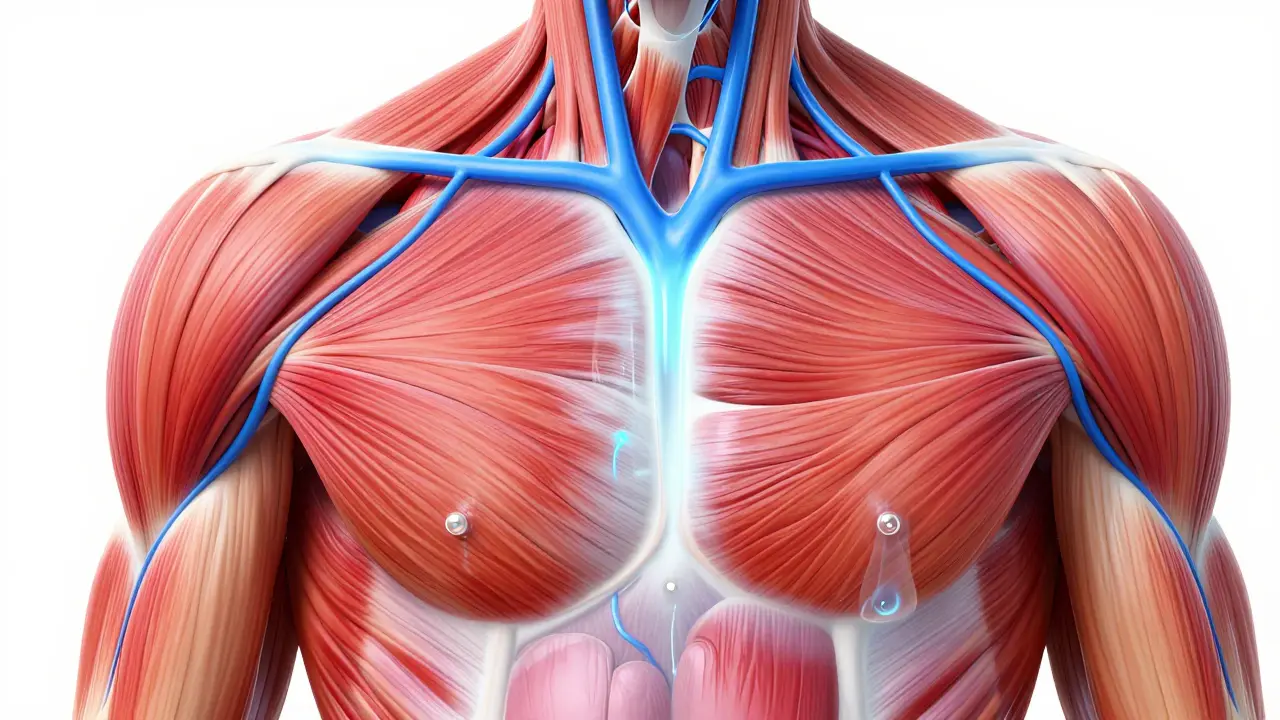
Many people assume Swedish massage is just a luxury spa treatment. In reality, it triggers measurable physiological responses. The primary benefit is improved circulation. As you apply effleurage and petrissage, you are mechanically assisting the heart in pumping blood through capillaries. This increased oxygen delivery helps muscles repair themselves faster after exercise or injury.
Another critical aspect is the reduction of cortisol levels. Cortisol is the body’s main stress hormone. High levels of cortisol lead to inflammation, weight gain, and anxiety. Studies have shown that a 60-minute Swedish massage can reduce cortisol by up to 53% while increasing dopamine and serotonin, the neurotransmitters associated with mood regulation and pain relief. This isn't just feeling good; it's a chemical shift in the body.
Additionally, this modality aids in lymphatic drainage. The lymphatic system doesn’t have a pump like the heart; it relies on movement and external pressure to move fluid. Gentle stroking towards the heart encourages the removal of metabolic waste products, reducing swelling and boosting immune function.
Swedish vs. Deep Tissue: Choosing the Right Approach
A common question is whether Swedish massage is enough for chronic pain. The answer depends on the source of the pain. Swedish massage operates on the superficial layers of muscle, focusing on general relaxation and circulation. Deep tissue massage, on the other hand, targets the deeper layers of muscle and fascia, using slower strokes and higher pressure to break down chronic restrictions.
| Feature | Swedish Massage | Deep Tissue Massage |
|---|---|---|
| Pressure Level | Light to Medium | Firm to Heavy |
| Primary Goal | Relaxation & Circulation | Release Chronic Tension |
| Pain During Session | Minimal to None | Moderate to High |
| Best For | Stress Relief, First-Timers | Athletes, Chronic Pain |
| Post-Session Soreness | Rare | Common |
If you are new to massage or dealing with acute stress, Swedish is the safer bet. It prepares the body for deeper work later. Trying to go straight into deep tissue without proper warm-up can cause micro-tears in the muscle fibers, leading to more pain rather than less.
Step-by-Step: Performing a Basic Back Sequence
Let’s walk through a standard sequence for the back. This is where most tension accumulates due to posture and daily activities. Always start with the client face down, supported by bolsters under the chest and knees to ensure spinal neutrality.
- Warm-Up: Begin with broad effleurage strokes from the lower back up to the shoulders and down the sides. Use both hands to cover the entire area. Keep your palms flat and your pressure even. Do this for 2-3 minutes to raise the temperature of the tissue.
- Kneading: Move into petrissage. Focus on the trapezius muscles (upper shoulders) and the latissimus dorsi (lower back). Lift the muscle away from the bone and squeeze gently. Work in an upward direction towards the heart to aid venous return.
- Targeted Work: Use friction on any specific knots you feel. Apply thumb pressure in small circles. If you find a tender spot, hold steady pressure for 10-15 seconds until the muscle releases. Never push into pain; ask the client for feedback.
- Invigoration: Finish with tapotement if the client enjoys it. Use cupped hands to rhythmically tap along the paraspinal muscles (the muscles next to the spine). Avoid hitting the spine directly.
- Closure: End with slow, gentle effleurage strokes to calm the nervous system. This signals to the body that the session is ending.
This sequence takes about 15-20 minutes. It provides a comprehensive treatment that addresses both relaxation and minor muscular issues.
Essential Tools and Environment Setup
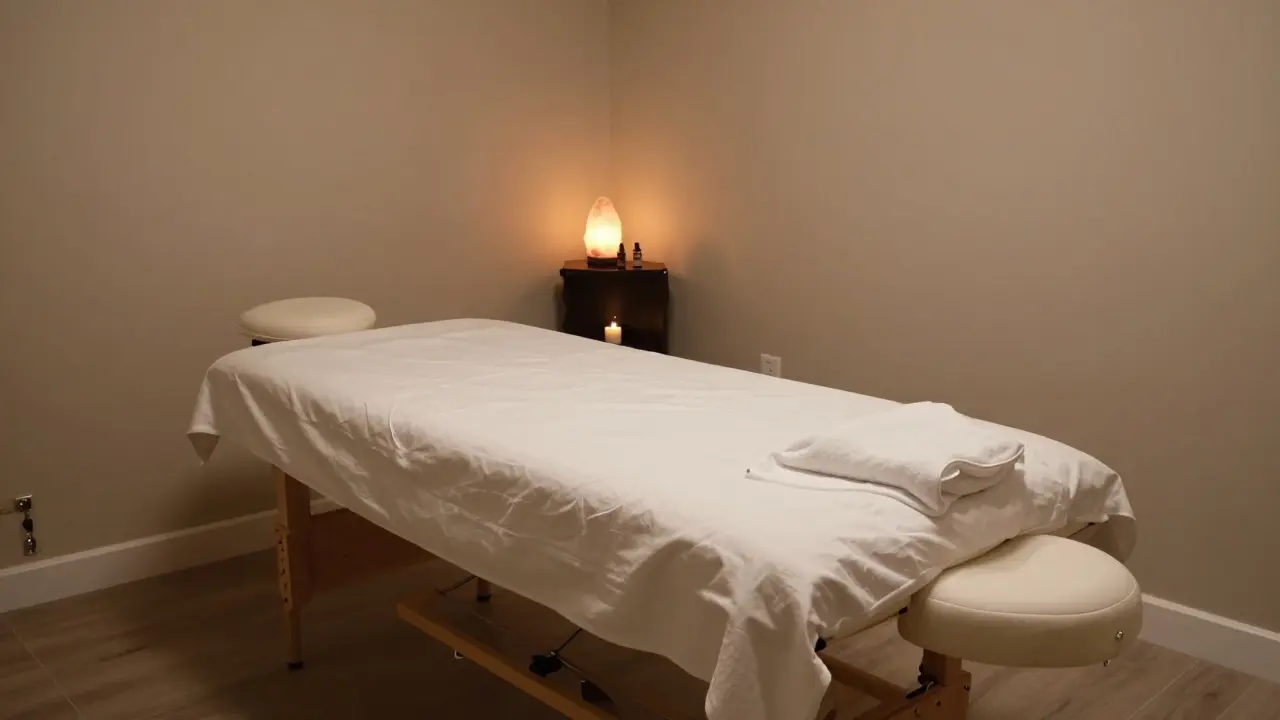
Your technique matters, but so does your environment. The right setup enhances the effectiveness of the massage. First, consider the table height. It should be at waist level for you to maintain a neutral spine while working. Straining your back will shorten your career and reduce the quality of your touch.
Lubricants play a huge role. Oil reduces friction, allowing for smoother glides. Jojoba oil is a great choice because it mimics the skin’s natural sebum and doesn’t go rancid quickly. Lotions are better for clients who dislike greasy feelings, but they dry out faster and require more frequent reapplication.
Ambient factors like lighting, temperature, and music also contribute to the outcome. A room temperature of 72-75°F (22-24°C) is ideal. Dim lighting and soft instrumental music help lower the client’s heart rate, making the physiological benefits of the massage more pronounced.
Safety Precautions and Contraindications
Not everyone is a candidate for every type of massage. Knowing when not to touch is as important as knowing how to touch. Absolute contraindications include contagious diseases, open wounds, and recent fractures. Relative contraindications, where you might modify the session, include high blood pressure, pregnancy, and osteoporosis.
For pregnant clients, avoid lying them flat on their back after the first trimester due to pressure on the vena cava. Side-lying positions are safer. For clients with osteoporosis, use lighter pressure to avoid risking bone fractures. Always consult with a healthcare provider if you are unsure about a client’s medical history.
Hydration is another key factor. After a session, encourage clients to drink water. This helps flush out the metabolic waste released from the muscles. Dehydration can lead to headaches and fatigue post-massage, which reflects poorly on the experience.
Building Your Skills as a Practitioner
Becoming proficient takes time. Start by practicing on willing friends or family members. Pay attention to your body mechanics. Use your body weight, not just arm strength, to deliver pressure. This prevents burnout and allows for longer, more consistent sessions.
Consider continuing education courses. While basic certification covers the fundamentals, specialized training in sports massage or geriatric care can expand your client base. Networking with local gyms, chiropractors, and physical therapists can also lead to referrals.
Remember, the art of massage is as much about listening as it is about touching. Ask questions. Check in regularly. Adapt your technique based on the client’s feedback. This personalized approach builds trust and ensures lasting results.
How often should I get a Swedish massage?
For general maintenance and stress relief, once a month is sufficient. If you are dealing with acute muscle tension or recovering from an injury, weekly or bi-weekly sessions may be beneficial initially. Listen to your body and adjust the frequency based on your needs and budget.
Is Swedish massage painful?
No, Swedish massage is generally not painful. It focuses on relaxation and gentle manipulation. You should feel comfortable throughout the session. If you experience pain, communicate with your therapist immediately so they can adjust the pressure. Discomfort is different from pain; some mild soreness in tight areas is normal, but sharp pain is not.
What should I wear to a Swedish massage?
You typically undress to your level of comfort. Most clients choose to undress completely, while others prefer to keep underwear on. The therapist will provide a sheet or towel to drape over you, exposing only the area being worked on. Draping ensures modesty and warmth throughout the session.
Can Swedish massage help with back pain?
Yes, it can help alleviate mild to moderate back pain caused by muscle tension and poor posture. By improving circulation and releasing tight muscles, it reduces strain on the spine. However, for chronic structural issues like herniated discs, deep tissue massage or physical therapy might be more appropriate. Always consult a doctor for persistent pain.
Do I need to tip my massage therapist?
Tipping is customary in many places, typically ranging from 15% to 20% of the service cost. It shows appreciation for the therapist’s skill and effort. However, check the policy of the specific clinic or spa, as some independent practitioners include gratuity in their rates or do not accept tips.