
Lomi Lomi Massage: The Hawaiian Art of Healing Touch
 Apr, 5 2026
Ever wondered why some massages feel like a clinical procedure while others feel like a warm wave washing over you? Most of us are used to the "knead and poke" style of massage where a therapist focuses on one muscle at a time. But there is a different way. Lomi Lomi Massage is a traditional Hawaiian healing practice that treats the entire body as a connected system rather than a set of isolated parts. Commonly referred to as Lomi Lomi, this practice isn't just about fixing a sore shoulder; it's about restoring the flow of energy, or "mana," to bring the body and mind back into balance.
What Makes This Approach Different?
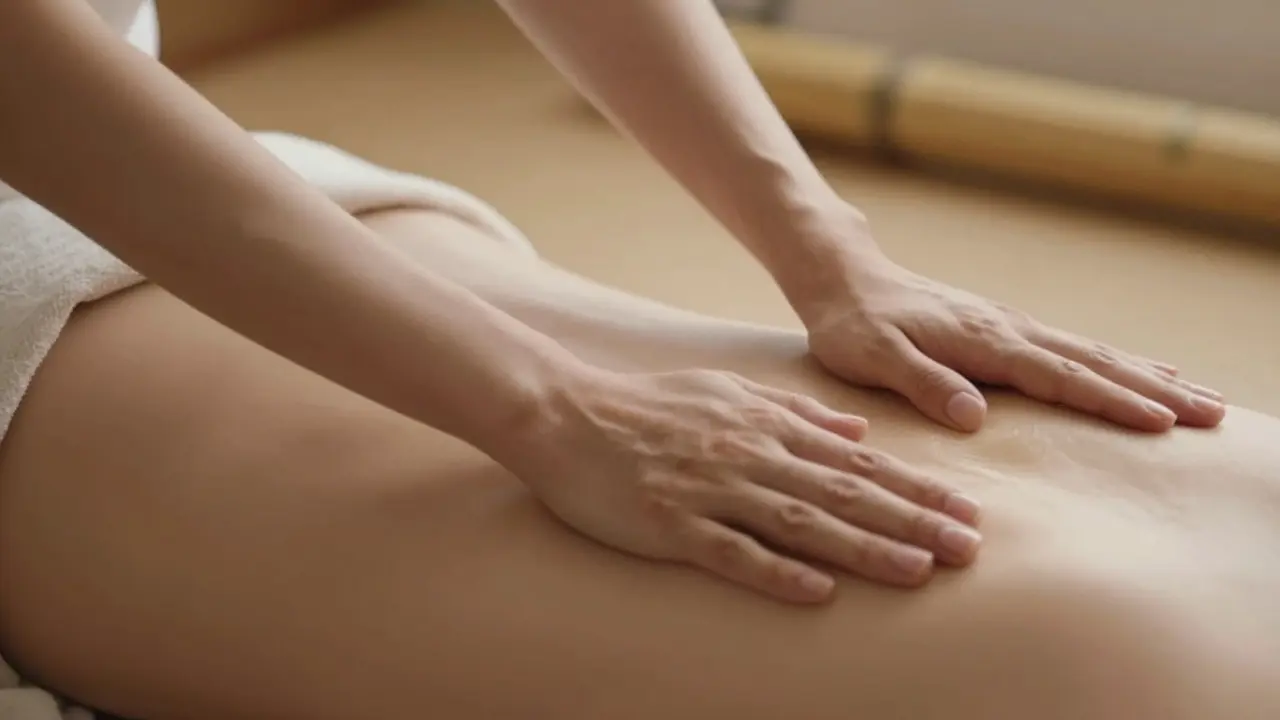
If you've had a Swedish massage, you know the long strokes. If you've had deep tissue, you know the intense pressure. Lomi Lomi blends these but adds a rhythmic, flowing quality. The practitioner doesn't just use their thumbs or fingertips; they use their forearms and palms to create long, continuous movements. This creates a sensation of being enveloped, almost like you're floating in water.
The secret is in the continuity. In many Western styles, the therapist lifts their hands off your skin to move to a new area. In a traditional session, the contact is rarely broken. This constant touch helps the nervous system drop its guard, moving you out of "fight or flight" mode and into a state of deep relaxation. It's less about manipulating tissue and more about communicating with the body through rhythm.
The Roots of Hawaiian Healing
To understand this work, you have to look at Huna is the ancient Hawaiian philosophy of spiritual healing and mental power. Lomi Lomi is the physical manifestation of Huna. For the practitioners, the massage is a form of prayer and a way to clear blockages in the body's energy pathways.
Historically, this wasn't something you just booked for an hour at a spa. It was a community practice used to heal physical injuries, emotional trauma, and spiritual distress. The goal was always "ho'oponopono," which means making things right. By releasing physical tension, the practitioner helps the client release emotional baggage, allowing them to move forward with a clear heart.
| Feature | Lomi Lomi | Swedish Massage |
|---|---|---|
| Primary Tool | Forearms and Palms | Fingertips and Thumbs |
| Movement Style | Continuous, rhythmic waves | Linear, segmented strokes |
| Core Goal | Holistic energy balance | Muscle relaxation/Circulation |
| Physical Contact | Constant touch | Intermittent touch |
How a Typical Session Works
Walking into a Lomi Lomi session feels different from a standard appointment. There is usually an emphasis on intention. The therapist might start with a brief conversation or a moment of centering to ensure the energy is aligned before the physical work begins.
Once you're on the table, the movements start. You'll notice the therapist moving around the table frequently, often using their whole body to lean into the strokes. They might work on your arm and your torso simultaneously, weaving the movements together. This "weaving" technique is designed to mirror the natural flow of the ocean, which is a central metaphor in Hawaiian culture.
Because of the broad surface area used (the forearms), the pressure is distributed. You get the benefit of deep work without the localized pain that sometimes comes with trigger point therapy. It’s a way to get deep into the muscle fibers while keeping the overall experience soothing and rhythmic.
The Physical and Mental Benefits
Most people come in for the physical relief, but the mental shift is where the real magic happens. Because the technique mimics a rocking or waving motion, it can trigger a primal sense of safety and comfort. This makes it incredibly effective for people struggling with chronic stress or anxiety.
- Lymphatic Drainage: The long, sweeping strokes encourage the movement of lymph fluid, helping the body flush out toxins more efficiently.
- Muscle Tension Release: By treating the body as a whole, it addresses the root cause of tension rather than just the symptom. For example, a neck ache might be treated by working the lower back and shoulders in one fluid motion.
- Mental Clarity: The rhythmic nature of the work can induce a theta-wave state in the brain, which is the bridge between wakefulness and sleep, often leading to a "meditative" experience.
- Improved Circulation: The broad pressure increases blood flow across larger areas of the skin, warming the muscles and joints.

Who Should Try Lomi Lomi?
If you're someone who finds traditional massage too "aggressive" or clinical, this is your best bet. It's perfect for those who feel overwhelmed by the pace of modern life and need a way to shut off their brain. It's also a great choice for athletes who need recovery but are feeling mentally burnt out.
However, like any bodywork, there are a few things to consider. If you have acute injuries, such as a fresh fracture or severe inflammation, you should wait until those heal. People with certain cardiovascular conditions should always check with a doctor first, as the increased circulation and deep relaxation can affect blood pressure.
Finding the Right Practitioner
Not all "Hawaiian massages" at a local strip mall are authentic Lomi Lomi. To get the real experience, look for practitioners who mention their lineage or training in traditional Hawaiian methods. Ask them about their approach to energy and whether they use the forearm technique. A true practitioner will focus as much on the environment and the intention as they do on the physical strokes.
Don't be surprised if the session feels longer or shorter than usual. Because this work is based on flow and energy, some therapists work based on the body's response rather than a strict clock. This intuitive approach is what makes the practice feel personal and healing rather than transactional.
Does Lomi Lomi massage hurt?
Generally, no. Unlike deep tissue massage that focuses on pinpointing knots with thumbs, Lomi Lomi uses forearms and palms to spread pressure. This makes it feel much smoother and more relaxing, though your therapist will still adjust the pressure based on your preference.
Is it different from a regular spa massage?
Yes. While a spa massage often focuses on relaxation or specific muscle relief in segments, Lomi Lomi focuses on the whole body and the flow of energy. The movements are rhythmic and continuous, and the use of forearms is a key distinction from the fingertip-heavy approach of standard Swedish massage.
How often should I get a Lomi Lomi session?
It depends on your goals. For general wellness and stress management, once a month is usually enough to keep the body balanced. If you are dealing with chronic tension or emotional burnout, weekly sessions for a short period can help "reset" your nervous system.
What should I wear during the massage?
As with most professional bodywork, you will be draped with towels or sheets. You can wear as much or as little as you feel comfortable with, though most people choose to undress to the level of a standard massage to allow the long, flowing strokes to move across the skin without interruption.
Can Lomi Lomi help with anxiety?
Absolutely. The rhythmic, waving motions are designed to soothe the nervous system. By reducing the production of cortisol and increasing oxytocin through sustained skin contact and a steady beat, it helps the mind move from a state of alertness to one of peace.