
Knife Massage Guide: Benefits, Risks, and How to Do It Safely
 May, 31 2026
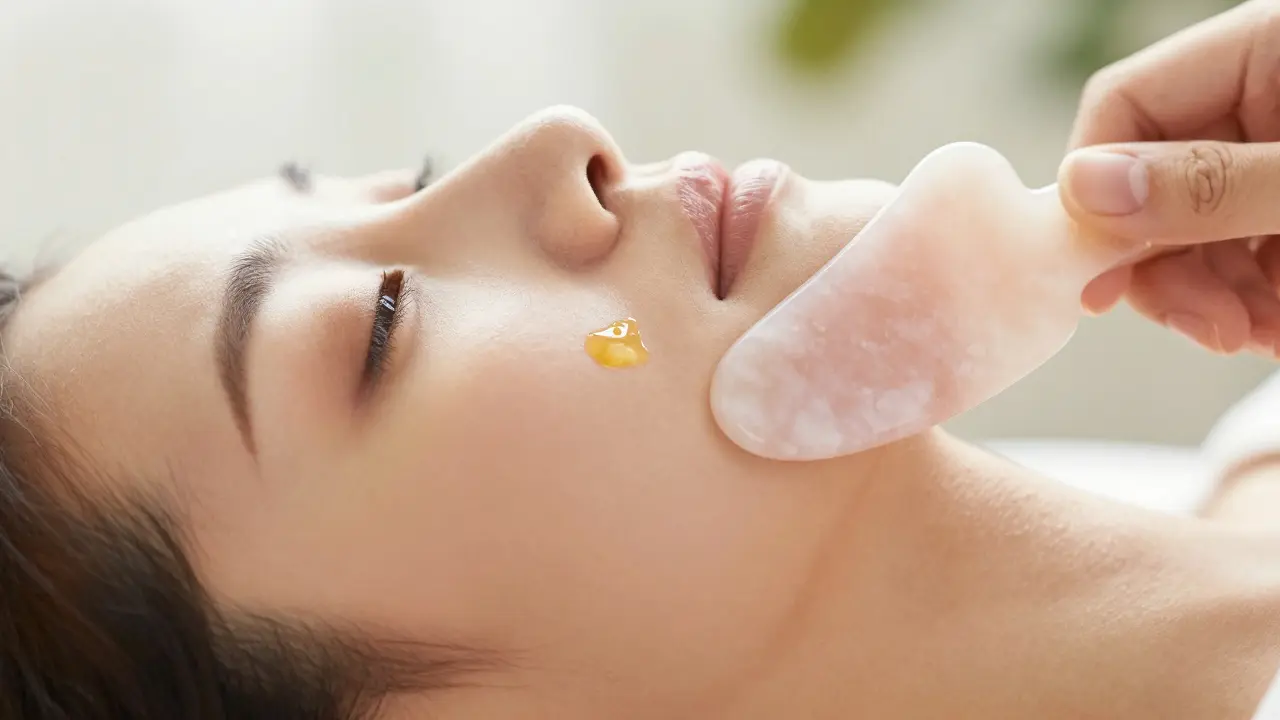
Imagine running a flat, smooth blade along your jawline or pressing it firmly into the tight knot of your shoulder. It sounds painful, maybe even dangerous. But for thousands of people, this sensation is pure relief. This technique is known as knife massage, though you might know it by its traditional Chinese name, Gua Sha. While the word "knife" usually triggers alarm bells, in the hands of a skilled practitioner-or with the right tool at home-it becomes a method for moving stagnation, reducing inflammation, and smoothing out skin texture.
You’ve probably seen influencers on social media scraping their faces with jade or rose quartz tools. That’s one side of the coin. The other side involves heavier metal tools used on the body to treat deep muscle tension. Both fall under the umbrella of scraping therapy. The core idea is simple: create controlled micro-trauma to boost blood flow and flush out toxins. But before you grab the nearest kitchen utensil (please don’t), let’s break down what this therapy actually is, why it works, and how to do it without ending up with bruises that look like a crime scene.
What Is Knife Massage Really?
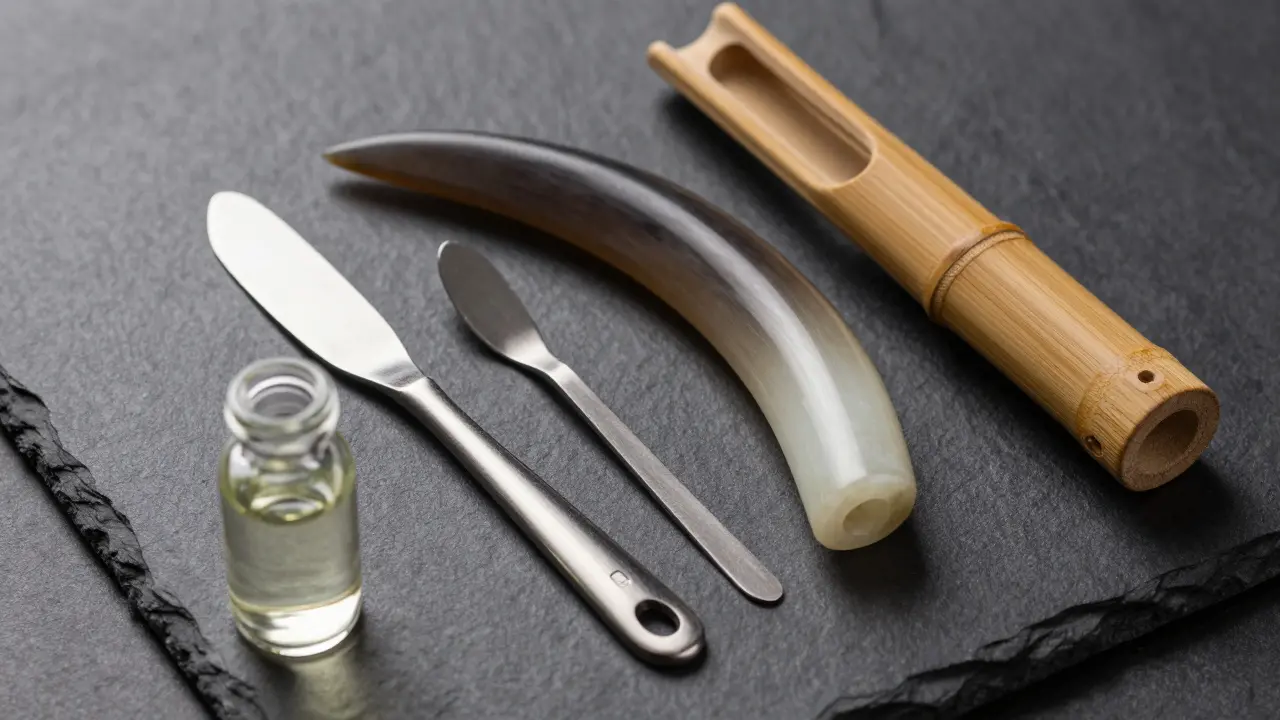
Gua Sha is a traditional Chinese medicine technique involving scraping the skin with a smooth-edged tool to improve circulation and relieve pain. The term translates roughly to "scraping sand." Historically, practitioners used coins, spoons, or shells. Today, we have specialized tools made from stainless steel, horn, or stone.
The concept isn't just about aesthetics. In Traditional Chinese Medicine (TCM), health is viewed as the free flow of Qi (energy) and blood through meridians. When this flow gets blocked, you get pain, stiffness, or illness. Scraping the surface breaks up these blockages. From a Western medical perspective, the mechanism is slightly different but equally effective. The scraping action causes capillaries near the skin's surface to burst slightly, creating redness known as sha. This signals the immune system to rush to the area, increasing local blood flow and triggering an anti-inflammatory response.
It’s important to distinguish between facial knife massage and body knife massage. Facial treatments are gentle, aiming to lift and drain lymphatic fluid. Body treatments are deeper, targeting myofascial release and chronic pain. Using a heavy body tool on your face will cause damage. Using a delicate facial tool on your back won’t move much tension. Context matters.
The Science Behind the Scrape
Skeptics often dismiss scraping therapy as placebo or mere superstition. However, recent studies lend credibility to the practice. Research published in journals like Pain Medicine has shown that Gua Sha can significantly reduce neck pain and improve range of motion compared to standard care alone. Another study focused on post-stroke patients found that facial Gua Sha improved swallowing function and reduced drooling.
How does it work biologically? Think of it as manual lymphatic drainage combined with fascial release. The fascia is the connective tissue wrapping around your muscles. When you’re stressed or injured, this tissue can tighten and stick together. Scraping applies shear force to the fascia, helping it slide smoothly again. This reduces mechanical restriction and pain. Additionally, the increased blood flow brings oxygen and nutrients to tired tissues while carrying away metabolic waste products like lactic acid.
For athletes and active individuals, this makes sense. After a marathon or a heavy lifting session, your muscles are inflamed. A gentle scrape can help reset the tissue environment faster than passive rest. It’s not magic; it’s physiology. You’re manually assisting your body’s natural healing processes.
Choosing Your Tool: Stone vs. Steel
Not all knives are created equal. In fact, using a literal kitchen knife is a terrible idea. The edges are too sharp, and the angle is wrong. You need tools designed specifically for scraping. Here’s how the main options compare:
| Tool Material | Best For | Pros | Cons |
|---|---|---|---|
| Jade or Rose Quartz | Facial massage, gentle lymphatic drainage | Cool to touch, aesthetically pleasing, smooth finish | Too fragile for body use, can chip if dropped |
| Buffalo Horn | Body and face, traditional TCM preference | Durable, warm energy (in TCM theory), flexible edge | Requires ethical sourcing verification, porous material needs cleaning |
| Stainless Steel | Deep tissue body work, professional therapists | Hygienic, non-porous, durable, precise angles | Can feel cold initially, requires skill to avoid bruising |
| Bamboo | Beginners, sensitive skin | Eco-friendly, lightweight, naturally antibacterial | Less durable, can splinter over time |
If you’re starting with your face, go for stone. It’s gentle and cooling. If you’re tackling a sore back or legs, invest in a stainless steel or horn tool with multiple curves to fit the contours of your body. Look for tools with beveled edges-they glide better and dig less.
Step-by-Step: How to Perform a Safe Self-Massage
You don’t need a degree in acupuncture to benefit from this. But you do need to follow a few rules to avoid injury. Never scrape dry skin. Friction burns are real. Always use a medium-oil, lotion, or serum. This allows the tool to glide without tugging the epidermis.
- Prep the Area: Cleanse your skin and apply a generous amount of oil. Your goal is slip, not grip.
- Hold the Tool Correctly: Grip the tool comfortably. For most strokes, hold it at a 15 to 45-degree angle against the skin. Flat against the skin means no effect; perpendicular means pain and damage.
- Direction Matters: Always stroke toward the heart or downward. On the face, move outward and upward to counteract gravity. On the limbs, move toward the torso to aid lymphatic return. Never scrape upward on your arms or legs.
- Apply Gentle Pressure: Start light. You should feel pressure, not sharp pain. Let the weight of the tool do the work. Press harder only if you’re experienced and treating dense muscle tissue.
- Repeat Strokes: Perform 5 to 10 strokes per area. Stop if you see bright red marks (sha). Dark purple indicates old stagnation; bright red indicates new heat. Either way, stop there. You don’t need to bleed to get results.
- Aftercare: Drink water. Your body is processing released toxins. Avoid cold showers or air conditioning immediately after, as you want to keep pores open and circulation high.
A common mistake beginners make is going too hard. They think more pain equals more gain. This is false. Aggressive scraping damages tissue and leads to prolonged inflammation. Consistency beats intensity. Doing a gentle 5-minute routine daily is far better than a brutal 30-minute session once a month.
Who Should Avoid Knife Massage?
While generally safe, this therapy isn’t for everyone. Certain conditions can turn a healing treatment into a health risk. Consult a doctor before trying Gua Sha if you have any of the following:
- Blood Clotting Disorders: Conditions like hemophilia or thrombocytopenia mean your blood doesn’t clot properly. Scraping could lead to excessive bleeding or large hematomas.
- Blood Thinners: If you take medications like Warfarin, Eliquis, or aspirin regularly, your risk of bruising is higher. Patch test first and use very light pressure.
- Skin Infections: Don’t scrape over open wounds, rashes, acne cysts, sunburns, or varicose veins. You’ll spread bacteria or damage fragile vessels.
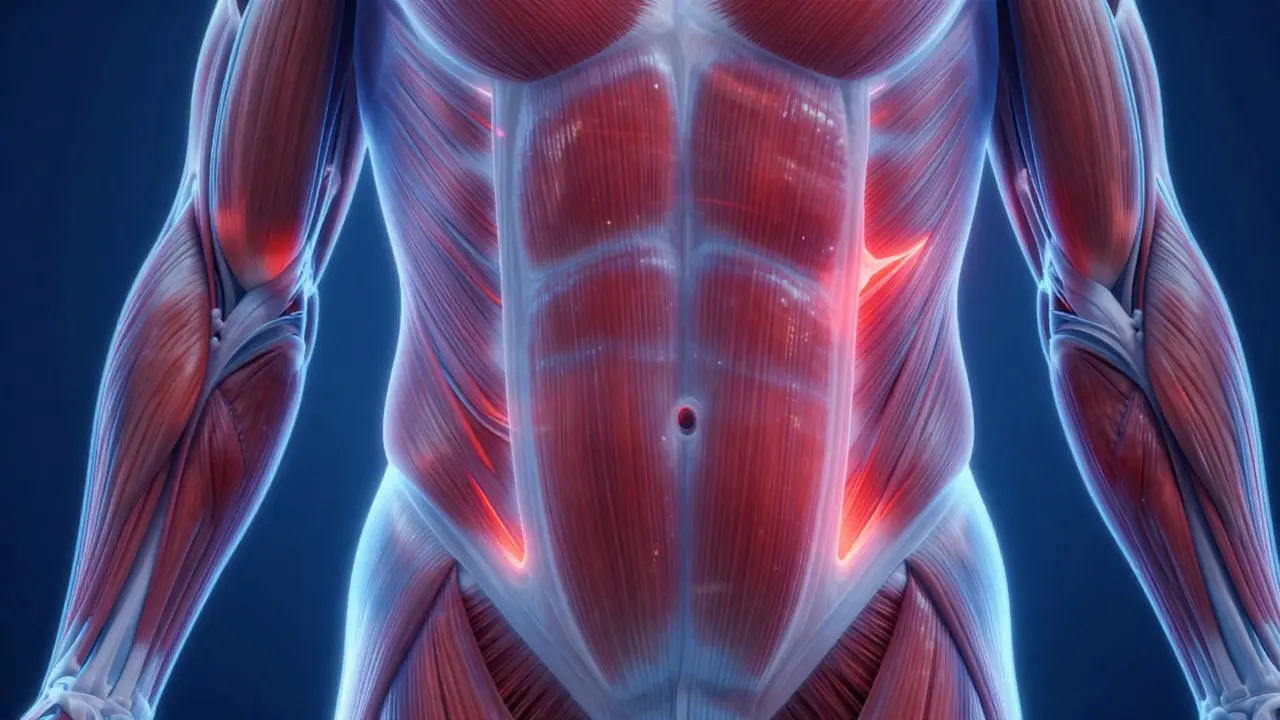
- Pregnancy: Some areas, particularly the abdomen and lower back, are contraindicated during pregnancy due to reflex points that could stimulate uterine contractions. Stick to the arms and face if cleared by your midwife.
- Osteoporosis: Fragile bones require caution. Deep pressure near bony prominences (like the spine or ribs) could cause discomfort or injury.
If you’re unsure, start with a licensed therapist. They can assess your constitution and show you personalized techniques. Once you understand the pressure and movement, you can safely maintain the benefits at home.
Frequently Asked Questions
Does knife massage leave permanent marks?
No, the redness or bruising (called sha) is temporary. It typically fades within 3 to 7 days, depending on your skin sensitivity and the pressure used. Bright red marks disappear faster than dark purple ones. It’s similar to a mild bruise and leaves no scarring if done correctly.
How often should I do knife massage?
For facial maintenance, daily or every other day is fine since the pressure is light. For body work, wait until the previous marks have faded completely before treating the same area. This usually means once or twice a week. Over-scraping irritates the skin and prevents proper healing.
Can I use a regular spoon for knife massage?
In a pinch, yes. Historically, coins and spoons were used. However, dedicated tools are safer because they have smoothed, rounded edges and ergonomic handles. Spoon edges can be uneven or sharp, increasing the risk of nicks. If you use a spoon, ensure it’s clean and polished smooth.
Is knife massage painful?
It should not be painful. You may feel intense pressure or a "good hurt" sensation as tension releases, but sharp pain means you’re pressing too hard or using the wrong angle. Adjust your pressure immediately. Pain indicates tissue damage, not therapeutic benefit.
Does knife massage really reduce wrinkles?
It can improve skin appearance by boosting collagen production through increased blood flow and reducing puffiness via lymphatic drainage. While it won’t erase deep static wrinkles like surgery might, consistent use can soften fine lines and give the skin a tighter, more lifted look. Results vary by individual and age.
What oil is best for knife massage?
Use any slippery, non-comedogenic oil. Jojoba, grapeseed, or sweet almond oil are great choices. Avoid thick creams that might clog the tool or slip poorly. The key is enough lubrication to allow the tool to glide without dragging the skin. Essential oils can be added for aroma, but patch test first to avoid irritation.
Can I do knife massage on my partner?
Yes, but communication is crucial. Ask for feedback on pressure constantly. What feels good to you might hurt them. Start gently and build up. Also, be mindful of hygiene-clean the tool before and after use, especially if sharing. Never scrape over moles, scars, or broken skin.
Is there a difference between Gua Sha and Graston Technique?
Yes. Gua Sha is a traditional holistic practice focusing on energy flow and general wellness. The Graston Technique is a modern, evidence-based physical therapy method using specific stainless steel instruments to treat soft tissue restrictions. Graston is performed by certified healthcare providers and targets specific pathologies, whereas Gua Sha is broader and often self-administered.