
Kahuna: The Ancient Hawaiian Practice That Drives Real Positive Change
 Jan, 6 2026
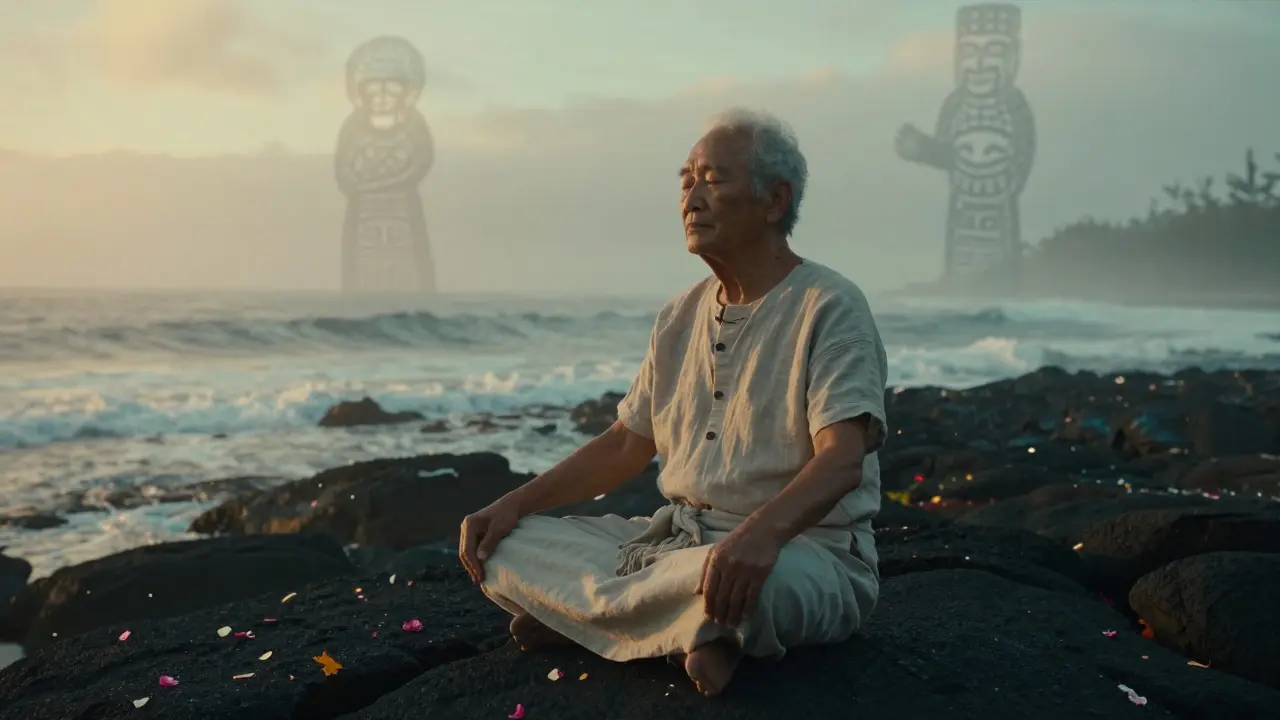
For centuries, the people of Hawaii lived in balance-with the land, the sea, and the unseen forces that shaped their daily lives. At the heart of that balance was the kahuna, a healer, priest, and guide who didn’t just treat symptoms but rewired the whole person. Today, when we talk about holistic change, mental clarity, or emotional release, we’re often chasing what the kahuna already knew: true healing starts where the body, mind, and spirit meet.
What Exactly Is a Kahuna?
A kahuna isn’t just a healer. It’s a title earned through years of training, initiation, and deep spiritual connection. In traditional Hawaiian culture, kahunas were specialists. There were kahunas of medicine, kahunas of navigation, kahunas of prayer, and kahunas of construction. Each one mastered a sacred art passed down orally, often from parent to child or elder to apprentice.
The word itself means "keeper of sacred knowledge." Unlike modern healers who rely on diagnosis and protocols, kahunas worked with energy, intention, and relationship. They believed illness wasn’t just physical-it was a sign of imbalance in relationships: with family, with ancestors, with the land, or with the divine.
One of the most misunderstood aspects of kahuna practice is that it wasn’t about magic spells or chanting for miracles. It was about restoring harmony. A kahuna would sit with a person for hours, listening-not just to their words, but to their silence. They’d sense where energy was stuck. Then they’d use touch, breathwork, prayer, or ritual to help the person realign.
How Kahuna Practices Create Lasting Change
Modern psychology talks about trauma stored in the body. Neuroscience confirms that emotional pain leaves physical imprints. The kahuna didn’t need fMRI scans to know this. They saw it every day.
One common practice, called ho’oponopono, is still used today-not just in Hawaii but across global wellness circles. It’s a simple process: take responsibility, ask for forgiveness, express gratitude, and let go. Sounds basic? Try it when you’re holding onto anger toward a parent, a partner, or even yourself. The shift isn’t instant, but it’s real. People report feeling lighter, clearer, and more in control after just one session.
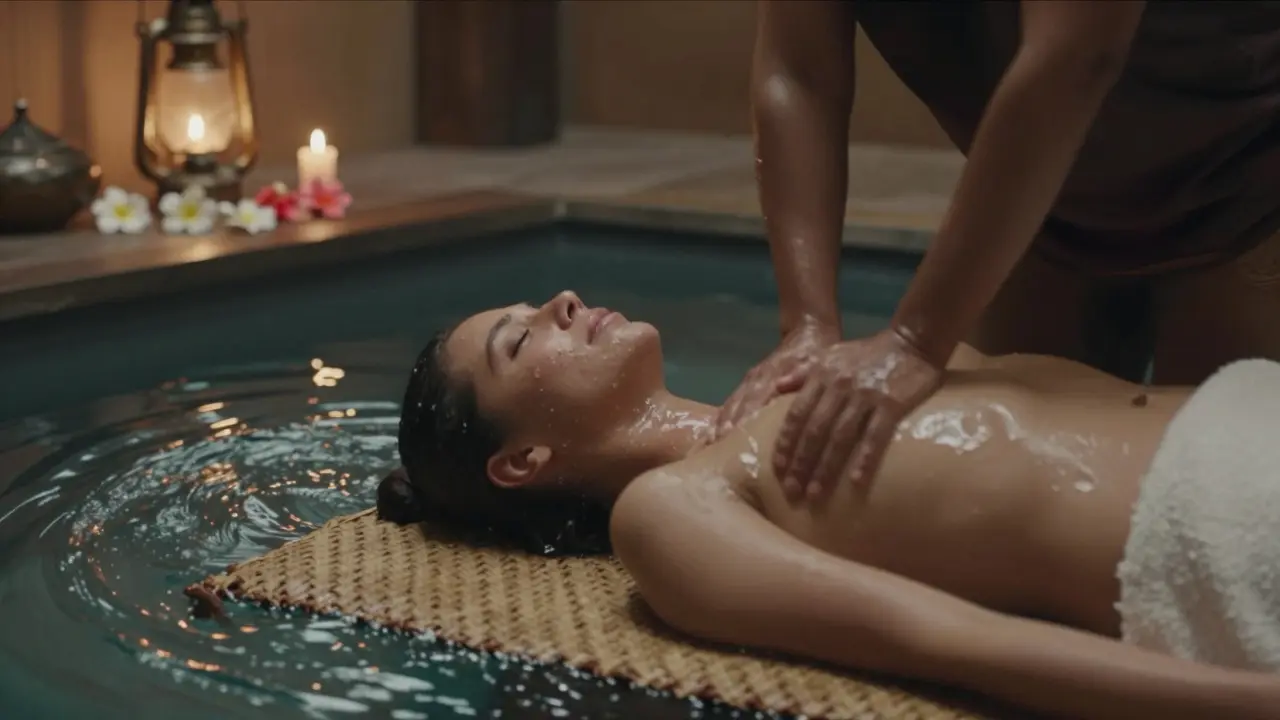
Another tool is lomilomi, the traditional Hawaiian massage. But it’s not just deep tissue or Swedish strokes. Lomilomi flows like the ocean. Practitioners use forearms, elbows, and even their whole body to move energy, not just muscle. The rhythm is intentional. The touch is prayerful. Many who’ve experienced it describe it as being held-not fixed, not manipulated, but held.
What makes kahuna practices different from other forms of energy healing is their grounding in community and ancestry. You don’t heal in isolation. You heal as part of a lineage. That’s why many kahuna rituals involve calling on ancestors-not as ghosts, but as living guides who continue to influence the present.
The Science Behind the Spirit
It’s easy to dismiss kahuna practices as folklore. But science is catching up. Studies on mindfulness, breathwork, and somatic therapy show that when people focus on bodily awareness and emotional release, cortisol levels drop, inflammation decreases, and pain perception shifts.
A 2021 study published in the Journal of Complementary and Integrative Medicine tracked 87 participants who underwent weekly lomilomi sessions over three months. By the end, 73% reported significant reductions in chronic stress symptoms. More than half said they felt a renewed sense of purpose. The researchers didn’t attribute this to massage alone. They noted the ritual context-the quiet space, the focused intention, the absence of judgment-as key factors.
Another example: ho’oponopono has been adapted in trauma recovery programs in the U.S. and Australia. Therapists use it not as a spiritual practice but as a cognitive tool. Repeating phrases like "I’m sorry, please forgive me, thank you, I love you" helps break cycles of blame and self-punishment. It’s not magic. It’s neuroplasticity in action.
What Kahuna Practices Are Not
There’s a lot of noise out there. You’ll find "kahuna retreats" in Bali, "Hawaiian energy healing" workshops in London, and YouTube gurus selling "secret kahuna codes" for $299. These aren’t kahuna practices. They’re commodified versions stripped of context, culture, and responsibility.
True kahuna work requires lineage. It requires humility. It requires living in alignment with the values it teaches. You can’t learn it from a PDF. You can’t master it in a weekend. Authentic kahunas don’t advertise. They’re often found through word of mouth, through community, through quiet persistence.
And here’s the hard truth: if you’re looking for quick fixes, kahuna won’t give them to you. It doesn’t promise to erase your anxiety in one session. It doesn’t offer a pill for your grief. It asks you to show up-fully, honestly, and repeatedly.

How to Connect With Kahuna Wisdom Today
You don’t need to fly to Hawaii to begin. The essence of kahuna is accessible anywhere, anytime.
- Start with ho’oponopono. Each morning, say aloud: "I’m sorry. Please forgive me. Thank you. I love you." Say it to yourself. Say it to someone you’ve hurt. Say it to the air. Don’t rush it. Let the words settle.
- Practice mindful touch. When you wash your hands, feel the water. When you hug someone, hold them longer than usual. Notice how your body responds. That’s lomilomi in miniature.
- Keep an ancestor journal. Write down three people from your family you remember-living or gone. What did they teach you? What did they carry? What do you carry for them?
- Find a local practitioner trained in authentic lomilomi or Hawaiian spiritual practices. Ask about their lineage. Ask how long they’ve trained. Real kahunas won’t mind.
Change doesn’t come from grand gestures. It comes from small, consistent acts of realignment. That’s the kahuna way.
Why This Matters Now More Than Ever
We live in a world that rewards speed, output, and distraction. We’re told to fix ourselves with apps, supplements, and six-step plans. But deep healing doesn’t follow a checklist. It follows rhythm. It follows silence. It follows connection.
The kahuna tradition reminds us that we’re not broken machines needing repair. We’re living systems, shaped by our relationships, our history, and our environment. Healing isn’t about fixing what’s wrong. It’s about remembering what’s already whole.
When you choose to slow down, to listen, to forgive, to hold space-for yourself, for others-you’re not just practicing wellness. You’re stepping into an ancient lineage of change-makers. That’s the real power of the kahuna.
Is kahuna a religion?
No, kahuna is not a religion. It’s a system of knowledge and practice rooted in Hawaiian culture. While it includes spiritual elements like prayer and ancestral connection, it doesn’t require belief in a specific god or doctrine. People of all faiths-and no faith-can engage with kahuna practices as tools for healing and self-awareness.
Can anyone become a kahuna?
Traditionally, becoming a kahuna required years of apprenticeship under a recognized elder, often within a family lineage. Today, some individuals are trained by authentic Hawaiian practitioners, but the title is not something you can buy or earn online. True kahunas are recognized by their community, not by certificates. If someone calls themselves a kahuna without cultural ties or lineage, proceed with caution.
Is lomilomi massage the same as regular massage?
No. While both involve touch, lomilomi is deeply ritualistic. It uses flowing, rhythmic movements-often with the forearms-and is performed with prayer and intention. It’s not focused on muscle knots or pain relief alone. The goal is to release emotional and energetic blockages. Many describe it as being cradled by the practitioner, not just massaged.
Do I need to believe in spirits for ho’oponopono to work?
No. Ho’oponopono works whether you believe in ancestors, energy fields, or nothing at all. The power lies in the repetition and the emotional release. Saying "I’m sorry" and "I forgive you" interrupts cycles of blame and guilt. That’s psychology, not spirituality. The words are tools. The effect is real.
Where can I find a real kahuna?
Authentic kahunas are rare and often not publicly advertised. Look for practitioners connected to Hawaiian cultural organizations, such as the Kawaiaha’o Church in Honolulu or the Hawaiian Legacy Foundation. Ask about their training lineage. Avoid anyone selling courses, retreats, or "initiations" for money. Real kahunas work quietly, often within their communities, and rarely seek global attention.