
Journey to Wellness: The Lomi Lomi Massage Experience
 May, 24 2026
Have you ever felt truly relaxed? Not just the kind of tiredness that comes after a nap, but a deep, bone-weary release that feels like your soul has finally caught up with your body? That is the promise of Lomi Lomi, an ancient Hawaiian massage technique focused on long, flowing strokes and spiritual connection. It isn't just a rubdown. It’s a journey.
In Salt Lake City, where the pace can get fast and the mountains stand tall and silent, we often forget how to slow down. We treat our bodies like machines-fix what’s broken, oil the joints, keep moving. But Lomi Lomi Nui (the "big" or comprehensive version) treats the body as a vessel for energy. It asks you to stop fighting and start feeling.
What Exactly Is Lomi Lomi?
You might know Swedish massage for its light touch or Deep Tissue for its intense pressure. Lomi Lomi differs by using continuous, rhythmic movements that mimic ocean waves. Practitioners use their forearms, elbows, hands, and even feet to create long, sweeping motions across the back, legs, and arms. There are no sharp stops. No sudden breaks in contact. The goal is to maintain a constant flow, much like the tide coming in and going out.
This style originates from Hawaii, where it was traditionally performed by kahuna lapaʻau (healers). They believed that health wasn't just physical; it was a balance between the mind, body, and spirit. When tension builds up in your shoulders, it’s not just muscle tightness-it’s often stored stress, grief, or fear. Lomi Lomi aims to release that emotional blockage along with the physical knot.
| Feature | Lomi Lomi | Swedish | Deep Tissue |
|---|---|---|---|
| Primary Tool | Forearms, elbows, hands | Hands, fingers | Thumbs, forearms |
| Stroke Style | Long, flowing, continuous | Rhythmic, varied | Slow, targeted, static |
| Focus Area | Whole body, energy flow | Circulation, relaxation | Deep muscle layers |
| Spiritual Element | High (Prayer, intention) | Low | None |
The Ritual: More Than Just Oil and Hands
If you walk into a session expecting a quick fix for a sore neck, you might be surprised. A true Lomi Lomi experience begins before the therapist touches your skin. It starts with intention. Many practitioners begin with a prayer or a moment of silence to set the space. This isn’t religious dogma; it’s about clearing mental clutter so both you and the healer can be present.
Then comes the oil. In Hawaii, native oils like kukui nut or coconut are used. These aren't just lubricants; they carry cultural significance. Kukui nuts, for example, were used by Polynesian navigators to light their way home. Using them symbolizes guiding you back to your center. The oil is warmed in the therapist's hands, ensuring the first touch is soothing, never shocking.
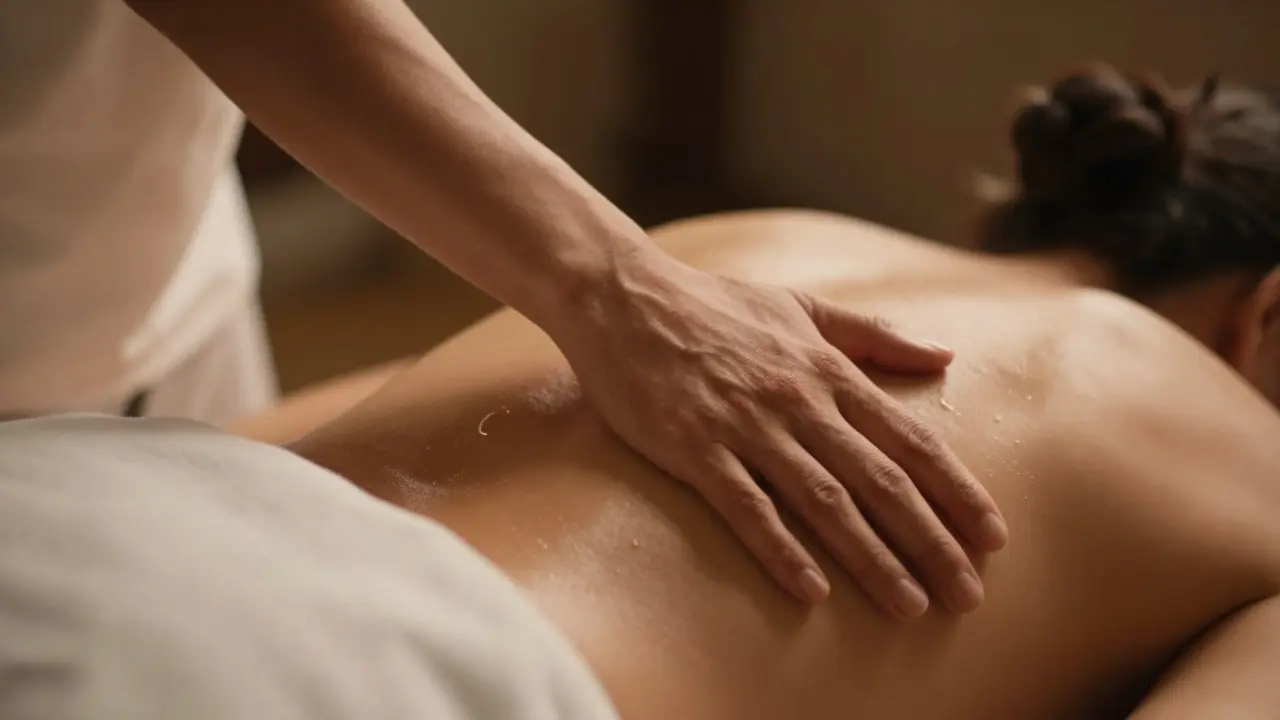
The actual massage involves large, circular motions. Imagine a painter covering a canvas with broad strokes. The therapist uses their body weight, not just arm strength. You’ll feel their forearm gliding over your back, sometimes switching to their elbow for deeper pressure near the spine. Because the movement is continuous, your nervous system doesn't have time to tense up in response to each new touch. Instead, it sinks into a trance-like state.
Why Your Body Needs This Flow
We live in a world of micro-stressors. Checking emails, sitting at desks, driving through traffic. All of this creates "armoring"-chronic tension patterns that lock up our fascia (the connective tissue surrounding muscles). Standard massages break these knots, which is great. But Lomi Lomi does something else: it rehydrates the fascia.
Think of dried-out clay. If you hit it with a hammer (deep tissue), it cracks. If you pour water on it gently and let it soak (Lomi Lomi), it becomes pliable again. The long, gliding strokes help distribute synovial fluid and lymph throughout the tissues. This improves mobility without the bruising or soreness often associated with aggressive therapies.
For people dealing with anxiety or insomnia, this rhythm is crucial. The repetitive, wave-like motion stimulates the parasympathetic nervous system-the "rest and digest" mode. Heart rate slows. Breathing deepens. Cortisol levels drop. It’s a physiological reset button.
Finding the Right Healer in Salt Lake City
Not every spa offering "Lomi Lomi" is doing it authentically. Some places slap the name on a standard Swedish massage to charge more. How do you tell the difference? Look for these signs:
- Continuous Contact: Does the therapist lift their hands frequently to grab more oil or adjust sheets? Authentic Lomi keeps contact as much as possible.
- Use of Forearms: If it’s only hands, it’s probably not Lomi.
- Cultural Respect: Do they mention the origins? Do they ask about your intentions for the session?
- Pacing: Is it slow and meditative, or fast and energetic?
In Utah, you’ll find excellent practitioners who blend traditional Hawaiian techniques with local wellness practices. Some integrate breathwork or sound healing (like singing bowls) to enhance the experience. Don’t be afraid to call ahead and ask: "Is this a traditional Lomi Lomi flow, or a fusion style?" Both are valid, but knowing what you’re getting helps manage expectations.
Who Should Avoid Lomi Lomi?
While gentle, Lomi Lomi isn’t for everyone right now. If you have acute injuries, recent surgeries, or open wounds, the pressure-even if distributed-can interfere with healing. Pregnant women should consult their doctor, though modified Lomi can be safe in the second trimester with proper positioning.
Also, if you hate being touched for long periods without talking, this might feel overwhelming. Lomi requires surrender. You have to trust the process. If you need control, you might prefer a sports massage where you direct the therapist exactly where to work.

Preparing for Your Session
To get the most out of your journey, prepare your body beforehand. Drink plenty of water 24 hours prior. Dehydrated tissues don’t glide well; they stick. Avoid heavy meals right before your appointment. Eat lightly, maybe some fruit or a small salad, so your digestion isn’t competing with your relaxation.
Wear comfortable clothes to the studio. Arrive early. Sit quietly for five minutes before lying down. Close your eyes. Take ten deep breaths. Signal to the therapist when you’re ready. This transition period is vital. It tells your brain, "Work is done. Now is rest."
Aftercare: Keeping the Flow Going
The magic doesn’t end when you sit up. For the next 24 hours, listen to your body. You might feel lighter, taller, or surprisingly emotional. Crying during or after a Lomi session is common. It’s the release of held tension. Let it happen. Don’t judge it.
Keep drinking water. Herbal teas like chamomile or ginger support lymphatic drainage. Avoid intense exercise immediately after. Give your body time to integrate the changes. A gentle walk outside, perhaps watching the sunset over the Wasatch Range, is perfect. Notice how your shoulders sit lower. Notice how your breath reaches deeper into your belly. That’s the gift of Lomi.
How long does a typical Lomi Lomi session last?
Most sessions range from 60 to 90 minutes. Shorter sessions (30-45 mins) are rare because the flow needs time to build. The longer duration allows the practitioner to address the entire body and achieve the desired meditative state.
Does Lomi Lomi hurt?
It should not be painful. While it can apply deep pressure, especially with elbows, the sensation is usually described as "good pain" or releasing, rather than sharp or bruising. Communicate with your therapist if the pressure feels too intense.
Can I combine Lomi Lomi with other therapies?
Yes, many spas offer combinations like Lomi Lomi with hot stones or aromatherapy. Hot stones placed on key points can enhance the warmth and depth of the massage. However, avoid combining it with high-intensity treatments like cupping or dry needling in the same session unless advised by a professional.
Is Lomi Lomi suitable for men?
Absolutely. While historically associated with female healers, modern Lomi Lomi is practiced by therapists of all genders and enjoyed by clients of all genders. Men often report significant relief from chronic back pain and stress-related tension.
How often should I get a Lomi Lomi massage?
For general wellness, once a month is a good baseline. During times of high stress or recovery from injury, weekly or bi-weekly sessions may be beneficial. Listen to your body’s signals for when it needs that deep reset.