
Improve Your Athletic Performance with Sports Massage: Recovery, Mobility & Injury Prevention
 Jun, 30 2026
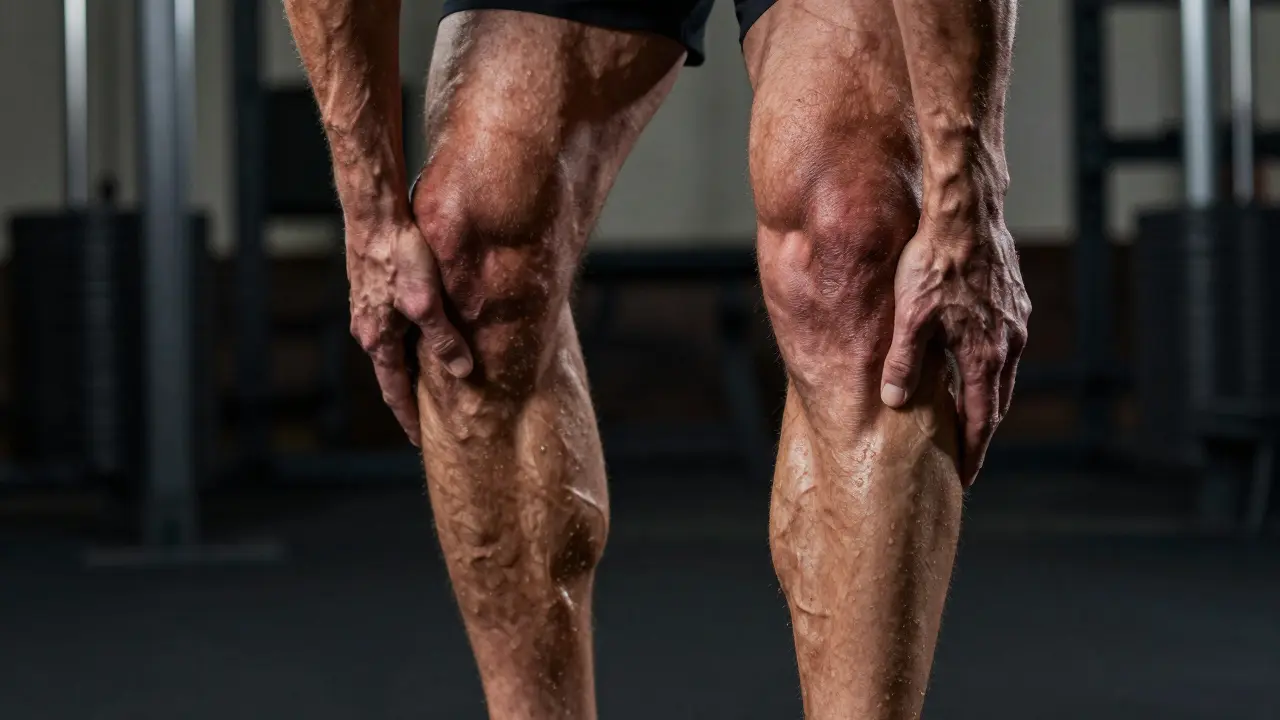
You just finished a grueling interval session. Your legs feel like lead, your shoulders are tight knots, and the thought of stretching makes you want to curl up on the couch. You push through it anyway, telling yourself that pain is just weakness leaving the body. But here is the hard truth: ignoring that tension doesn’t make you tougher; it makes you slower and more prone to injury. If you want to squeeze every ounce of speed, strength, and endurance out of your body, you need to treat recovery as seriously as training. This is where sports massage comes in.
Sports massage isn’t just a luxury spa treatment for weekend warriors. It is a targeted therapeutic tool used by Olympic athletes, professional footballers, and marathon runners to optimize their bodies. Unlike a relaxation massage that focuses on general stress relief, sports massage digs into specific muscle groups to address the unique demands of physical activity. It helps break down scar tissue, improves blood flow, and restores range of motion. When done correctly, it can be the difference between hitting a personal best and sitting out the season with a hamstring strain.
How Sports Massage Actually Works
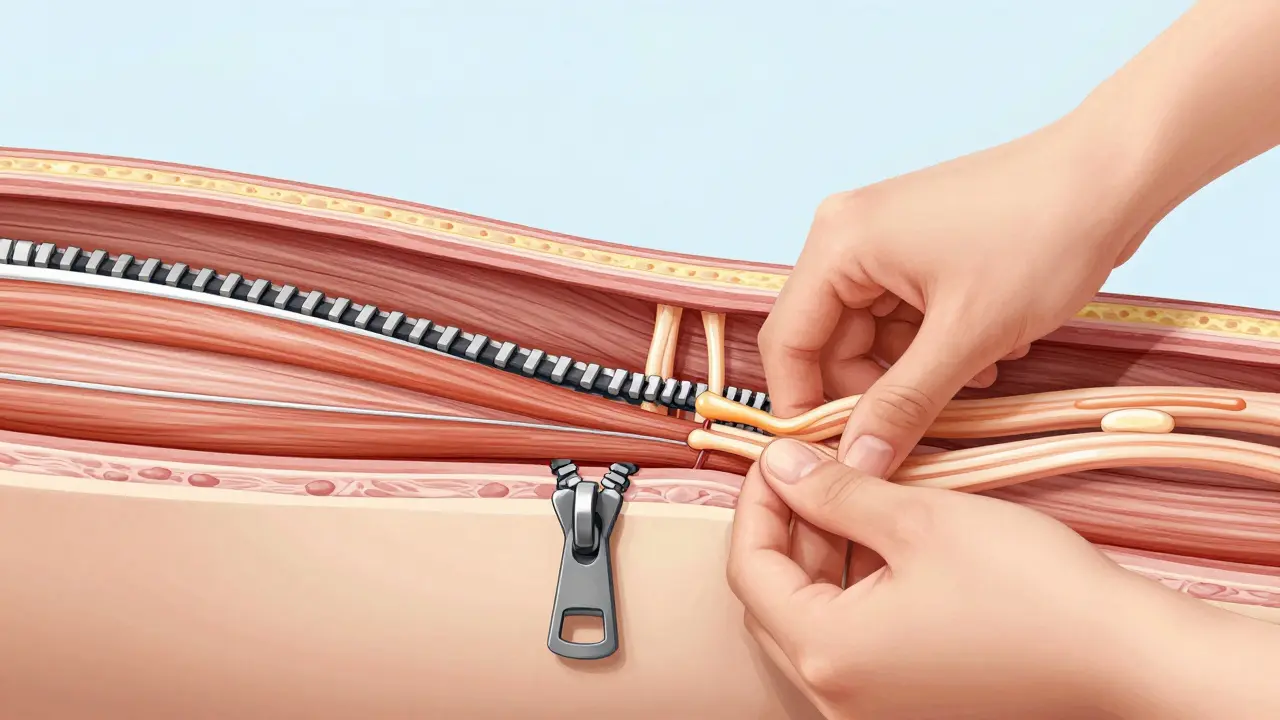
To understand why this works, you have to look at what happens to your muscles during intense exercise. When you lift heavy weights or sprint, microscopic tears form in your muscle fibers. This is normal-it’s how muscles grow stronger. However, if those tears aren’t repaired properly, they turn into adhesions. Think of adhesions like sticky patches on a zipper. Instead of gliding smoothly over each other, muscle fibers get stuck together. This restricts movement, causes pain, and reduces power output.
Sports massage is a specialized form of bodywork designed to enhance athletic performance and prevent injuries. It uses techniques like effleurage (long, gliding strokes), petrissage (kneading), and friction (deep pressure) to physically separate these stuck fibers. By applying precise pressure, a therapist increases blood circulation to the area. This rush of oxygenated blood delivers nutrients needed for repair and flushes out metabolic waste products like lactic acid, which contributes to that burning sensation after a workout.
The benefits go beyond just fixing damaged tissue. Regular sessions help maintain optimal muscle length. Tight hip flexors from sitting all day? A good massage can loosen them up, allowing your hamstrings to function correctly during a run. Poor posture from cycling? Massage can release the tension in your upper back, improving your breathing capacity. It’s about keeping the machine running efficiently so you can perform at your peak when it matters most.
Timing Is Everything: Pre-Event vs. Post-Event
One of the biggest mistakes athletes make is treating all massages the same. The timing of your session drastically changes the technique and the outcome. You wouldn’t use a hammer to fix a watch, and you shouldn’t use a deep-tissue post-workout rub before a race.
Pre-event massage is usually short, lasting 10 to 15 minutes. The goal here is activation, not relaxation. The therapist uses brisk, energizing strokes to warm up the muscles and increase heart rate slightly. This prepares the nervous system for action, reducing stiffness and anxiety. Imagine getting a quick tune-up before a big game. You want your engine revving, not idling. Focus on the primary muscle groups involved in your sport. For a runner, that means calves, hamstrings, and quads. For a swimmer, it’s the shoulders and lats.
Post-event massage, on the other hand, is about damage control and recovery. Done within 24 hours of competition or intense training, it helps mitigate delayed onset muscle soreness (DOMS). The pressure is lighter than you might expect. Why? Because your tissues are already inflamed and sensitive. Aggressive digging now would cause more trauma. Instead, the therapist uses gentle effleurage to encourage lymphatic drainage and reduce swelling. Think of it as soothing a bruise rather than kneading dough.
| Feature | Pre-Event Massage | Post-Event Massage |
|---|---|---|
| Primary Goal | Activation & Warm-up | Recovery & Soreness Reduction |
| Duration | 10-15 minutes | 30-60 minutes |
| Pressure Level | Moderate to Firm | Light to Moderate |
| Techniques Used | Effleurage, Tapotement (percussion) | Gentle Effleurage, Light Stretching |
| Best Timing | 1-2 hours before activity | Within 24 hours after activity |
Maintenance Massage: The Secret Weapon
If pre- and post-event massages are the emergency repairs, maintenance massage is the regular oil change. Most amateur athletes neglect this phase, thinking they only need help when something hurts. That’s like waiting for your car to break down before changing the oil. Maintenance massage, typically scheduled once a month or every six weeks depending on training intensity, keeps your body in top shape.
During these sessions, the therapist addresses chronic issues before they become acute problems. Maybe you have a slight imbalance in your pelvis because you favor one leg. Or perhaps your IT band is starting to tighten due to increased mileage. A skilled therapist will identify these patterns early. They work on cross-fiber friction to break down developing scar tissue and use myofascial release to loosen the connective tissue wrapping around your muscles.
This proactive approach saves time and money in the long run. Treating a minor tightness takes 20 minutes. Treating a full-blown shin splint or rotator cuff tendinitis could take months of physical therapy and force you to stop training entirely. Consistency is key. Make an appointment now, even if you feel fine. Your future self will thank you when you’re able to train without interruption.
Who Really Needs Sports Massage?
You don’t need to be a professional athlete to benefit from this type of bodywork. In fact, recreational athletes often suffer more because they lack access to sports medicine teams. If you fall into any of these categories, sports massage should be part of your routine:
- The Weekend Warrior: You work a desk job but crush it on Saturday mornings. The sudden spike in activity shocks your sedentary muscles, leading to frequent strains.
- The Over-Trainer: You love your sport so much you do it every day. Without adequate rest, your body accumulates micro-trauma that never fully heals.
- The Injury Comeback: You’re returning from a surgery or sprain. Scar tissue forms differently than healthy tissue, creating weak points that need manual manipulation to regain strength.
- The Stuck Performer: You’ve hit a plateau. Your times aren’t improving, and your lifts aren’t going up. Tight muscles limit your range of motion, capping your potential.
Even yoga practitioners and dancers benefit immensely. Their disciplines require extreme flexibility and precision. Any restriction in a joint or muscle can throw off alignment, leading to compensatory movements that cause pain elsewhere. Sports massage ensures that your body moves as a unified unit, not a collection of disjointed parts.
Finding the Right Therapist
Not all massage therapists are created equal. A general massage therapist might give you a lovely shoulder rub, but they may not understand the biomechanics of a golfer’s swing or a runner’s gait. You need someone who speaks your language.
Look for credentials like LMT (Licensed Massage Therapist) combined with additional certifications in sports massage or orthopedic assessment. Ask them about their experience with your specific sport. A good therapist will ask detailed questions about your training schedule, recent injuries, and performance goals. They should explain what they are doing and why. If they just start digging in without context, walk away.
Communication is vital. Pain is information. During the session, tell your therapist if something feels sharp or electric-that’s nerve pain, and it’s bad. Dull, achy discomfort is usually okay and indicates deep tissue work. But you set the boundaries. You know your body better than anyone else. A collaborative relationship yields the best results.
Integrating Massage Into Your Training Plan
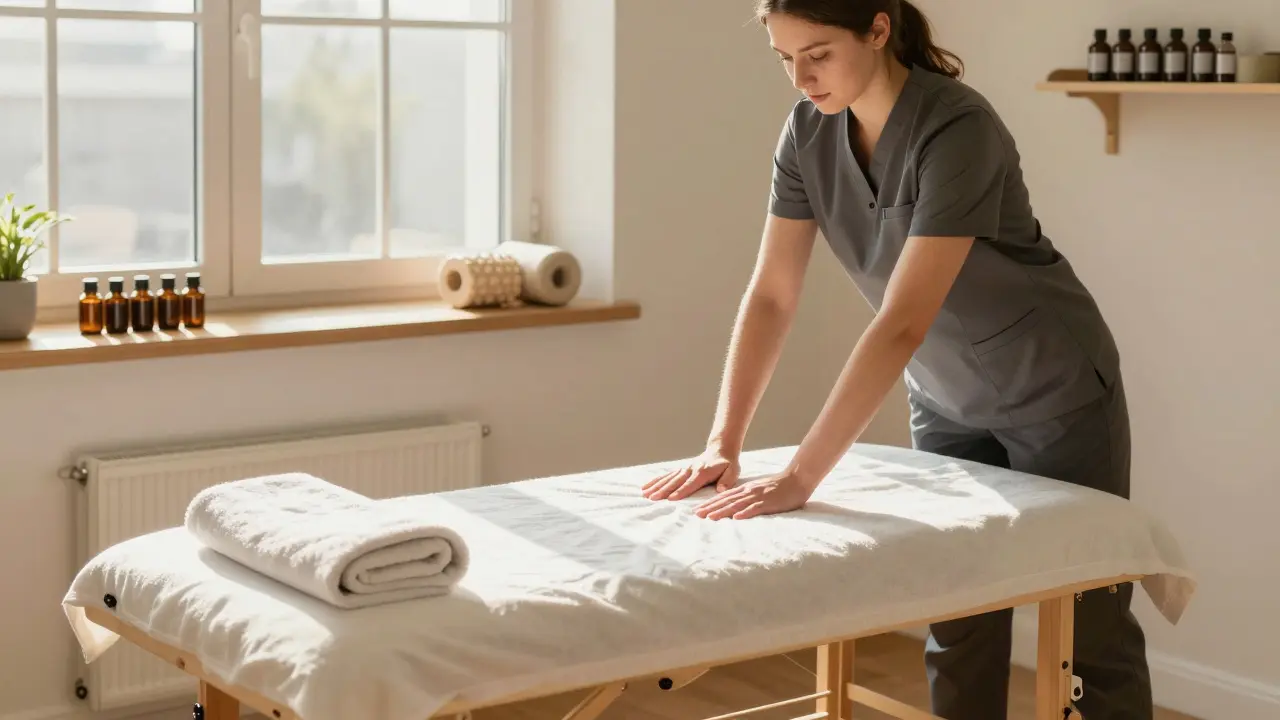
Treat your massage appointments like mandatory workouts. Block out the time in your calendar. Hydrate well before and after the session. Water helps flush out the toxins released from your tissues. Avoid heavy meals right before lying face down. And listen to your body afterward. You might feel tired as your nervous system resets. Take it easy for a few hours. Don’t jump straight into a high-intensity interval session. Let the benefits sink in.
Combine massage with other recovery modalities for maximum effect. Foam rolling is a great way to maintain gains between sessions. Dynamic stretching before workouts and static stretching after them complement the manual therapy. Sleep is non-negotiable. No amount of massage can replace eight hours of quality rest. When you layer these habits together, you create a robust recovery ecosystem that supports consistent, high-level performance.
Common Myths Debunked
There is a lot of misinformation floating around about massage. Let’s clear the air.
Myth: Massage removes lactic acid. While it helps circulate fluids, lactic acid clears from your body naturally within an hour or two after exercise. Massage doesn’t magically suck it out. Its real value lies in mechanical tissue remodeling and neurological relaxation.
Myth: It has to hurt to work. Deep tissue does involve pressure, but it should never be excruciating. Pain causes your muscles to guard and tense up, counteracting the relaxation response. Effective massage feels challenging but relieving, not torturous.
Myth: One session fixes everything. Chronic tightness develops over years. It won’t vanish in one hour. Consistent, regular sessions are required to retrain your body’s movement patterns and sustain improvements.
How often should I get a sports massage?
For competitive athletes in heavy training, weekly or bi-weekly sessions are ideal. Recreational athletes generally benefit from monthly maintenance massages. During peak competition seasons, you might increase frequency to twice a month to manage fatigue and prevent injuries.
Does sports massage help with weight loss?
No, massage does not burn significant calories or break down fat cells directly. However, it can support weight loss indirectly by improving mobility, allowing you to exercise more effectively and consistently without pain. Better recovery means harder workouts.
Can I get a sports massage if I have an acute injury?
It depends on the severity. For fresh sprains, strains, or fractures, you should follow the RICE protocol (Rest, Ice, Compression, Elevation) first. See a doctor or physical therapist before booking a massage. Once the acute inflammation subsides, sports massage can aid rehabilitation by preventing scar tissue buildup.
What is the difference between deep tissue and sports massage?
Deep tissue massage focuses on slow, intense pressure to target inner layers of muscles and connective tissue, primarily for chronic pain. Sports massage is broader, incorporating techniques for warming up, cooling down, and maintaining overall athletic function. It considers the whole kinetic chain rather than just isolated painful spots.
Is sports massage covered by insurance?
Coverage varies widely. Some health plans cover massage therapy if prescribed by a physician for a specific medical condition. Others consider it elective wellness care. Check with your provider and your therapist, who may offer superbills for reimbursement claims.