
How to Choose the Right Aromatherapy Oils for Your Needs
 Apr, 21 2026
Key Takeaways for Quick Selection
- Identify your goal: Are you looking for energy, sleep, or stress relief?
- Check the purity: Look for 100% pure, therapeutic-grade oils without synthetic fillers.
- Prioritize safety: Always use a carrier oil for skin application to avoid burns.
- Test your reaction: Try a small patch test before full-body use.
- Start small: Begin with 2-3 versatile oils before building a massive collection.
Understanding What You're Actually Buying
Before you spend money, you need to know that Aromatherapy Oils is a practice using concentrated plant extracts to promote health and well-being. These aren't just "scented oils." Many people confuse these with fragrance oils, which are synthetic chemicals made in a lab. If a bottle says "lavender-scented," it's likely a chemical cocktail. You want "Pure Essential Oil."
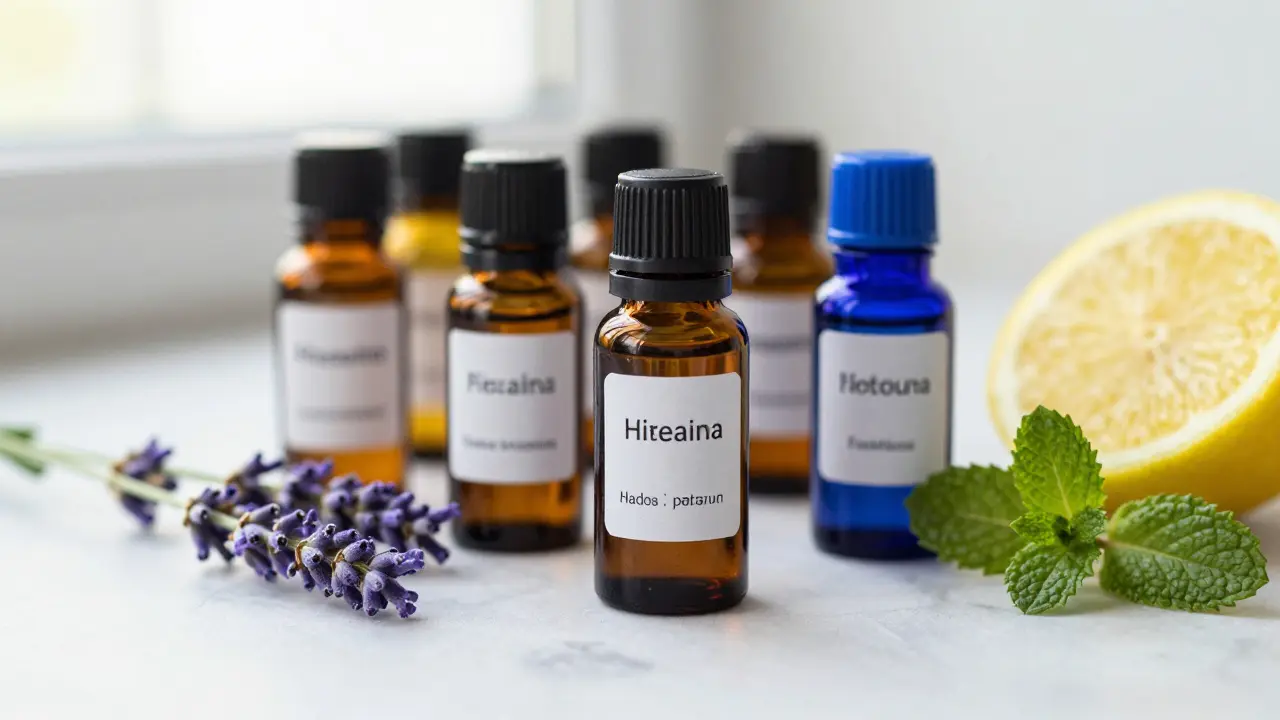
These extracts are pulled from leaves, bark, roots, or flowers through steam distillation or cold pressing. For example, Lavender is derived from the flowers of the Lavandula angustifolia plant and is world-famous for its calming effects. On the flip side, Peppermint is extracted from Mentha piperita leaves and acts more like a shot of espresso for your senses.
Match the Oil to Your Daily Struggle
The biggest mistake people make is buying "best-seller" kits rather than solving a specific problem. Think about your day. Where do you struggle most?
If your brain feels like a browser with 50 tabs open at 11 PM, you need sedative oils. Lavender is the gold standard here, but Cedarwood is a fantastic, woodier alternative that helps ground the mind. If you're fighting a mid-afternoon slump, look toward citrus. Lemon Oil or Grapefruit Oil can trigger a feeling of alertness and freshness.
For those dealing with a stuffy nose or seasonal allergies, Eucalyptus is the heavy hitter. It contains a compound called eucalyptol which helps clear mucus and open airways. If you're feeling emotionally drained or anxious, Bergamot offers a unique balance-it's citrusy but calming, making it great for a "reset" button after a stressful meeting.
The Non-Negotiables of Quality Control
Not all oils are created equal. There is no official global regulatory body that "certifies" oils, so you have to be your own detective. A high-quality oil will almost always come in a dark amber or cobalt blue glass bottle. This isn't for aesthetics; it's to keep UV light from breaking down the chemical compounds and making the oil go rancid.
Check the label for the Latin name of the plant. If it just says "Lavender," it's vague. If it says "Lavandula angustifolia," you know exactly what species you're getting. Avoid anything that mentions "fragrance" or "perfume" in the ingredients. You want 100% purity.
Price is another tell. If you find a set of 10 oils for five dollars, they are almost certainly diluted with synthetic fillers or "carrier oils" like canola oil. Pure oils require a lot of plant material-sometimes hundreds of pounds of petals to get one small bottle of extract-so expect to pay a bit more for the real deal.

Safety First: The Art of Dilution
Essential oils are incredibly potent. Putting pure oil directly on your skin is a recipe for a chemical burn or a lasting allergy. This is where Carrier Oils come in. These are fatty oils that "carry" the essential oil into your skin without causing irritation.
Common choices include Fractionated Coconut Oil, which is odorless and absorbs quickly, or Jojoba Oil, which mimics the skin's natural sebum. A good rule of thumb for a standard body massage is a 2% dilution: that's roughly 10-12 drops of essential oil per ounce of carrier oil.
Be careful with "hot oils" like Cinnamon or Clove. These are much more aggressive and should be used in even smaller concentrations. Always do a patch test: put a tiny bit of your diluted mix on your inner forearm and wait 24 hours. If it turns red or itchy, stop immediately.
Choosing Your Delivery Method
How you use the oil changes which one you should pick. Some oils are great for smelling but terrible for skin, and vice versa.
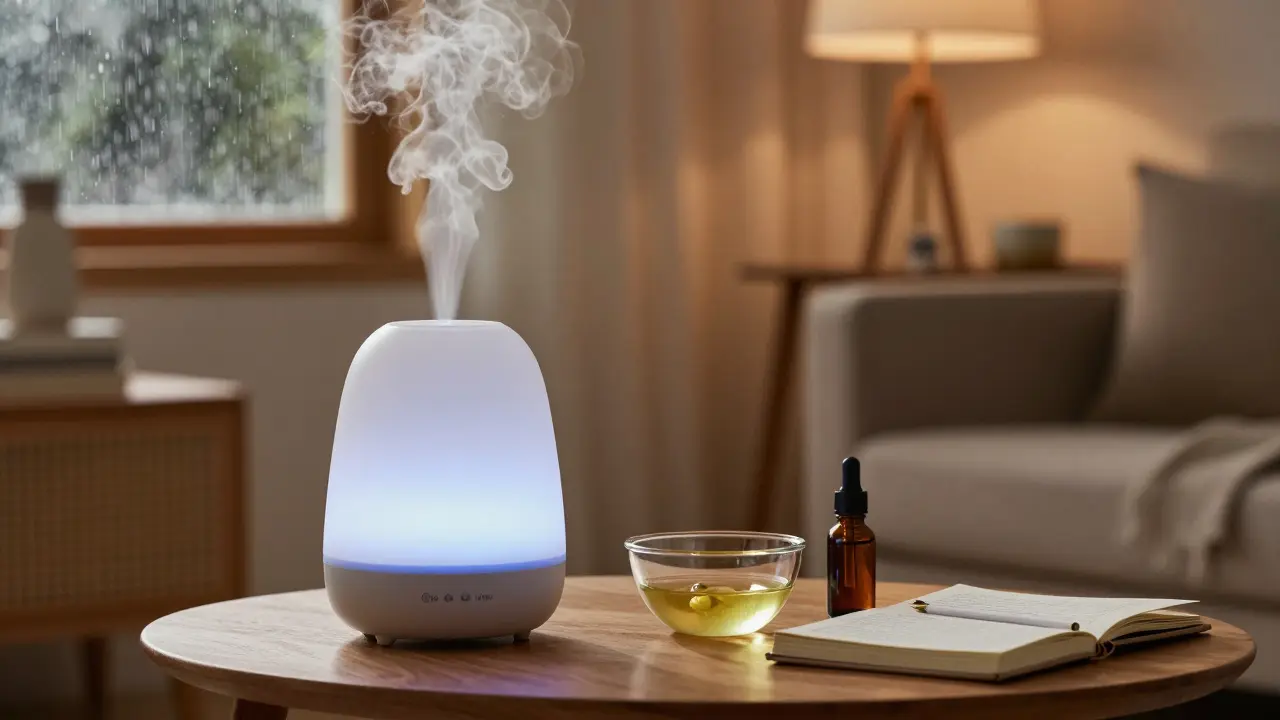
Diffusers: These are perfect for changing the mood of a whole room. Use a Ultrasonic Diffuser for a cool mist that preserves the oil's integrity. Citrus oils work beautifully here to energize a workspace.
Topical Application: This is for targeted relief. For a sore muscle, a blend of Peppermint and a carrier oil can provide a cooling sensation that distracts from the pain.
Inhalation: The fastest way to affect the brain is through the olfactory system. Simply smelling the oil directly from the bottle or using a cotton ball can stop a panic attack or wake you up instantly.
| Goal | Recommended Oil | Best Method | Vibe |
|---|---|---|---|
| Deep Sleep | Lavender / Cedarwood | Diffuser / Pillow Drop | Calm & Quiet |
| Mental Focus | Peppermint / Rosemary | Inhalation | Sharp & Alert |
| Stress Relief | Bergamot / Ylang Ylang | Massage / Diffuser | Cheerful & Relaxed |
| Clear Breathing | Eucalyptus / Tea Tree | Steam / Diffuser | Fresh & Open |
| Immune Support | Lemon / Oregano | Diluted Topical | Clean & Powerful |
Common Pitfalls and How to Avoid Them
One of the most frequent mistakes is the "more is better" mindset. Because essential oils are so concentrated, using too much can actually trigger a headache or nausea. If you start feeling a migraine while diffusing, you're probably overdoing it. Turn it off, open a window, and start with fewer drops next time.
Another danger is ignoring photosensitivity. Citrus oils, especially Lemon and Lime, can make your skin hypersensitive to the sun. If you apply a citrus blend to your skin and then go for a walk in the midday sun, you might end up with a severe sunburn in those specific areas. Keep citrus blends for nighttime use or use them only in your diffuser.
Finally, consider who else is in the house. Some oils are toxic to cats and dogs. For instance, Tea Tree and Peppermint can be dangerous for pets if they get it on their fur or breathe it in high concentrations. Always check if an oil is pet-safe before starting your aromatherapy journey.
Building Your First Starter Kit
Don't buy a 50-piece kit. You'll end up with 40 bottles you never touch. Instead, start with a "Power Four" collection. These four cover about 80% of most people's needs:
1. Lavender: Your all-purpose relaxer. Use it for sleep, burns, and stress.
2. Peppermint: Your go-to for energy, headaches, and digestion.
3. Lemon: Great for cleaning, mood boosting, and mental clarity.
4. Eucalyptus: Essential for winter months, congestion, and muscle soreness.
Once you're comfortable with these, you can branch out into more complex scents like Sandalwood or Jasmine. Experiment by mixing them. A drop of Lemon and a drop of Peppermint together creates a "bright and awake" scent that's perfect for a home office. A mix of Lavender and Cedarwood feels like a cozy cabin in the woods, perfect for a rainy Sunday afternoon.
Can I put essential oils directly in my water?
No. Essential oils are not water-soluble, meaning they float on top. If you drink them, the concentrated oil can irritate the lining of your esophagus and stomach. Always use a professional carrier or a certified supplement form if you are considering ingestion, but generally, it is safer to stick to aromatic or topical use.
How long do aromatherapy oils last?
Most oils last 2-3 years if stored in a cool, dark place. Citrus oils have a shorter shelf life, usually around a year, because their molecules are smaller and evaporate faster. If an oil smells "off" or becomes thick and cloudy, it's time to toss it.
Are there any oils I should avoid if I'm pregnant?
Yes. Some oils can trigger uterine contractions or interfere with hormones. For example, Clary Sage and Rosemary should be avoided or used with extreme caution. Always consult a midwife or doctor before using aromatherapy during pregnancy.
What is the difference between an absolute and an essential oil?
Essential oils are usually steam-distilled. Absolutes are created using a solvent to extract the scent, and then that solvent is removed. Absolutes are often used for heavy, sweet scents like Jasmine or Rose, where steam distillation would destroy the delicate aroma.
Do I really need a diffuser, or can I just smell the bottle?
Smelling the bottle is great for a quick hit of energy or calm. However, a diffuser disperses the molecules evenly throughout a room, creating a sustained environment that influences your mood over several hours. For long-term stress management or improving sleep, a diffuser is much more effective.
Next Steps for Your Wellness Journey
If you're feeling confident, the next step is creating your own custom blends. Start by picking one "Top Note" (citrus/light), one "Middle Note" (floral/spice), and one "Base Note" (woody/earthy). This creates a balanced scent that doesn't disappear immediately.
For those with chronic anxiety or insomnia, consider keeping a journal. Note which oils you used, the dilution ratio, and how you felt an hour later. You'll likely find that while Lavender works for some, Bergamot might be the secret weapon for your specific chemistry.
If you experience a skin reaction, don't panic. Simply wash the area with a mild soap and a lot of water. If the irritation persists, a cold compress and a visit to a pharmacist usually clear things up quickly.