
How Medical Massage Can Enhance Your Life: Benefits, Techniques, and Guide
 Jul, 14 2026
Picture this: you’ve been sitting at a desk for eight hours, your neck feels like concrete, and your lower back is throbbing. You grab a heating pad, but it’s not enough. This isn’t just about relaxation; it’s about function. That’s where medical massage comes in. Unlike the spa experience focused purely on unwinding, medical massage is a targeted therapy designed to treat specific injuries, manage chronic pain, and accelerate recovery. Many people confuse medical massage with standard relaxation massage. They are worlds apart. While a Swedish massage might leave you feeling floaty and calm, medical massage digs deeper into muscle tissue, fascia, and connective tissues to solve a physical problem. It is often prescribed by doctors or recommended by physical therapists as part of a broader treatment plan. If you are dealing with persistent pain, limited mobility, or post-surgical stiffness, understanding how this therapy works can change your approach to healing.
What Exactly Is Medical Massage?
To get the most out of this therapy, you first need to know what you are booking. Medical massage is a form of bodywork that uses specific techniques to address diagnosed conditions or injuries. It is not a one-size-fits-all service. Instead, it is customized based on an assessment of your body’s needs. A therapist will look at your posture, range of motion, and areas of tension before they even touch you. The key difference lies in the intent. Relaxation massage aims to reduce stress hormones and promote general well-being. Medical massage aims to restore function. Think of it as maintenance for your car’s engine versus a car wash. One cleans the surface; the other ensures the parts move correctly. Therapists using this method often have additional training in anatomy, kinesiology, and pathology. They understand how muscles interact with nerves and joints, allowing them to target the root cause of discomfort rather than just masking the symptoms. Common conditions treated include:
- Chronic back and neck pain
- Sports injuries and strains
- Post-surgical scar tissue
- Fibromyalgia and arthritis
- Repetitive strain injuries (like carpal tunnel)
Core Techniques Used in Treatment
A skilled therapist has a toolbox of methods. They won’t use just one technique for every client. Instead, they blend approaches based on your diagnosis. Here are the most common methods you will encounter:
- Deep Tissue Massage: This focuses on the deeper layers of muscle and fascia. The pressure is firm, and the strokes are slow. It is excellent for breaking up adhesions-those sticky bands of tissue that form after injury or overuse. If you have tight hamstrings from running or a knot in your shoulder from poor posture, this is likely what you need.
- Trigger Point Therapy: Also known as myofascial release, this targets specific “knots” in the muscle. These trigger points can refer pain to other parts of the body. For example, a trigger point in your foot might cause knee pain. The therapist applies sustained pressure to these points to release the tension and restore blood flow.
- Craniosacral Therapy: This is a gentle technique that focuses on the cerebrospinal fluid and the membranes surrounding the brain and spinal cord. It is often used for headaches, migraines, and stress-related disorders. It is much lighter than deep tissue work.
- Myofascial Release: Fascia is the connective tissue that wraps around your muscles. When it gets tight, it restricts movement. Myofascial release involves stretching and applying pressure to this tissue to improve flexibility and reduce pain.
The Science Behind the Relief
Why does it work? It’s not just magic hands. There is solid physiological evidence supporting medical massage. When a therapist manipulates soft tissue, several things happen in your body. First, blood circulation improves. Increased blood flow brings oxygen and nutrients to damaged tissues, which speeds up healing. It also helps remove metabolic waste products like lactic acid that build up during exercise or due to inflammation. Second, it affects the nervous system. Chronic pain keeps your nervous system in a state of high alert. Massage stimulates the parasympathetic nervous system-the “rest and digest” mode. This lowers cortisol levels (the stress hormone) and increases serotonin and dopamine, which help regulate mood and pain perception. Third, it breaks down scar tissue. After an injury, the body creates collagen fibers to repair damage. Sometimes, these fibers lay down haphazardly, creating stiff, painful scar tissue. Mechanical pressure from massage helps align these fibers, making the tissue more flexible and less painful.
| Feature | Relaxation Massage | Medical Massage |
|---|---|---|
| Primary Goal | Stress reduction, relaxation | Pain relief, functional improvement |
| Pressure Level | Light to moderate | Moderate to deep (customized) |
| Assessment Required | No | Yes (posture, range of motion) |
| Insurance Coverage | Rarely | Often (with doctor referral) |
| Frequency | As needed for leisure | Structured schedule (e.g., weekly) |
Benefits Beyond Pain Relief
We often think of massage only when something hurts. But its benefits extend far beyond treating acute injuries. Regular medical massage can enhance your life in subtle but significant ways. Improved Sleep Quality: Poor sleep exacerbates pain, and pain disrupts sleep. It’s a vicious cycle. By lowering cortisol and increasing melatonin production, massage helps you fall asleep faster and stay asleep longer. Better sleep means better immune function and mental clarity. Enhanced Athletic Performance: Athletes use medical massage to prevent injuries and speed up recovery between competitions. It reduces muscle soreness (DOMS) and maintains joint mobility. Even if you aren’t a pro athlete, if you run, lift weights, or play tennis, regular sessions can keep you active longer without getting sidelined. Better Posture: Many of us suffer from “tech neck” or slouching due to prolonged sitting. Medical massage addresses the muscular imbalances caused by poor posture. It stretches tight chest muscles and strengthens weak upper back muscles, helping you stand taller and breathe easier. Mental Health Support: Chronic pain is mentally exhausting. It leads to anxiety and depression. By providing physical relief, massage indirectly supports mental health. The tactile connection and dedicated time for self-care also boost emotional well-being.
Who Should Consider Medical Massage?
You might be a good candidate for medical massage if:
- You have a diagnosed condition like sciatica, fibromyalgia, or tendonitis.
- You have recently undergone surgery and are experiencing stiffness or scar tissue buildup.
- You participate in high-impact sports and want to prevent injuries.
- You suffer from chronic headaches or migraines.
- Your physical therapist recommends adjunctive therapy.
Finding the Right Therapist
Not all massage therapists are trained in medical techniques. To ensure you get effective treatment, look for credentials such as:
- Licensed Massage Therapist (LMT) or Registered Massage Therapist (RMT).
- Certification in orthopedic massage or clinical massage.
- Experience working with physical therapists or chiropractors.

Cost and Insurance Considerations
One of the biggest hurdles is cost. Medical massage sessions typically range from $80 to $150 per hour, depending on your location and the therapist’s expertise. However, unlike relaxation massage, medical massage is often covered by health insurance or workers’ compensation if prescribed by a physician. To maximize coverage:
- Get a referral from your doctor or specialist.
- Ask the therapist if they provide superbills (detailed invoices) for reimbursement.
- Check with your insurance provider to see if massage therapy is a covered benefit under your plan.
What to Expect During a Session
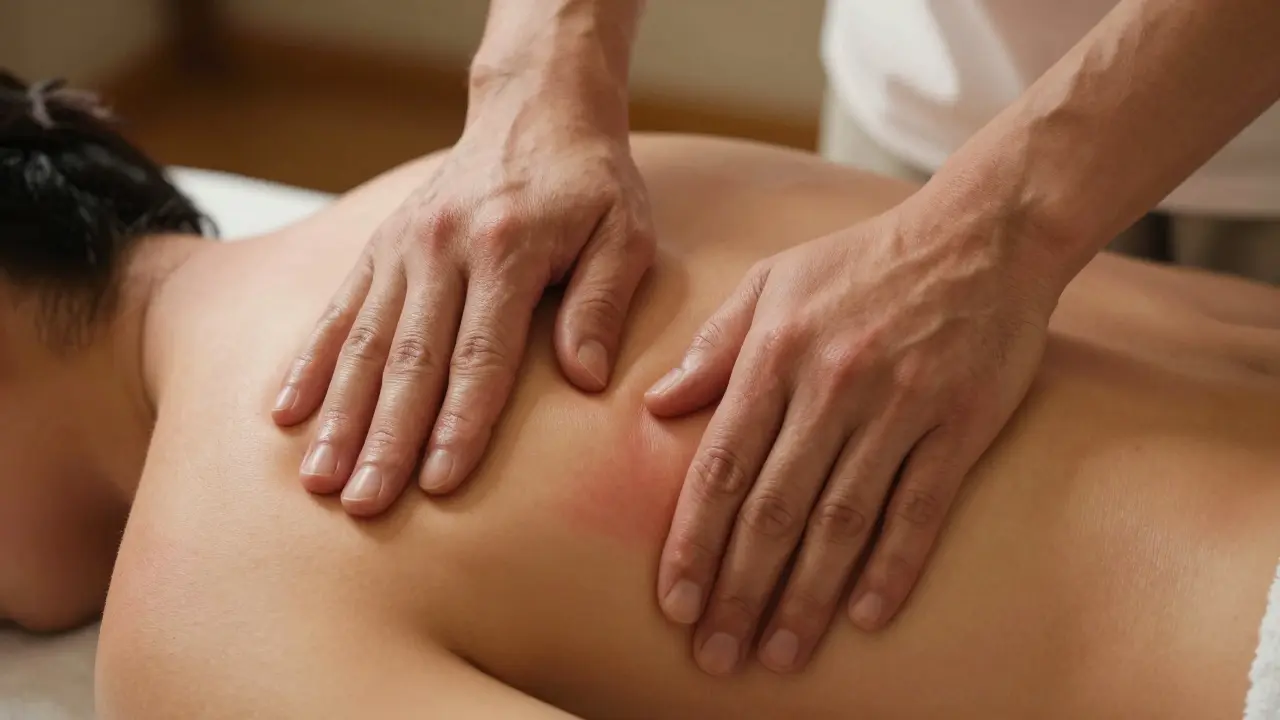
Your first session will likely last 60 to 90 minutes. You will undress to your comfort level and lie on a massage table. The room will be warm, with soft music playing to help you relax, but the focus remains therapeutic. The therapist will apply lotion or oil to reduce friction. They will start with broad strokes to warm up the tissue before moving to deeper, more specific work. Communication is key. If something hurts too much, say so. Medical massage can be uncomfortable, especially when releasing tight knots, but it should never be agonizing. Pain is a signal, not a goal. After the session, you might feel sore for 24 to 48 hours. This is normal. Drink plenty of water to help flush out toxins released from the muscles. Your therapist may also give you exercises to do at home to maintain the progress made during the session.
Integrating Massage into Your Lifestyle
Medical massage is not a cure-all. It works best when combined with other healthy habits. Stretching, strength training, proper ergonomics, and hydration all support the benefits of massage. Think of it as one piece of a larger puzzle. For chronic conditions, consistency matters. One session might provide temporary relief, but regular sessions (e.g., once a week or bi-weekly) lead to lasting changes. As your pain decreases and function improves, you can space out the appointments. Ultimately, enhancing your life through medical massage is about taking control of your body’s health. It empowers you to move freely, live without constant pain, and engage fully in the activities you love. Whether you are an athlete, an office worker, or someone recovering from an injury, this therapy offers a path to greater physical freedom and well-being.