
Hilot: The Traditional Filipino Massage for Modern Stress
 Mar, 31 2026
We live in a world where constant notifications and tight deadlines leave our bodies screaming for a break. You might feel your shoulders creeping up toward your ears or find yourself staring at a phone screen until your eyes burn. It is easy to forget that relief exists beyond a quick nap or a cup of tea. There is an ancient practice from the Philippines called Hilot that offers a deep reset for both the physical and emotional self. While many people associate massage with simple relaxation, Hilot combines muscle manipulation with energy work to tackle the root cause of chronic tension.
This tradition has been passed down through generations of Filipino families long before modern clinics existed. It is not just about rubbing tired muscles; it involves identifying blocked pathways in the body that cause pain or illness. In recent years, wellness centers around the globe have started recognizing the unique benefits of this method. For those struggling with burnout or persistent discomfort, understanding this practice can open doors to holistic recovery options you may have overlooked.
Understanding the Roots of Hilot
Hilot is a traditional form of Filipino healing that uses massage, stretching, and herbal applications. Unlike Western modalities, Hilot views health as a balance between the body, mind, and spirit. Practitioners believe that illness often stems from imbalances or blockages within the body's natural flow.
The origins of this therapy stretch back centuries across the Philippine archipelago. Different regions developed their own specialties, yet the core philosophy remained consistent. You will hear about different schools of thought, such as the approaches found in the Visayas or the techniques native to Mindanao. Each region emphasizes slightly different methods for handling bone setting versus soft tissue repair.
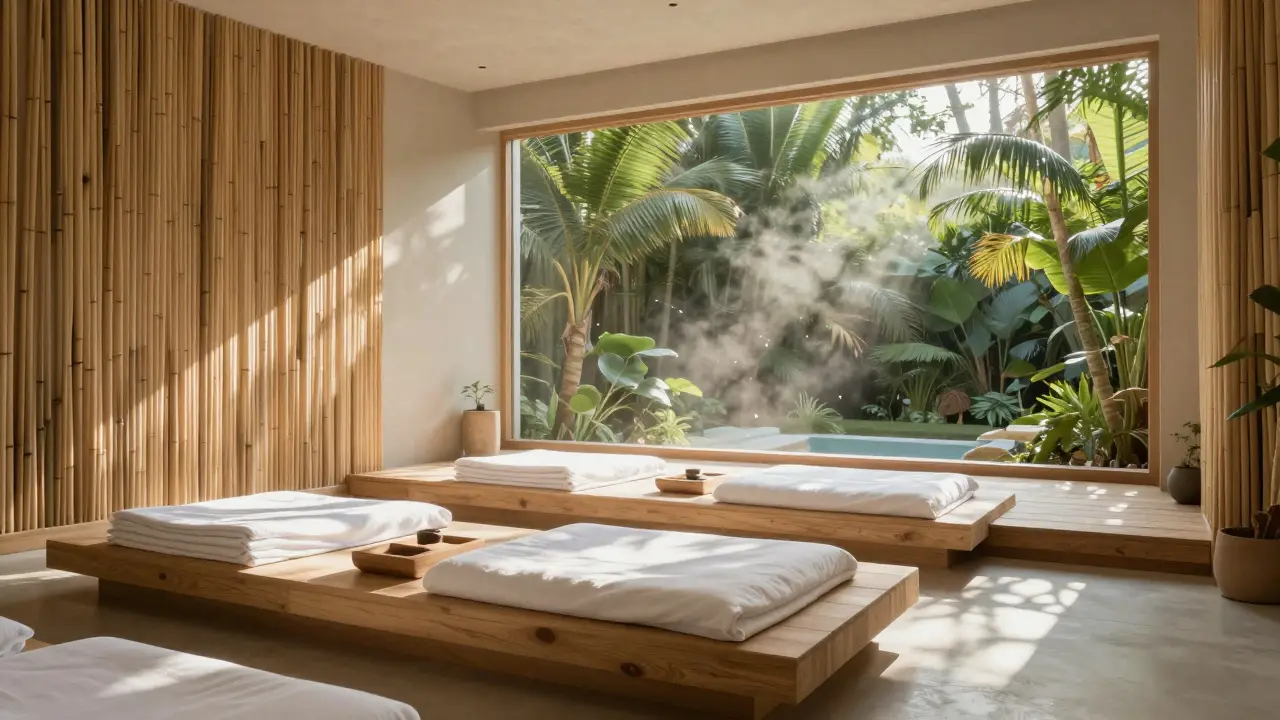
Historically, this was community-based care. A skilled healer, known as a babalaw or simply a practitioner, would visit the sick in their homes. Today, while some still offer house calls, many operate in dedicated wellness studios. Despite the change in setting, the intent remains the same: to restore harmony to the individual.
Core Techniques Used in Practice
When you receive a session, you will notice a blend of movements that differ from a standard Swedish massage. The practitioner uses their hands, knuckles, and sometimes elbows to apply pressure. They often work along specific lines on the skin that correspond to internal organs or muscle groups. This resembles the concept of meridians found in other Asian healing traditions.
| Technique | Purpose | Sensation |
|---|---|---|
| Paglalatik | Lifting energy blockages | Rhythmic tapping |
| Palampas | Aligning bones and joints | Sharp, sudden movement |
| Malamok | Detoxifying via friction | Heat generation |
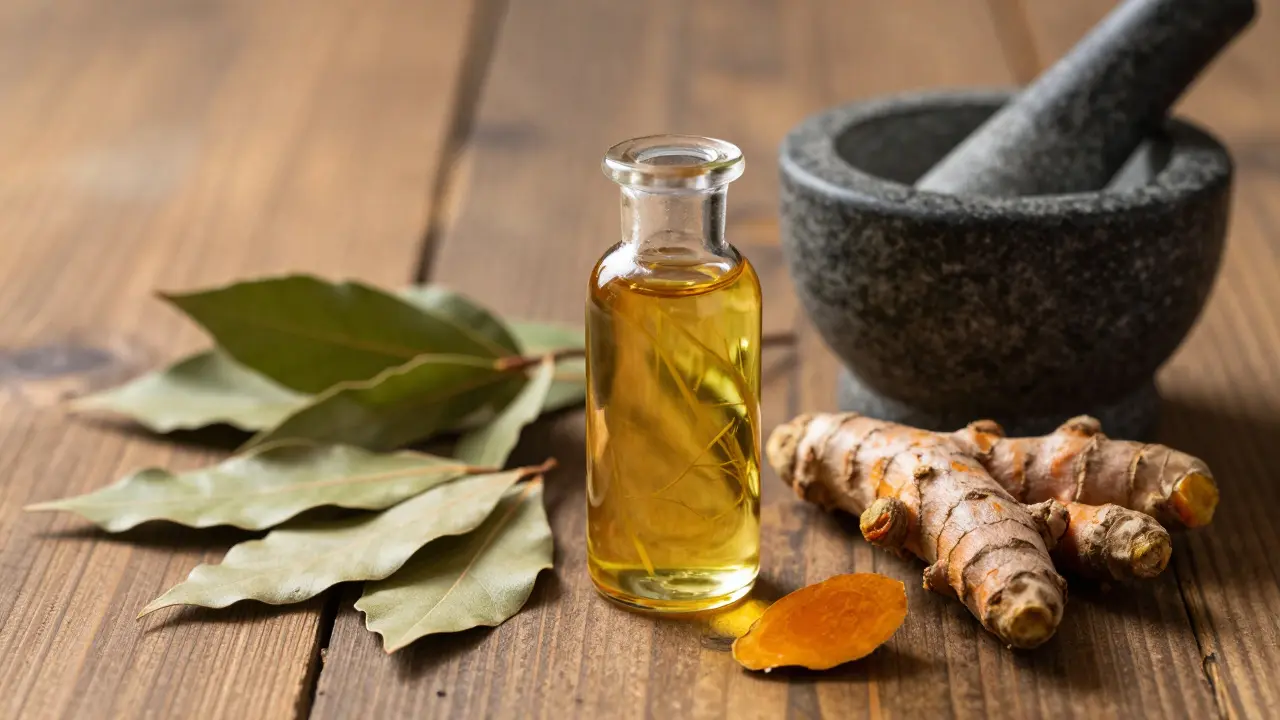
Beyond manual manipulation, herbal application plays a significant role. Practitioners often use locally sourced oils infused with roots or leaves. These oils are warmed and massaged into the skin to improve circulation. The warmth helps penetrate deeper layers of muscle tissue, addressing knots that superficial strokes miss. Some treatments also involve steam baths or compresses to further relax the nervous system before the main work begins.
Addressing Modern Stress and Anxiety
In today's digital age, we carry invisible weight in our posture. We tend to hike our shoulders when typing and hold our breath when anxious. This creates chronic holding patterns in the neck, back, and jaw. Research suggests that touch therapy can lower cortisol levels, the hormone responsible for stress responses. By physically releasing these tension points, the body signals safety to the brain.
Unlike a quick spa treatment designed solely for leisure, this approach focuses on therapeutic outcomes. If you suffer from insomnia caused by racing thoughts, the rhythmic nature of the therapy can induce a trance-like state conducive to sleep. Clients often report feeling lighter immediately after a session, similar to the feeling after intense exercise but without the fatigue.
It is worth noting that mental health benefits extend beyond relaxation. Many users find they process difficult emotions during the session. As tension leaves the body, suppressed feelings may surface. Having a trusted therapist present can help ground you during these moments. This integration of emotional and physical release makes it a powerful tool for overall wellness.
How It Differs from Western Massage
You might wonder why you should try this instead of a standard sports massage. A primary distinction lies in the view of the body. Western techniques generally focus on anatomy: muscles, fascia, and blood flow. While Hilot acknowledges these structures, it prioritizes the flow of vital energy or hawak.
This means sessions feel less predictable. The practitioner might spend twenty minutes on your feet because they sense an issue in your digestive system, rather than sticking to a back routine. It is more intuitive than textbook-based. For people who have tried various massages without lasting results, this adaptability often yields better outcomes.
Another key difference is the use of herbs. Standard clinics usually use synthetic lotions or generic coconut oil. In traditional settings, the oils themselves act as medicine. Ingredients like ginger, turmeric, or camphor are blended to target inflammation directly through the skin. This adds a layer of therapeutic benefit that typical paraffin waxes cannot match.
Finding a Qualified Practitioner
Because this is an unregulated field in many places, quality varies significantly. You want someone with experience and proper lineage if possible. Look for reviews that mention long-term clients returning for maintenance. Ask potential therapists about their training background. Do they follow a specific family tradition or school?
Safety is paramount. Always check for hygiene standards. Proper disposal of used towels and clean linens are non-negotiable signs of professionalism. A good provider will also conduct a consultation before starting the treatment. They should ask about your medical history, recent injuries, or conditions like pregnancy that require modified techniques.
If you live in areas with diverse communities, Filipino enclaves often serve as hubs for authentic practitioners. However, legitimate schools exist globally now, so location does not limit your search. Certification from recognized wellness boards is a plus, but personal reputation often holds more weight in this niche community.

Self-Care Tips Inspired by the Method
You do not need a professional appointment every week to benefit from these principles. You can incorporate basic concepts into your daily routine. Start by dedicating five minutes to warm oil massage on your hands and feet. These areas contain high concentrations of nerve endings linked to vital organs.
- Use gentle circular motions to stimulate circulation.
- Focus on the base of the skull where tension accumulates.
- Breathe deeply while applying pressure to calm the nervous system.
Avoid aggressive stretching on your own unless you understand your body mechanics well. Improper joint manipulation can lead to injury. Stick to soft tissue work and pressure point stimulation. Consistency matters more than intensity. Doing a little bit daily is often more effective than one intense monthly session.
Preparing for Your First Session
Arrive a few minutes early to settle your mind. Hydrate well beforehand, as detoxification processes may occur during the treatment. Wear comfortable clothing that allows access to limbs and back. Inform the therapist about any sensitive areas immediately. Honesty ensures the best and safest experience.
Be patient with the process. Sometimes symptoms worsen before they improve as toxins move out of tissues. This reaction, often called a healing crisis, usually passes quickly. Drink plenty of water after leaving to flush the system. Most people feel the peak effects within two days of the session.