
Hilot: The Ancient Filipino Technique for Stress Relief
 Jun, 28 2026
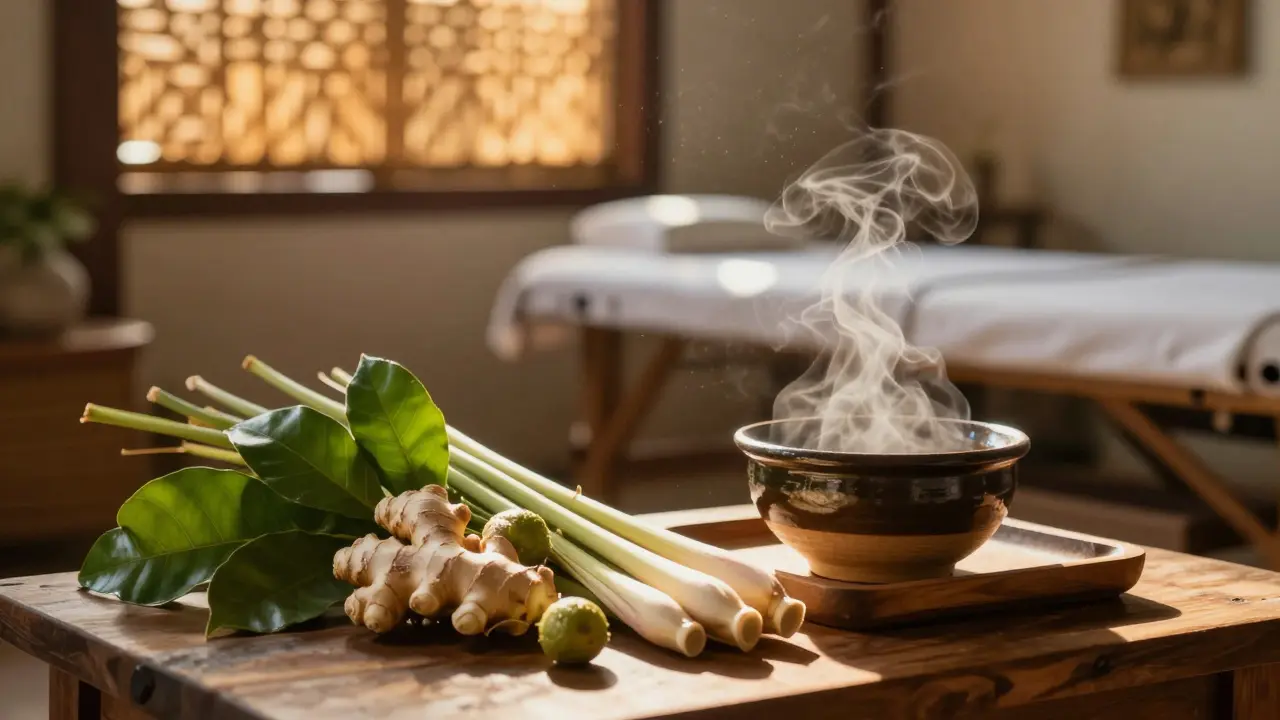
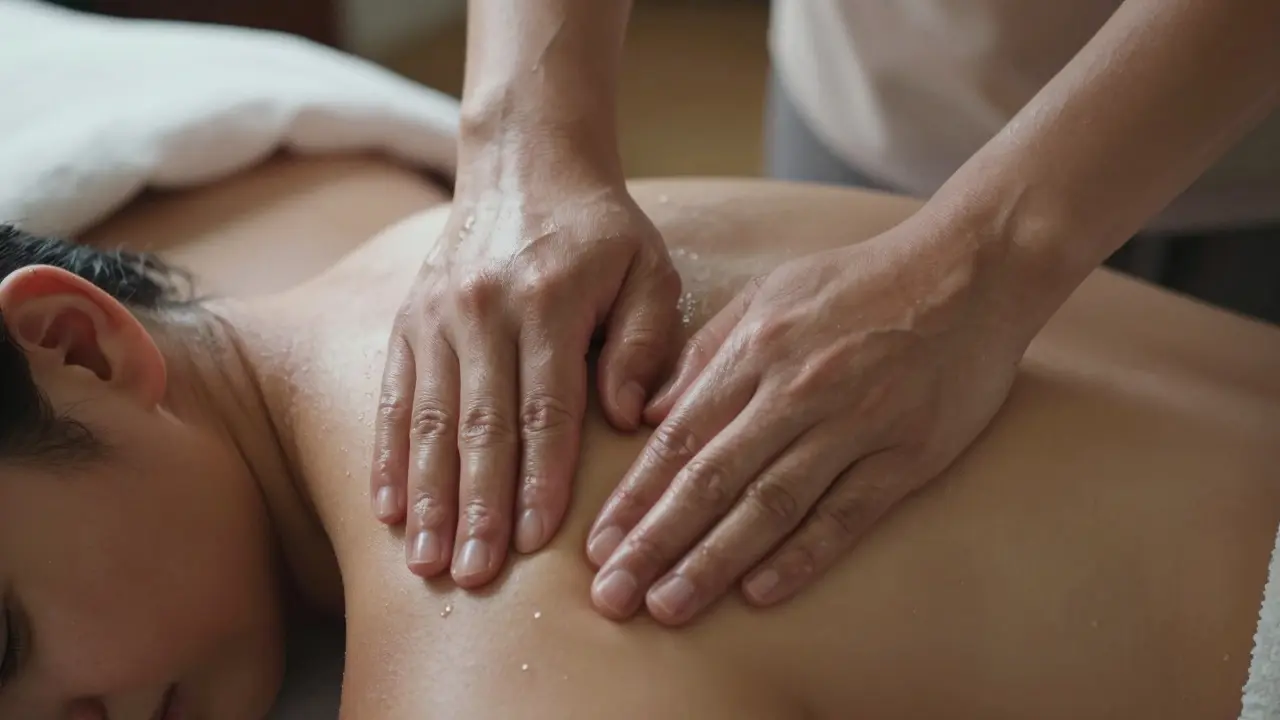
Picture this: you’re sitting in a quiet room, the air smells faintly of ginger and lemongrass. A practitioner’s warm hands press firmly into your shoulders, not just rubbing the surface but digging deep into the muscle tissue. There is no fancy oil machine, no sterile clinic vibe. Just rhythmic pressure, heat, and an ancient rhythm that has been passed down through generations of Filipino families. This is Hilot, a traditional Filipino healing practice that combines massage, herbal medicine, and spiritual balance to treat physical and emotional ailments. It is not just a spa treatment; it is a complete system of bodywork that addresses pain, stress, and energy blockages.
If you have ever felt stuck with chronic tension or unexplained fatigue, standard Western medicine might tell you to take a pill or rest. Hilot takes a different path. It looks at the whole person-body, mind, and spirit. In the Philippines, Hilot practitioners, known as Manghihilots, have served communities for centuries. Today, as we face rising global stress levels, this ancient technique is gaining attention worldwide for its ability to provide deep, lasting relief without relying on pharmaceuticals.
What Exactly Is Hilot?
To understand Hilot, you have to look past the word "massage." While it involves manual manipulation of soft tissues, it is rooted in a specific cultural and medical philosophy. Hilot comes from the root word "hilot", which means to pull, drag, or lift. This reflects the core action of the therapy: pulling out toxins, lifting blocked energy, and dragging away pain.
The practice is based on the belief that health is a state of balance. When this balance is disrupted by poor posture, emotional trauma, or environmental factors, illness occurs. The Manghihilot acts as a healer who restores this equilibrium. Unlike Swedish massage, which focuses on relaxation through light strokes, Hilot is often intense. It uses kneading, pressing, stretching, and sometimes even bone-setting techniques. It is designed to be therapeutic, not just pampering.
In many Filipino households, every family knows a trusted Manghihilot. They are consulted for everything from back pain and headaches to postpartum recovery and digestive issues. This community-based trust highlights the effectiveness and accessibility of the practice. It is healthcare that is deeply personal and culturally embedded.
The Core Techniques of Hilot Therapy
A typical Hilot session is a multi-layered experience. It is not a one-size-fits-all approach. The practitioner assesses your condition first, often asking about your diet, sleep, and emotional state. Then, they begin the treatment, which usually includes several key components:
- Manual Massage: This is the most visible part. Practitioners use their thumbs, palms, elbows, and forearms to apply deep pressure. They work along the muscles and joints to break up adhesions and improve circulation. The movements are slow and deliberate, focusing on areas of tension.
- Herbal Compresses (Palamig/Painit): One of the most distinctive features of Hilot is the use of hot or cold herbal compresses. These are made from bundles of local herbs like ginger (luya), turmeric (kalmi), lemongrass (tansan), and calamansi leaves. The hot compresses (painit) open pores and increase blood flow, while cold compresses (palamig) reduce inflammation and soothe acute pain.
- Stretching and Joint Mobilization: Hilot often incorporates passive stretching. The practitioner may gently pull your limbs or rotate your joints to restore range of motion. This is particularly effective for people who sit at desks all day and have stiff hips or shoulders.
- Energy Work: Many practitioners believe in the concept of "usog" (bad energy) or spiritual imbalance. Part of the healing process may involve prayer, chanting, or the application of oils infused with spiritual intent. This aspect connects the physical body to the metaphysical, ensuring that the healing is holistic.
The combination of these techniques creates a synergistic effect. The heat opens the body, the massage breaks up tension, the herbs deliver medicinal compounds directly into the skin, and the stretching restores mobility. It is a comprehensive approach that modern physiotherapy is only beginning to mimic.
Why Hilot Works for Stress Relief
Stress is more than just a mental state; it manifests physically. Tight necks, clenched jaws, shallow breathing, and digestive issues are all signs of chronic stress. Hilot targets these physical manifestations directly, which in turn calms the nervous system.
When a Manghihilot applies deep pressure, it stimulates the parasympathetic nervous system-the "rest and digest" mode. This lowers cortisol levels and reduces heart rate. The warmth from the herbal compresses further enhances this relaxation response. Studies on thermal therapy show that heat application can significantly reduce muscle stiffness and anxiety. Hilot combines this thermal benefit with mechanical manipulation, making it highly effective for stress-related conditions.
Moreover, the ritualistic nature of Hilot provides psychological comfort. Knowing that you are receiving care from a skilled practitioner who views you as a whole person can alleviate feelings of isolation and anxiety. This human connection is often missing in fast-paced clinical settings. For many clients, the sense of being "held" and understood is as healing as the physical treatment itself.
Hilot vs. Western Massage: Key Differences
If you are familiar with Western massage therapies, you might wonder how Hilot compares. Here is a breakdown of the main differences:
| Feature | Hilot | Swedish/Deep Tissue Massage |
|---|---|---|
| Primary Goal | Restore holistic balance (body, mind, spirit) | Relaxation or muscle repair |
| Tools Used | Hands, herbal compresses, oils | Hands, lotions, sometimes tools |
| Pressure Level | Variable, often deep and intense | Light to moderate (Swedish); Deep (Deep Tissue) |
| Philosophy | Energetic and spiritual balance | Anatomical and physiological focus |
| Customization | Highly individualized based on diagnosis | Standardized protocols |
Western massage tends to focus on specific muscles or groups. Hilot looks at the entire body system. If you have lower back pain, a Western therapist might work on your lumbar region. A Hilot practitioner might also check your hips, knees, and even your digestive health, believing that the pain originates from a systemic imbalance. This broader perspective can lead to more sustainable results, especially for chronic issues.
Who Should Try Hilot?
Hilot is versatile, but it is particularly beneficial for certain groups of people. If you fall into any of these categories, you might find significant relief:
- Office Workers: If you spend hours hunched over a computer, Hilot can help release tension in your neck, shoulders, and upper back. The stretching component can counteract the effects of prolonged sitting.
- Postpartum Women: In Filipino culture, Hilot is traditionally used after childbirth to help women recover. It aids in uterine contraction, reduces swelling, and helps realign the pelvis. Modern practitioners adapt these techniques safely for new mothers.
- Athletes: The deep tissue work and joint mobilization can help athletes recover from injuries and prevent future ones. The anti-inflammatory properties of the herbs used can speed up healing time.
- People with Chronic Pain: Those suffering from arthritis, fibromyalgia, or long-term back pain often find that Hilot provides relief where other treatments fail. The combination of heat and pressure can soothe nerve pain effectively.
However, Hilot is not for everyone. If you have severe osteoporosis, open wounds, or certain cardiovascular conditions, you should consult a doctor before trying it. Always communicate openly with your practitioner about your health history.

Finding a Qualified Hilot Practitioner
As Hilot gains popularity outside the Philippines, it is important to find a qualified practitioner. Not everyone calling themselves a Hilot therapist has undergone proper training. Look for someone who has studied under a recognized Manghihilot or completed a certified program in traditional Filipino healing.
In Toronto and other major cities, there are now clinics that offer Hilot alongside other holistic therapies. When booking a session, ask about their training background and the types of herbs they use. A reputable practitioner will explain the process clearly and tailor the treatment to your needs. They should also emphasize hygiene and safety, using fresh herbs and clean linens.
Remember, Hilot is a skill that takes years to master. The best practitioners combine technical knowledge with intuition. They listen to your body and adjust their technique accordingly. Don’t hesitate to ask questions during your consultation. A good therapist will welcome your curiosity and ensure you feel comfortable throughout the session.
Integrating Hilot Into Your Wellness Routine
You don’t need to wait for pain to strike to benefit from Hilot. Incorporating it into your regular wellness routine can help maintain balance and prevent issues before they arise. Consider scheduling a session once a month, or more frequently if you are dealing with high stress or physical strain.
Between sessions, you can incorporate some Hilot principles into your daily life. Use ginger tea to warm your body, practice gentle stretching, and pay attention to your posture. You can also make simple herbal compresses at home using available ingredients like ginger and lemon grass. While these won’t replace professional treatment, they can support your overall well-being.
Ultimately, Hilot offers a return to a more connected way of healing. In a world that often treats symptoms rather than causes, this ancient Filipino technique reminds us that our bodies are intelligent systems capable of self-repair when given the right support. By embracing Hilot, you are not just relieving stress; you are honoring a rich tradition of care that has sustained communities for generations.
Is Hilot painful?
Hilot can be intense, especially if you have chronic tension or knots. However, it should not be excruciating. A skilled practitioner will adjust the pressure based on your tolerance. Communication is key; let them know if something hurts too much. The goal is therapeutic relief, not pain.
How often should I get a Hilot session?
For general maintenance, once a month is sufficient. If you are dealing with acute pain or high stress, weekly or bi-weekly sessions may be recommended initially. Your practitioner can guide you on the best frequency for your specific needs.
Can I do Hilot at home?
While you cannot fully replicate a professional session, you can use some techniques at home. Applying warm herbal compresses made from ginger and lemongrass can help relieve minor aches. Gentle self-massage with firm pressure can also be beneficial. However, for deep tissue work and joint mobilization, professional guidance is safer and more effective.
Are there any side effects of Hilot?
Most people experience positive effects like relaxation and pain relief. Some may feel temporary soreness, similar to what you might feel after a workout, as toxins are released from the muscles. Drinking plenty of water after a session helps flush these toxins out. Rarely, allergic reactions to herbs may occur, so patch testing is advisable.
Is Hilot covered by insurance?
Coverage varies depending on your insurance provider and location. In some regions, Hilot may be covered under alternative therapy benefits if performed by a licensed practitioner. Check with your insurer to see if they reimburse for traditional healing practices. In Canada, coverage is less common but growing as awareness increases.