
Hammam: A Journey to the Heart of Eastern Wellness
 Sep, 6 2026
You step into a room that feels like the inside of a warm, humid lung. The air is thick, heavy with moisture, and smells faintly of eucalyptus or rosewater. This isn't just a shower; it's a hammam, a traditional steam bath ritual rooted in Middle Eastern and North African culture that has been cleansing bodies and minds for centuries. If you’ve ever felt that modern spas are too clinical or rushed, the hammam offers something different: a slow, deliberate journey into relaxation that leaves your skin glowing and your mind quiet.
But what actually happens in there? And why is this ancient practice suddenly trending in Toronto, London, and New York? It’s not just about getting wet. It’s about heat therapy, exfoliation, and a specific type of social bonding that you can’t get in a private sauna. Let’s break down how a hammam works, why it’s good for you, and how to survive-and enjoy-your first visit without feeling awkward.
What Exactly Is a Hammam?
At its core, a Turkish bath is a type of public bathing facility that uses steam and water to cleanse the body. Unlike a dry sauna, which relies on low humidity and high temperatures (often over 80°C/176°F), a hammam operates at lower temperatures (around 40-50°C/104-122°F) but with very high humidity (close to 100%). This difference matters because it changes how your body reacts to the heat. In a sauna, you sweat profusely to cool down. In a hammam, the moist heat opens up your pores gently, allowing toxins to release without the intense cardiovascular stress of dry heat.
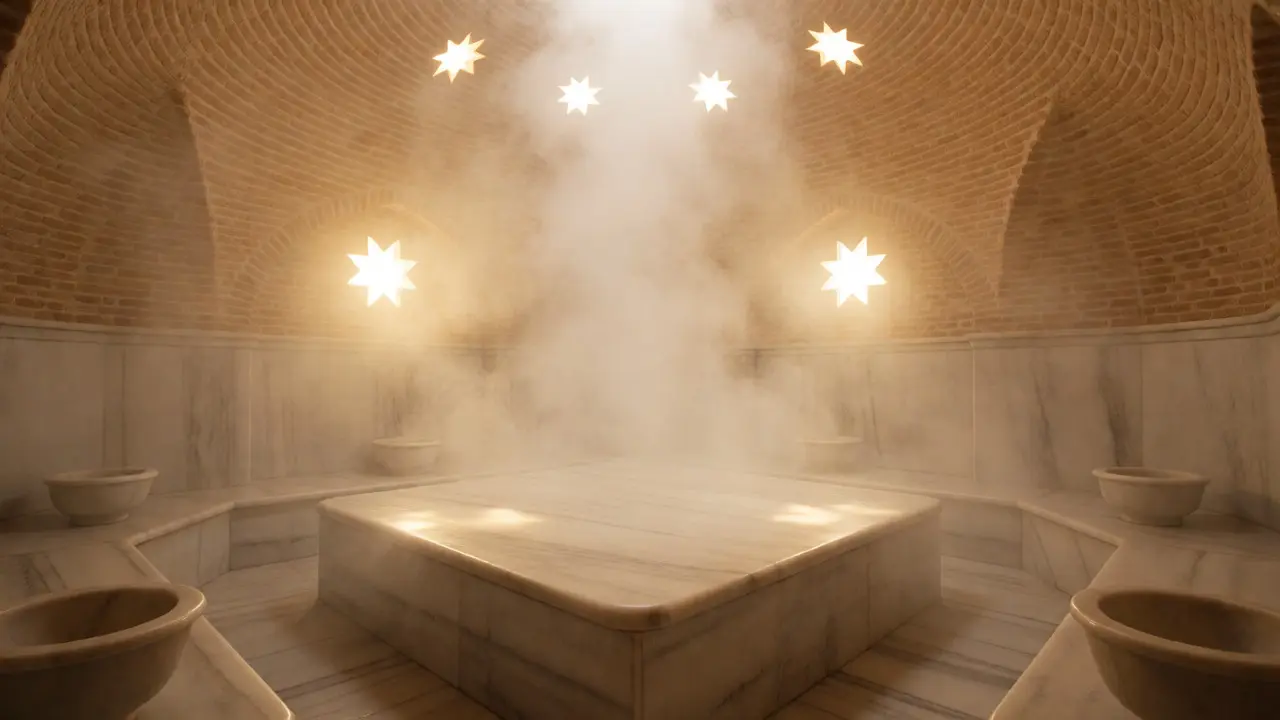
The architecture is just as important as the temperature. Traditional hammams are built with domed ceilings made of brick or stone, designed specifically to prevent condensation from dripping directly onto bathers. Instead, the water collects on the dome and runs down the walls, keeping the floor relatively dry while the air remains saturated. This design creates a unique acoustic environment where sounds are muffled, contributing to the sense of isolation and peace many people report after a session.
The Step-by-Step Ritual: How It Works
If you’re new to this, don’t worry. You won’t be thrown into the deep end. Most modern hammams follow a structured sequence designed to gradually acclimate your body to the heat. Here’s what the typical flow looks like:
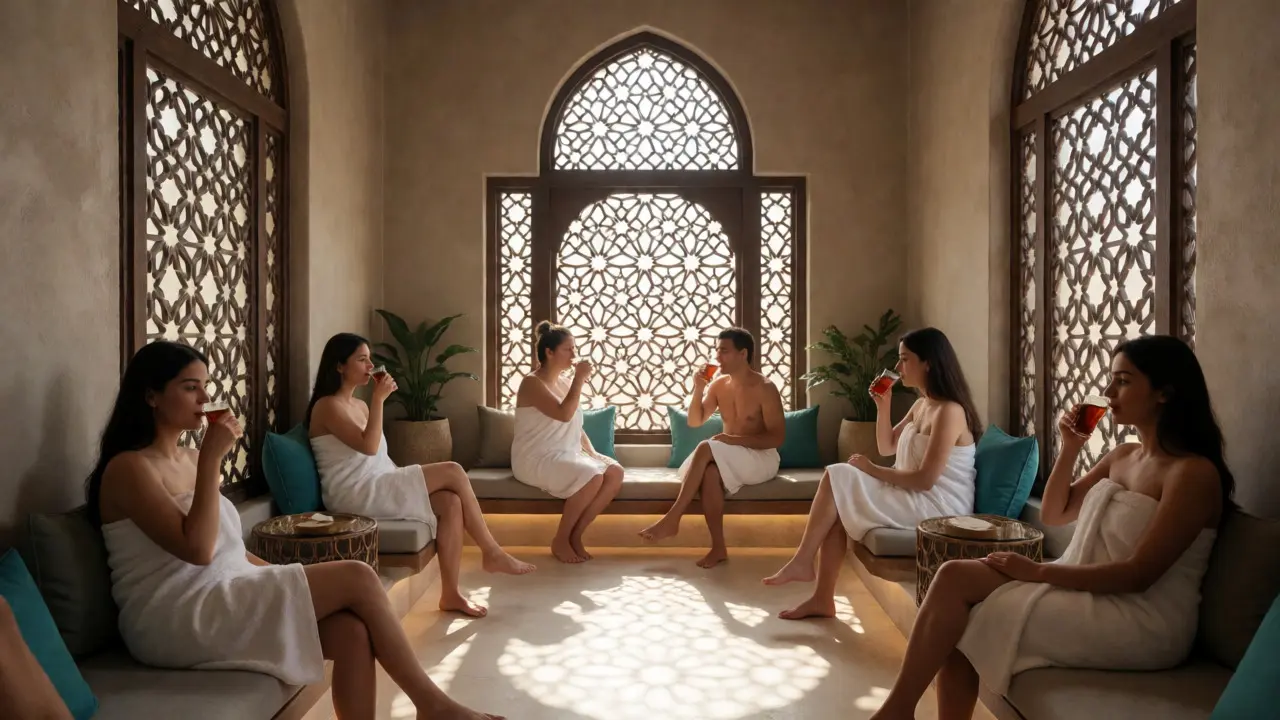
- Warm Room (Sogukluk): You start here. It’s a temperate space, slightly warmer than room temperature, where you change clothes and relax. Think of it as the lobby. You might drink tea or coffee here. The goal is to let your body adjust to the idea of being naked or semi-naked in public.
- Hot Room (Hararet): This is the heart of the experience. You move into a large, heated chamber with marble basins called kurnas. Steam fills the room. You sit or lie on a heated marble slab (göbek taşı) for 15-20 minutes. The heat makes you sweat, softening dead skin cells.
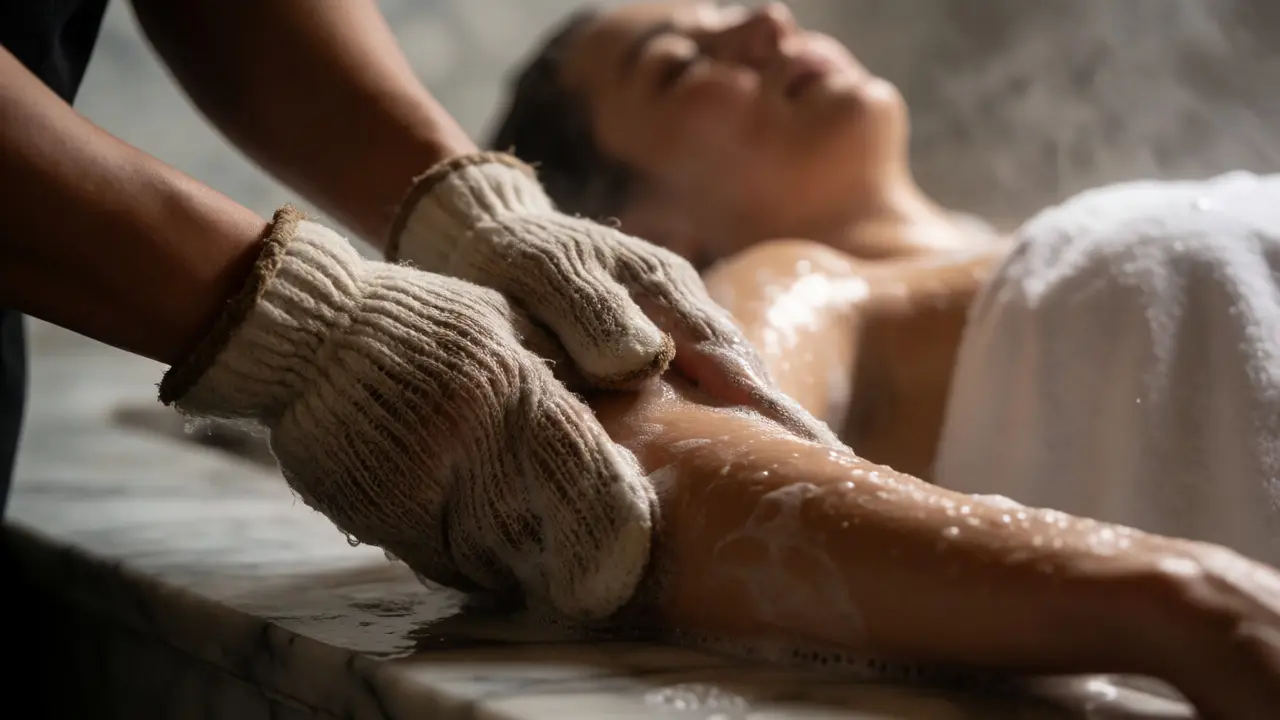
- The Scrub (Kese): After sweating, a attendant (often called a tellak or nattir) comes over. They use a rough mitt called a kese to scrub your entire body. This removes the layer of dead skin that the steam loosened. It feels abrasive at first, then incredibly smooth.
- Rinse and Foam Massage: You rinse off the dead skin. Then, if you’ve booked a full service, the attendant wraps you in a cloth filled with soapy foam and massages you vigorously. This isn’t a gentle oil massage; it’s a rhythmic, energetic kneading that boosts circulation.
- Cool Down: You return to the warm room or a cooler area to rest. Hydration is critical here. You’ll likely be offered fresh fruit juice or herbal tea.
Why Your Skin Loves It (And Why You Should Care)
Let’s talk results. People rave about the "post-hammam glow," and there’s actual biology behind it. The combination of heat and mechanical exfoliation triggers several beneficial processes in your skin.
First, the steam dilates your capillaries. This increased blood flow brings more oxygen and nutrients to your skin cells. Second, the kese scrub physically removes the stratum corneum-the outermost layer of dead skin cells. When you remove this barrier, your skin reflects light better, appearing brighter and smoother. Third, because your pores are open, they can absorb moisturizers applied afterward much more effectively.
| Feature | Hammam | Finnish Sauna | Hot Tub |
|---|---|---|---|
| Humidity | Very High (90-100%) | Low (5-20%) | Moderate to High |
| Temperature | 40-50°C (104-122°F) | 70-100°C (158-212°F) | 36-40°C (97-104°F) |
| Main Benefit | Skin Exfoliation & Detox | Cardiovascular Stress Relief | Muscle Relaxation |
| Social Aspect | High (Communal Bathing) | Medium (Quiet Co-existence) | High (Conversation Friendly) |
| Best For | Dull Skin, Congestion | Athletes, Cold Exposure Fans | Joint Pain, Socializing |
Notice the differences. If you have asthma or respiratory issues, the moist heat of a hammam is often easier to tolerate than the dry, dusty air of a sauna. Many users report clearer breathing after a session, thanks to the steam loosening mucus in the nasal passages.
Cultural Etiquette: Don’t Be That Tourist
Here’s where things can get tricky. Hammams originated in regions with strict modesty norms. While Western adaptations are more relaxed, certain rules still apply. Ignoring them marks you instantly as an outsider.
- Nudity Rules: In traditional gender-segregated baths, nudity is common within your own gender group. However, in mixed-gender spas (common in Europe and Canada), you will likely need to wear swimwear or a provided wrap. Always check the house policy before booking.
- Hygiene First: You must shower thoroughly before entering the main steam rooms. No one wants to share their steam with someone who hasn’t washed off the day’s grime.
- Phone Discipline: Leave your phone in the locker. Taking photos in a hammam is generally considered rude, especially if other patrons are partially undressed. Respect the privacy of others.
- Tipping: Attendants rely heavily on tips. If you receive a scrub or massage, tipping 15-20% is standard. Carry small bills.
One common mistake visitors make is staying in the hot room too long. Listen to your body. If you feel dizzy or nauseous, leave immediately. Go to the cool-down area, drink water, and wait until your heart rate normalizes. There is no prize for enduring maximum discomfort.
Health Benefits Beyond the Glow
While the skin benefits are obvious, the systemic effects of regular hammam visits are less discussed but equally significant. Heat therapy induces a state similar to mild exercise. Your heart rate increases, and blood vessels expand, which can help lower blood pressure over time when done consistently and safely.
There’s also the mental health angle. The sensory deprivation aspect of a hammam-limited visual stimuli, consistent warmth, rhythmic sounds of water-can induce a meditative state. Studies on thermal therapy suggest that regular exposure to moderate heat can reduce cortisol levels, the body’s primary stress hormone. For people dealing with chronic anxiety or insomnia, the post-bath drop in body temperature mimics the natural cooling process that signals the brain to sleep.
Furthermore, the communal nature of the bath fosters a sense of connection. In a world dominated by digital interactions, sitting in silence or casual conversation with strangers in a vulnerable, relaxed state can be surprisingly grounding. It’s a reminder of our shared humanity, stripped of status symbols and screens.
How to Choose the Right Hammam Experience
Not all hammams are created equal. Some are authentic cultural centers run by local communities; others are luxury hotel add-ons. Knowing what you want helps you pick the right spot.
If you seek authenticity, look for places owned by Turkish, Moroccan, or Arab families. These spots often retain traditional practices, such as using black soap (savon beldi) made from olive oil and potash, rather than commercial body washes. The staff may speak limited English, but the ritual speaks for itself.
If you prioritize comfort and amenities, opt for a modern spa. These facilities offer private suites, better ventilation, and integrated fitness centers. They might lack the raw, historical atmosphere, but they provide a cleaner, more controlled environment, which is ideal for beginners or those with hygiene concerns.
Preparation Checklist: Before You Go
To get the most out of your visit, prep your body properly. Dehydration is the enemy of a good steam session.
- Hydrate Early: Drink at least two glasses of water two hours before your appointment. Avoid alcohol beforehand, as it accelerates dehydration.
- Light Meal: Eat a light snack an hour prior. Heavy meals can cause nausea in the heat.
- Bring Essentials: Even if the spa provides towels, bring your own flip-flops (hygiene), a hair tie (if you have long hair), and a reusable water bottle.
- Remove Jewelry: Metals heat up quickly. Take off rings, necklaces, and watches to avoid burns or lost items.
After the session, resist the urge to jump straight back into work. Give yourself at least 30 minutes to rehydrate and cool down completely. Applying a rich moisturizer immediately after drying off locks in hydration, maximizing the skin benefits.
Frequently Asked Questions
Is a hammam safe for everyone?
Most healthy adults can enjoy a hammam. However, people with uncontrolled high blood pressure, heart conditions, or pregnant women should consult a doctor first. The heat puts extra strain on the cardiovascular system. Children under 6 are usually advised against prolonged exposure due to their inability to regulate body temperature efficiently.
Do I need to be naked in a hammam?
It depends on the location and gender segregation. In traditional, segregated baths, yes, nudity is standard and accepted. In mixed-gender or Western-style spas, swimwear or a provided sarong is typically required. Always check the specific venue’s dress code policy online before arriving.
How often should I go to a hammam?
Once every two to four weeks is sufficient for maintenance. Daily sessions can strip natural oils from the skin, leading to dryness despite the humidity. If you have oily skin, weekly visits might be tolerable, but monitor your skin’s reaction. Over-exfoliating with the kese scrub can damage the skin barrier.
Can I wear makeup or perfume into the steam room?
No. Makeup clogs pores, defeating the purpose of the steam detox. Perfumes can mix with sweat and create unpleasant odors in the enclosed, humid space. Arrive with a clean face and minimal scent. Save your fragrance for after the shower.
What is 'kese' and does it hurt?
Kese is a textured glove used for exfoliation. It shouldn’t hurt if done correctly. The attendant adjusts pressure based on your tolerance. Initially, it might feel scratchy, but once the dead skin rolls off, it becomes soothing. Communicate with your attendant if it feels too harsh.