
Experience the Healing Power of Hellerwork: How Structural Integration Changes Your Body and Mind
 Jan, 4 2026
Most people think pain is just a muscle issue. You stretch, you ice it, you take ibuprofen, and hope it goes away. But what if the real problem isn’t your muscle-it’s your fascia? That’s the web of connective tissue wrapping every muscle, bone, nerve, and organ in your body. When it gets tight, twisted, or stuck from years of sitting, stress, or injury, your whole body starts to compensate. That’s where Hellerwork comes in.
What Is Hellerwork?
Hellerwork is a form of structural integration developed by Dr. Joseph Heller in the 1970s. It’s not just massage. It’s not just stretching. It’s a 11-session series designed to realign your body in gravity by releasing tension in your fascia and teaching you how to move with less effort. Each session focuses on a different part of the body-starting with the outer layers like skin and muscles, then moving deeper into the core structures like the spine, pelvis, and legs.
Unlike a typical massage that gives you temporary relief, Hellerwork aims for permanent change. It combines deep tissue manipulation, movement education, and mindful awareness. You don’t just get worked on-you learn how your body works. By the end, you’re not just less sore. You’re taller, lighter, and more aware of how you stand, sit, and walk.
How Fascia Holds Your Pain
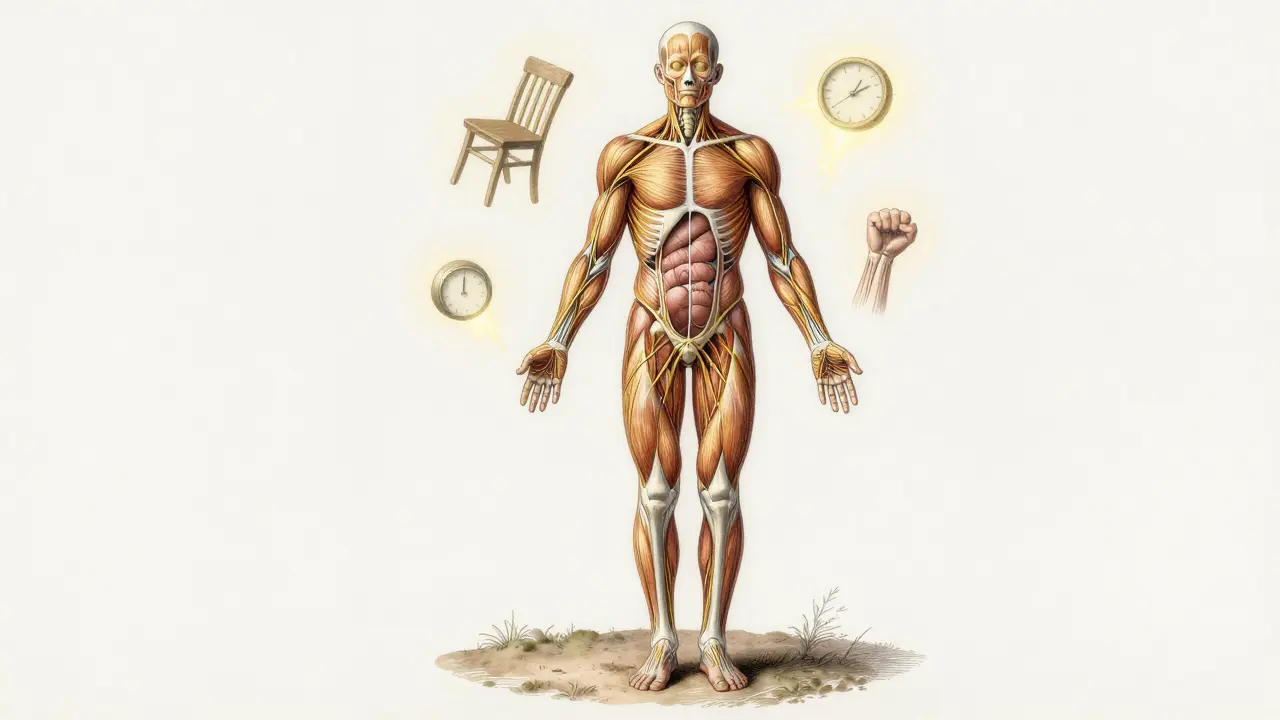
Think of fascia like plastic wrap wrapped tightly around a bundle of noodles. When you’re young, it’s flexible. But over time-after injuries, long hours at a desk, or even emotional stress-it shrinks, hardens, and pulls things out of alignment. Your shoulder might hurt because your hip is twisted. Your lower back aches because your feet are rolled inward. Your neck is tight because your chest is collapsed.
Hellerwork practitioners use slow, deliberate pressure to release these adhesions. It’s not about brute force. It’s about patience. The therapist works with your nervous system, not against it. You might feel intense sensations, but not pain. Many clients describe it as "a good kind of burning"-like when you finally stretch a muscle you’ve been holding tight for years.
A 2021 study published in the Journal of Bodywork and Movement Therapies tracked 47 participants over six months who completed a full Hellerwork series. 89% reported significant reductions in chronic pain, and 76% said their posture improved noticeably within three sessions.
The 11-Session Structure
Hellerwork isn’t a one-off treatment. It’s a journey. Each of the 11 sessions builds on the last, like layers of a map being redrawn. Here’s how it breaks down:
- Session 1: Surface Layers - Focuses on the outer skin, arms, and legs. You learn to breathe deeper and feel where you’re holding tension.
- Session 2: Breathing and Ribcage - Releases restrictions around your diaphragm. Many people realize they’ve been breathing shallowly for decades.
- Session 3: Front of Body - Targets the chest, abdomen, and front of the legs. This is where emotional stress often lives.
- Session 4: Back of Body - Works on the spine, hamstrings, and calves. This is where most people carry their weight.
- Session 5: Pelvis and Hips - The foundation of your posture. If your pelvis is tilted, everything above and below it suffers.
- Session 6: Arms and Shoulders - Releases tension from typing, carrying bags, or sleeping funny.
- Session 7: Head and Neck - Often the most surprising session. People report feeling lighter, clearer-headed, and less anxious.
- Session 8: Integration of Upper and Lower Body - You start to feel how your feet connect to your shoulders.
- Session 9: Core and Spine - Deep work on the torso. Many say this is when they feel "realigned" for the first time.
- Session 10: Whole Body Integration - Movement lessons are emphasized. You practice walking, standing, and turning with new awareness.
- Session 11: Completion and Self-Reliance - You learn how to maintain your progress. No more dependence on therapy-you become your own healer.
What Happens After the Series?
People don’t just stop feeling better-they start noticing things they hadn’t in years. Your shoes wear differently. You stand straighter without thinking. You sleep deeper. You don’t need to crack your neck anymore. You feel more grounded, less reactive.
One client from Wellington, a 58-year-old teacher, came in with chronic lower back pain and sciatica. After three sessions, she stopped needing painkillers. After six, she started walking her dog without a cane. After 11, she took up dancing. "I didn’t know I could feel this light," she told her practitioner. "I thought this was just what aging felt like."
That’s the power of Hellerwork. It doesn’t mask symptoms. It fixes the root.
Who Benefits Most?
Hellerwork isn’t just for people in pain. It’s for anyone who wants to feel more alive in their body.
- Office workers with rounded shoulders and stiff necks
- Athletes recovering from repetitive strain injuries
- People with chronic headaches or jaw pain (TMJ)
- Those recovering from surgery or trauma
- Anyone who feels "stuck" in their body-physically or emotionally
It’s also powerful for people who’ve tried everything else: chiropractic, physiotherapy, acupuncture, yoga. If those helped a little but didn’t stick, Hellerwork might be the missing piece. It doesn’t replace other therapies-it deepens them.
What to Expect in Your First Session
Your first session starts with a full-body assessment. The practitioner watches you walk, stand, and sit. They might ask you to bend, twist, or reach. No one’s judging you-they’re mapping your structure.
Then you lie on a table. The work is slow. You’re asked to breathe. You might be asked to move slightly during pressure. You’re not passive. You’re part of the process.
Afterward, you’ll feel tender, maybe even a little dizzy. That’s normal. Your nervous system is recalibrating. Drink water. Avoid intense exercise for 24 hours. Give your body time to integrate.
Most people feel a shift after the first session. But real change takes time. It’s not magic. It’s mechanics.
How It Compares to Other Therapies
| Therapy | Focus | Duration | Long-Term Change? | Movement Education |
|---|---|---|---|---|
| Hellerwork | Whole-body fascia and alignment | 11 sessions over 3-6 months | Yes | Yes |
| Deep Tissue Massage | Relieves muscle knots | Single or weekly sessions | No | No |
| Chiropractic | Bone alignment | Weekly or monthly | Sometimes | Minimal |
| Myofascial Release | Fascia, but often localized | Varies | Partial | Usually no |
| Yoga | Flexibility and breath | Ongoing practice | Yes | Yes |
Unlike yoga, which teaches you how to move, Hellerwork restructures your body so movement becomes effortless. Unlike massage, it doesn’t just relax you-it rebuilds you.

Is Hellerwork Right for You?
If you’re tired of temporary fixes, if you feel like your body is working against you, if you’re ready to stop managing pain and start reclaiming your physical freedom-then Hellerwork might be the answer.
It’s not cheap. A full series can cost between $1,500 and $2,500 depending on location and practitioner experience. But think of it as an investment in your daily life. How much do you spend on painkillers, gym memberships, or missed workdays? Hellerwork pays for itself in fewer doctor visits, better sleep, and more energy.
Find a certified Hellerwork practitioner through the Hellerwork Institute or the International Association of Structural Integrators. Look for someone who’s trained in the full 11-session curriculum-not just a few workshops.
Real Change Starts With Awareness
Hellerwork doesn’t promise miracles. It promises awareness. Once you feel how your body is out of balance, you start making different choices. You sit differently. You walk with more ease. You breathe deeper. You stop tensing your shoulders when you’re stressed.
That’s the real healing. Not the release of fascia. Not the alignment of bones. But the moment you realize: your body isn’t broken. It’s just been forgotten. And now, you remember how to listen to it.
Is Hellerwork painful?
It can be intense, but it shouldn’t be painful. Practitioners work within your comfort zone. You’ll feel pressure, heat, or a deep stretch, but not sharp or shooting pain. If it hurts too much, speak up. The goal is release, not punishment.
How long do results last?
Results are lasting because you’re changing your body’s structure, not just masking symptoms. Most people maintain their progress with occasional tune-up sessions every 6-12 months. Daily movement awareness and simple stretches help keep the changes alive.
Can I do Hellerwork if I have a medical condition?
Yes, but you need to consult your doctor first. Hellerwork is safe for most people, including those with arthritis, fibromyalgia, or post-surgical recovery. However, it’s not recommended for acute injuries, infections, or recent fractures. A certified practitioner will assess your history before starting.
Do I need to be flexible or fit to try Hellerwork?
No. In fact, Hellerwork is most helpful for people who are stiff, tight, or out of alignment. You don’t need to be athletic. You just need to be willing to pay attention to your body.
Can Hellerwork help with emotional stress?
Yes. Fascia stores emotional tension. Many people cry during sessions-not because they’re sad, but because long-held stress is finally being released. It’s not therapy, but emotional shifts are common. Some clients report feeling calmer, more centered, and less reactive after completing the series.
Next Steps
If you’re curious, book a single introductory session. Many practitioners offer a 60-minute assessment to see if Hellerwork feels right for you. You don’t have to commit to 11 sessions right away. Try one. Feel the difference. Then decide.
Don’t wait until your pain becomes unbearable. Don’t wait until you’ve tried every other option. Your body is trying to tell you something. Hellerwork is one of the few therapies that actually listens.