
Cupping Therapy: How It Works, Benefits, and What to Expect
 Jun, 7 2026
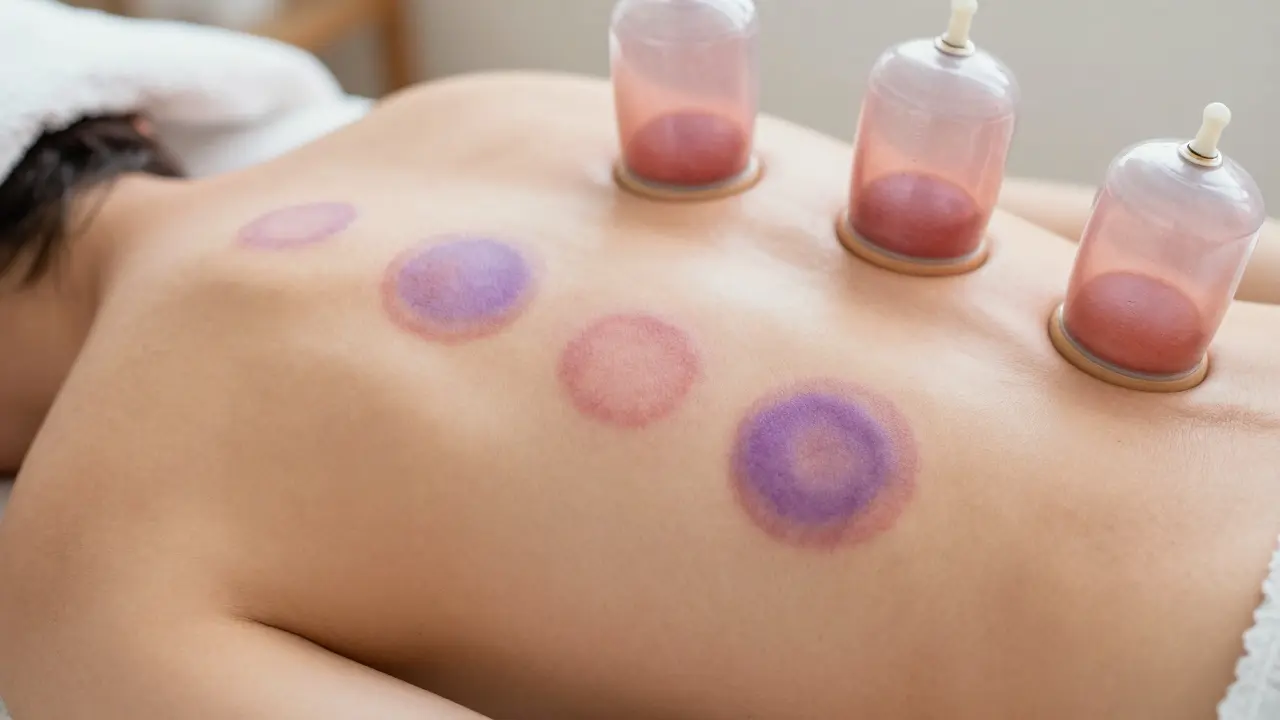
Have you ever seen those dark, circular bruises on an athlete’s back and wondered what caused them? You weren’t looking at injuries. You were likely seeing the aftermath of cupping therapy, a traditional healing practice that has surged in popularity over the last decade. While it might look intimidating, millions of people-from Olympic swimmers to office workers with chronic neck pain-turn to this method for relief. But is it just a trend, or does it actually work?
The truth lies somewhere in the middle. Cupping isn’t a magic cure-all, but it offers unique benefits for circulation, muscle tension, and recovery that standard massage sometimes misses. This guide breaks down exactly how it works, the different types available, and whether it’s right for your body.
What Is Cupping Therapy?
Cupping therapy is a form of alternative medicine where a therapist places special cups on your skin to create suction. This suction pulls the skin and underlying tissue upward into the cup. The result is increased blood flow to the area, which proponents believe helps heal injuries, reduce inflammation, and promote relaxation.
The practice dates back thousands of years. Ancient Egyptians used animal horns for suction, while Traditional Chinese Medicine (TCM) developed glass and bamboo cups around 2700 BCE. Today, the tools have evolved, but the core principle remains the same: use negative pressure to stimulate the body’s natural healing processes.
Unlike massage, which involves compression and friction, cupping uses decompression. Think of it as an "inverse massage." Instead of pushing into tight muscles, you are pulling them out. This can be particularly effective for adhesions-those sticky spots in fascia where muscle fibers get stuck together.
How Does Cupping Work?
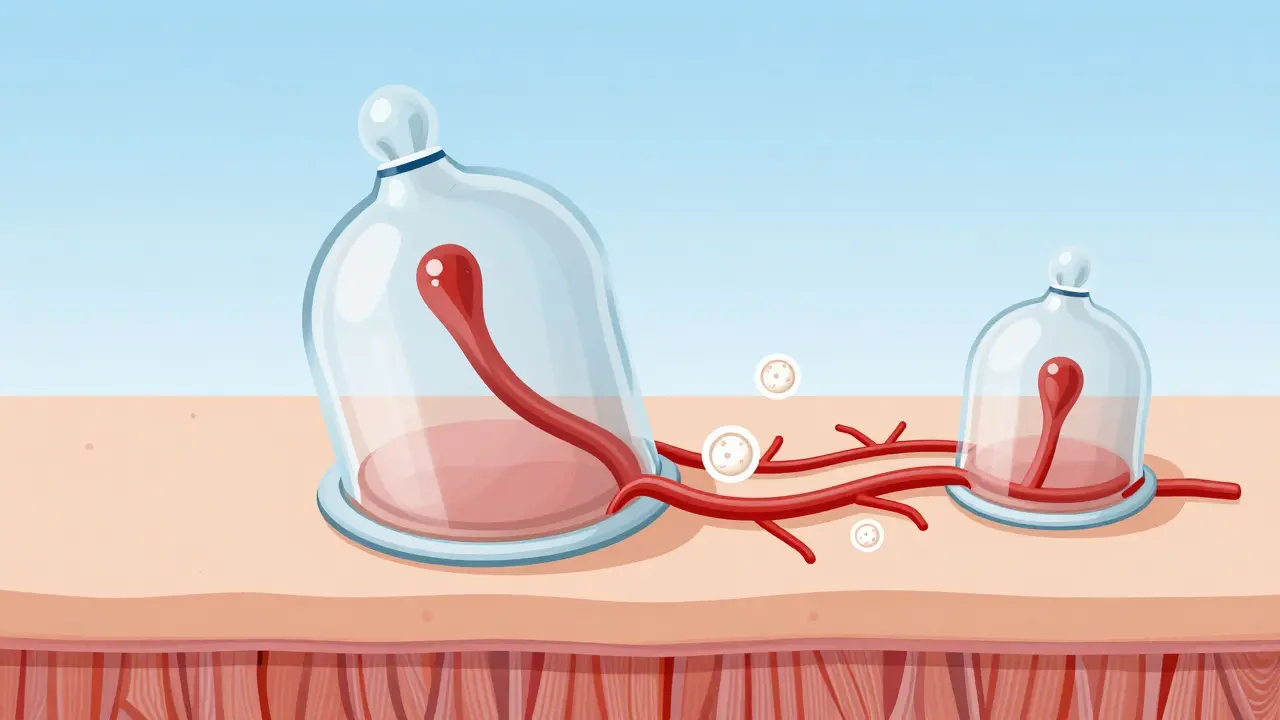
The mechanism behind cupping is straightforward physics meeting biology. When the suction is applied, it creates a vacuum effect. Here is what happens under the surface:
- Increased Circulation: The suction draws fresh, oxygenated blood to the treated area. This influx of nutrients can help repair damaged tissues faster.
- Fascial Release: The skin and fascia (the connective tissue surrounding muscles) are lifted. This can break up scar tissue and improve mobility.
- Gating Pain Signals: The intense sensation of suction can overwhelm nerve endings, temporarily blocking pain signals from reaching the brain-a concept known as the "gate control theory" of pain.
- Immune Response: In some cases, the mild trauma caused by suction triggers a localized immune response, sending white blood cells to the area to clean up debris and reduce systemic inflammation.
You might notice marks left behind after the session. These are not bruises in the traditional sense. They are called ecchymosis. They occur because the suction breaks small capillaries under the skin, causing blood to pool. The color can range from pink to deep purple, depending on the amount of stagnation or congestion in the tissue. Darker marks often indicate older, deeper tension, while lighter marks suggest more recent activity. These marks usually fade within 3 to 14 days.
Types of Cupping Therapy
Not all cupping is the same. Depending on your needs and tolerance, a therapist might choose one of several methods. Understanding these differences helps you decide what feels right for you.
| Type | Description | Best For | Pain Level |
|---|---|---|---|
| Dry Cupping | Suction only. No oil or incisions. | Muscle tension, general wellness | Mild to Moderate |
| Wet Cupping (Hijama) | Suction followed by minor skin pricks to draw out small amounts of blood. | Toxin removal, severe inflammation | Moderate to High |
| Fire Cupping | Heat is used to remove air from the cup before placing it on the skin. | Traditional TCM practices, cold conditions | Mild |
| Massage Cupping | Cups are moved across oiled skin, combining suction with gliding motion. | Large muscle groups like back and thighs | Mild |
Dry cupping is the most common type you will encounter in sports medicine clinics. It focuses purely on mechanical lifting of the tissue. Wet cupping, also known as Hijama, has roots in Islamic tradition and ancient Greek medicine. It involves making tiny superficial cuts after the initial suction to release "stagnant" blood. This requires strict sterilization and should only be performed by licensed professionals.
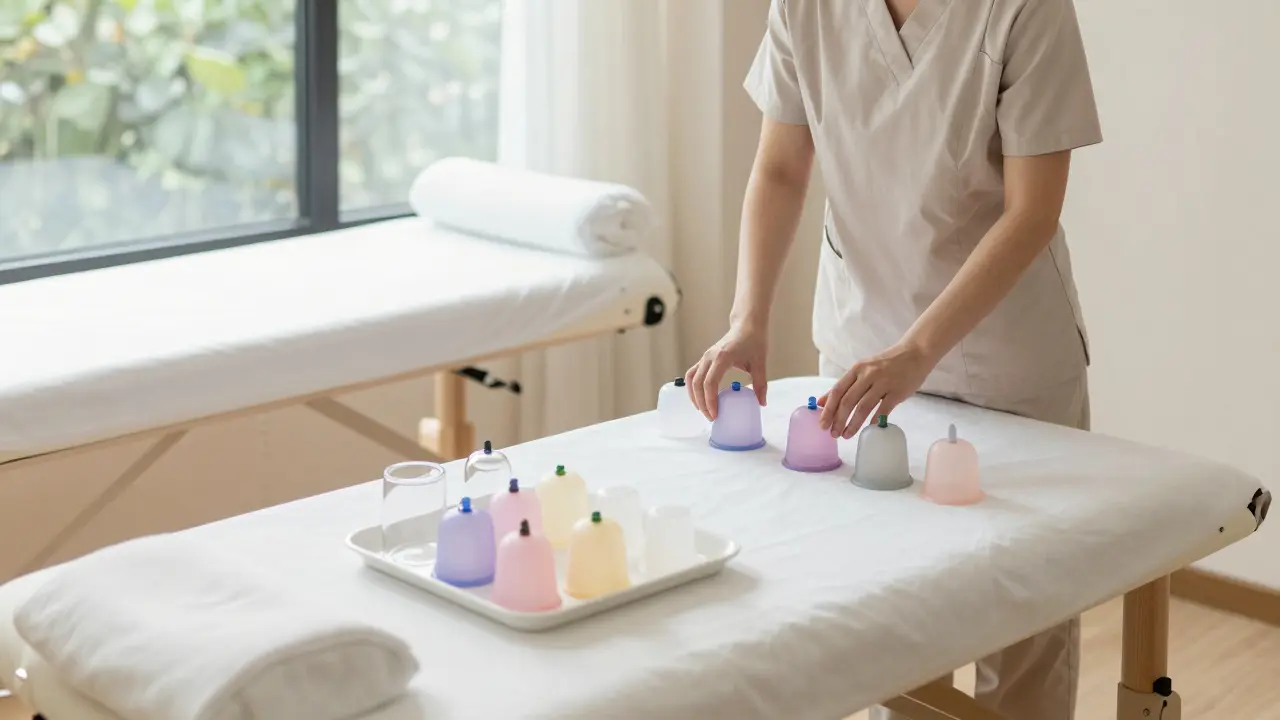
Fire cupping uses a flame to heat the air inside a glass cup, creating a vacuum when the hot air cools. While effective, many modern therapists prefer mechanical pump cups made of silicone or plastic. These allow for precise control of suction levels, reducing the risk of burns and giving you more say in how strong the pull feels.
Benefits: Why People Choose Cupping
So, why do people endure the suction and the marks? The reported benefits are significant, though scientific research is still catching up to anecdotal evidence.
Chronic Pain Relief is the top reason patients seek cupping. Studies have shown promise for lower back pain, neck pain, and knee osteoarthritis. A 2018 review published in *PLOS ONE* found that cupping was significantly more effective than sham treatments for pain reduction. The exact mechanism isn't fully understood, but the combination of improved blood flow and pain gating seems to play a major role.
Accelerated Recovery is another key benefit. Athletes use cupping to reduce lactic acid buildup and speed up muscle repair after intense workouts. By increasing local circulation, waste products are flushed out faster, and fresh nutrients arrive sooner. This can mean less downtime between training sessions.
Respiratory Health is a traditional use case. In TCM, cupping on the upper back is often used to treat coughs, asthma, and bronchitis. The suction is believed to open up the lungs and clear mucus. While Western medicine views this skeptically, many patients report feeling lighter and breathing easier after a session.
Stress Reduction shouldn't be overlooked. The parasympathetic nervous system-the "rest and digest" mode-is activated during cupping. Many clients fall asleep during their session. The physical release of tension translates to mental calmness, making it a powerful tool for anxiety management.
What to Expect During Your First Session
If you’ve never tried cupping, it’s normal to feel a mix of curiosity and apprehension. Knowing what happens step-by-step can ease those nerves.
- Consultation: Your therapist will ask about your medical history, current pain levels, and goals. Be honest about any skin conditions, bleeding disorders, or pregnancy.
- Positioning: You will lie face down, on your side, or sit, depending on the area being treated. Most sessions focus on the back, shoulders, and legs.
- Application: The therapist cleans the skin and applies oil if using massage cupping. They then place the cups and activate the suction. You will feel a firm pulling sensation. It should not be painful, but it can be intense. Communicate with your therapist; they can adjust the suction level instantly.
- Duration: Cups typically stay in place for 5 to 15 minutes. Longer durations don’t always mean better results and can increase the risk of blisters.
- Removal: The therapist releases the vacuum by pressing the skin near the cup rim. The cups come off easily.
- Aftercare: You will see the marks immediately. Drink plenty of water to help flush toxins. Avoid showering for at least an hour to let the pores close.
The sensation is often described as "weird" rather than painful. Imagine someone pinching your skin very firmly and holding it there. Some people find it relaxing; others find it distracting. Both reactions are normal.
Risks and Contraindications
Cupping is generally safe when performed by a trained professional, but it is not without risks. It’s crucial to know who should avoid it.
Skin Issues: Do not get cupped over open wounds, rashes, sunburns, or areas with poor circulation. The suction can worsen these conditions or cause infection.
Bleeding Disorders: If you take blood thinners (like Warfarin) or have hemophilia, cupping can cause excessive bruising or bleeding. Always consult your doctor first.
Pregnancy: Cupping on the abdomen and lower back is generally avoided during pregnancy due to potential stimulation of uterine contractions. Upper back cupping may be acceptable, but only with explicit approval from your obstetrician.
Infection Risk: Wet cupping carries a higher risk of infection if proper sterile techniques are not used. Ensure your practitioner uses single-use blades and gloves. Dry cupping has minimal infection risk, but sharing cups without proper sanitization can spread skin infections.
Burns: With fire cupping, there is a risk of burns if the flame gets too close to the skin or if the glass becomes too hot. Mechanical pumps eliminate this risk entirely.
Choosing a Practitioner
Not everyone who claims to offer cupping is qualified. Because regulations vary by region, it’s up to you to verify credentials. Look for practitioners who are licensed in massage therapy, physical therapy, or acupuncture. They should have specific training in cupping techniques and anatomy.
Avoid spas or unlicensed individuals offering cupping as a standalone service without proper hygiene protocols. Ask questions: How do you sterilize the cups? What is your experience with my specific condition? A good practitioner will welcome these questions and explain their process clearly.
FAQ
Does cupping therapy hurt?
Most people describe the sensation as a firm, pulling pinch rather than sharp pain. It can feel intense, especially if the suction is high, but it should not be unbearable. You can always ask the therapist to reduce the suction if it becomes uncomfortable.
How long do cupping marks last?
Marks typically last between 3 to 14 days. Lighter marks may fade in a few days, while darker, purplish marks can take two weeks. The duration depends on your skin type, the intensity of the suction, and your body’s healing rate.
Is cupping therapy covered by insurance?
Coverage varies widely. Some health plans cover cupping if it is performed by a licensed acupuncturist or physical therapist for a diagnosed medical condition. However, many insurers classify it as complementary therapy and do not reimburse it. Check with your provider beforehand.
Can I shower after cupping?
It is recommended to wait at least 3 to 4 hours before showering. The suction opens up pores and micro-channels in the skin. Showering too soon can expose these openings to bacteria and cold water, which may cause chills or irritation.
How often should I get cupping therapy?
For acute issues like muscle strains, weekly sessions for 2-3 weeks may be beneficial. For chronic conditions or maintenance, once every 2 to 4 weeks is common. Listen to your body and follow your practitioner’s advice based on your progress.
Is wet cupping safe?
Wet cupping is safe when performed by a licensed professional using sterile, single-use equipment. The main risks are infection and excessive bleeding. Ensure your practitioner follows strict hygiene protocols and discards all needles and blades immediately after use.