
Craniosacral Therapy: How Gentle Touch Can Help You Manage Pain
 Aug, 18 2026
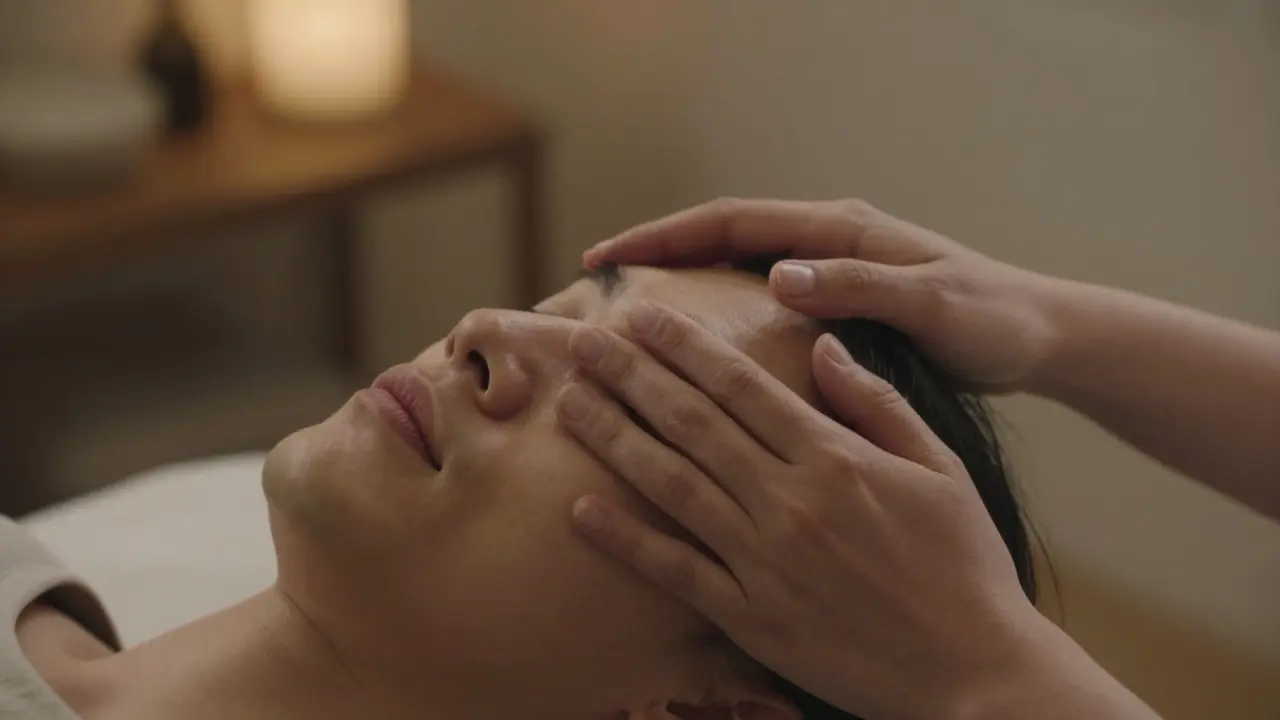
Imagine a treatment where the therapist barely touches you. No deep tissue digging, no cracking joints, no intense pressure. Just light, rhythmic contact on your head, spine, or pelvis. That is Craniosacral Therapy a manual therapy that uses gentle touch to evaluate and improve the functioning of the craniosacral system. It focuses on the membranes and cerebrospinal fluid surrounding the brain and spinal cord. For many people dealing with chronic tension, headaches, or unexplained body aches, this approach offers a break from aggressive physical interventions.
If you have tried massage and found it too painful, or if you are hesitant about invasive procedures, CST might feel like a breath of fresh air. The core idea is simple: by listening to the subtle rhythms of your body’s fluid dynamics, a practitioner can identify restrictions and release them. This article breaks down how it works, who benefits most, and what to expect during a session so you can decide if it fits your health goals.
What Exactly Is Craniosacral Therapy?
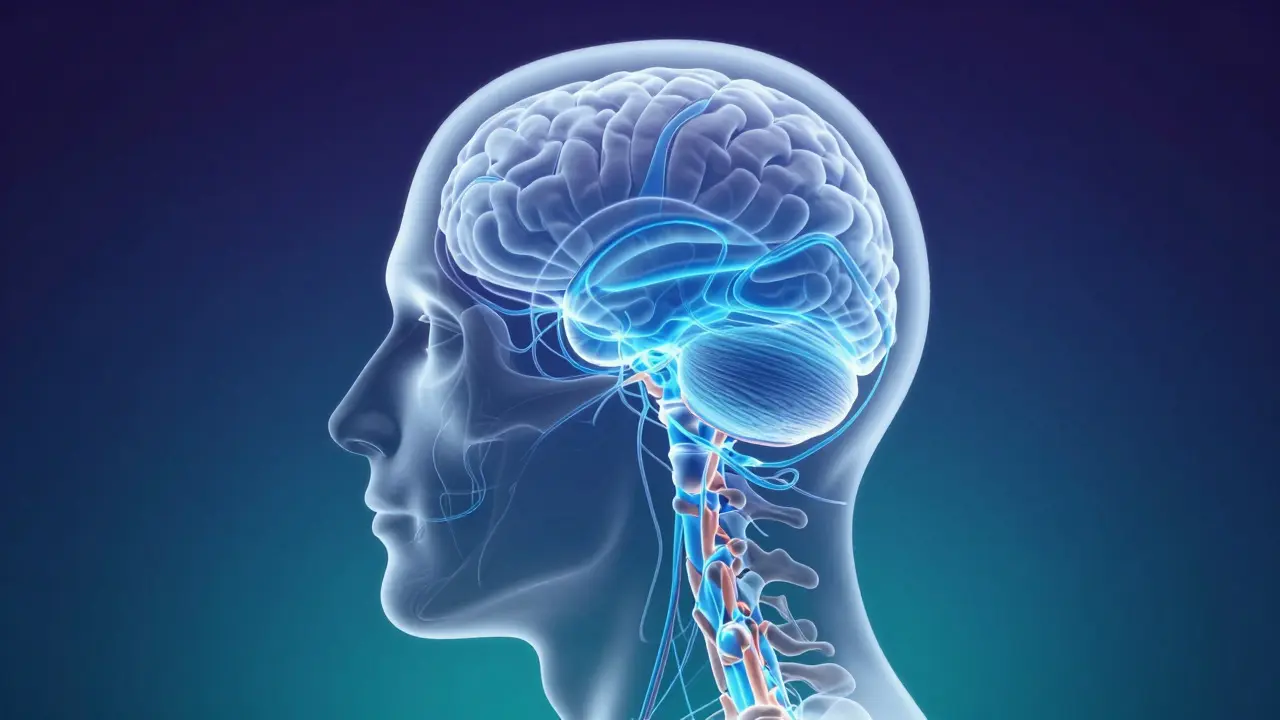
To understand CST, you first need to grasp the anatomy it targets. The term "craniosacral" refers to the skull (cranium) and the tailbone (sacrum). These two ends anchor the dural membrane, which encases the central nervous system. Inside this space flows cerebrospinal fluid, often called CSF. This fluid cushions the brain and spine, delivering nutrients and removing waste.
Somatic Experiencing a therapeutic method that helps clients access bodily sensations to heal trauma is another lens through which some practitioners view CST. While not identical, both approaches rely on the body’s innate ability to self-regulate when given the right cues. In CST, the therapist acts less as a fixer and more as a listener. They use their fingertips to detect tiny movements in the cranial bones. These movements, known as the primary respiratory mechanism, happen at a rate of about six cycles per minute. Yes, your bones move. Not much-just enough for a trained hand to feel the rhythm and any blockages in that flow.
How the Treatment Works in Practice
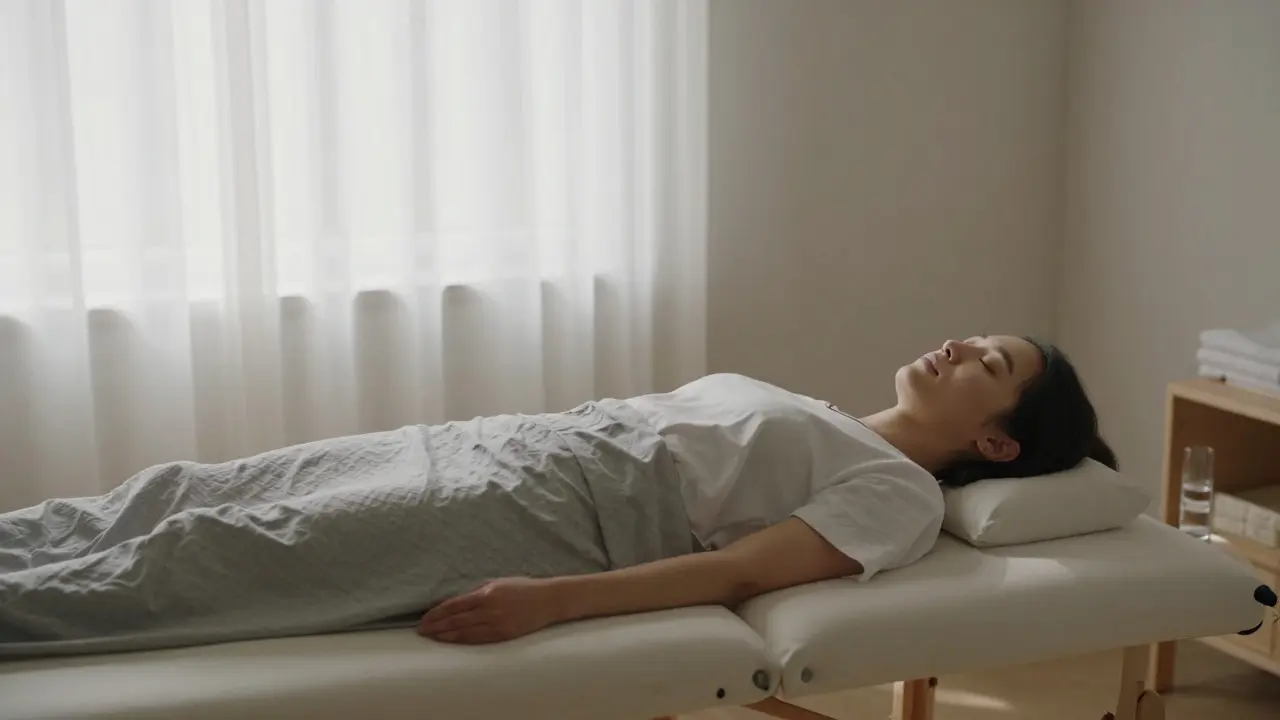
A typical CST session lasts between 45 and 60 minutes. You will lie fully clothed on a comfortable table. The environment is usually quiet, with dim lighting to encourage relaxation. The therapist places their hands lightly on different parts of your body. Common areas include the top of the head, the base of the skull, the sacrum, and the feet.
The touch is incredibly light. Think of it as lighter than a feather landing on your skin. This lightness is intentional. Deep pressure can sometimes create resistance or trigger defensive muscle tension. By using minimal force, the therapist allows the tissues to relax naturally. Here is what happens step-by-step during a standard evaluation:
- Assessment: The therapist feels the baseline rhythm of the cranial bones. They look for asymmetries or restrictions in movement.
- Identification: They locate specific points where the flow seems blocked or restricted. This might be near a past injury site or an area of high stress.
- Release: Using very gentle pressure, they guide the tissue back into its natural range of motion. There is no forcing. If the body resists, the therapist waits.
- Integration: As the restriction releases, the fluid flow normalizes. The client often reports a wave of relaxation or warmth spreading through the body.
You do not need to do anything except breathe and let go. Many people fall asleep during the session. Others report vivid dreams or a sense of emotional release. Both are normal responses to the parasympathetic nervous system kicking in.
Who Benefits Most From This Approach?
CST is not a cure-all, but it shines in specific scenarios. Because it is non-invasive, it is particularly suitable for populations that cannot tolerate deep tissue work. Let’s look at the common candidates:
- Chronic Headache Sufferers: Tension-type headaches and migraines often stem from tightness in the scalp and neck muscles. CST addresses the underlying fascial restrictions that contribute to this tension.
- Post-Surgical Patients: After surgery, scar tissue can restrict movement. Gentle manipulation helps remodel this tissue without causing pain.
- Infants and Children: Babies born via difficult deliveries may have cranial imbalances. CST is safe for infants because the touch is so light. It can help with colic, sleeping issues, and feeding difficulties.
- Elderly Individuals: Older adults often have fragile bones or conditions like osteoporosis. Deep massage is risky for them, but CST provides a safe way to address stiffness and pain.
- Trauma Survivors: For those with PTSD or unresolved trauma, the gentle nature of CST prevents re-traumatization. It allows the nervous system to process stored tension slowly.
It is worth noting that CST is often used as a complementary therapy. It does not replace medical treatment for serious conditions but works alongside it to improve quality of life.
Comparing CST to Other Bodywork Techniques
How does CST stack up against other popular therapies? The main difference lies in depth and intent. Swedish massage focuses on circulation and muscle relaxation using medium to firm pressure. Deep tissue massage targets chronic knots with sustained, heavy pressure. Chiropractic care involves spinal adjustments, often accompanied by audible pops.
| Technique | Pressure Level | Primary Focus | Best For |
|---|---|---|---|
| Craniosacral Therapy | Very Light | Cranial rhythm & fluid flow | Nervous system regulation, sensitivity |
| Swedish Massage | Medium | Muscle relaxation & circulation | General stress relief |
| Deep Tissue Massage | Firm to Heavy | Adhesions & chronic knots | Sports injuries, tight muscles |
| Chiropractic Adjustment | Variable (High Force) | Spinal alignment | Acute back pain, mobility |
If you have hypermobility or are sensitive to touch, CST is likely the safer choice. If you have a large knot in your shoulder that needs breaking up, deep tissue might be more effective. Many people combine these approaches. For example, you might get a deep tissue massage for muscle tension and CST for nervous system balance.
What to Expect During Your First Session
Before your first appointment, ask about the practitioner’s credentials. Look for certification from recognized bodies like the Upledger Institute or the American Academy of Applied Kinesiology. Experience matters. A skilled CST practitioner spends years training to develop the fine motor skills needed to feel these subtle rhythms.
During the intake, share your health history. Mention any recent surgeries, injuries, or current medications. Since CST affects the nervous system, it is good to know if you have conditions like epilepsy or severe anxiety, though it is generally safe for most.
After the session, you might feel tired. This is common. Your body is processing the change in fluid dynamics. Drink plenty of water to help flush out metabolic waste. Some people feel energized, while others prefer to rest for the rest of the day. Listen to your body. Avoid scheduling high-intensity workouts immediately after a session. Give yourself time to integrate the effects.
Common Myths and Misconceptions
One big myth is that CST is just a fancy name for a head massage. While it involves the head, it is a systemic approach. The therapist is not massaging muscles; they are working with the fascia and the cranial bones. Another misconception is that it only works for headaches. In reality, because the craniosacral system connects to the entire nervous system, it can influence digestion, immune function, and emotional well-being.
Skeptics often point to the lack of large-scale randomized controlled trials. While research is growing, many studies are small or observational. However, anecdotal evidence and clinical experience suggest significant benefits for pain management and stress reduction. Think of it as a tool in your toolkit, not a standalone miracle cure.
Practical Tips for Choosing a Practitioner
Not all therapists who claim to offer CST are equally trained. Here is a checklist to help you find the right person:
- Certification: Ask for proof of completion from a reputable institute.
- Experience: How many years have they been practicing? Have they treated someone with your specific condition?
- Communication Style: Do they explain what they are doing? Good practitioners educate their clients.
- Comfort Level: Book a consultation call. If you do not feel heard or respected, look elsewhere.
Price varies by location and expertise. In major cities like Toronto, sessions can range from $80 to $150 CAD. Check if your insurance covers alternative therapies, though many plans do not reimburse CST directly.
Frequently Asked Questions
Is craniosacral therapy painful?
No, it should not be painful. The touch is extremely light. If you feel discomfort, tell your therapist. Pain usually indicates that the therapist is applying too much pressure or that the area is highly sensitive. Adjustments are made instantly.
How many sessions do I need?
It depends on your condition. Acute issues might resolve in one or two sessions. Chronic problems often require a series of treatments, typically spaced one to two weeks apart. Many people start with three sessions to assess progress.
Can I have CST while pregnant?
Yes, it is generally considered safe during pregnancy. The position is adjusted for comfort, and the gentle touch can help with swelling and sleep disturbances. Always inform your practitioner of your due date and any complications.
Does it work for children?
Absolutely. Infants and children respond well to CST. It is often used to help with colic, teething pain, and developmental delays. Sessions for babies are shorter, usually around 20 to 30 minutes.
What should I wear to a session?
Wear comfortable clothing that is easy to remove or adjust. You will remain fully clothed. Loose-fitting clothes are best because the therapist may place hands on various parts of your body, including the feet and hands.