
Craniosacral Therapy Guide: Benefits, Process, and Results
 Apr, 7 2026
What Exactly Is Craniosacral Therapy?
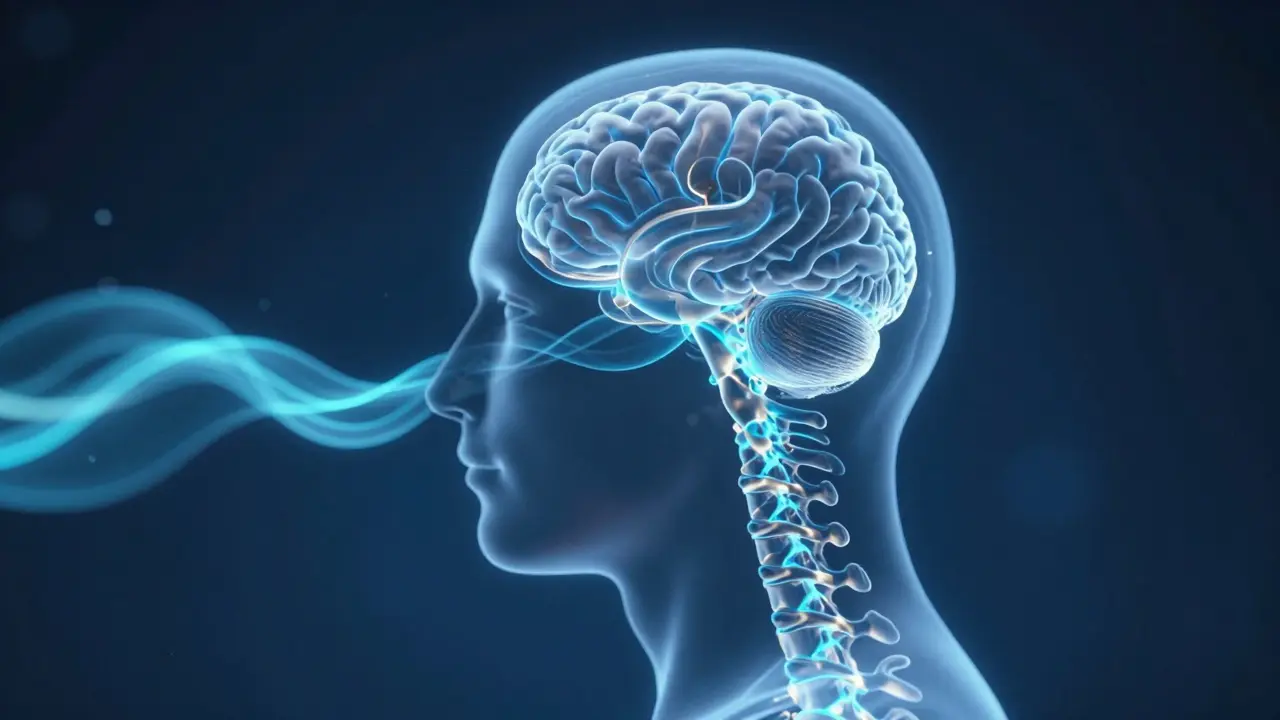
Imagine a therapist barely touching your head or lower back, yet you feel a profound sense of release throughout your entire body. That is the essence of Craniosacral Therapy is a gentle, non-invasive manual therapy that focuses on the movement of cerebrospinal fluid and the membranes surrounding the brain and spinal cord. Also known as CST, this approach doesn't rely on heavy pressure or joint cracking. Instead, it works with the body's own internal rhythms to resolve deep-seated tension.
Most of us are used to massages that dig into muscle knots. CST is the opposite. It operates on the belief that the Cerebrospinal Fluid-the clear liquid that cushions your brain-has a rhythmic pulse. When this pulse gets disrupted by injury, stress, or illness, it can lead to everything from chronic migraines to emotional burnout. By using a light touch, a practitioner helps the body "reset" its own flow, allowing the central nervous system to function more efficiently.
The Science Behind the Rhythm
You might wonder how a touch as light as a nickel can actually do anything. The secret lies in the Craniosacral System. This system consists of the membranes and fluid that wrap around the spinal cord and brain. These membranes are connected to the Cranial Sutures-the joints where the bones of your skull meet. While we're taught in basic school that these sutures fuse solid, research in osteopathic medicine suggests they maintain a micro-mobility that allows the head to expand and contract slightly.
When you experience a trauma-like a car accident or even a period of intense grief-the fascia (the connective tissue wrapping your organs) can tighten. This tension creates a "blockage" in the fluid's rhythm. A trained therapist doesn't force the tissue to open; they simply hold the area and wait for the body to realize it is safe to let go. It is a conversation between the therapist's hands and your nervous system.
What Happens During a Session?
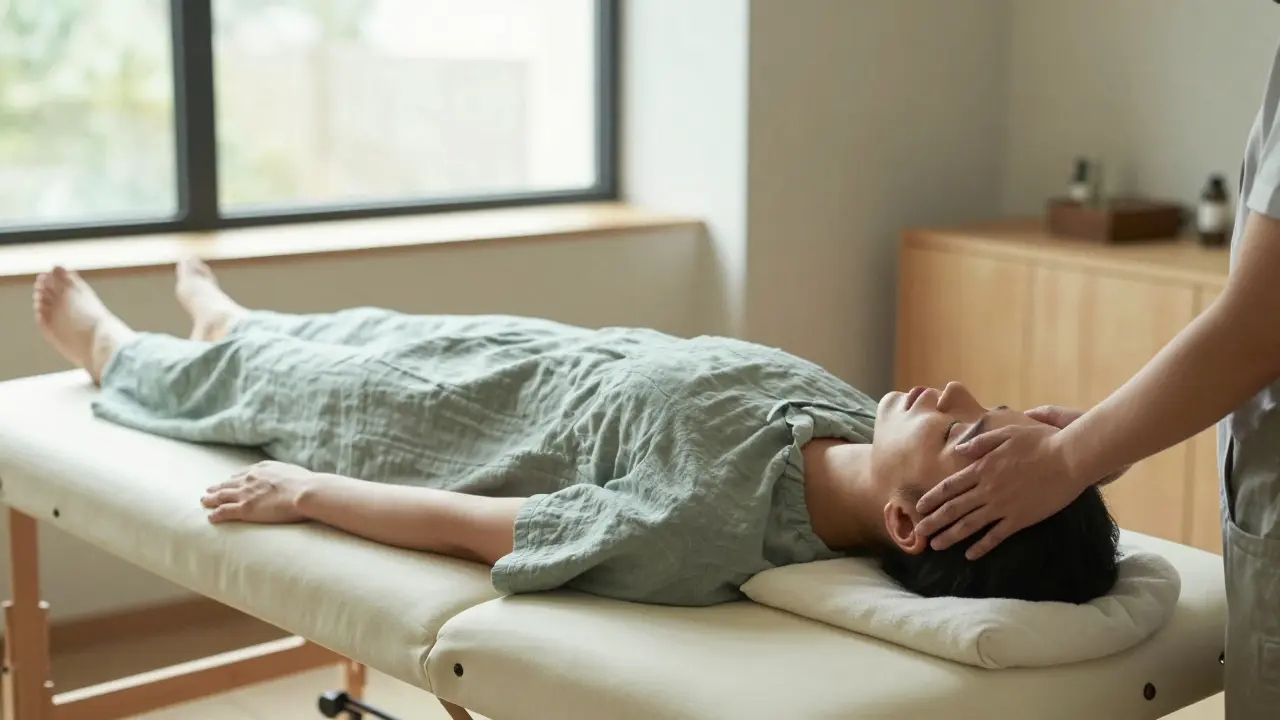
If you've never had a CST session, the first thing you'll notice is that you stay fully clothed. You typically lie face-up on a massage table. There is no oil, no scent, and no intense stretching. The practitioner will place their hands on your skull, the base of your spine, or your pelvis, moving very slowly.
The process generally follows these phases:
- Assessment: The therapist "listens" to your rhythm. They feel for areas where the pulse is too fast, too slow, or completely absent.
- Unwinding: You might feel a sensation of "melting" or a sudden release of heat. This is the fascia releasing stored tension.
- Integration: As the fluid flow stabilizes, many people enter a state of deep relaxation or a light sleep known as a "theta state."
- Re-evaluation: The therapist checks the rhythm again to ensure the blockages have cleared.
For example, if someone comes in with chronic jaw tension (TMJ), the therapist might not even touch the jaw at first. They might start at the sacrum-the base of the spine-to balance the overall system before gently working on the cranial bones.
Comparing CST to Other Bodywork
It is easy to confuse CST with other forms of manual therapy. However, the intent and technique are vastly different. While deep tissue massage targets the muscular system, CST targets the Central Nervous System.
| Feature | Craniosacral Therapy | Deep Tissue Massage | Chiropractic Adjustment |
|---|---|---|---|
| Pressure Level | Very Light (5g) | Firm to Strong | High-Velocity Thrust |
| Primary Target | Cerebrospinal Fluid / Membranes | Muscle Fibers / Fascia | Vertebral Alignment |
| Patient State | Deeply Relaxed/Meditative | Active Muscle Release | Quick Correction |
| Core Goal | Systemic Balance | Pain Relief / Knot Removal | Joint Mobility |
Who Can Benefit from This Approach?
Because it is so gentle, CST is an excellent option for people who cannot tolerate heavy pressure or those in acute pain. It is frequently used as a complementary tool alongside traditional medicine. For instance, people recovering from a Concussion often find that CST helps clear the "brain fog" and reduces the intensity of post-traumatic headaches by easing the pressure around the brain stem.
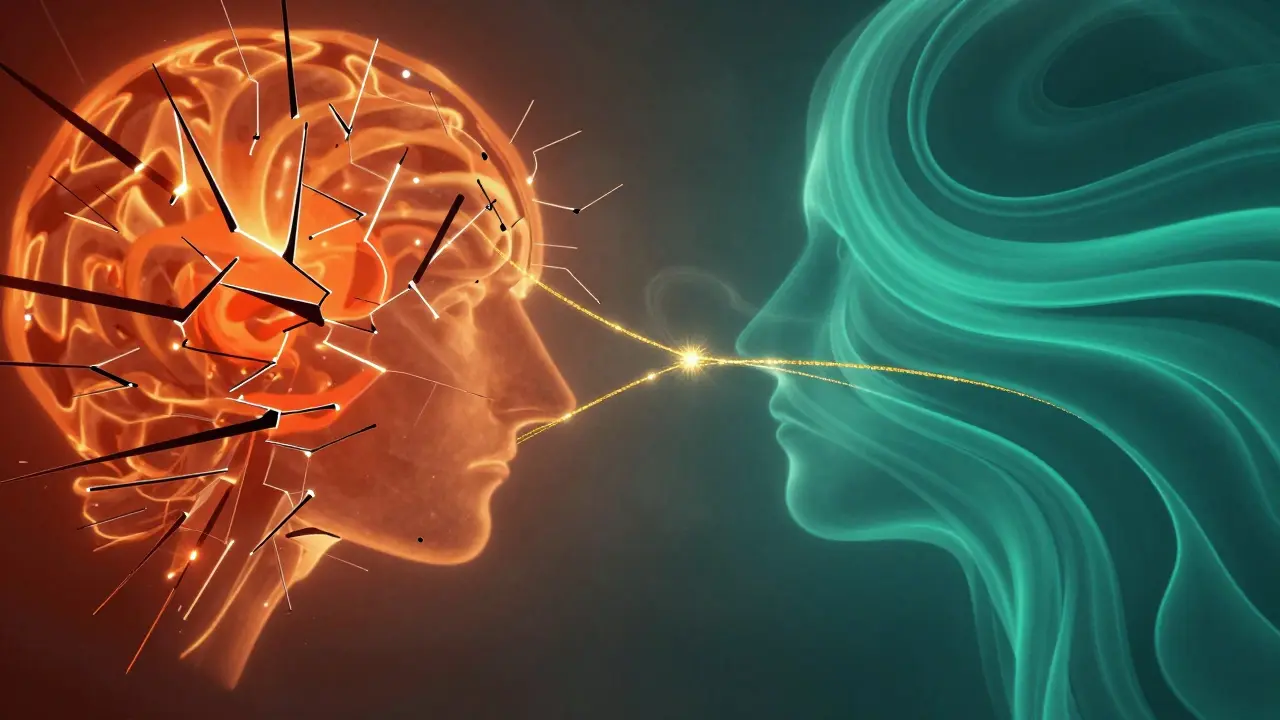
Beyond physical injuries, this therapy is a powerhouse for mental health. When you are in a state of chronic stress, your body stays in "fight or flight" mode. By calming the craniosacral rhythm, you signal to the Vagus Nerve-the main highway of the parasympathetic nervous system-that it is time to relax. This makes it incredibly effective for those dealing with anxiety, PTSD, or insomnia.
Commonly treated conditions include:
- Chronic Migraines: Reducing the tension in the dura mater (the brain's outer membrane).
- TMJ Disorders: Releasing the tension in the temporomandibular joint through cranial balancing.
- Fibromyalgia: Helping the nervous system stop sending false pain signals.
- Infant Colic: Gently releasing tension from the birth canal that may have affected the baby's skull.
Practical Tips for Your First Visit
To get the most out of your session, avoid scheduling a high-intensity workout or a caffeine binge right before your appointment. You want your nervous system to be as quiet as possible. Wear comfortable, loose clothing since you will not be undressing.
One thing to be aware of is the "healing crisis." After a session, you might feel a bit lightheaded or exceptionally tired. This happens because the body is processing the release of toxins and old emotional patterns. Drink plenty of water and give yourself an hour of downtime afterward. If you feel an emotional release-like a sudden urge to cry-don't fight it. In CST, an emotional release is often the physical sign that a deep blockage has finally shifted.
The Bigger Picture: Integrating Holistic Health
CST isn't a magic wand, but it is a powerful piece of the Holistic Health puzzle. When you combine this work with mindfulness or a clean diet, you are attacking stress from both the top-down (mental) and bottom-up (physical) directions. It reminds us that the body isn't just a collection of parts, but a fluid, connected system where a tension in the ankle can actually be related to a tension in the jaw.
Does Craniosacral Therapy hurt?
No, it is one of the gentlest forms of bodywork available. There is no stretching, cracking, or deep pressure. Most people find it so relaxing that they fall asleep during the session.
How many sessions do I need to see results?
Many people feel a difference after one session, especially regarding stress and sleep. However, for chronic issues like migraines or long-term trauma, a series of 4 to 8 sessions is usually recommended to create lasting change in the nervous system.
Is CST safe for infants and children?
Yes, it is exceptionally safe and often used for newborns who experienced a difficult birth or those with colic and breastfeeding issues. Because it is so light, it doesn't put any strain on a child's developing body.
Can I get CST if I have a medical condition?
In most cases, yes. However, there are a few contraindications. If you have a recent brain hemorrhage, a severe acute bleed, or an unstable spinal fracture, you should avoid CST. Always consult your primary doctor first.
What is the difference between CST and cranial osteopathy?
CST is actually derived from osteopathy. While a full osteopath might use a wider range of techniques including joint manipulation, a CST practitioner focuses specifically on the gentle manipulation of the craniosacral system.