
Balinese vs Thai Massage: Key Differences & Which to Choose
 Aug, 23 2026
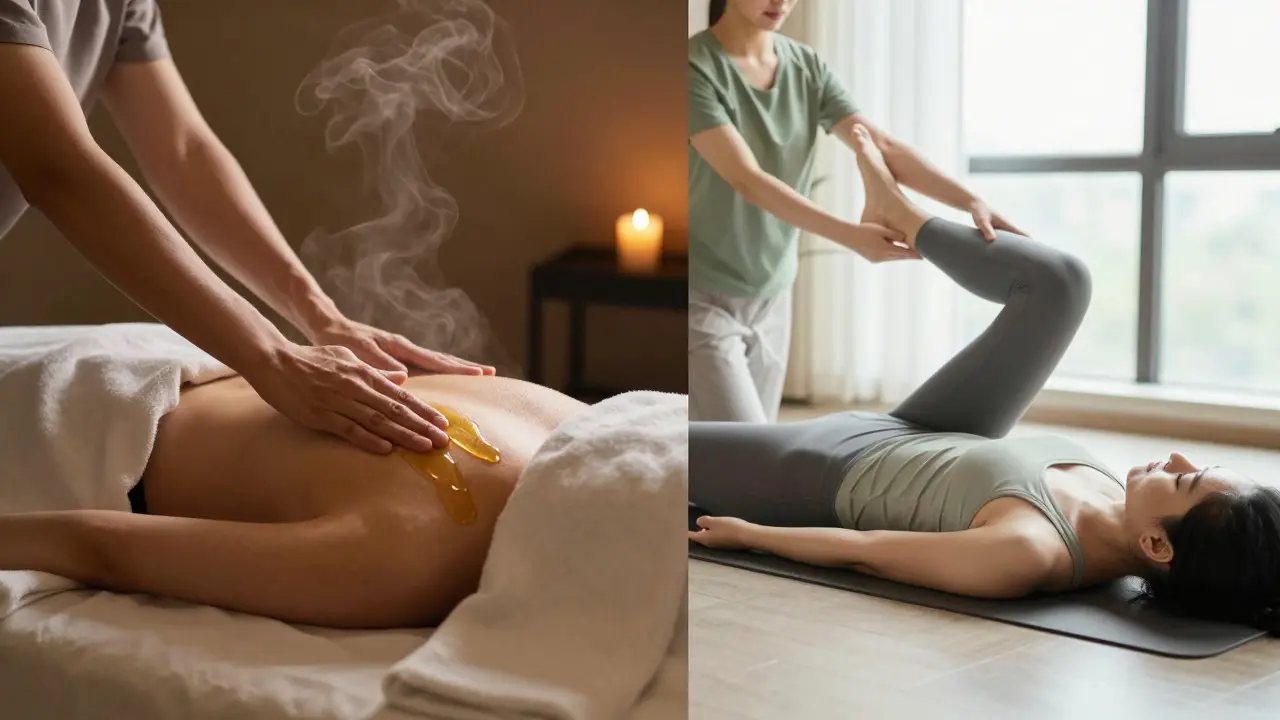
Imagine you’re sitting in a dimly lit room. On one side, warm oil is being poured over your shoulders while slow, rhythmic strokes melt away the tension of a long work week. On the other side, a therapist is using their elbows and knees to press into your muscles, stretching your limbs into positions that feel almost like yoga. Both are incredible ways to decompress, but they aren’t the same thing. Choosing between Balinese massage and Thai massage often comes down to what your body needs right now: pure relaxation or structural release.
Many people think all massages are just rubbing. In reality, these two traditions come from completely different corners of Southeast Asia with distinct goals, techniques, and outcomes. If you pick the wrong one, you might leave feeling under-touched or over-stretched. Let’s break down exactly how they differ so you can make an informed choice for your next appointment.
Origins and Philosophy
To understand the experience, you have to look at where these styles come from. Balinese massage originates from Bali, Indonesia. It blends traditional Indonesian healing practices with Western Swedish massage techniques. The philosophy here is holistic relaxation. The goal is to calm the nervous system, improve circulation, and create a sense of deep peace. It’s less about fixing a specific injury and more about resetting your entire state of being.
Thai massage, known locally as Nuad Boran, has roots in ancient India and was brought to Thailand by the Indian physician Jivaka Kumar Bhacca around the 13th century. Unlike Balinese, it is often called "lazy man's yoga." The therapist doesn't use oil; instead, they use their hands, thumbs, palms, elbows, and feet to apply pressure along energy lines (Sena) on the body. The focus is on restoring flexibility, releasing stuck joints, and balancing the body's energy flow. It’s active, not passive.
Technique and Sensation
The physical difference is stark. During a Balinese session, you will be lying on a padded table, fully draped in sheets. The therapist uses long, gliding strokes called effleurage, combined with kneading, tapping, and vibration. They use aromatic oils or lotions to reduce friction. The pressure is generally medium to firm but smooth. You should expect to feel heavy, warm, and sleepy. It’s the kind of massage where you might actually fall asleep, which is a sign the technique is working to lower your cortisol levels.
In contrast, Thai massage takes place on a floor mat. You wear loose, comfortable clothing because you’ll be moving. The therapist stands or sits beside you, using their body weight to push into your muscles. They will pull your arms overhead, fold you forward, and press on specific points. The sensation is intense. Some people describe it as painful if the pressure is too high, but most find it deeply satisfying. It feels like a combination of deep tissue work and assisted stretching. You won’t sleep through this one; you’ll be very awake and aware of your range of motion.
| Feature | Balinese Massage | Thai Massage |
|---|---|---|
| Surface | Padded table | Floor mat |
| Clothing | Undergarments/Sheet drape | Loose athletic wear |
| Medium | Aromatic oils/lotions | No oil (dry contact) |
| Primary Motion | Gliding, kneading, tapping | Compression, stretching, rocking |
| Intensity Level | Relaxing to Moderate | Moderate to Intense |
| Duration | 60-90 minutes typical | 60-90 minutes typical |
Who Should Choose Balinese Massage?
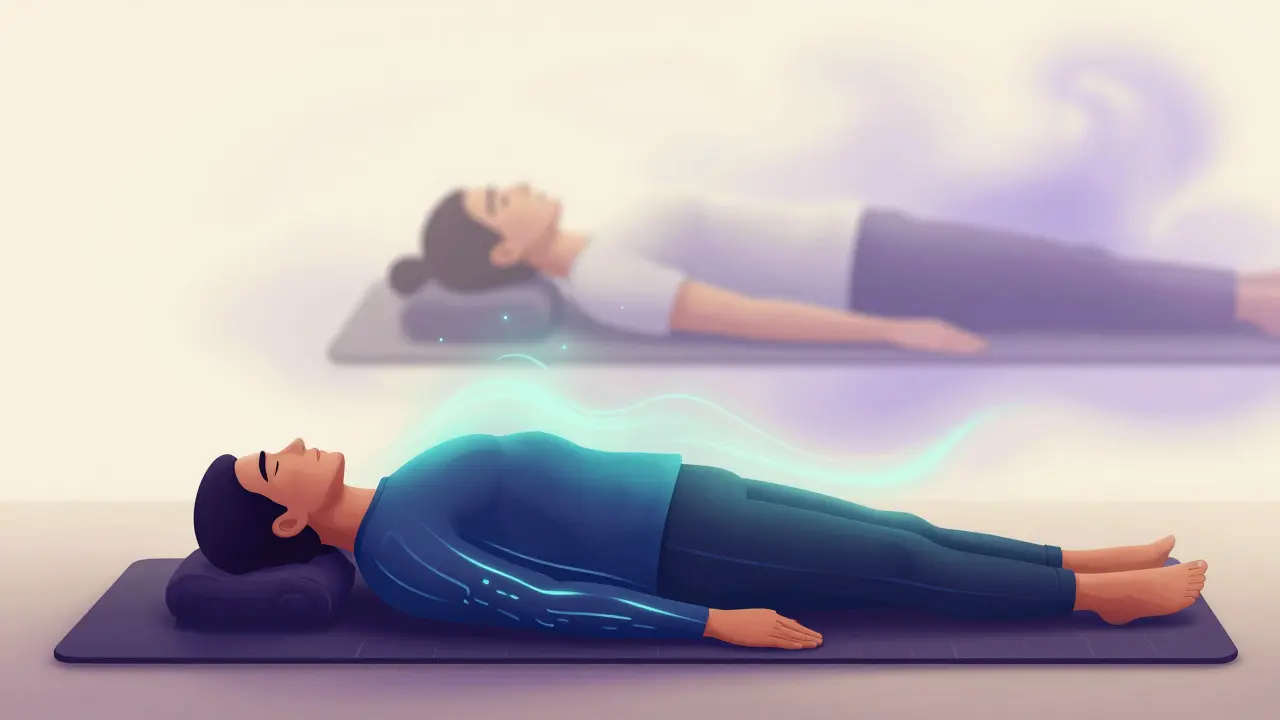
Balinese massage is ideal if your primary goal is stress relief. Think about who you are right now. Are you dealing with anxiety? Do you have trouble sleeping? Is your mind racing after a chaotic week? This style activates the parasympathetic nervous system, which is responsible for the "rest and digest" response. The warmth of the oil and the rhythmic nature of the strokes signal safety to your brain, lowering heart rate and blood pressure.
It’s also a great choice for beginners to massage. If you’ve never had a professional touch before, the gentle introduction of pressure helps build trust and comfort. Additionally, if you have sensitive skin or dislike the feeling of being stretched, Balinese is the safer bet. There is no risk of joint manipulation, so it’s suitable for older adults or those with mild arthritis who just want pain relief without aggressive movement.
Who Should Choose Thai Massage?
Thai massage shines when you need mobility. If you sit at a desk eight hours a day, your hips are likely tight and your neck is stiff. The stretches involved in Thai massage open up these areas in a way that oil-based massages rarely do. Athletes love it for pre-game preparation or post-workout recovery because it flushes out lactic acid and improves blood flow to the muscles.
If you suffer from chronic back pain caused by poor posture, Thai massage can help realign your spine through passive stretching. It’s also excellent for people who hate the feeling of oil on their skin. Since it’s dry, there’s no slippery residue left behind. Just put on your gym clothes, go to the studio, and walk out feeling taller and looser. However, if you have recent injuries, broken bones, or severe osteoporosis, talk to a doctor first, as the leverage used in Thai massage can be intense.
Pressure Preferences and Pain Tolerance
This is the biggest misconception: people assume Thai massage is always harder than Balinese. That’s not true. A skilled Thai therapist can work very gently, focusing on subtle energy points rather than deep muscle compression. Conversely, a Balinese therapist can apply deep tissue pressure to your calves or back if you ask for it.
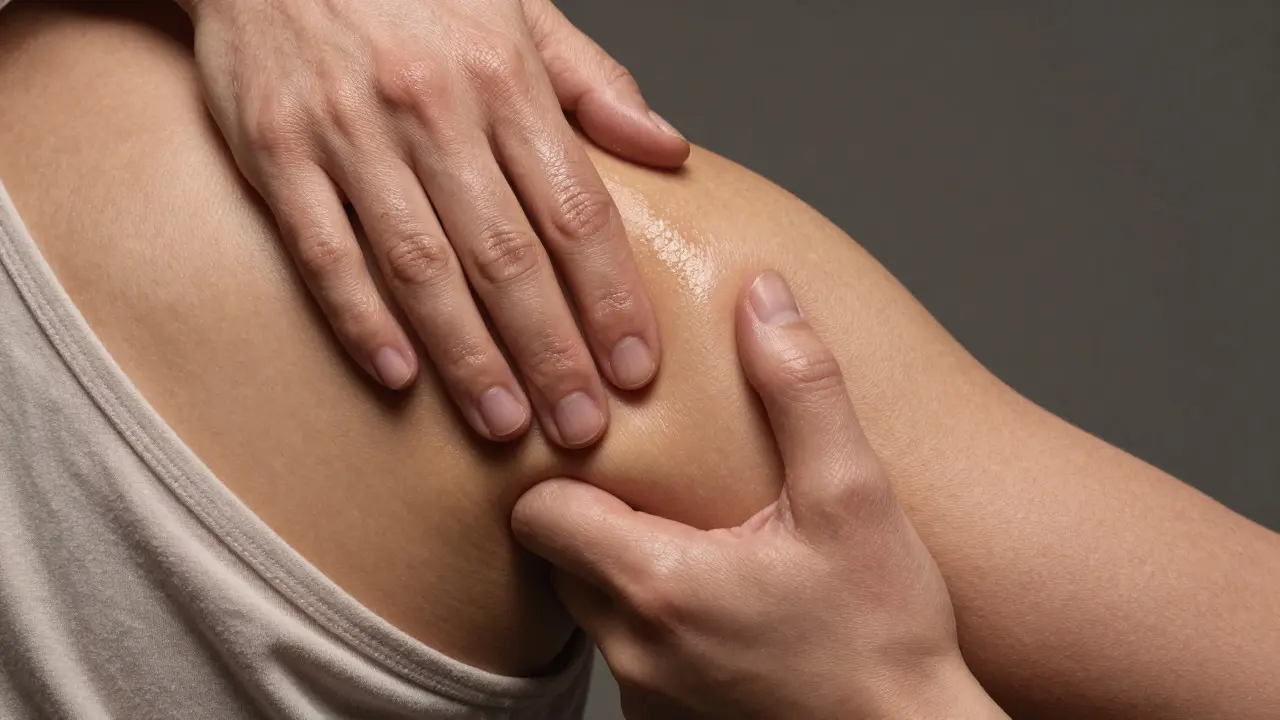
However, the *type* of pressure differs. Balinese pressure is distributed across a larger surface area (palms and forearms), making it feel broad and enveloping. Thai pressure is concentrated on specific points using thumbs or elbows, making it feel pinpoint and penetrating. If you prefer a full-body hug sensation, go Balinese. If you prefer targeted spot treatment that releases specific knots, go Thai.
Practical Considerations: Cost and Availability
When booking, keep logistics in mind. Balinese massage is widely available in standard spas worldwide because it requires minimal equipment-just a table and oil. Thai massage requires a dedicated floor space and a therapist trained in specific acupressure points. Because of the specialized training, you might find fewer practitioners offering authentic Thai massage in suburban areas compared to urban centers.
Prices vary by location, but generally, both services cost similar amounts for a 60-minute session. In Sydney, for example, you can expect to pay between $120 and $180 AUD for either style, depending on the venue's prestige. Don’t let price dictate your choice; let your body’s needs guide you. A cheaper Balinese massage that relaxes you is better than an expensive Thai massage that leaves you sore and confused.
Hybrid Options: Can You Mix Them?
Here’s a pro tip: you don’t have to choose forever. Many modern spas offer hybrid sessions. For instance, you might start with 30 minutes of Balinese upper body work to relax your shoulders and neck, followed by 30 minutes of Thai leg stretches to open up your hips. This combination is powerful because it addresses both the mental stress (via relaxation) and the physical stiffness (via stretching).
Ask your therapist about this option. If you’re unsure which one to pick, book a consultation or a short 45-minute trial. Most reputable therapists will ask you about your health history and preferences before starting. Tell them honestly: "I want to sleep" versus "I want to move better." Their recommendation will be spot-on.
Common Mistakes to Avoid
One common error is going to a Thai massage while pregnant without specifying your condition. While many Thai therapists are trained in prenatal care, the inversions and deep compressions need modification. Always disclose pregnancy, surgeries, or circulatory issues. Another mistake is holding your breath during Thai stretches. Breathe deeply. If you hold your breath, your muscles tense up, making the stretch less effective and potentially causing strain.
Finally, don’t skip hydration. After either type of massage, your lymphatic system is flushed and your muscles are relaxed. Drinking water helps remove metabolic waste products released during the session. Plan to drink at least 500ml of water within an hour of finishing.
FAQ
Which massage is better for back pain?
For acute muscle tension and stress-related back pain, Balinese massage is often more soothing. For chronic stiffness, limited range of motion, or postural issues, Thai massage is usually more effective because it actively stretches the spinal column and surrounding muscles.
Do I need to take a shower after Balinese massage?
Yes, typically. Since Balinese massage uses oils or lotions, you may feel greasy afterward. Most spas provide towels and sometimes a quick rinse station. It’s best to wait a few hours before applying makeup or wearing delicate fabrics to allow the oil to absorb fully.
Is Thai massage painful?
It can be intense, but it shouldn’t be agonizing. Pain is subjective. Communicate with your therapist. If a stretch hurts sharply, stop. If it feels like a good ache (muscle release), it’s fine. Beginners often find it challenging at first, but the discomfort usually fades after a few sessions as the body adapts.
Can I get Thai massage if I’m claustrophobic?
Absolutely. Thai massage is performed on a floor mat with you fully visible and clothed. There is no sheet draping or enclosed table, making it much easier for people who feel trapped in traditional spa setups. The open environment often helps alleviate claustrophobia.
How often should I get each type?
For maintenance, once a month is sufficient for most people. If you are highly stressed or an athlete, bi-weekly sessions may be beneficial. Listen to your body. If you feel stiff or anxious, book sooner. Consistency matters more than frequency.