
Ayurvedic Massage: A Healing Journey for the Body and Soul
 Jan, 11 2026
Imagine sinking into a warm, oil-rich massage where every stroke feels like it’s unwinding years of stress-not just from your muscles, but from your mind too. That’s ayurvedic massage, or abhyanga, in its purest form. It’s not just a spa treat. It’s a 5,000-year-old practice from India that doesn’t just relax you-it rebalances your entire system.
What Makes Ayurvedic Massage Different?
Most massages focus on knots and tension. Ayurvedic massage starts deeper: with your dosha. In ayurveda, your body type isn’t just about height or weight-it’s about your unique energy pattern. There are three: Vata (air and space), Pitta (fire and water), and Kapha (earth and water). Most people are a mix, but one usually dominates.
A Vata-dominant person might feel cold, anxious, or restless. A Pitta type might run hot, get irritable under stress, or have skin flare-ups. Kapha types often feel sluggish, carry extra weight, or struggle to start the day. Ayurvedic massage doesn’t treat symptoms-it matches the oil, pressure, and rhythm to your dosha.
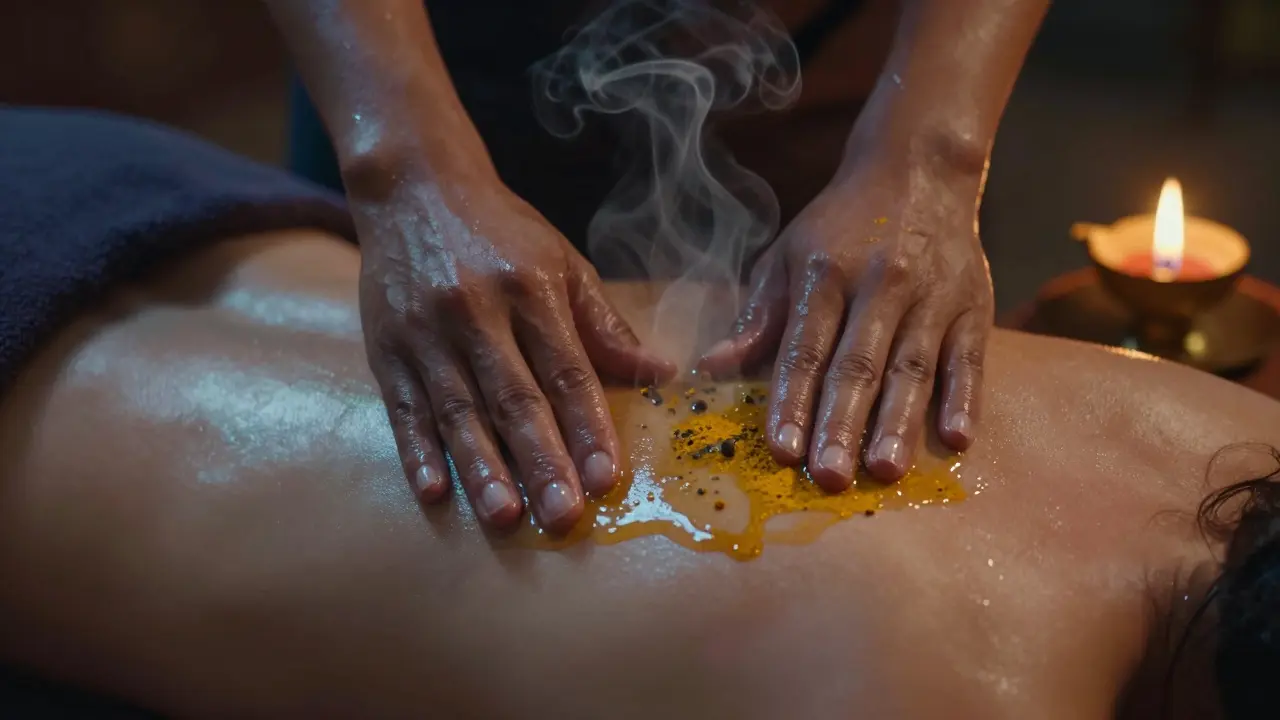
For Vata, warm sesame oil with slow, grounding strokes. For Pitta, cooling coconut or sunflower oil with medium pressure. For Kapha, lighter oils like mustard or almond with brisk, energizing movements. The oil isn’t just a lubricant-it’s medicine. Herbal oils like ashwagandha, turmeric, or brahmi are often infused to support healing from within.
How It Works: More Than Just Touch
Ayurveda believes your body is threaded with energy channels called nadis. When these get blocked-by stress, poor diet, or emotional trauma-you feel it as stiffness, fatigue, or even insomnia. Abhyanga opens those channels. The warm oil penetrates the skin, reaches the deeper tissues, and helps flush out toxins (ama, as they call it) through the lymphatic system.
Studies from the All India Institute of Medical Sciences found that daily abhyanga improved circulation, reduced cortisol levels by up to 28% in six weeks, and significantly improved sleep quality in people with chronic stress. That’s not placebo. That’s physiology.
But here’s what most people miss: the ritual matters. It’s not a 30-minute rush job. Traditional abhyanga takes 45 to 60 minutes. You lie on a warm table, often covered in a cotton sheet. The therapist starts at your head, moves down your spine, then works your limbs-always toward your heart. This direction supports venous return and lymph flow. The pressure isn’t deep tissue. It’s steady, rhythmic, and intentional. You’re not being worked on-you’re being held.
The Oil: Your Secret Weapon
The right oil makes all the difference. Sesame oil is the gold standard-it’s warming, rich in antioxidants, and penetrates deeply. Coconut oil cools and soothes. Almond oil nourishes dry skin. But the real power comes from herbal infusions.
At the Ayurvedic Wellness Center in Kerala, therapists use oils infused with neem for detox, ginger for circulation, and jatamansi for calming the nervous system. You won’t find these in regular spas. They’re made fresh, often by hand, using sun-brewed methods that take weeks. The scent alone-earthy, herbal, slightly nutty-triggers a relaxation response before the first touch.
If you’re trying this at home, skip the cheap almond oil from the grocery store. Look for cold-pressed, organic oils labeled for ayurvedic use. Brands like Kama Ayurveda, Banyan Botanicals, or Forest Essentials source directly from Indian farms and test for purity. A 250ml bottle lasts about six sessions. It’s an investment, but one that pays off in sleep, skin glow, and steady energy.
Who Benefits Most?
You don’t need to be sick to benefit. Ayurvedic massage is preventative care. But it’s especially powerful for:
- People with chronic stress or burnout
- Those with insomnia or restless sleep
- Anyone with dry, sensitive, or aging skin
- People recovering from injury or surgery
- Those feeling emotionally stuck or disconnected
I’ve seen clients in Brisbane come in after months of anxiety, their shoulders tight, their eyes tired. After just three sessions, they say the same thing: “I didn’t realize how heavy I felt until it was gone.” One woman, a nurse working 12-hour shifts, started doing 10-minute self-abhyanga before bed. Within a month, she stopped reaching for sleeping pills. She told me the warmth reminded her of her grandmother’s hands.
How to Try It at Home
You don’t need a therapist to start. Self-abhyanga is a daily ritual in many Indian households. Here’s how to begin:
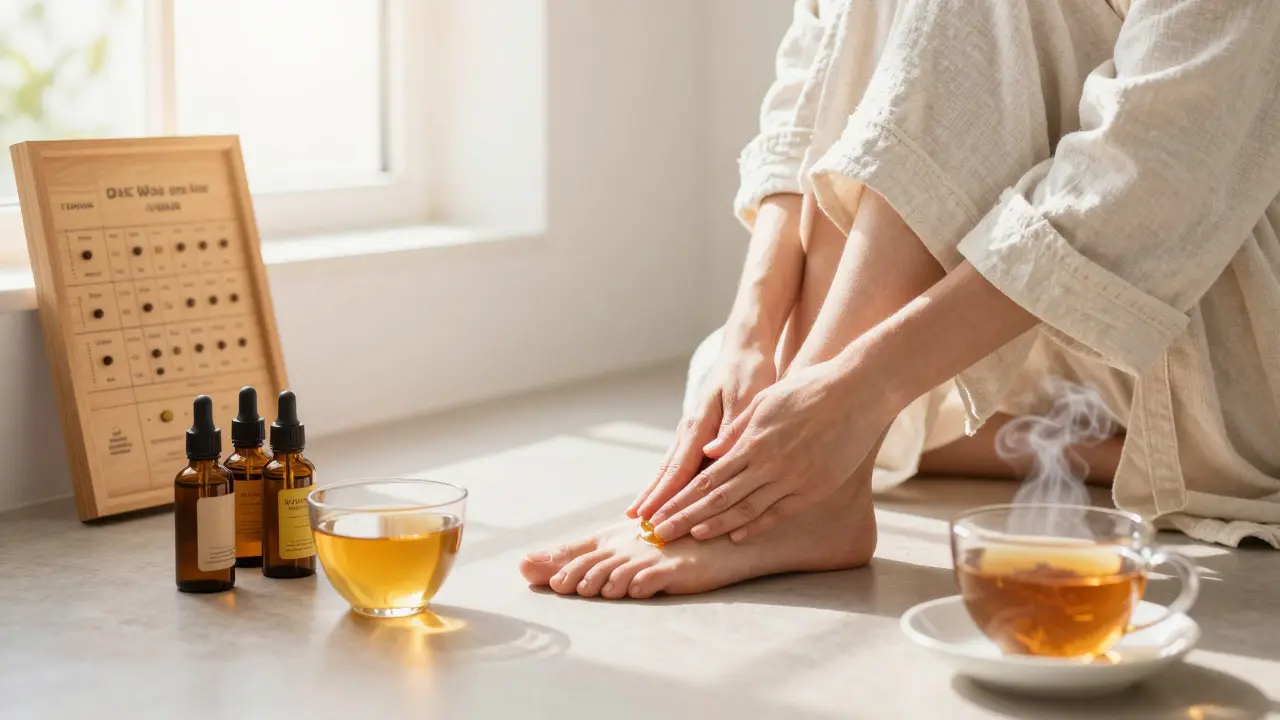
- Warm 1/4 cup of your dosha-appropriate oil (sesame for Vata, coconut for Pitta, mustard for Kapha) in a bowl of warm water.
- Apply it to your dry skin, starting at your scalp and working down to your feet.
- Use circular motions on joints, long strokes on limbs, and gentle circles on your abdomen.
- Massage for 10-15 minutes. Don’t rush.
- Let the oil sit for 10-20 minutes. Then shower with warm water-no soap on the skin unless you need to.
Do this 3-4 times a week. You’ll notice softer skin, better digestion, and calmer thoughts within two weeks. Many people report feeling more grounded, less reactive to stress.
What to Avoid
Ayurvedic massage isn’t for everyone. Skip it if you have:
- An active skin infection, rash, or open wound
- A fever or acute illness
- Severe varicose veins or recent blood clots
- Are pregnant without consulting an ayurvedic practitioner
Also, don’t use heavy oils if you have oily or acne-prone skin. Opt for lighter options like sunflower or grapeseed, and patch-test first. And never force the pressure. Ayurveda is about harmony, not pain.
Where to Find a Real Practitioner
Not every “ayurvedic massage” is authentic. Some spas slap on coconut oil and call it done. Look for therapists trained in traditional ayurveda-not just a weekend certification. Ask if they’ve studied at an accredited school in India, like the Ayurvedic Institute in Albuquerque or the Kottakkal Arya Vaidya Sala in Kerala.
In Australia, clinics in Melbourne, Sydney, and Brisbane with certified Vaidyas (ayurvedic doctors) are your best bet. The Australian Ayurvedic Association maintains a directory of qualified practitioners. Don’t be afraid to ask about their training. A good therapist will explain your dosha and tailor the session-not just follow a script.
The Bigger Picture: Healing as a Daily Practice
Ayurvedic massage isn’t a quick fix. It’s part of a larger rhythm. In India, people pair it with warm lemon water in the morning, mindful eating, and yoga. The massage is the anchor-it reminds you to slow down, to listen to your body, to care for yourself not as a luxury, but as a necessity.
When you’re done, you won’t just feel relaxed. You’ll feel more like yourself. Lighter. Clearer. Present. That’s the real gift-not the oil, not the touch-but the return to balance.
Can ayurvedic massage help with chronic pain?
Yes, especially for pain tied to stress or inflammation. Studies show abhyanga reduces joint stiffness in people with osteoarthritis and lowers inflammatory markers like CRP. The warm oil improves circulation, while herbal ingredients like turmeric and ginger offer natural anti-inflammatory effects. It’s not a replacement for medical treatment, but it’s a powerful complement.
How often should I get an ayurvedic massage?
For maintenance, once a week is ideal. If you’re dealing with high stress, insomnia, or recovery from illness, 2-3 times a week for 4-6 weeks can reset your system. After that, taper to once every 1-2 weeks. Daily self-massage at home is even better for long-term balance.
Is ayurvedic massage safe during pregnancy?
Yes, but only with modifications. Avoid strong pressure on the abdomen and lower back. Use only mild, safe oils like coconut or almond, and avoid herbs like ashwagandha or fenugreek unless approved by an ayurvedic practitioner trained in prenatal care. Always consult your doctor first.
Do I need to shower after an ayurvedic massage?
You don’t have to shower right away. In fact, letting the oil soak in for 15-20 minutes helps absorption. A warm shower afterward is best-no harsh soaps on the skin. The oil continues working even after you’re dry. Some people skip showering entirely and just towel off gently.
Can I use regular coconut oil from the supermarket?
You can, but it’s not the same. Supermarket coconut oil is often refined, bleached, or deodorized, stripping away beneficial compounds. For true ayurvedic benefit, use cold-pressed, virgin, organic coconut oil. It retains more antioxidants and has a richer, more therapeutic scent. The same goes for sesame or almond oil-choose unrefined and organic whenever possible.