
Aromatherapy and Its Role in Boosting Immunity
 Nov, 11 2025
Aromatherapy Immune Support Selector
Select your symptoms and health conditions to see personalized recommendations
When your nose is stuffy, your throat is sore, or you just feel run down, you might reach for a tissue-or a bottle of essential oil. Aromatherapy isn’t just about smelling nice. It’s been used for thousands of years to support health, and today, science is catching up. Certain essential oils have real, measurable effects on the immune system. Not magic. Not hype. Biology.
How Aromatherapy Actually Works
It’s not just the scent that matters. When you inhale essential oils, molecules travel through your nose to the olfactory bulb, which connects directly to the limbic system-the part of your brain that controls emotion, memory, and stress responses. That’s why lavender can calm you down or citrus can lift your mood. But here’s the key: the limbic system also talks to your hypothalamus, which controls your autonomic nervous system. That system runs your immune response.
Stress shuts down immunity. Cortisol, the stress hormone, suppresses white blood cell activity. That’s why people get sick after a big deadline or during the holidays. Essential oils like frankincense, eucalyptus, and tea tree don’t just make you feel better-they help lower cortisol levels. A 2021 study from the University of Vienna found that participants who inhaled a blend of lavender, orange, and rosemary for 15 minutes daily over four weeks showed a 22% increase in natural killer cell activity. These are the immune cells that hunt viruses and cancer cells.
Essential Oils That Support Immunity
Not all oils are created equal. Some are just fragrance. Others have compounds proven to fight microbes, reduce inflammation, and stimulate immune cells. Here are the top five with real backing:
- Eucalyptus oil - Contains 1,8-cineole, a compound shown in clinical trials to reduce respiratory inflammation and inhibit rhinovirus replication. It’s why many cold balms list eucalyptus as the first ingredient.
- Tea tree oil - Melaleuca alternifolia has terpinen-4-ol, which kills bacteria, fungi, and some viruses. A 2020 study in the Journal of Medical Microbiology found it was as effective as antiseptic washes against airborne pathogens in lab settings.
- Lavender oil - Beyond calming nerves, it boosts lymphocyte proliferation. That’s your body’s way of building more immune soldiers. A 2019 trial in Korea showed lavender inhalation increased IgA levels in saliva-a key antibody that lines your respiratory tract.
- Frankincense oil - Boswellic acids in this oil reduce chronic inflammation, which is a silent killer of immune function. It’s been used in Ayurvedic medicine for centuries to treat respiratory infections.
- Orange oil - D-limonene, its main component, has antiviral properties and enhances the activity of macrophages. A 2023 Japanese study linked daily orange oil diffusion to fewer sick days in office workers.
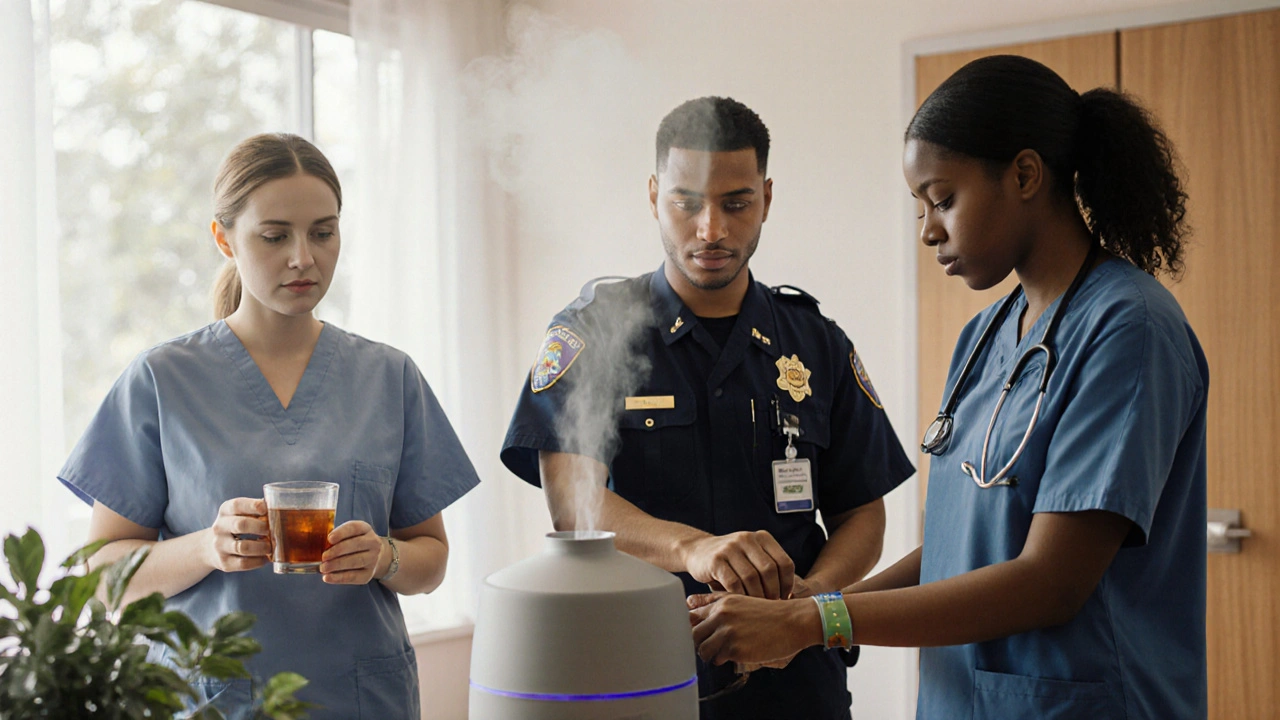
These aren’t just lab results. Real people use them. Nurses in hospitals use diffusers in break rooms. Parents add a drop of eucalyptus to their child’s humidifier during flu season. Firefighters and paramedics keep peppermint oil on hand-not just for nausea, but because it clears airways and reduces stress-induced immune suppression.
How to Use Them Correctly
Using essential oils wrong can do more harm than good. You don’t need to douse yourself in them. Less is more-and safety matters.
- Diffuse, don’t ingest - Never swallow essential oils unless under a licensed aromatherapist’s supervision. Inhalation is safe, effective, and the most studied method.
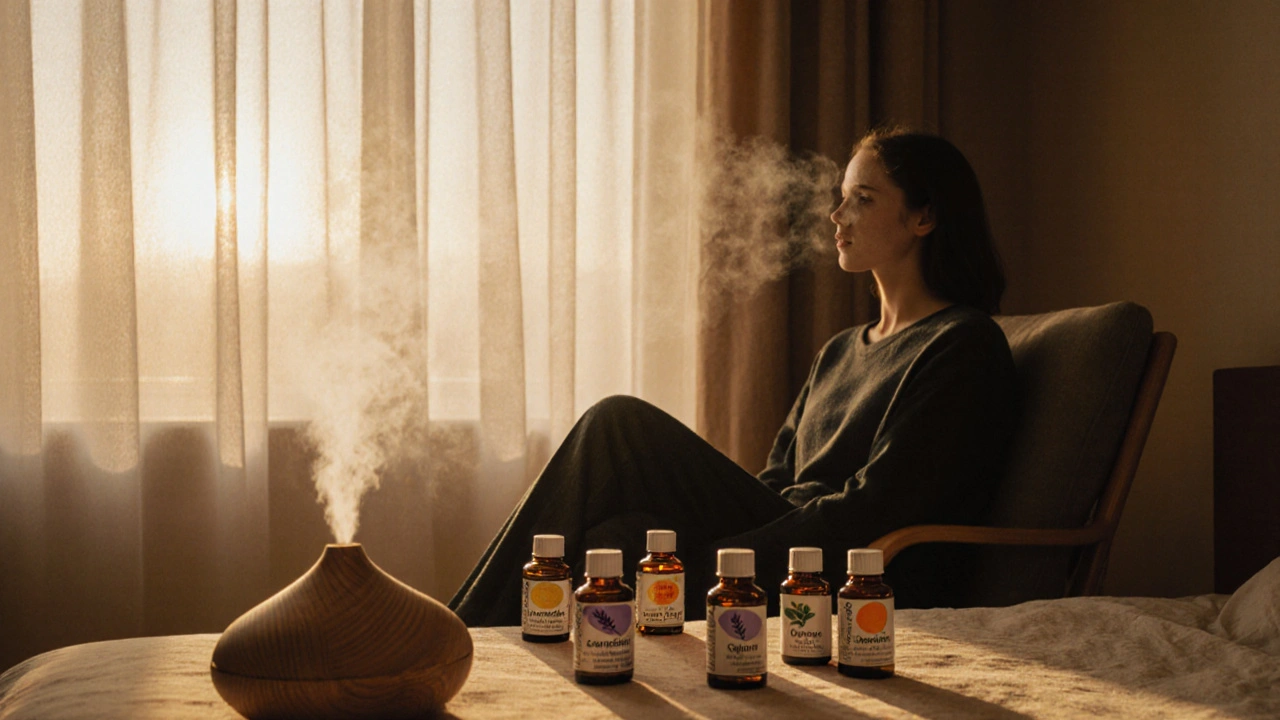
- Use a diffuser - Add 3-5 drops of oil to water in a cold-air diffuser. Run it for 30-60 minutes in your bedroom or living room. Don’t run it all night. Your nose needs a break.
- Try steam inhalation - Boil water, pour into a bowl, add 2 drops of eucalyptus or tea tree, cover your head with a towel, and breathe deeply for 5 minutes. Do this once a day when you feel a cold coming on.
- Use in blends - Oils work better together. Try 2 drops lavender + 2 drops orange + 1 drop frankincense. That combo lowers stress and supports immune cell production.
- Avoid direct skin contact - Always dilute with a carrier oil (like jojoba or coconut) before applying. Undiluted oils can burn or trigger allergies.
One common mistake? Using low-quality oils. If it says “fragrance oil” or “perfume oil,” it’s not real. Look for 100% pure, therapeutic-grade oils with the Latin name on the bottle-like Melaleuca alternifolia for tea tree. Check for third-party testing reports. Reputable brands like Plant Therapy, doTERRA, and Young Living publish GC/MS reports online.

What Doesn’t Work
Aromatherapy isn’t a cure-all. It won’t replace vaccines, antibiotics, or proper sleep. It won’t stop you from catching the flu if you’re sleep-deprived and eating junk food. It’s a support tool.
Don’t believe claims like “this oil cures cancer” or “boosts immunity by 200%.” Those are marketing lies. Real science shows modest, consistent benefits-not miracles. Also, avoid oil sprays for air disinfection. They don’t kill viruses in the air fast enough to matter. Diffusion is for personal space, not room sterilization.
And if you’re pregnant, nursing, or have asthma, check with your doctor first. Some oils, like rosemary or sage, can be risky. Peppermint oil can trigger asthma attacks in sensitive people. Always patch test on your inner arm before regular use.
Why It Works Better Than You Think
The real power of aromatherapy isn’t just the chemistry-it’s the behavior change it triggers. When you take five minutes to diffuse oils, you’re also taking five minutes to breathe deeply, sit quietly, and stop scrolling. That pause lowers stress. That lowers cortisol. That lets your immune system do its job.
Think of it like brushing your teeth. You don’t brush because it cures cavities alone. You brush because it’s part of a habit that keeps your mouth healthy. Aromatherapy is the same. It’s not the hero. It’s the supporting player in a lifestyle that includes sleep, hydration, movement, and good nutrition.
People who use aromatherapy regularly report fewer colds, faster recovery, and less anxiety. Not because the oils are magic. Because they create space for the body to heal.
Putting It All Together
Here’s a simple weekly routine:
- Mornings - Diffuse orange and lemon oil for 20 minutes to energize and support immune function.
- Evenings - Use lavender and frankincense to wind down and reduce stress hormones.
- When you feel a sniffle coming - Add eucalyptus to steam inhalation once a day.
- Every other day - Apply diluted tea tree oil to your wrists or behind your ears (diluted 1:10 with jojoba oil).
Track how you feel. Do you sleep better? Fewer headaches? Less throat irritation? Those are the real signs it’s working.
Final Thought
Aromatherapy doesn’t promise to make you invincible. But it can help you stay stronger, recover faster, and reduce the daily wear and tear that weakens your defenses. In a world full of chemicals, noise, and stress, sometimes the simplest thing-the scent of lavender or eucalyptus-is the most powerful tool you have.
Can aromatherapy replace vaccines or medicine?
No. Aromatherapy supports your immune system but doesn’t replace vaccines, antibiotics, or medical treatment. It’s a complementary practice, not a substitute. Always follow your doctor’s advice for infections, chronic illness, or immune conditions.
Which essential oils are safest for children?
Lavender and sweet orange are generally safe for kids when diffused in low concentrations (1-2 drops in a large diffuser). Never apply undiluted oils to children’s skin. For kids under 2, avoid eucalyptus, peppermint, and rosemary-these can affect breathing. Always consult a pediatrician before use.
How long does it take to see immune benefits from aromatherapy?
Most people notice reduced stress and better sleep within a few days. Immune markers like IgA and natural killer cell activity may improve after 2-4 weeks of consistent use. It’s a cumulative effect-like exercise or hydration. Daily use matters more than occasional bursts.
Can I use essential oils if I have asthma?
Some oils, like peppermint, eucalyptus, and rosemary, can trigger bronchoconstriction in sensitive individuals. If you have asthma, start with very low concentrations in a well-ventilated room. Avoid direct inhalation. Lavender and frankincense are generally safer options. Always keep your inhaler nearby and stop use if you feel tightness in your chest.
Do I need expensive oils to get results?
No, but you do need pure oils. Cheap oils often contain synthetic fragrances or diluents like alcohol or mineral oil. These won’t help your immune system. Look for brands that list the botanical name (e.g., Lavandula angustifolia) and offer third-party testing. You don’t need luxury brands-just verified purity.