
Amma Massage: The Answer to Your Back Pain
 Jul, 7 2026
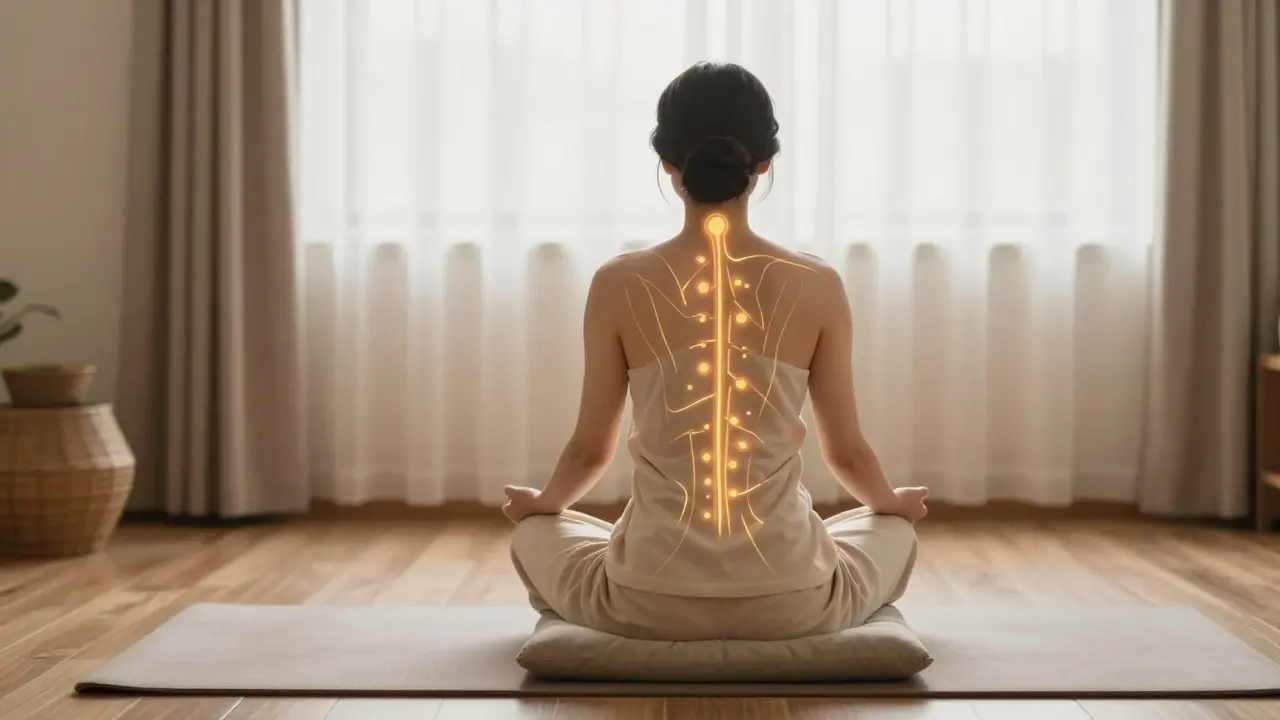
Back pain is one of those universal annoyances that can turn a good day into a miserable one. You reach for the heating pad, pop an ibuprofen, or maybe just wait it out, hoping it goes away by morning. But what if there was a way to release that tension without relying on medication or expensive equipment? Enter Amma massage, an ancient technique rooted in Traditional Chinese Medicine (TCM) that targets specific points on your body to relieve pain and restore energy flow.
You might be wondering, "What exactly is Amma massage?" It’s not your typical spa treatment where someone rubs oil all over you. Instead, it’s a form of acupressure that uses fingers, thumbs, palms, and even elbows to apply pressure to meridian points-specific spots along your body’s energy pathways. Think of it as hitting the reset button for your muscles and nerves.
What makes Amma massage different from other types of massage?
Unlike Swedish or deep tissue massages that focus on muscle relaxation through strokes and kneading, Amma massage targets specific acupressure points to stimulate blood circulation and release blocked energy. It often involves rhythmic tapping, pressing, and stretching, making it more dynamic and interactive.
The Science Behind Amma Massage
To understand why Amma massage works for back pain, we need to look at how our bodies handle stress and tension. When you’re stressed, your muscles tighten up, restricting blood flow and causing discomfort. Over time, this can lead to chronic pain conditions like lower back strain or sciatica. Acupressure, the foundation of Amma massage, operates on the principle that stimulating certain points can trigger the body’s natural healing mechanisms.
Research suggests that applying pressure to these points releases endorphins-the body’s natural painkillers-and reduces inflammation. For example, a study published in the *Journal of Alternative and Complementary Medicine* found that participants who received regular acupressure sessions reported significant reductions in chronic back pain compared to those who didn’t. While more research is needed, many people swear by its effectiveness.
Traditional Chinese Medicine (TCM) is a holistic system of healthcare originating in China thousands of years ago, focusing on balancing energy flows known as Qi. Also known as Chinese Herbal Medicine, TCM includes practices like acupuncture, herbal remedies, and dietary therapy. Amma massage fits squarely within this framework, emphasizing prevention and harmony rather than just treating symptoms.How Amma Massage Relieves Back Pain
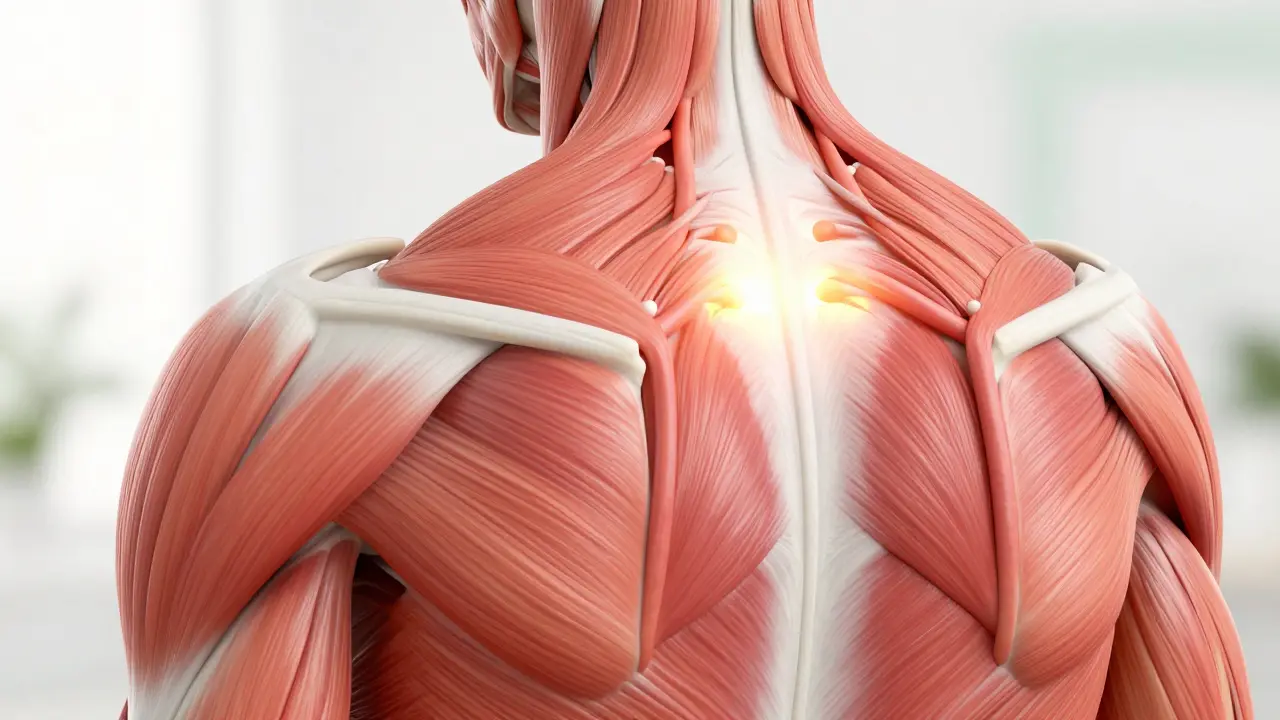
If you’ve ever had a knot in your shoulder blade or stiffness in your lower back, you know how frustrating it can be. These knots are essentially areas where muscles have tightened due to poor posture, overuse, or emotional stress. Amma massage addresses these issues directly by targeting key points along your spine and surrounding muscles.
- Blood Circulation Boost: By increasing blood flow to affected areas, Amma massage helps deliver oxygen and nutrients while flushing out toxins.
- Muscle Relaxation: Applying steady pressure relaxes tense muscles, reducing spasms and improving flexibility.
- Pain Gate Theory: Stimulating nerve endings sends signals to the brain that override pain sensations, providing immediate relief.
- Energy Flow Restoration: In TCM terms, clearing blockages in meridians allows Qi (life force) to circulate freely, promoting overall well-being.
Imagine sitting at your desk all day with slouched shoulders. Your upper back starts feeling heavy, almost like someone put weights on it. An Amma session could involve gentle taps along your spine followed by firm presses near your shoulder blades. Within minutes, you’d likely feel lighter and more relaxed.
Key Points Targeted During Amma Massage
Not every part of your back gets equal attention during an Amma massage. Practitioners focus on specific acupressure points linked to common sources of back pain. Here are some of the most important ones:
| Point Name | Location | Benefits |
|---|---|---|
| Governing Vessel 14 (GV14) | Base of the neck | Relieves tension headaches and neck stiffness |
| Bladder Meridian Point 23 (BL23) | Lower back, beside the spine | Eases lower back pain and kidney-related issues |
| Du Meridian Point 4 (DU4) | Mid-lower back | Improves circulation and strengthens the lower back |
| Large Intestine Meridian Point 4 (LI4) | Between thumb and index finger | Reduces general pain and promotes relaxation |
These points aren’t random-they’re strategically chosen based on centuries-old wisdom combined with modern anatomical knowledge. If you’re curious about trying them yourself, start lightly and gradually increase pressure until you find what feels comfortable.
DIY Amma Techniques for Home Use
You don’t always need a professional practitioner to experience the benefits of Amma massage. With a little practice, you can perform simple techniques at home to manage mild back pain. Just remember to listen to your body and avoid excessive force.
- Self-Acupressure: Sit comfortably and use your thumbs to press firmly but gently onto BL23 (lower back). Hold for 5-10 seconds, then release. Repeat three times.
- Rhythmic Tapping: Using flat hands, tap lightly along either side of your spine from top to bottom. This stimulates blood flow and loosens tight muscles.
- Elbow Pressure: Lie face down on a yoga mat and place an elbow against GV14 (base of the neck). Lean into it slightly for 10-15 seconds before moving to another spot.
- Stretching Combo: Combine light stretches with acupressure. For instance, after pressing LI4, stretch your arms overhead to enhance relaxation.
Pro tip: Pair these techniques with deep breathing exercises. Inhale deeply through your nose, hold for a few seconds, then exhale slowly through your mouth. This calms your nervous system and amplifies the effects of the massage.
When to See a Professional
While DIY methods work wonders for minor discomfort, severe or persistent back pain requires expert intervention. A trained Amma therapist knows precisely which points to target and how much pressure to apply safely. They also tailor each session to your unique needs, whether you’re dealing with acute injury or long-term strain.
In cities like Toronto, finding qualified practitioners has become easier thanks to growing interest in alternative therapies. Look for certifications in TCM or related fields when booking appointments. Many clinics offer introductory packages so you can test the waters without committing fully.
Combining Amma Massage With Other Treatments
For best results, consider integrating Amma massage into a broader wellness routine. Physical therapy, yoga, and proper ergonomics complement its effects beautifully. For instance, if you sit at a desk all day, adjust your chair height and monitor position to reduce strain. Then follow up with a weekly Amma session to keep things balanced.
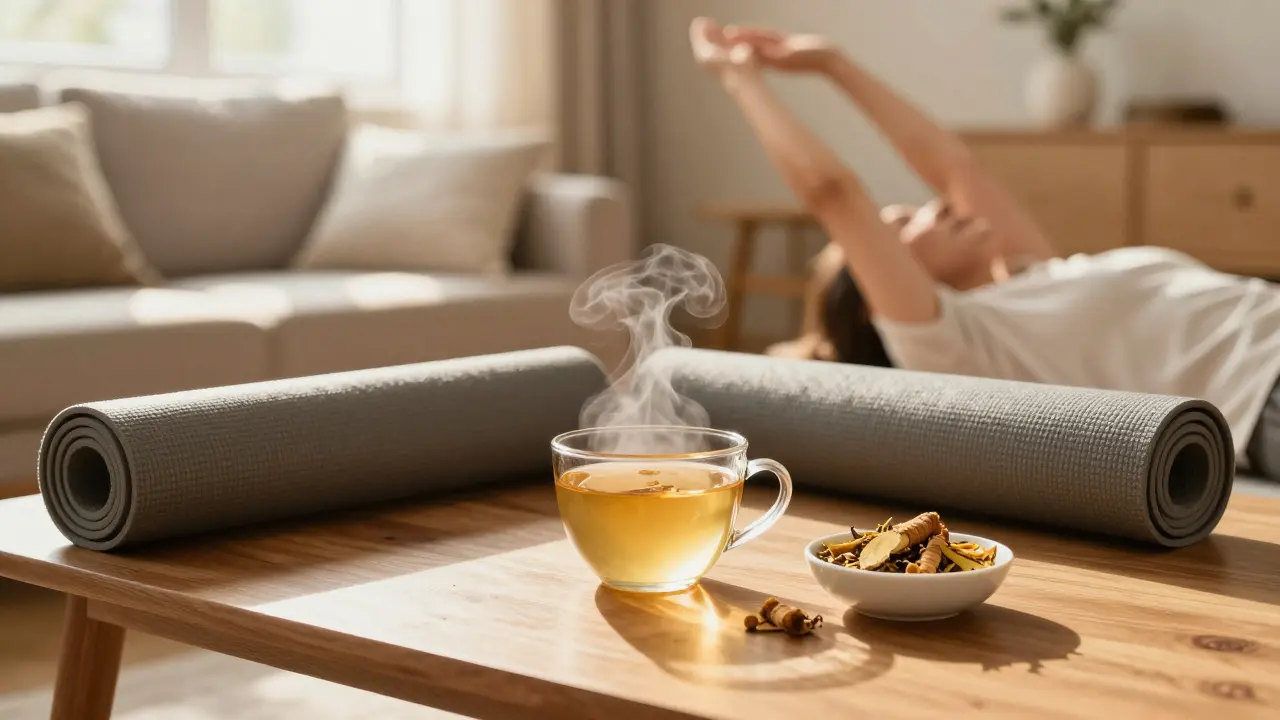
Herbal teas rich in anti-inflammatory properties, such as ginger or turmeric, pair nicely too. Imagine sipping warm tea post-massage while lying on a heated blanket-it’s pure bliss!
Frequently Asked Questions About Amma Massage
Is Amma massage safe for everyone?
Generally yes, but pregnant women, individuals with bleeding disorders, or those undergoing surgery should consult their doctor first. Always communicate any concerns with your therapist beforehand.
How often should I get Amma massage for back pain?
Frequency depends on severity. For occasional discomfort, once every two weeks suffices. Chronic cases may benefit from weekly sessions initially, tapering off as improvement occurs.
Can children receive Amma massage?
Yes, especially for non-serious ailments like colic or sleep disturbances. However, ensure the practitioner specializes in pediatric care and uses gentler techniques suited for younger clients.
Does insurance cover Amma massage?
Coverage varies widely depending on location and provider type. Some health plans include complementary therapies under certain conditions. Check with your insurer or ask the clinic directly.
Are there side effects associated with Amma massage?
Minor soreness or bruising might occur temporarily, particularly if strong pressure was applied. Serious complications are rare when performed correctly by skilled professionals.