
Acupressure Therapy: How to Use Touch for Pain Relief and Stress Reduction
 Jul, 19 2026
Why Your Hands Are Better Than Pills for Some Aches
You have a headache that won't quit. You reach for the medicine cabinet, but you hesitate. Maybe you've had enough caffeine today, or maybe you just want something gentler. What if I told you the solution is already in your hands? Literally.
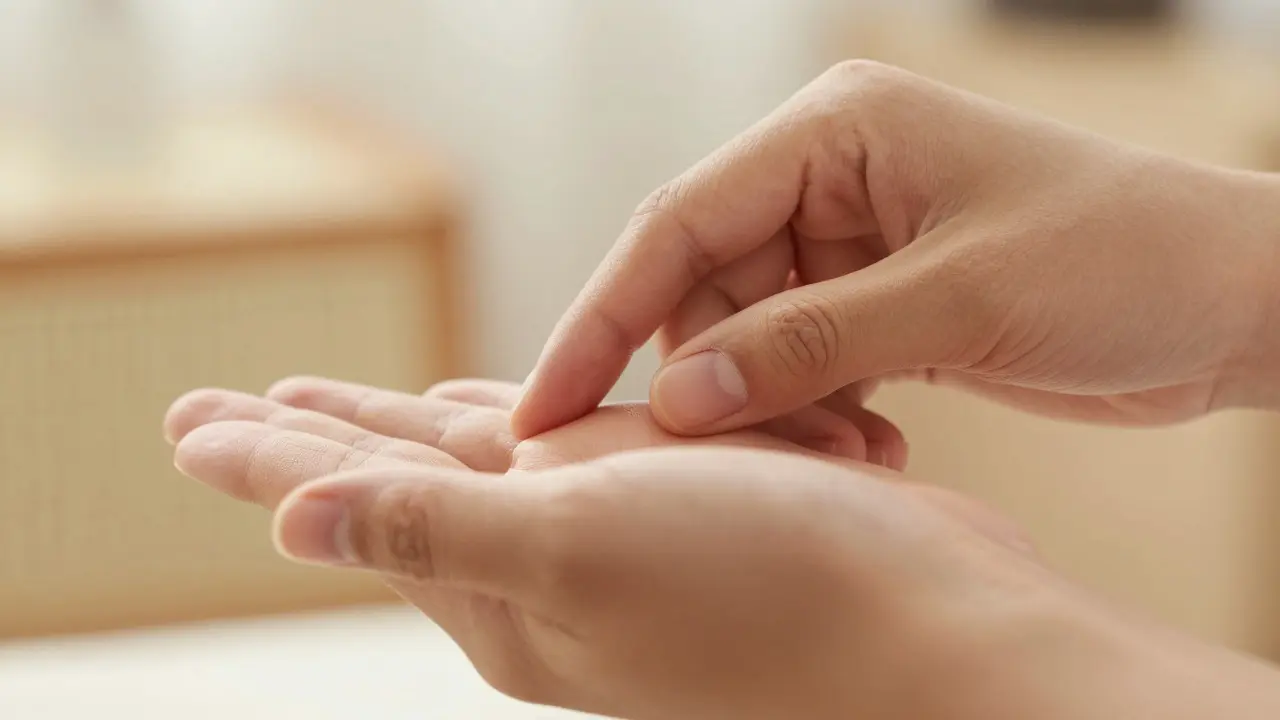
Acupressure therapy is an ancient healing technique that involves applying physical pressure to specific points on the body to relieve pain and treat various disorders. It sounds simple-pressing on spots-but it’s actually a sophisticated system rooted in traditional Chinese medicine (TCM). Unlike acupuncture, which uses needles, acupressure uses fingers, thumbs, or palms. No sharp objects required.
In Melbourne, where we balance busy city lives with a love for outdoor wellness, people are turning back to these manual therapies. Why? Because they work, they’re accessible, and you can do them anywhere. Whether you’re stuck at your desk or relaxing on a beach in St Kilda, your hands are always available tools for healing.
Key Takeaways
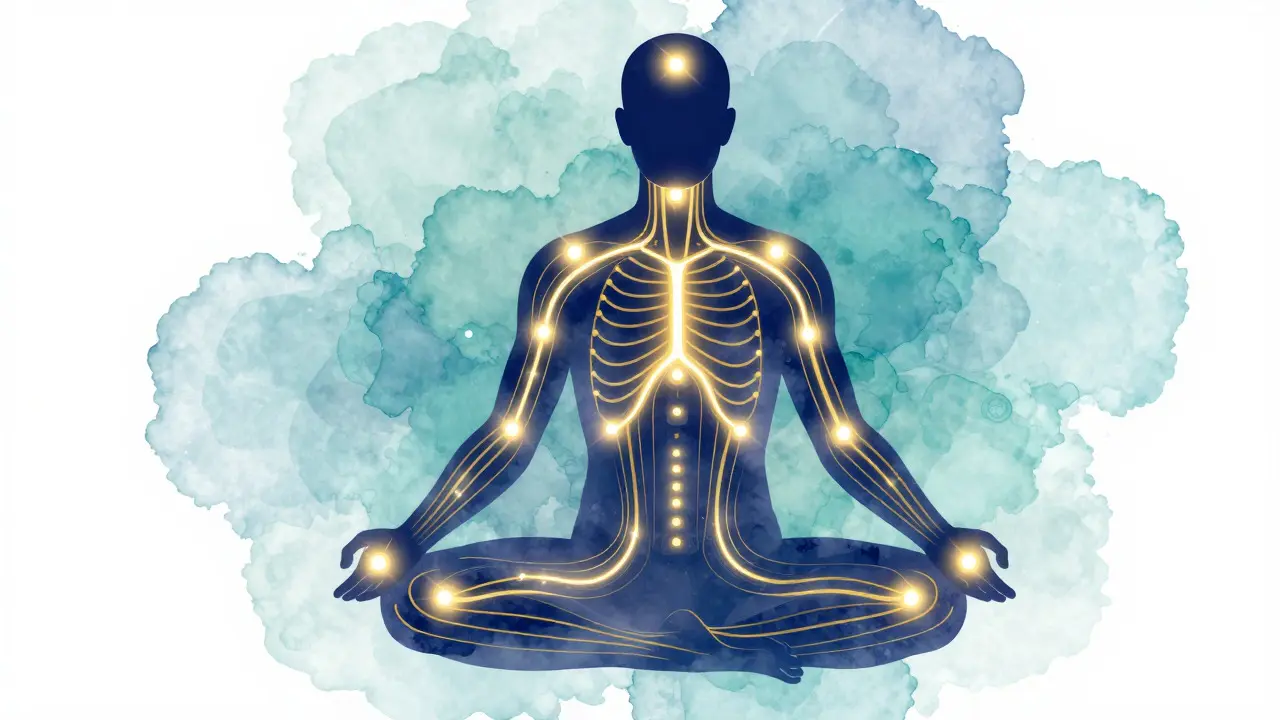
- Acupressure targets energy blockages: By pressing on specific points along meridians, you help restore the flow of Qi (life energy).
- It’s safe and drug-free: Ideal for those avoiding medication side effects or seeking complementary care.
- You can self-administer: Learn a few key points for headaches, digestion, and anxiety to manage daily discomfort instantly.
- Complements other treatments: Works well alongside massage, physiotherapy, and conventional medicine.
The Science Behind the Pressure
Let’s get one thing straight: this isn’t magic. While traditional theory talks about Qi flowing through meridians, modern science offers a different perspective that might make more sense to skeptics.
When you apply firm, steady pressure to an acupressure point, you stimulate nerve endings. This sends signals to your brain, which responds by releasing endorphins-your body’s natural painkillers. Think of it like hitting the reset button on your nervous system. Studies published in journals like Pain Medicine suggest that this stimulation can reduce inflammation and improve blood circulation in targeted areas.
Consider the concept of "gate control theory." When you press a point, the sensation competes with pain signals traveling up the spinal cord. Essentially, you’re distracting your brain from the ache. It’s why rubbing your shin helps when you bump it against a table leg. Acupressure scales this up systematically.
Also known as shiatsu in its Japanese form, this practice has been refined over centuries. The difference between shiatsu and standard acupressure is subtle; shiatsu often involves longer sessions and rhythmic breathing, while general acupressure focuses on quick, targeted relief.
Top 5 Pressure Points for Everyday Problems
You don’t need a degree in anatomy to start feeling better. Here are five reliable points that address common issues. Remember, the goal is firm, comfortable pressure-not pain. If it hurts too much, ease off.
- LI4 (Hegu) - For Headaches and Toothaches
Located on the back of your hand, in the fleshy webbing between your thumb and index finger. Pinch this area firmly. It’s famous for relieving tension headaches and facial pain. Note: Avoid this point if you are pregnant, as it may stimulate contractions. - PC6 (Neiguan) - For Nausea and Anxiety
Find this point on the inner forearm, about three finger-widths down from your wrist crease, between the two tendons. Pressing here is the same mechanism behind those sea-sickness bands you buy at pharmacies. It calms the stomach and soothes nerves. - LV3 (Taichong) - For Stress and Liver Health
On the top of your foot, in the depression between the big toe and the second toe. Rubbing this spot upward toward your ankle helps release emotional stress and anger. It’s a great go-to after a frustrating day at work. - ST36 (Zusanli) - For Digestion and Energy
Four finger-widths below your kneecap, one finger-width to the outside of your shinbone. This is a powerhouse point for boosting immunity and aiding digestion. Press it gently in a circular motion. - Yintang - For Calmness and Sleep
Right between your eyebrows. Gently press and hold this spot while taking deep breaths. It activates the parasympathetic nervous system, helping you unwind before bed.
| Feature | Acupressure | Acupuncture | Massage Therapy |
|---|---|---|---|
| Method | Finger/Thumb Pressure | Thin Needles | Kneading/Rubbing Muscles |
| Invasiveness | Non-invasive | Mildly invasive | Non-invasive |
| Self-Administration | Easy | Difficult (requires pro) | Moderate |
| Best For | Quick relief, daily maintenance | Chronic conditions, deep tissue | Muscle tension, relaxation |
| Cost | Free (DIY) / Low (Pro) | High ($80-$150/session) | Medium ($60-$120/session) |
How to Perform Acupressure Correctly
Doing it wrong means nothing happens. Doing it right brings relief. Here is the step-by-step process to ensure you’re getting results.
- Locate the Point: Use the guides above. Accuracy matters. Being off by a centimeter might mean you’re pressing a muscle instead of a nerve cluster.
- Prepare Your Body: Sit or lie down comfortably. Tense muscles resist pressure. Take three deep breaths to relax.
- Apply Pressure: Use your thumb or index finger. Press firmly but steadily. The sensation should be a dull ache or tingling, not sharp pain.
- Hold and Breathe: Maintain pressure for 3 to 5 minutes. Keep breathing deeply. Don’t hold your breath-that creates tension.
- Release Slowly: Ease off gradually. Sudden release can sometimes cause dizziness.
- Hydrate: Drink water afterward. Stimulating these points can release toxins stored in tissues, and hydration helps flush them out.
A pro tip: Use a small amount of essential oil or lotion if you’re working on larger areas like the back or legs. It reduces friction and allows smoother movement. Lavender oil, for instance, adds an aromatic layer of relaxation to the physical touch.
Who Should Avoid Acupressure?
While generally safe, acupressure isn’t for everyone in every situation. Safety first, always.
- Pregnancy: As mentioned, avoid LI4 and SP6 (Sanyinjiao), as they can stimulate uterine contractions. Always consult your midwife before trying new therapies during pregnancy.
- Bleeding Disorders: If you bruise easily or take blood thinners, avoid deep pressure. Stick to very light touches.
- Open Wounds or Infections: Don’t press directly on cuts, rashes, or inflamed skin. Wait until healed.
- Recent Surgery: Give your body time to heal. Wait at least 4-6 weeks post-surgery before applying pressure near the site.
Integrating Acupressure Into Your Daily Routine
You don’t need an hour-long session to benefit. Micro-doses of acupressure throughout the day add up.
Try this: Set a reminder on your phone for every 90 minutes. Stand up, stretch, and press LV3 on both feet for one minute each. This breaks the cycle of sitting-induced stiffness and mental fog. At your desk, keep a small ball (like a tennis ball) under your foot to roll around ST36 while you type.
In the evening, incorporate Yintang pressure into your bedtime routine. Pair it with reading or listening to calm music. Over time, your brain associates this touch with sleep, creating a powerful conditioned response.
Many Australians combine this with yoga. After a hot yoga session in Fitzroy, for example, practitioners often use acupressure to cool down and release residual tension in the shoulders and hips. It’s a seamless blend of movement and stillness.
Finding a Professional Practitioner
If self-care isn’t enough, seek a certified practitioner. Look for credentials from recognized bodies like the Australian Traditional-Medicine Society (ATMS) or the International Shiatsu Institute.
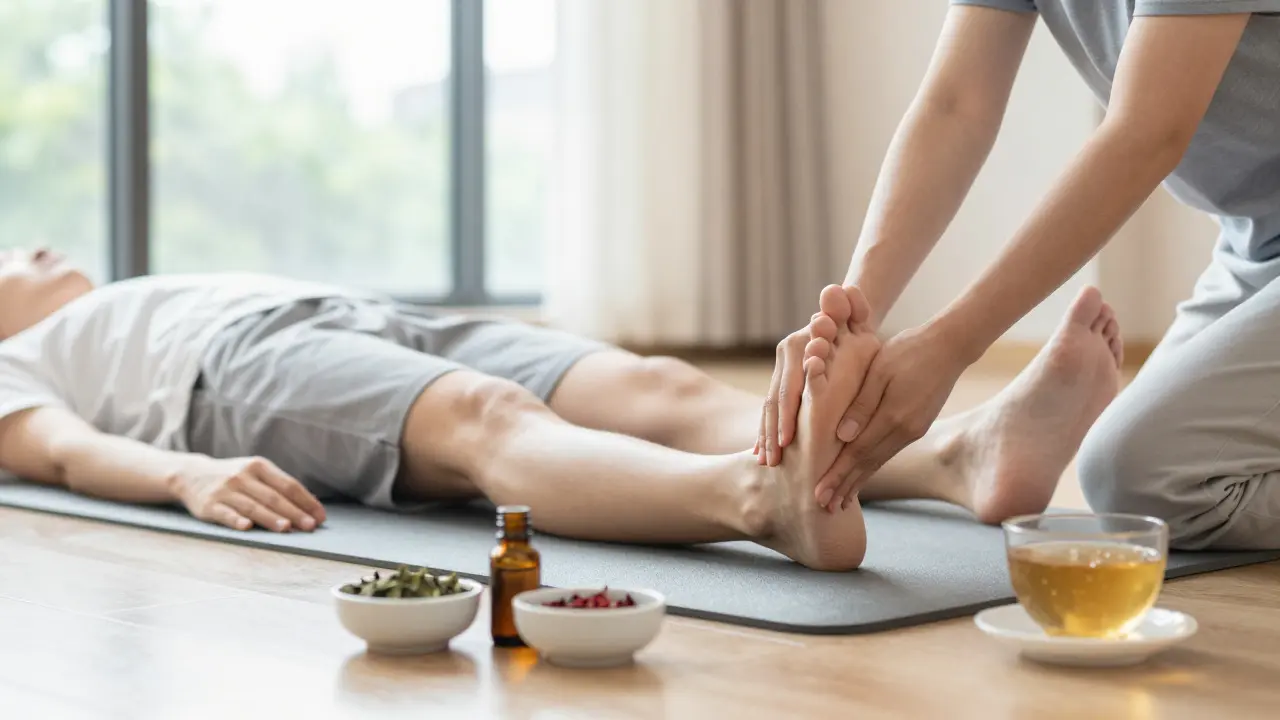
A good therapist will assess your overall health, not just your pain point. They’ll ask about your diet, sleep, and stress levels. Acupressure is holistic; it treats the person, not just the symptom. Expect a session to last 45-60 minutes, involving lying on a mat while the therapist applies pressure to multiple points along your meridians.
Costs in Melbourne vary, but expect to pay between $70 and $100 per session. Check if your private health insurance covers "remedial massage" or "traditional Chinese medicine," as some policies include acupressure under these categories.
Common Misconceptions Debunked
Let’s clear up some myths. First, acupressure doesn’t replace emergency medical care. If you have chest pain, call 000, not a therapist. Second, it’s not just for chronic pain. Acute issues like a sudden migraine or jet lag respond well too.
Another myth: "You must feel pain to feel results." False. The therapeutic window is between comfort and discomfort. Sharp pain means you’re pressing too hard or in the wrong spot. Listen to your body-it knows best.
How long does it take for acupressure to work?
For acute issues like headaches or nausea, relief can be immediate or within 10-15 minutes. For chronic conditions like back pain or anxiety, consistent daily practice over 2-4 weeks yields significant improvements. Patience and regularity are key.
Can I do acupressure on my pets?
Yes! Veterinary acupressure is growing in popularity. Dogs and cats have similar meridian systems. Gentle pressure on their paws or ears can calm anxiety. However, always consult a vet-trained in animal acupuncture/acupressure first to learn safe points for your specific pet breed.
Is acupressure covered by Medicare in Australia?
Generally, no. Medicare does not cover alternative therapies like acupressure unless prescribed by a specialist for specific clinical trials. However, many private health funds offer rebates under extras cover for remedial massage or TCM services. Check your specific policy details.
What is the difference between acupressure and reflexology?
Reflexology focuses specifically on pressure points in the feet, hands, and ears that correspond to organs. Acupressure works on points all over the body aligned with meridians. Both aim to balance energy, but acupressure has a broader anatomical scope.
Can acupressure help with insomnia?
Absolutely. Pressing Yintang (between eyebrows) and Shenmen (on the ear or wrist) before bed signals safety to the brain. Combine this with a dark, cool room and no screens for best results. Many users report falling asleep faster within a week of nightly practice.