
5 Reasons Why Sports Massage Is a Workout Essential
 Dec, 23 2025
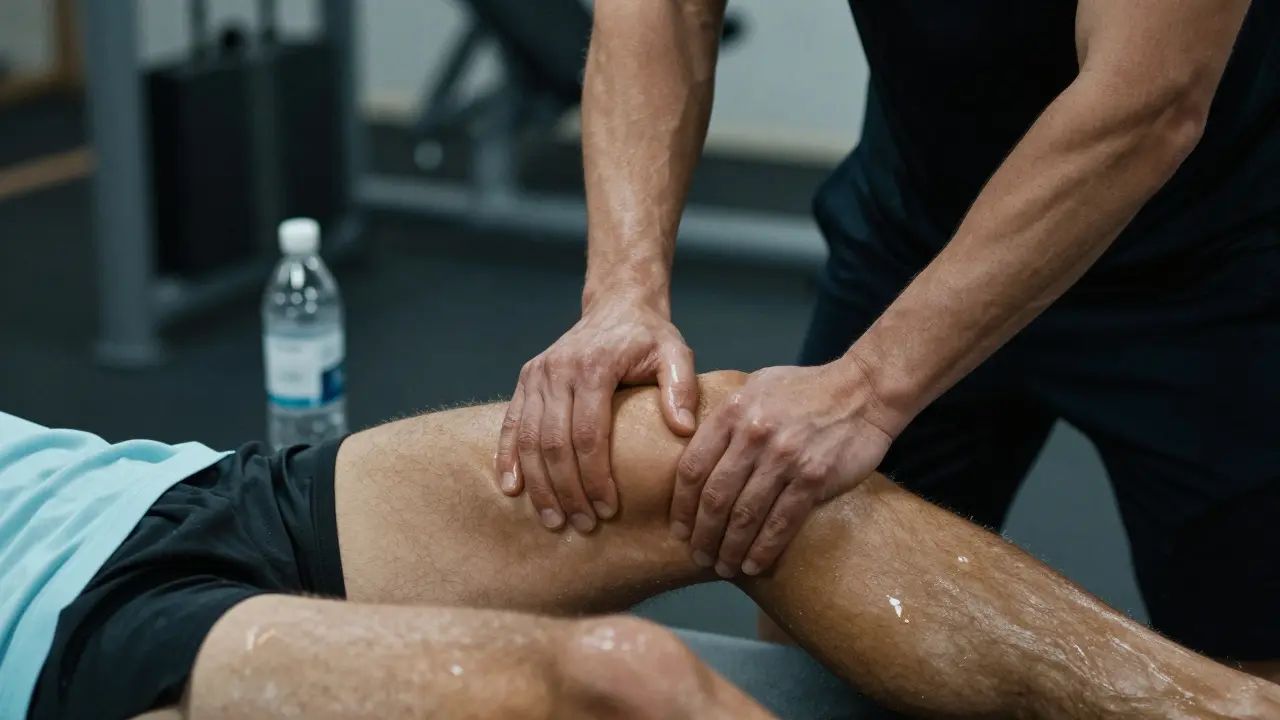
Think of your body like a high-performance engine. You push it hard during workouts, push it past limits, and expect it to keep running. But what happens when you skip the oil change? That’s what skipping sports massage does to your muscles. It’s not a luxury for elite athletes-it’s a non-negotiable part of any serious training routine. Whether you’re running marathons, lifting weights, or playing weekend soccer, your muscles need more than just rest to bounce back. Here’s why sports massage isn’t just nice to have-it’s essential.
It Speeds Up Muscle Recovery After Hard Workouts
After a tough session-say, heavy squats or a long run-your muscles are full of micro-tears and metabolic waste like lactic acid. That’s what causes soreness and stiffness. While rest helps, it doesn’t actively clear out those byproducts. Sports massage does. Studies show that massage increases blood flow to tired muscles by up to 30%, helping flush out inflammation-causing chemicals and deliver fresh oxygen and nutrients faster. One 2012 study published in the Journal of Athletic Training found that athletes who received massage after intense exercise recovered strength 20% faster than those who didn’t. That means you can train again sooner, with less pain, and more consistency.
It Reduces Muscle Tension and Prevents Tightness
Repetition is the enemy of flexibility. Every sprint, every rep, every pedal stroke builds up tension in specific muscle groups. Over time, that tension turns into tightness, which leads to poor movement patterns. Tight quads? That pulls on your knees. Tight hip flexors? That flattens your lower back. Sports massage targets those stubborn knots-called trigger points-using deep, focused pressure. It doesn’t just feel good; it physically breaks up adhesions between muscle fibers and connective tissue. A runner in Sydney I worked with kept getting IT band pain despite stretching. After six weeks of biweekly sports massages, the pain vanished. Why? Because the massage restored normal tissue glide, something stretching alone couldn’t fix.
It Lowers Injury Risk by Improving Mobility
Injuries don’t happen because you’re weak. They happen because you’re stiff. When your hips can’t rotate properly, your knees take the strain. When your shoulders are tight, your rotator cuff pays the price. Sports massage improves joint range of motion by releasing restrictions in the soft tissues surrounding them. A 2020 review in the International Journal of Sports Physical Therapy concluded that regular massage significantly improved flexibility in hamstrings, shoulders, and calves among active adults. Better mobility means better form. Better form means fewer strains, sprains, and overuse injuries. If you’re training hard, you’re already putting stress on your body. Sports massage helps you manage that stress before it turns into an injury.
It Enhances Performance by Keeping Muscles Responsive
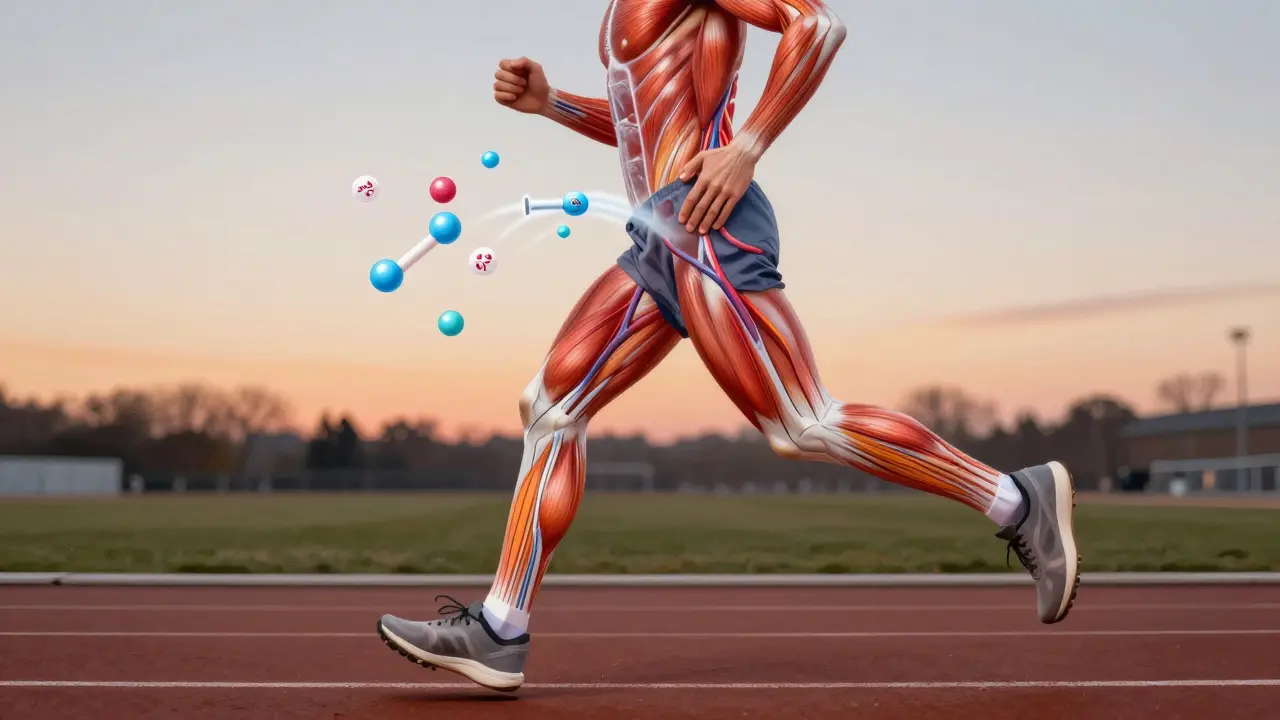
Have you ever felt sluggish mid-workout, even when you’re well-rested? That’s not laziness-it’s muscle fatigue setting in. Muscles that are chronically tight or inflamed don’t contract as efficiently. They lose their spring. Sports massage restores that elasticity. Think of it like tuning a guitar string. Too loose? The note sounds dull. Too tight? It snaps. Just right? It sings. Massage keeps your muscles in that optimal tension zone. Athletes who get regular sports massages report feeling lighter, more responsive, and more powerful during training. One cyclist I coached increased his power output by 8% over three months-not because he trained harder, but because his legs were finally able to fire properly again.
It Supports Mental Recovery and Focus
Recovery isn’t just physical. Your nervous system gets worn down too. High-intensity training keeps your body in fight-or-flight mode. That means elevated cortisol, poor sleep, and mental burnout. Sports massage triggers the parasympathetic nervous system-the part that says, “You’re safe now.” Heart rate drops. Breathing slows. Stress hormones decrease. A 2017 study from the University of Illinois found that athletes who received massage after competition had 25% lower cortisol levels than those who didn’t. That’s not just relaxation-it’s neurochemical reset. When your mind stops being on high alert, you sleep better, recover faster, and show up with sharper focus in your next session.
It’s Not Just for Pros-It Works for Everyone Who Moves
You don’t need to be competing in the Olympics to benefit. If you’re doing HIIT twice a week, hiking on weekends, or playing pickup basketball, your body is still under stress. The same principles apply. A 30-minute sports massage every two weeks can make a measurable difference in how you feel, how you move, and how long you stay injury-free. Many gyms in Sydney now offer on-site massage packages because their members are seeing real results. You wouldn’t skip oil changes for your car. Why skip them for your body?
How Often Should You Get One?
It depends on your training load. If you’re training 5+ days a week, aim for once a week or every other week. If you’re training 3-4 days a week, every three weeks works. Even once a month helps if you’re consistent. The key is timing. The best window is 24-48 hours after a hard workout, when inflammation is peaking but not yet locked in. Don’t wait until you’re in pain. Prevention beats repair every time.
What to Expect During a Session
A sports massage isn’t a relaxing spa experience. It’s targeted, firm, and sometimes uncomfortable-but never painful. The therapist will focus on your problem areas: hips for runners, shoulders for swimmers, calves for cyclists. They’ll use techniques like deep tissue work, trigger point therapy, and myofascial release. You’ll be asked to move or breathe during certain moves to enhance the effect. You’ll feel sore for a day after, like you’ve had a good workout. That’s normal. It means your tissues are responding.
Sports massage isn’t magic. But it’s science-backed, practical, and accessible. It doesn’t require supplements, expensive gear, or hours of extra time. Just one session a month can keep you moving better, longer. If you’re serious about your workouts, you owe it to your body to treat it right. Not just with rest. Not just with stretching. With massage too.
Is sports massage the same as a deep tissue massage?
No. Deep tissue massage is focused on releasing chronic muscle tension anywhere on the body. Sports massage is targeted specifically at athletes or active people. It’s designed to improve performance, aid recovery, and prevent injury. The techniques are similar, but the goals and timing are different. A sports massage is often scheduled around training cycles and focuses on the muscles used most in your sport.
Can I do sports massage myself with a foam roller?
Foam rolling helps, but it’s not the same. Rolling is good for general muscle relaxation and increasing blood flow. But it can’t target deep trigger points or release specific fascial restrictions like a trained therapist can. Think of it like this: foam rolling is like sweeping your floor. Sports massage is like fixing the foundation. You need both, but only massage can fix what’s underneath.
Does sports massage hurt?
It shouldn’t hurt-but it can feel intense. You should feel pressure, not pain. If the therapist is causing sharp or shooting pain, speak up. Good sports massage feels like a deep, productive ache-like the kind you get after a great stretch. It should leave you feeling looser, not bruised. Some soreness the next day is normal, but lasting pain isn’t.
How long does a sports massage session last?
Most sessions last between 30 and 60 minutes. A 30-minute session is great for focusing on one area-like legs after a run. A 60-minute session lets the therapist work on multiple muscle groups, which is better if you train full-body or do multi-sport activities. Always confirm the duration before booking.
Should I get a massage before or after a big event?
Avoid deep massage within 24-48 hours before a big race or game. It can leave your muscles too relaxed or slightly sore. Instead, get a light, activating massage 3-5 days before to loosen tight spots. After the event, schedule a recovery massage within 24 hours to flush out lactic acid and reduce inflammation. That’s when it’s most effective.