
10 Surprising Health Benefits of Bioenergetics Explained
 Mar, 29 2026
The Hidden Power of Your Body's Energy
Most people think of stress as something that lives in their heads. We worry, we overthink, and we feel anxious. But the reality is often far more physical. When you are stressed for long periods, your muscles contract. Over years, those temporary contractions become permanent habits. You hold tension in your jaw, your neck, or your stomach without even realizing it. This is where bioenergetics comes in.
Bioenergetics is a therapeutic approach that links psychological states to physical tension. Developed from the work of Wilhelm Reich and later refined by Alexander Lowen, this method operates on a simple premise: the way you hold your body affects how you feel, and changing your body can change your mind. It isn't just about talking through problems; it is about working through them using breath, movement, and sensation. If you have ever felt stuck despite doing talk therapy, this somatic approach might be the missing piece.
Quick Takeaways
- Bioenergetics helps release deep-seated physical tension that standard relaxation techniques often miss.
- It connects the nervous system directly to emotional processing, leading to faster stress reduction.
- Patients report improvements in chronic pain, posture, and sleep quality after regular sessions.
- The practice involves active participation-shaking, stretching, and grounding exercises-rather than passive listening.
- This therapy is particularly effective for trauma recovery and unexplained fatigue.
What Exactly Happens During a Session?
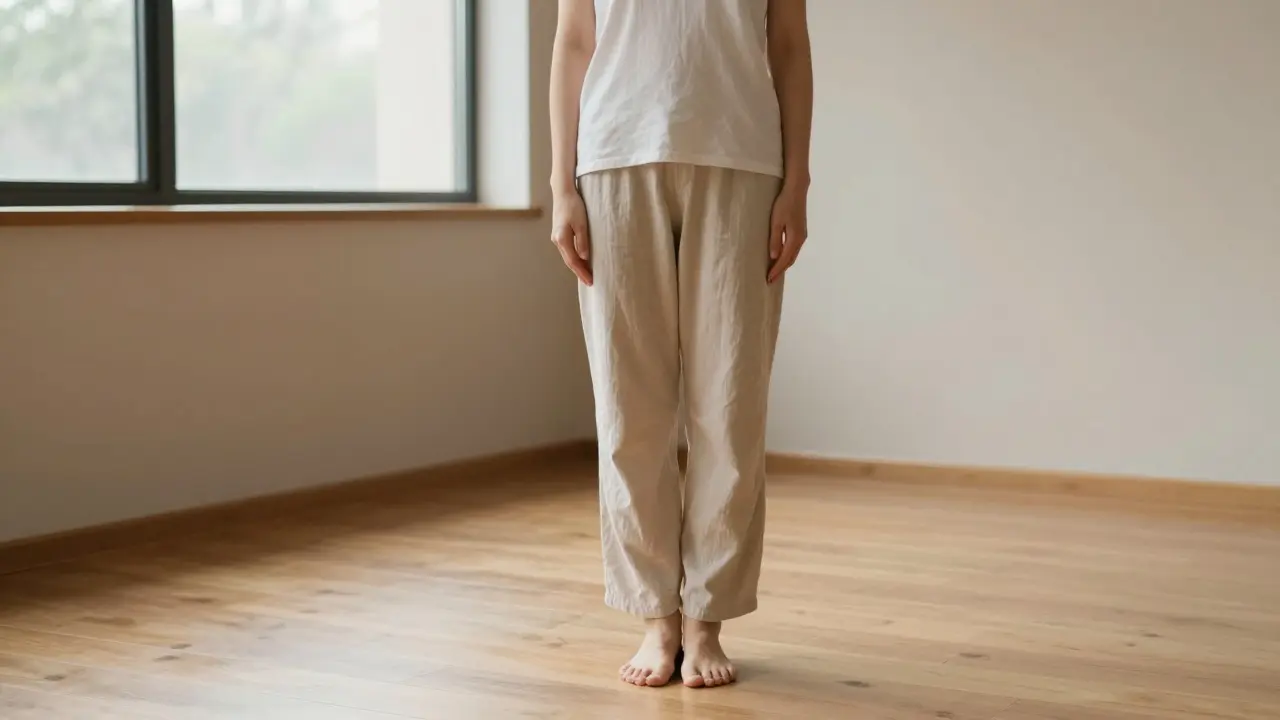
You might imagine a session looks like a massage or a standard counseling appointment. Neither is quite right. A typical bioenergetic analysis session takes place in a private room, often with the client wearing comfortable clothing. The therapist guides you through specific movements designed to access areas of the body where you hold tension.
This could involve standing on the floor and feeling your feet grounded, or sitting in a chair and intentionally shaking your limbs to discharge excess energy. The goal is not to perform perfectly but to experience sensations fully. For example, when anger is stored in the chest, the pectoral muscles tighten. A bioenergetic exercise might ask you to push against the therapist's hands to open that area and release the stored emotion.
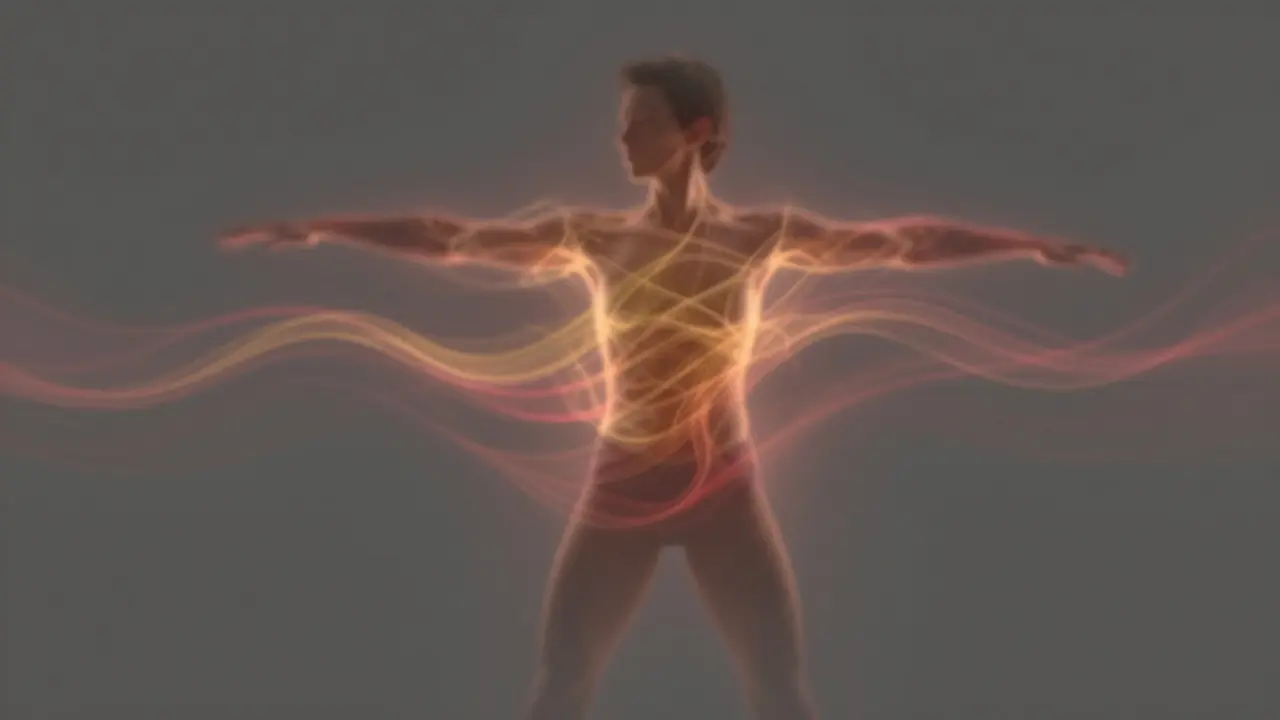
The process relies heavily on the Autonomic Nervous System. By activating the parasympathetic response through controlled breathing and grounding, you teach your body to switch out of 'fight or flight' mode safely. This creates a feedback loop where feeling safe physically makes it easier to feel safe emotionally.
10 Proven Benefits of the Practice
1. Reduction in Chronic Pain
Muscle tension is one of the primary drivers of conditions like lower back pain and fibromyalgia. In bioenergetics, this is called 'armoring.' When you protect yourself psychologically from an event, you unconsciously stiffen the relevant body part. By systematically releasing these blocks, many patients find their pain levels decrease significantly. Unlike medication, which masks symptoms, this method addresses the structural cause of the tightness.
2. Lowered Anxiety Levels
Anxiety often manifests as a shallow, rapid breath pattern held high in the chest. Bioenergetics teaches diaphragmatic breathing. As you breathe deeper into the belly, you stimulate the Vagus Nerve. This signal travels to the brain to lower heart rate and reduce cortisol production. Regular practice builds a baseline of calm that persists outside the therapy room.
3. Improved Sleep Quality
Many people struggle to fall asleep because their body remains in a state of hyperarousal. The shaking and grounding exercises used in bioenergetics serve to discharge this accumulated energy. Think of a child who runs around all day; they sleep better at night. Adults need that same discharge, especially during the day. Releasing the physical urge to fight allows the body to rest fully at night.
4. Enhanced Emotional Awareness
We often numb our feelings to survive difficult times. However, numbing emotions often numbs pleasure too. This therapy encourages re-sensitizing the body. When you learn to notice a tightening in your throat before you cry, you gain agency over the reaction. You stop being surprised by emotional outbursts and start managing them as they arise.
5. Better Posture and Alignment
Your posture tells the story of your emotional history. Slouching might indicate depression or shame, while rigid rigidity suggests defense. Bioenergetic exercises focus on spinal alignment and pelvic mobility. Straightening the spine isn't just cosmetic; it improves lung capacity and blood flow. People often walk taller after a few sessions, reporting they feel more confident and present.
6. Strengthened Immune Function
There is a direct link between chronic stress and immune suppression. High levels of adrenaline and cortisol weaken the body's defenses. By effectively managing stress through somatic release, you lower this hormonal burden. A calmer body invests more energy into repair and immune surveillance, making you less susceptible to minor illnesses.
7. Relief from Digestive Issues
The gut is often called the 'second brain,' linked via the enteric nervous system. Stress frequently leads to gastrointestinal problems like bloating, IBS, or ulcers. Since bioenergetics targets the abdominal area for tension release, many clients find their digestion stabilizes as the chronic tension in the gut muscles relaxes.
8. Increased Sense of Grounding
Floating anxiety is common in modern life. People feel disconnected from reality or unable to stand up for themselves. The concept of 'grounding' is central to this work. By strengthening the connection between the feet and the floor, you physically anchor yourself. This sensation translates socially; you feel more capable of setting boundaries without fear.
9. Deeper Relationship Connections
Rigidity in the body creates barriers in intimacy. If your muscles are guarded, it is hard to be vulnerable with another person. Opening the body physically creates the capacity to open emotionally. Clients often report that relationships improve because they are no longer projecting past tensions onto their partners. They show up more genuinely.
10. Boosted Vitality and Energy
Surprisingly, holding tension is exhausting. Maintaining chronic contraction requires significant metabolic energy. When you release that 'armor,' that energy becomes available for daily life. Instead of waking up tired, you wake up refreshed. This surge in vitality is often described as a sense of 'life force' returning to the body.
Comparing Bioenergetics to Other Methods
To understand where this fits, it helps to compare it with standard therapies. Below is a breakdown of how it differs from purely cognitive approaches or passive treatments.
| Feature | Talk Therapy | Bioenergetics |
|---|---|---|
| Primary Focus | Thoughts and memories | Body sensations and tension |
| Clinical Style | Passive listening | Active movement and breathing |
| Ideal Outcome | Cognitive insight | Physiological integration |
| Duration of Sessions | 50 minutes | 50-60 minutes (often includes physical exertion) |

Is It Right for You?
Bioenergetics is a powerful tool, but it requires some willingness to feel uncomfortable. Physical release can bring up strong emotions that may have been suppressed for decades. It is best suited for individuals ready to take responsibility for their healing beyond just intellectual understanding.
If you suffer from severe dissociation or acute psychosis, specialized supervision is required before starting intensive body work. For most people dealing with anxiety, burnout, or relationship issues, it offers a unique path to freedom that talk alone cannot provide. The body keeps the score, but it also holds the cure.
Frequently Asked Questions
Is bioenergetics the same as acupuncture?
No. Acupuncture uses needles to stimulate specific points along energy meridians. Bioenergetics focuses on voluntary muscle movement, breathing, and posture to release stored tension and connect with emotions physically.
How long does it take to see results?
Many clients report feeling lighter after just one session due to the immediate release of physical stress. However, lasting changes in behavior and deep emotional patterns typically develop over a series of 10 to 20 sessions depending on individual goals.
Do I need to undress during a session?
Usually not. Most bioenergetic work is done fully clothed. The focus is on your own movement and sensation. Touch may be used occasionally by the therapist for guidance or support, but this is always discussed and consented to beforehand.
Can this help with trauma recovery?
Yes. Trauma is often stored in the body as a frozen fight-or-flight response. By physically completing the actions the body wanted to do (like pushing away a threat), you help the nervous system understand the danger has passed and it is safe to relax again.
Are there any risks involved?
While generally safe, releasing tension can bring up intense emotions temporarily. A skilled therapist ensures you stay within your window of tolerance. It is important to disclose any medical conditions, such as recent injuries or heart issues, before beginning treatment.